Quick answer
For sleep without grogginess, take 100–200 mg of l-theanine 30–60 minutes before bed. Start low to see how you respond. If you wake up foggy, reduce the dose or move it earlier. L-theanine is not a sedative, so it is less likely to cause morning grogginess than melatonin or antihistamines, but timing and dose still matter.
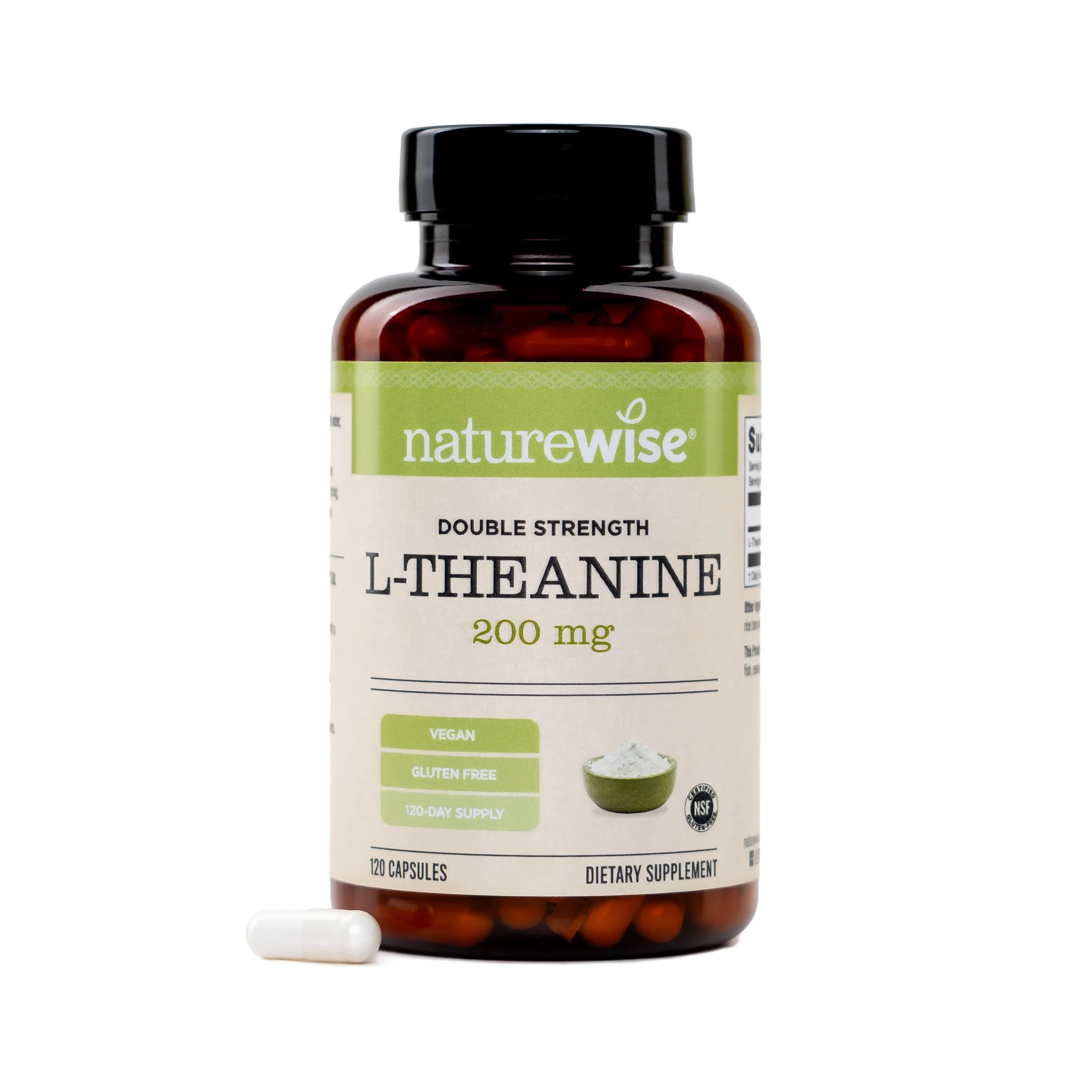
l-theanine
Why l-theanine is less likely to cause morning grogginess
L-theanine promotes relaxation by increasing alpha brain waves without acting as a central nervous system depressant. That means it does not typically leave you feeling drugged or hungover the next day. However, if you take too much or combine it with other sleep aids, you can still wake up feeling sluggish. The key is to treat it as a gentle support, not a knockout pill.
How to time your dose for sleep quality
L-theanine peaks in your bloodstream about 30–60 minutes after you take it. For sleep, take it 30–60 minutes before you get into bed. If you tend to wake up in the middle of the night, you can also take a smaller dose then, but be careful not to create a habit of middle-of-the-night dosing that disrupts your sleep cycle. If you are using l-theanine with melatonin, take them at the same time so their effects align. Melatonin can cause grogginess if the dose is too high or if you take it too late; l-theanine may smooth that out, but it does not cancel it.
Dosage: start low and adjust
A typical l-theanine dosage for sleep is 100–200 mg. If you are new to it, start with 100 mg. If you feel nothing after a week, you can try 200 mg. Some people use up to 400 mg, but higher doses are not necessarily better and may cause vivid dreams or next-day lethargy in sensitive individuals. If you take l-theanine with caffeine during the day, keep that separate from your bedtime dose. Caffeine can mask l-theanine's calming effect and disrupt sleep if consumed too late.
Step-by-step: using l-theanine for sleep
- Choose your starting dose: Take 100 mg of l-theanine 30–60 minutes before bed. If you are sensitive to supplements, start with 50 mg. Checkpoint: If you feel groggy the next morning, reduce the dose or take it earlier in the evening.
- Pair with melatonin carefully: If you use melatonin, take 0.5–1 mg (a low dose) with your l-theanine. Higher melatonin doses are more likely to cause grogginess, and l-theanine will not prevent that. Checkpoint: If you wake up foggy, lower the melatonin dose first, then adjust l-theanine.
- Keep caffeine separate: L-theanine and caffeine can be a focus combo during the day, but avoid caffeine after 2 PM if you are using l-theanine for sleep. Caffeine can override l-theanine's calming effect at night. Checkpoint: If you still feel wired at bedtime, cut afternoon caffeine before increasing l-theanine.
- Track your sleep for one week: Note how long it takes to fall asleep, how many times you wake, and how you feel in the morning. Adjust dose or timing based on that record, not on how you feel one night. Checkpoint: If no improvement after two weeks, l-theanine may not be the right tool for your sleep issue.
Product facts
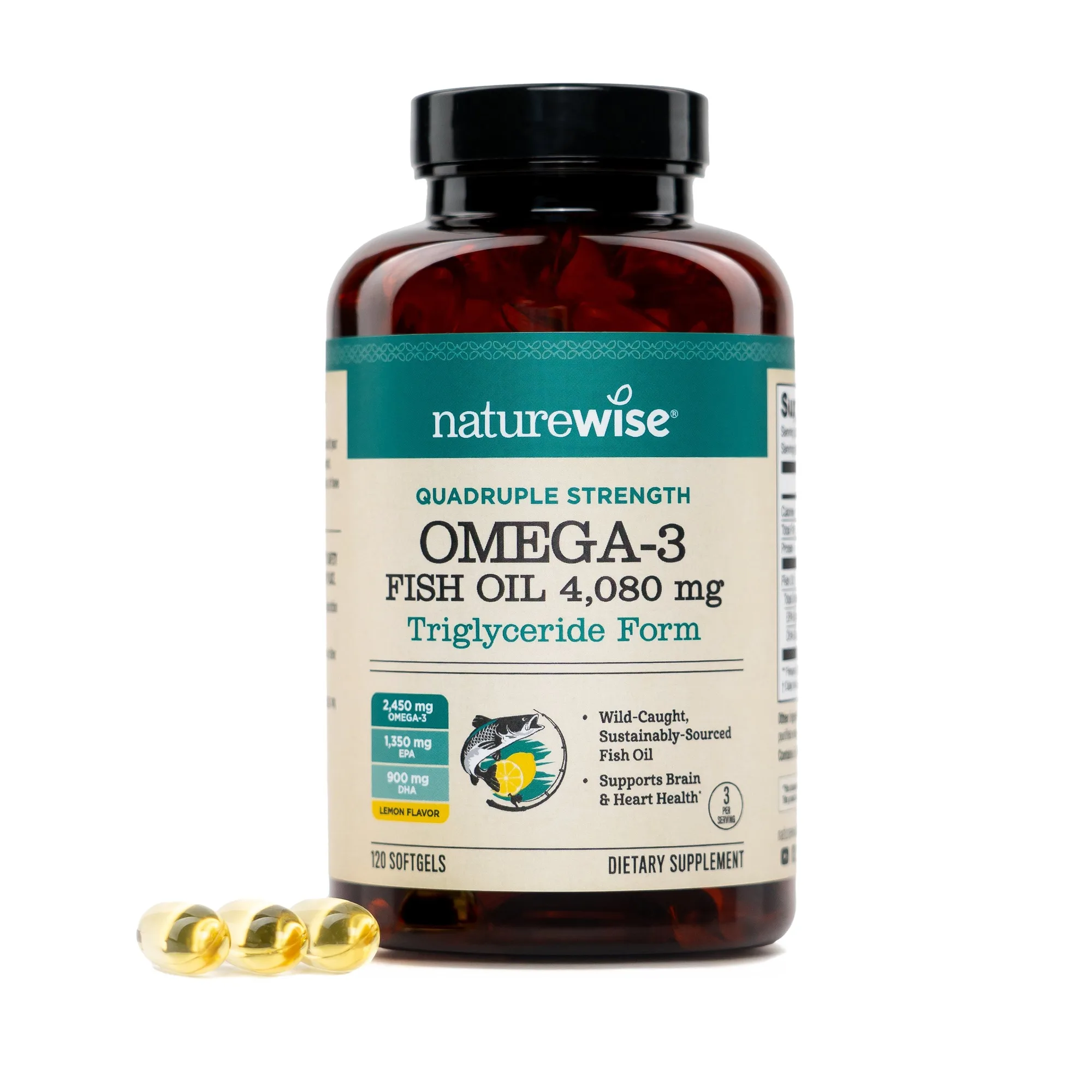
- Quadruple Strength Omega-3: Quadruple Strength Omega-3 provides 2450 mg Omega-3 in natural triglyceride form, including 1350 mg EPA and 900 mg DHA, from wild-caught ocean fish. Omega-3s support overall health, but they are not a sleep aid. If you already take a fish oil, it is fine to take it alongside l-theanine, but do not expect it to replace sleep-specific support.