Start with the thread, then choose the needle
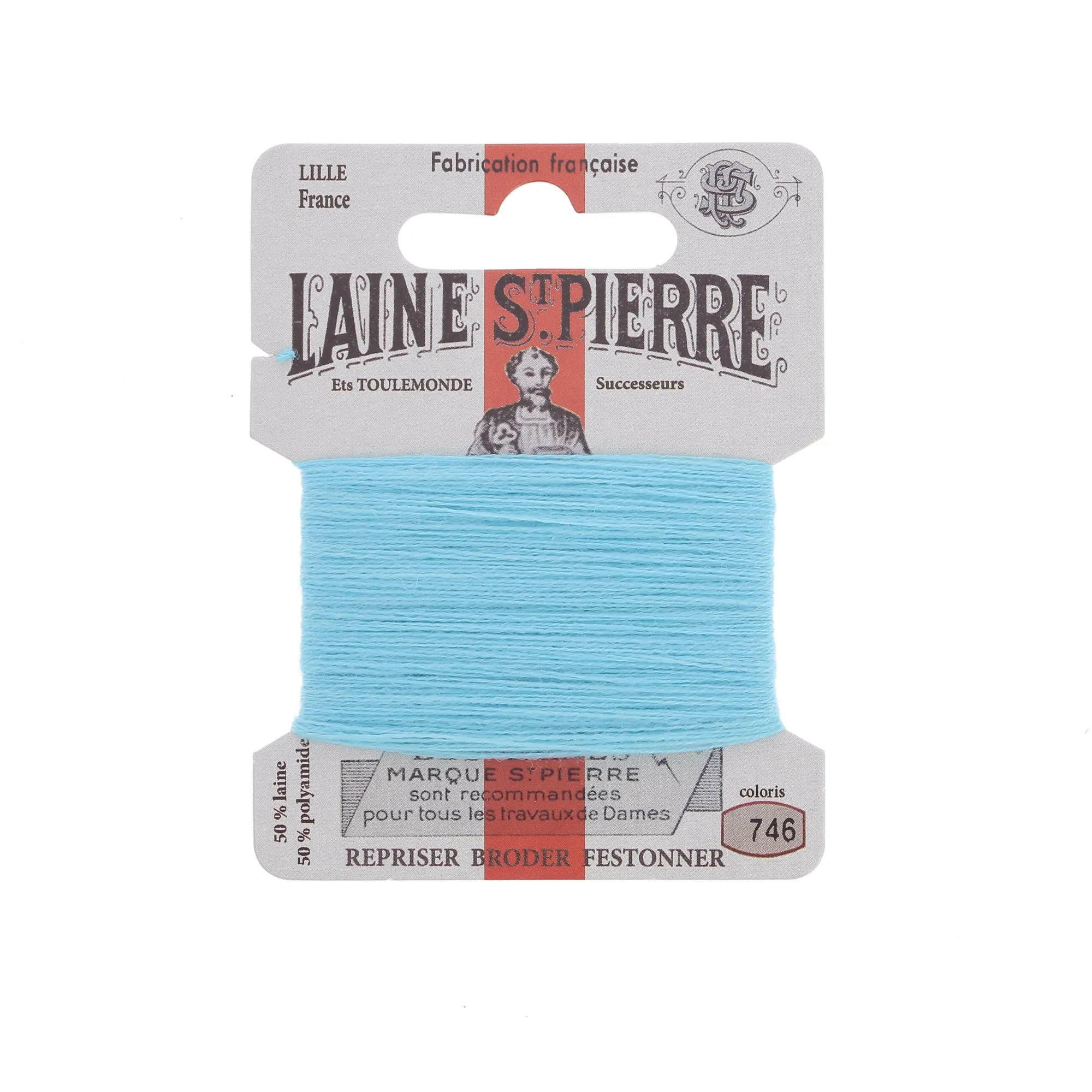
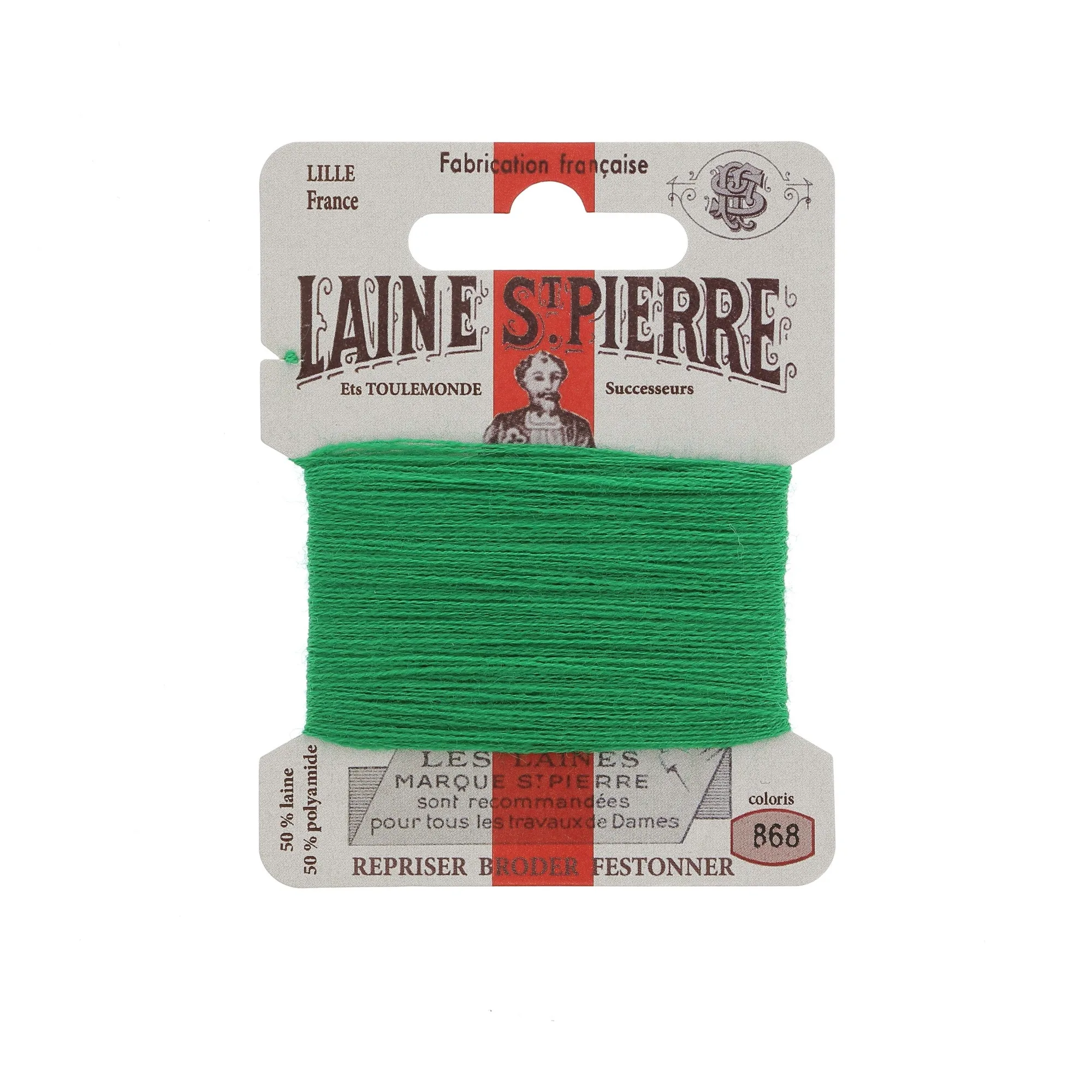
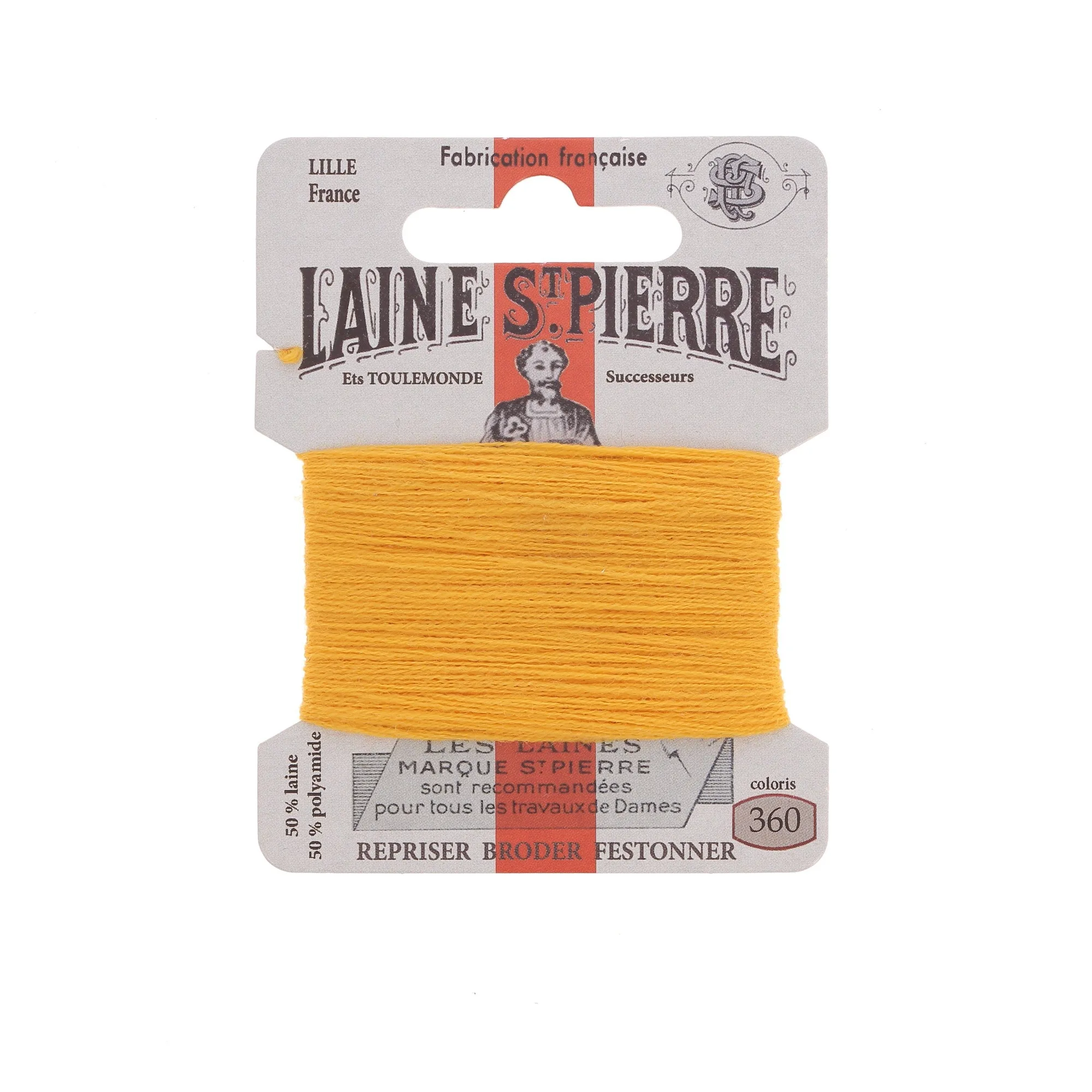
Laine St Pierre is a soft, even wool thread from the Collection 1847 by Fil Au Chinois, made for traditional embroidery and cross stitch. Because it is wool, it behaves differently from cotton floss: it has a natural loft and a warm, slightly textured surface. That texture is what gives motifs depth, but it also means your needle and fabric choice matter more than with a smooth cotton thread.
The supplied product information does not list a recommended needle size for Laine St Pierre. Rather than guess a number, use the principle that governs most wool embroidery: the needle should pass through the fabric and the thread without splitting the wool or dragging. A needle that is too fine will abrade the thread; one that is too thick will leave visible holes, especially on fine grounds. Test on a scrap of your actual fabric before you commit to a full motif.
What the thread itself tells you
-
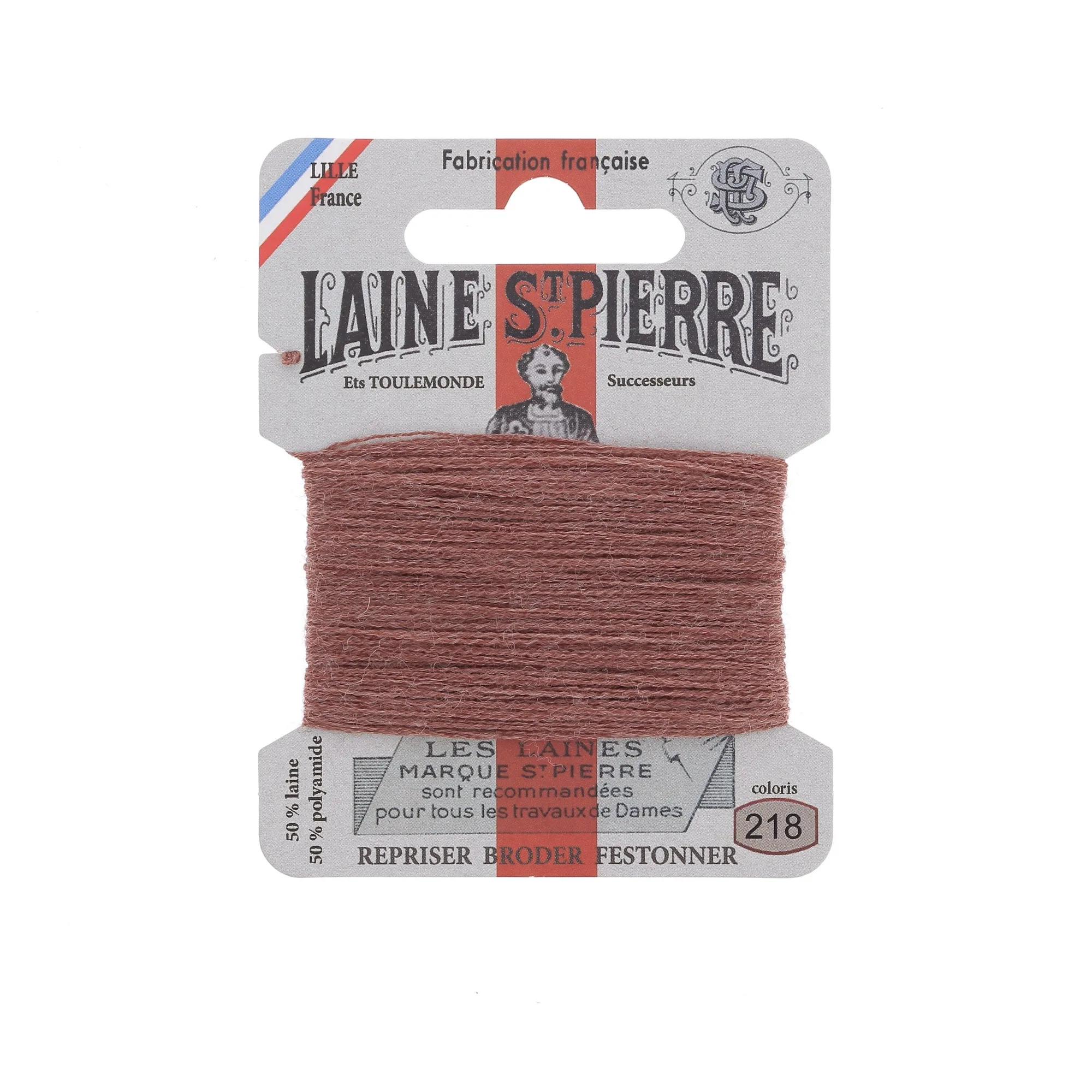
Fil à broder - Laine St Pierre: Laine St Pierre is a wool thread described as regular and soft, intended for traditional embroidery and cross stitch. The soft, regular twist means the thread is forgiving on the needle but can pill or fray if the eye is rough or too small.
Fil à broder - Laine St Pierre
-
Fil à broder - Laine St Pierre: The Collection 1847 range is supplied in a brown colour card (Nuancier Marron), with other colour cards available separately. Brown and neutral tones are ideal for practising needle and tension tests because they show stitch definition clearly on both light and dark grounds.
Pairing the thread with your fabric
- Embroidery on wool fabric: Wool on wool gives a cohesive, matte look. The main risk is over-tightening: wool fabric has some give, and a pulled stitch can distort the ground. Keep your tension relaxed and let the thread sit on the surface rather than sink in.
- Embroidering knitwear: Knitted fabric stretches. Work with a light hand and avoid long, tight carries across the back, which can pucker the knit. If the knit is very open, a finer needle and shorter stitches help the wool thread blend rather than bridge the gaps.
- Cotton or linen grounds: A smooth, firm ground is the easiest place to learn how Laine St Pierre behaves. The wool sits proudly on the surface, which suits traditional motifs and cross stitch. Use a needle fine enough to slip between the weave without enlarging the holes.
- Fine or tightly woven fabric: The softer and more delicate the ground, the more important it is to test first. A thick needle on a fine fabric will leave a perforated line that no amount of pressing will fully close.
A simple test before you start stitching
- Cut a short length: Work with a comfortable length rather than a very long strand. Wool thread abrades against itself and the fabric, so shorter lengths keep the surface smooth.
- Thread up and stitch a small sample: On a scrap of your actual fabric, work a few straight stitches and a few cross stitches. Watch whether the wool splits, fuzzes or drags through the ground.
- Check the fabric after stitching: Look for enlarged holes, puckering or distortion. If you see any, change the needle first, then adjust tension before changing the thread.
- Adjust tension, not the thread: Laine St Pierre is designed to give relief and warmth. If the stitches look flat or tight, loosen your hold rather than pulling harder.
Tension tips for wool embroidery
Wool thread has more stretch and bounce than cotton, so the tension you use for cotton floss may be too firm. Aim for stitches that lie flat on the surface without a tight, pinched look. On stretchy grounds such as knitwear, this matters even more: a taut wool stitch can pull the fabric out of shape as you work across the row.
The supplied information does not include specific tension settings or stitch-length recommendations, so treat the sample as your guide. If the thread loops or tangles, the cause is usually too long a length or too tight a pull, not the thread itself. Keep the working thread relaxed and let the needle do the work.
Supporting tools that make pairing easier
- Needles: The product notes recommend classic embroidery needles, large-eye needles or tapestry needles suited to your ground. A large eye protects the wool from fraying; a tapestry needle keeps the weave intact on evenweave and canvas.
- Embroidery hoop: A hoop keeps the fabric evenly tensioned, which makes it easier to judge whether your stitches are too tight. It also helps on knitwear, where an unsupported ground can stretch as you stitch.
- BOHIN embroidery scissors: Clean cuts prevent fuzzy ends that catch in the needle eye. Sharp embroidery scissors are especially useful with wool, which can fray if cut bluntly.
- Water-soluble transfer paper: Useful for placing motifs on wool and knitwear without a permanent mark, particularly on textured surfaces where tracing is difficult.
When to choose a different thread
Laine St Pierre is at its best when you want warmth, texture and a traditional wool look. If you need a very smooth, flat finish, a cotton thread will behave more predictably on fine fabric. If you are embroidering knitwear that will be worn and washed, consider how the wool thread will wear against the ground; the supplied information does not include care instructions for the thread, so test a sample through your usual washing routine before committing to a large project.