Quick Answer
You do not need every feature sold as essential. For daily commuting, prioritize a padded laptop pocket sized to your device, a layout that matches what you carry, and a compact shape you will actually wear. ScanSmart unzip layouts, anti-grab zippers, and velvet-lined pockets are useful when they solve a real problem you have, not because a checklist says so.
Most commuter backpack advice is written for someone else's commute. If you carry a 13-inch laptop, a charger, and a water bottle, a 30-liter pack with a dozen organizer pockets is not more prepared, it is heavier and bulkier than you need.
This guide separates common laptop backpack myths from facts, using only what the product catalog actually says. You will see which features earn their place, which are optional, and how to match a pack to your daily route.
Myth: More padding is always better
Padding protects your laptop, but the amount that helps depends on how you carry the bag. A padded laptop pocket that fits your device up to 15 or 16 inches does the main job. The SWISSGEAR Viibe Core Laptop Backpack uses a felt-lined laptop pocket for devices up to 15 inches, and the SWISSGEAR Campus Laptop Backpack fits devices up to 16 inches in a padded pocket. Both are compact, which matters when you are standing on a train or walking several blocks.
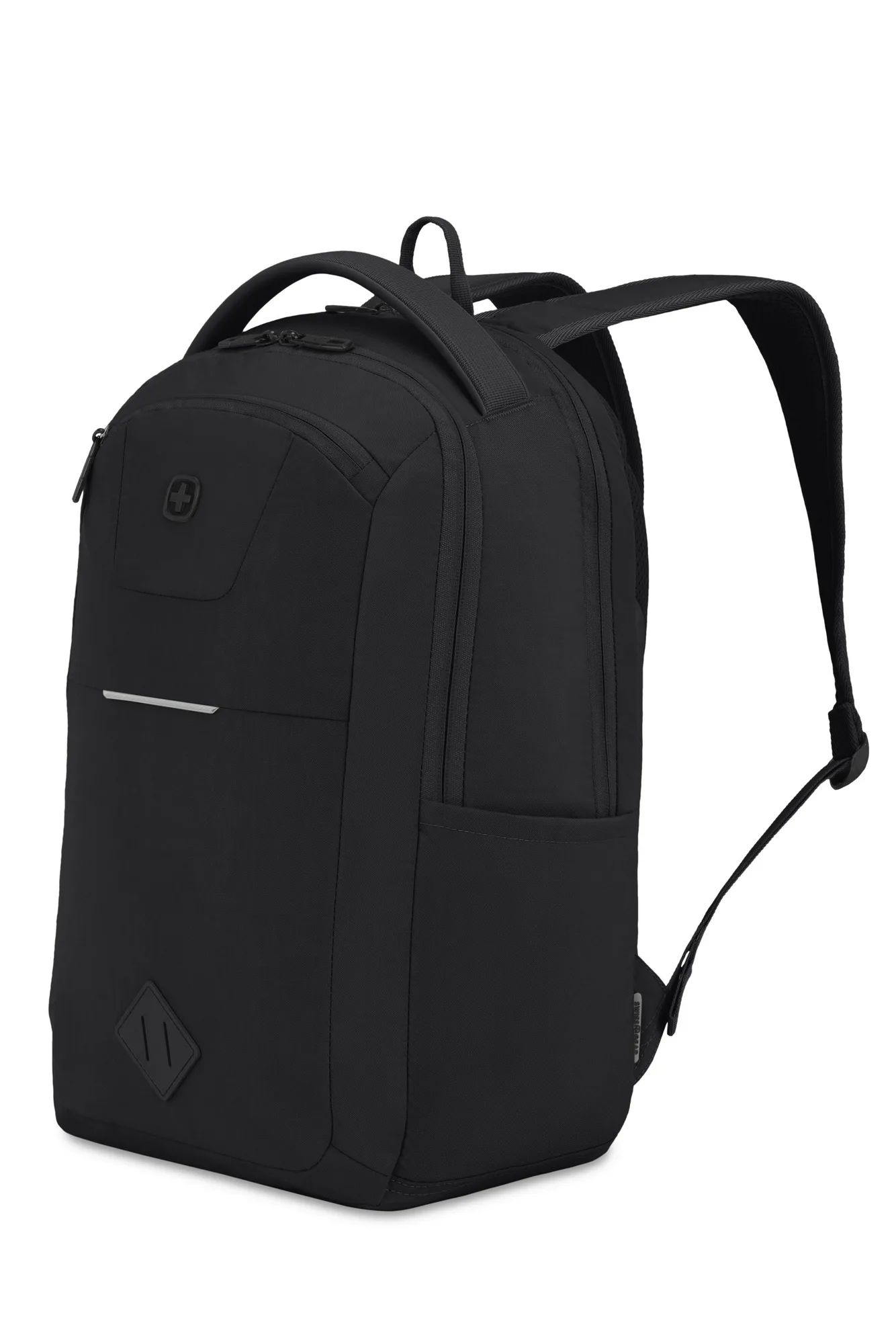
SWISSGEAR Campus Laptop Backpack
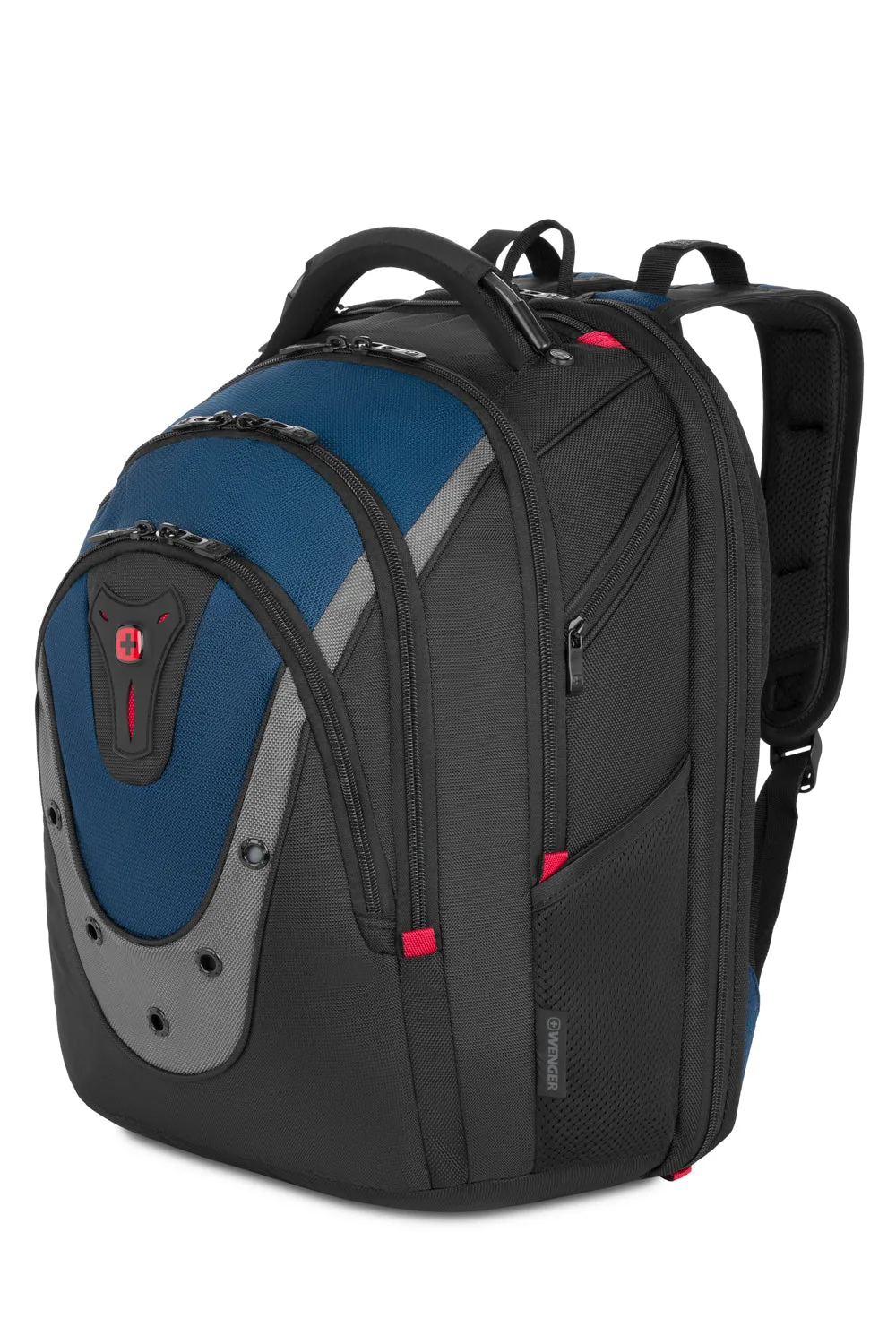
Extra padding adds bulk and can make a bag feel heavier before you put anything in it. The Wenger Ibex ScanSmart Laptop Backpack uses a Triple Protect padded laptop compartment and a dedicated tablet pocket. That structure makes sense if you carry both a laptop and a tablet and want drop protection for each. If you only carry one device, a simpler padded sleeve is often enough.
- Measure your laptop before buying; a 15-inch pocket will not comfortably fit a 16-inch device.
- A dedicated tablet sleeve is useful only if you actually carry a tablet.
Myth: ScanSmart is only for frequent flyers
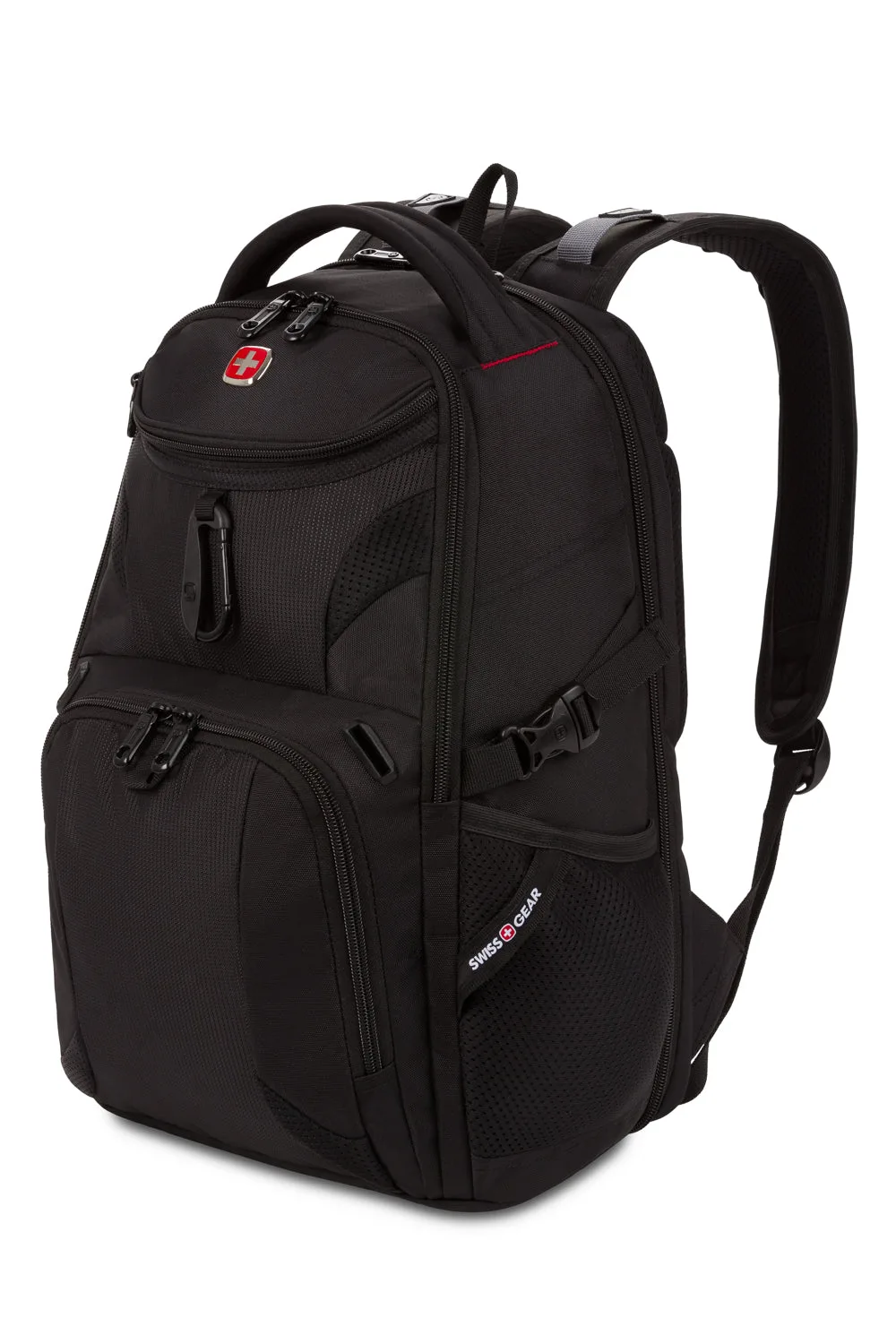
ScanSmart layouts are often described as airport features, but the design is also practical for daily commuting. The SWISSGEAR Mini 1900 ScanSmart Laptop Backpack has a back compartment that fully unzips and lays flat, so you can clear TSA without removing your laptop or tablet. If you commute through a security checkpoint, even occasionally, that saves time and reduces handling.
The same layout helps at home or in the office. Laying the bag flat gives you a clear view of the laptop sleeve and the main compartment, which includes a file pocket on the Mini 1900. If your commute never involves a checkpoint, a standard padded pocket is lighter and usually less expensive.
- Choose ScanSmart if you pass through security or want a flat-open packing layout.
- Skip it if you never remove your laptop from the bag during the day.
Myth: You need maximum capacity for daily commuting
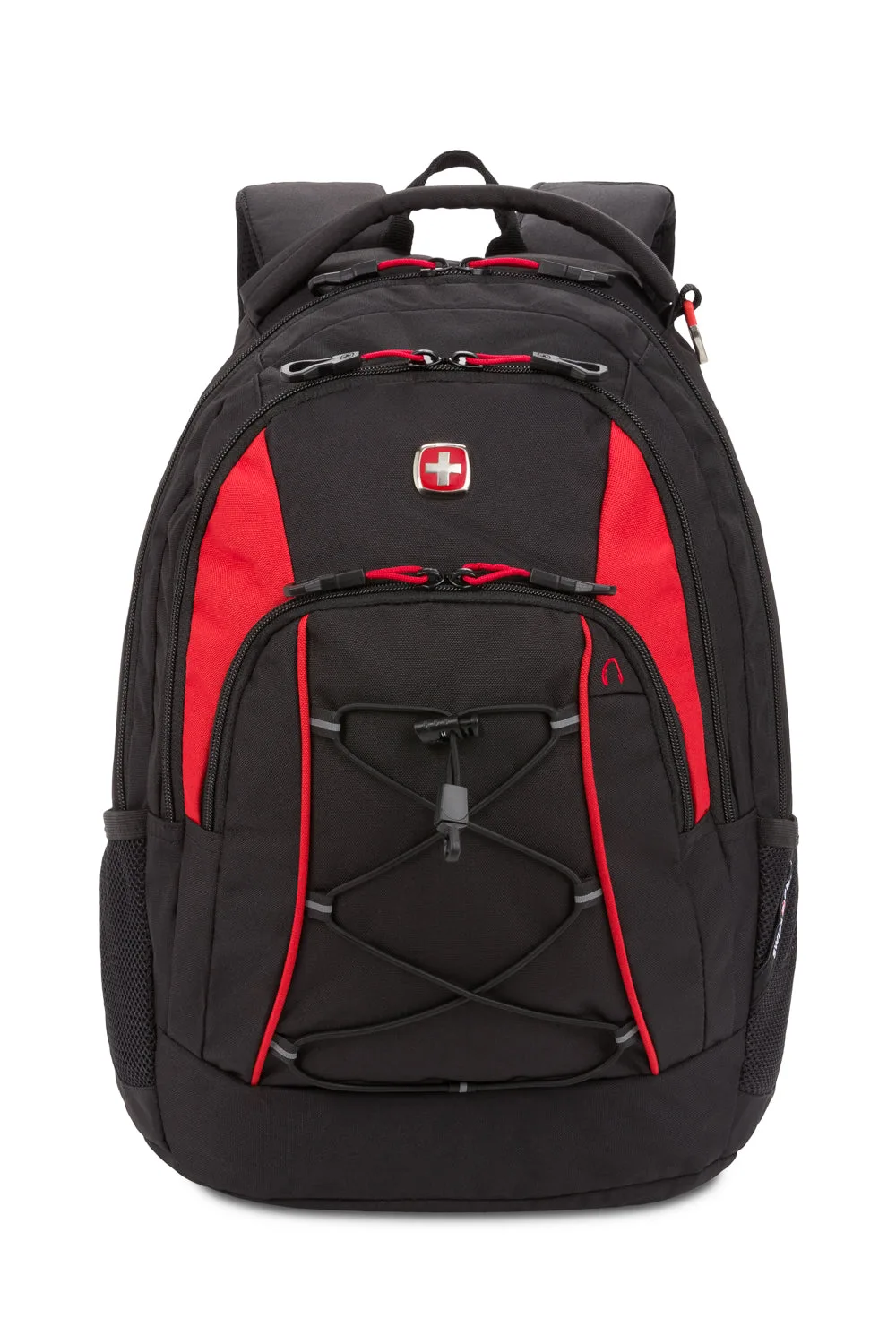
Daily commuting rewards restraint. The SWISSGEAR Bungee Core Laptop Backpack fits a 13-inch laptop in a padded pocket and adds a front bungee cord system for extra carrying capacity outside the main compartment. That external bungee is useful for a jacket or a small item you want to grab quickly, without making the main bag larger.
The SWISSGEAR Bloom Laptop Backpack takes a similar compact approach with a padded laptop compartment lined in soft velvet, plus dual slip pockets and a zippered accessory pocket in the main compartment. If your daily load is a laptop, a notebook, and a few small items, these smaller packs keep you organized without encouraging you to carry more than you need.
- Match capacity to your typical day, not to a worst-case trip you take twice a year.
- External bungee cords add flexibility without adding a second bag.
Myth: Anti-theft features are overkill for commuters
Anti-grab features target a real risk in crowded spaces. The SWISSGEAR Viibe Core Laptop Backpack uses anti-grab zipper pulls and sturdy nylon loops to protect against tampering, along with a discreet felt-lined pocket. On a packed bus or train, those details make it harder for someone to open your bag without you noticing.
That does not mean every commuter needs them. If you drive to work or carry your bag in front of you, standard zippers are fine. The value of anti-grab hardware depends on how often your bag is behind you in a crowd.
- Anti-grab zippers matter most in crowds where your bag is out of sight.
- A discreet pocket can keep a phone or transit card separate from main compartments.
Myth: A backpack is only as good as its laptop pocket
The laptop pocket gets the attention, but the rest of the layout decides whether the bag works daily. The SWISSGEAR Mini 1900 ScanSmart Laptop Backpack includes a spacious main compartment with a file pocket for papers and books, plus an RFID-protected organizer pocket. Those features matter if you carry documents or cards and want them separate from your laptop.
The Wenger Ibex ScanSmart Laptop Backpack adds an essentials organizer and a stabilizing base that lets the bag stand on its own. A bag that stands upright is easier to load and unload at a desk or locker. None of these features are mandatory, but they reduce daily friction if they match how you work.
- An RFID-protected organizer pocket is useful if you carry cards you want shielded.
- A stabilizing base helps when you load and unload the bag at a desk.
Myth Verdicts for Commuters
- More padding is always better: Padding protects your laptop, but extra padding adds bulk. A padded pocket sized to your device, like the 15-inch felt-lined pocket on the Viibe Core or the 16-inch padded pocket on the Campus, is enough for most commutes. Verdict: Match padding to your device size, not to a maximum.
- ScanSmart is only for frequent flyers: ScanSmart layouts unzip and lay flat, which helps at security checkpoints and when packing at a desk. If you never remove your laptop during the day, a standard padded pocket is lighter. Verdict: Worth it if you pass through security or want a flat-open layout.
- You need maximum capacity: Daily commuting rewards a compact pack. The Bungee Core fits a 13-inch laptop and adds a front bungee for overflow; the Bloom keeps a laptop, dual slip pockets, and a zippered accessory pocket organized. Verdict: Choose capacity for your typical day, not a rare trip.
- Anti-theft features are overkill: Anti-grab zipper pulls and nylon loops on the Viibe Core make tampering harder in crowds. If your bag stays in sight or you drive, standard zippers are fine. Verdict: Anti-grab hardware pays off in crowded transit, not everywhere.
- The laptop pocket is all that matters: The rest of the layout decides daily usability. The Mini 1900 adds a file pocket and RFID-protected organizer; the Ibex adds an essentials organizer and a stabilizing base. Verdict: Look at the whole layout, not just the laptop sleeve.
Catalog Facts That Matter
- SWISSGEAR Mini 1900 ScanSmart Laptop Backpack: Back ScanSmart compartment fully unzips and lays flat, allowing you to clear TSA without removing your laptop or tablet. Saves time at security and lets you see the whole bag when packing or unpacking.
- SWISSGEAR Viibe Core Laptop Backpack: Anti-Grab zipper pulls and sturdy nylon loops protect against tampering, with a felt-lined laptop pocket for devices up to 15 inches. Useful in crowded commutes where your bag is behind you and out of sight.
- Wenger Ibex ScanSmart Laptop Backpack: Triple Protect padded laptop compartment and dedicated tablet pocket prevent drop damage to personal tech. A better fit if you carry both a laptop and a tablet and want separate protection.
- SWISSGEAR Bungee Core Laptop Backpack: Large capacity main compartment with a padded pocket that fits a 13-inch laptop, plus a front bungee cord system. Compact for light daily loads, with external bungee storage for a jacket or small item.
The right commuter backpack is the one that matches your actual route, device size, and daily load. Use these verdicts to ignore features you will not use and prioritize the ones that solve a problem you have every day.