Quick answer
For most children ages 7–10 who want a low-frustration first textile craft, a latch hook kit is the easier starting point because the tool does the knotting for them. Choose a beginner sewing kit instead if your child is closer to 9–12, has the patience for threading and hand-eye precision, and wants a skill they can build on. If you are unsure, start with latch hook and move to sewing once they finish a full project.
How the two crafts actually differ
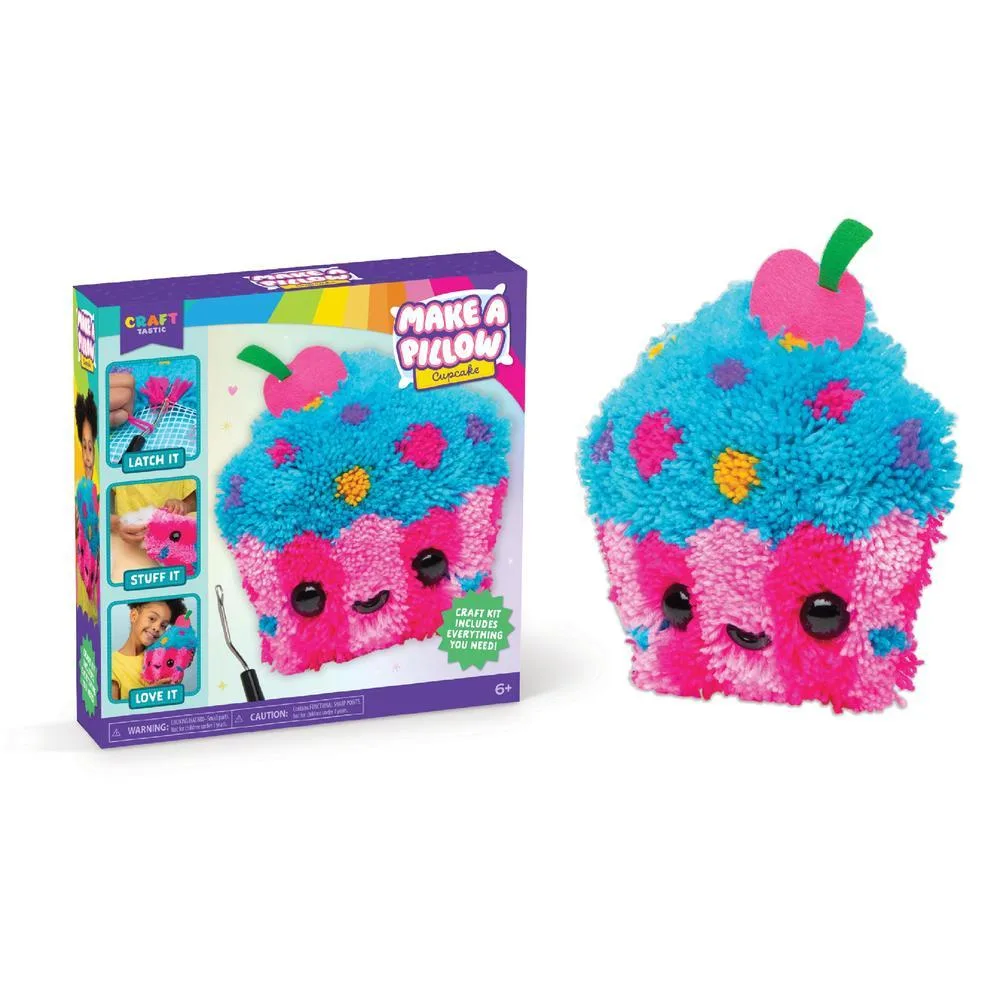
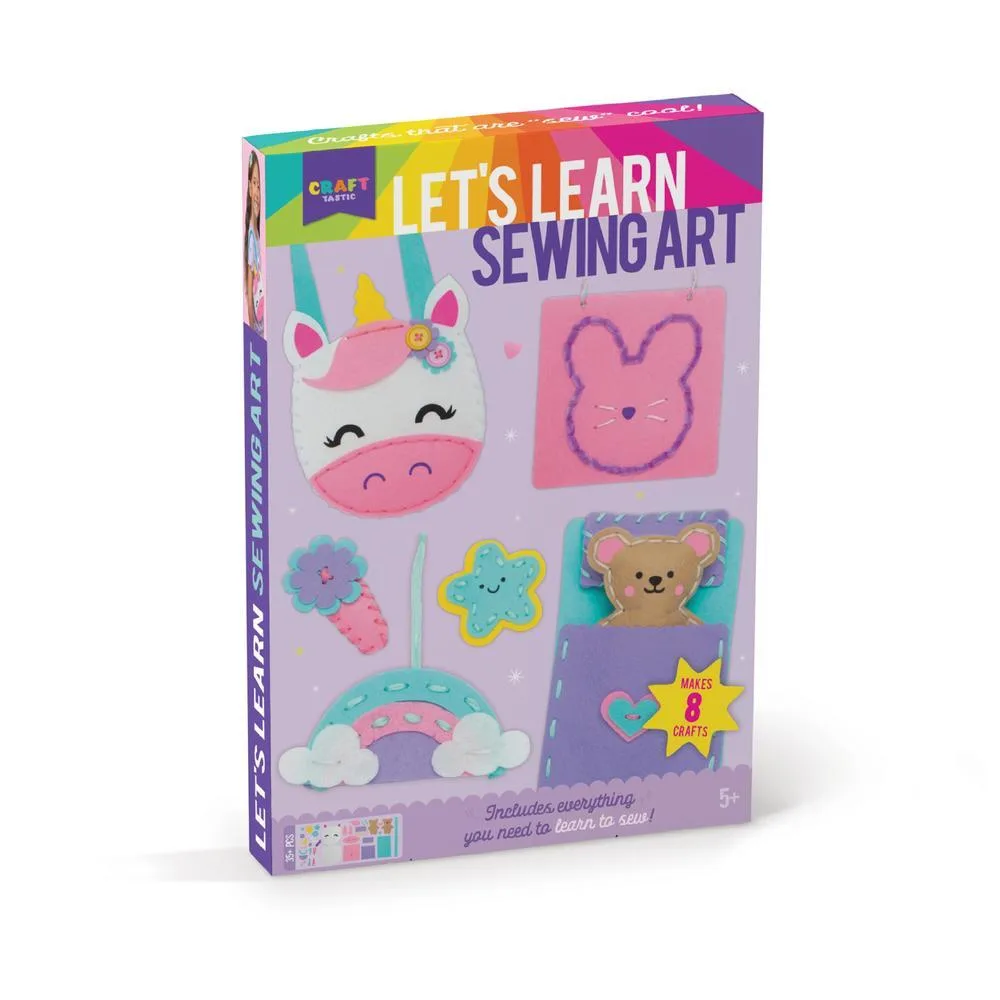
A latch hook kit gives you a pre-made grid canvas, pre-cut yarn strands, and a latch hook tool. The child pushes the hook through a hole, catches a strand, and pulls it into a simple knot. There is almost no measuring or cutting, so the main skill is rhythm and patience. A beginner sewing kit for kids typically asks the child to thread a needle, tie knots, and control stitch length. That is a bigger jump in fine-motor demand, but it teaches a transferable skill.
The practical result: latch hook projects tend to look tidy even when the child rushes, while sewing projects show uneven stitches early on. That difference matters for confidence. A child who gets discouraged by wobbly lines may thrive with latch hook; a child who wants to repair a doll dress or make a small pouch will find sewing more rewarding.
Time, mess, and supervision
Latch hook is a sit-down, contained activity. Yarn scraps stay near the canvas, and a project can be paused and resumed without re-threading anything. Expect a small coaster or patch to take a few sessions; a full pillow-sized canvas takes much longer. Sewing kits involve loose needles, thread, and scissors, so they need a cleared table and closer adult supervision until your child can handle a needle safely.
If you want a craft that works on car rides or at a kitchen table with minimal setup, latch hook wins. If you want a craft that builds real-world repair skills and can be done alongside an adult who sews, a beginner sewing kit is the better fit.
What to check before buying either kit
Look at the finished project, not just the age on the box. A kit that makes a small, useful item (a coaster, a pouch, a patch) gives faster feedback than a large canvas or a full garment. For sewing, confirm the kit includes a blunt or large-eye needle and pre-punched holes if your child is under 9; for latch hook, confirm the yarn is pre-cut, because cutting hundreds of strands yourself turns a fun project into a chore.
Also check whether the kit can be restarted. Latch hook knots pull out easily, so mistakes are low-stakes. Sewing mistakes often mean unpicking thread, which is a patience test. Pick the craft whose mistake-recovery matches your child's temperament.
Trade-offs at a glance
- Fine-motor demand: Latch hook uses one repetitive motion with a tool; sewing requires threading, knotting, and stitch control. Choose latch hook for younger or easily frustrated kids; choose sewing for kids who already tie shoes and handle small beads.
- Project time and payoff: Latch hook can produce a small finished piece in a few sittings; sewing projects often take longer before they look neat. If your child needs quick wins, start with a small latch hook project.
- Skill transfer: Sewing teaches a practical repair skill; latch hook is mostly a craft skill. Pick sewing if the goal is learning to mend; pick latch hook if the goal is a calm, screen-free hobby.
Two kits that show the difference
- CRAFT-TASTIC LET’S LEARN TO KNIT: CRAFT-TASTIC LET’S LEARN TO KNIT is a screen-free arts and crafts activity for kids, positioned as a beginner knitting kit and a gift option. It is a third textile option: knitting sits between latch hook and sewing in fine-motor demand, so it can be a bridge if your child likes yarn but is not ready for a needle and thread.
- Craft-tastic: Let’s Learn – Pipe Cleaner Art: Craft-tastic: Let’s Learn – Pipe Cleaner Art uses colorful pipe cleaners and a special wrapping tool, with techniques that move from simple designs to 3D flowers. It is a lower-commitment way to test whether your child enjoys structured hand crafts before you invest in a full sewing or latch hook project.
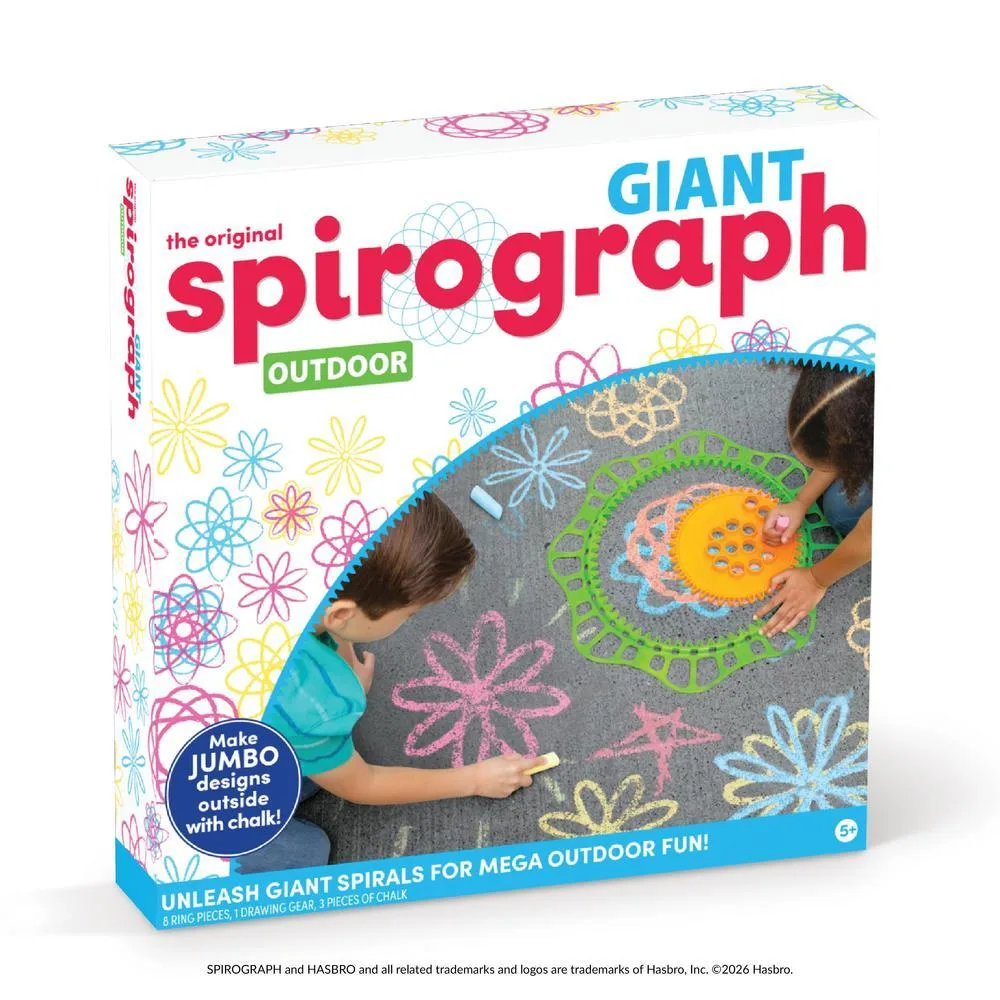
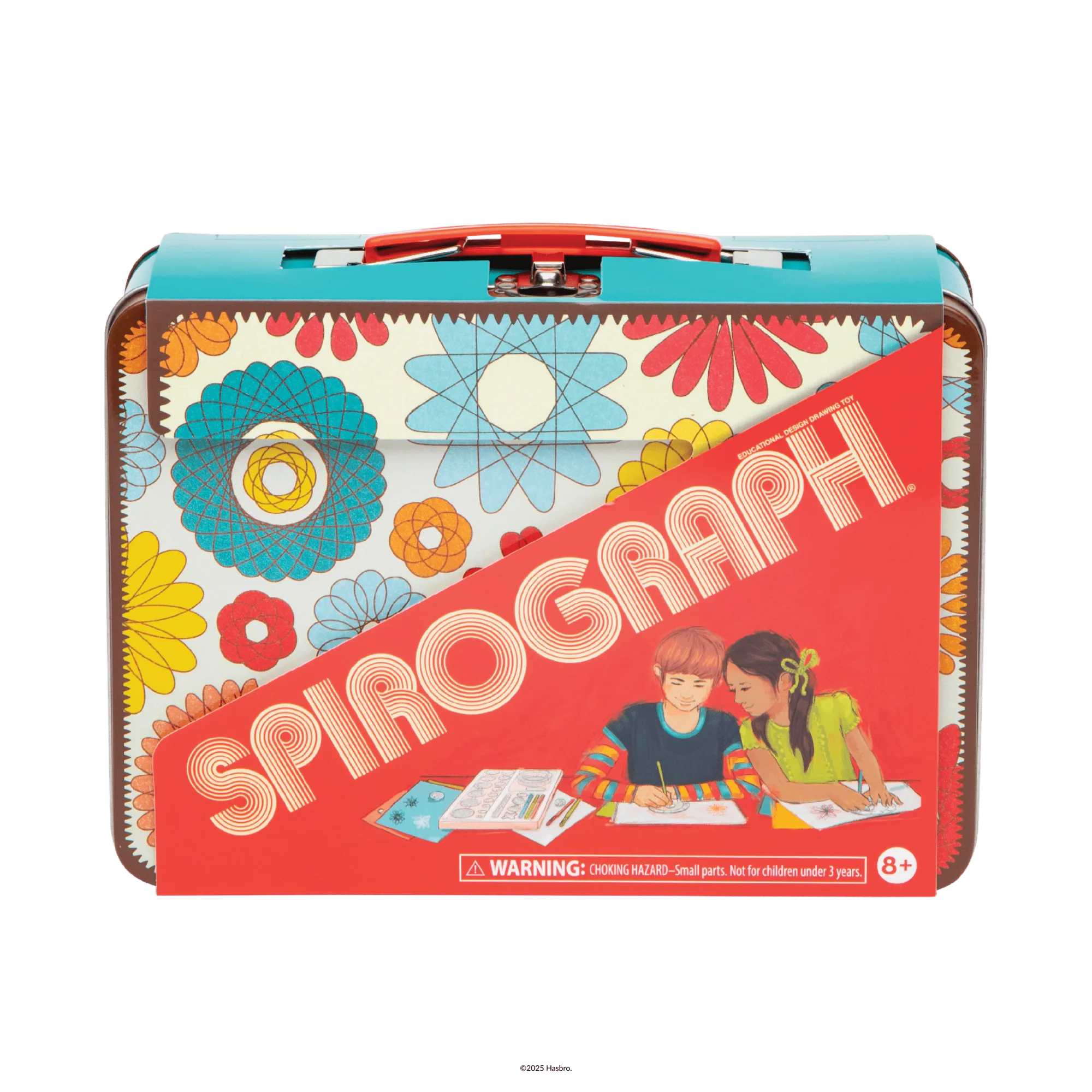
- SPIROGRAPH LUNCHBOX: SPIROGRAPH LUNCHBOX is a retro spiral-art kit with wheels and gears that work with most standard pens, markers, and pencils, and it stores in a lunchbox. If your child prefers drawing over textile work, this is a portable alternative that still builds fine-motor control without needles or yarn.
Which should you buy?
Best for
- Children ages 7–10 who want a first textile craft with minimal frustration
- Kids who need a screen-free, quiet activity they can pause and resume
- Families who want a contained project with no loose needles
Not for
- Children who specifically want to learn to mend or sew clothes
- Kids under 6, since both crafts involve small parts and require adult supervision
- Crafters who want a fast, one-session project