Quick answer
Most latex underwear discomfort comes from one of three fixable causes: a fit that is too small, skin that is damp or hairy where the latex drags, or wearing a single-use pair past its intended session. Start by checking the size against your hip measurement, apply a thin water-based lubricant only where the material pulls, and treat any burning or rash as a stop signal rather than something to push through.
Separate the symptom from the cause before you change anything
Discomfort is not one problem. A pinch at the leg opening points to sizing or how you pulled the pair on. A burning sensation that builds over minutes points to friction or a reaction and needs a different response. A pair that felt fine for twenty minutes and then starts to dig usually means the material has stretched and bunched rather than that the size is wrong. Write down where it hurts, when it started, and what you were doing, because that short note decides which fix below applies.
Fix fit problems without sizing up blindly
Sheer latex underwear is meant to sit close, so some compression is normal. The test is whether the leg openings roll, the waistband leaves a deep red line that lasts after removal, or you feel a pulse-like pinch at the crease of the hip. If any of those happen, the pair is likely too small or has been pulled up unevenly. Roll the garment on rather than yanking it, smooth the leg bands flat against the skin, and check that the crotch panel sits where it should. If the same pair still pinches after that, move up a size rather than layering lubricant over a fit problem.
If you are between sizes, choose based on hip measurement rather than clothing size, and remember that a looser pair can shift during movement. A pair that migrates is its own kind of discomfort, so the goal is a close fit that stays put, not the smallest size that goes on.
Stop chafing at the source
Chafing usually happens where latex meets skin that is damp, freshly shaved, or covered in lotion. Residue from body lotion or oil-based products can make the material drag and degrade, so skip those on the area the underwear covers. A small amount of water-based lubricant along the leg openings and inner thigh can reduce drag, but keep it off the outer surface if you need grip. Trim rather than shave close on the day you wear latex if your skin is sensitive, and pat the area fully dry before putting the pair on.
Time matters too. Single-use latex underwear is designed for a session, not a full day. If chafing appears after a long wear, the fix is a shorter wear window, not a thicker lubricant layer.
Know when irritation means stop
Latex allergy is real, and it does not look like ordinary chafing. Watch for itching that spreads beyond the contact area, hives, swelling, or shortness of breath. Those are stop-now signs: remove the pair, wash the area with cool water, and seek medical advice. A mild red line that fades within an hour is usually pressure, not allergy. If you have had a reaction to latex before, do not test it with a sheer pair; choose a non-latex barrier instead.
A urinary tract infection or yeast infection after wear is another reason to reassess. Single-use latex underwear is not a substitute for condoms for STI protection unless the product is labeled for that use, so check the specific product's stated purpose before relying on it.
Match the product to the job
If your discomfort comes from wearing a protection pair for sensation-focused play, the mismatch is the product, not your body. Lorals makes both protection and pleasure versions, and the intended use differs. Use the protection version when blocking bodily fluids and pathogens is the goal, and the pleasure version when sensation and mess-free oral are the priority. Neither is designed for all-day wear, and neither replaces a condom for penetrative STI protection unless the label says so.
Comfort diagnosis
- Pinching or deep red lines at the leg openings: Likely a fit issue: the pair is too small or was pulled on unevenly. Roll it on, smooth the bands, and if the pinch persists, size up based on hip measurement. If a larger size still pinches in the same spot, the cut may not suit your body shape; try a different style.
- Burning or dragging that builds during wear: Likely friction from damp skin, lotion residue, or hair. Dry the area fully, skip oil-based products, and apply a thin water-based lubricant only where the material pulls. If burning starts within minutes and does not ease after removal, treat it as a possible reaction and stop.
- Itching, hives, swelling, or trouble breathing: Possible latex allergy. Remove the pair immediately, wash with cool water, and seek medical advice. Do not try another latex product. This is a stop signal, not a fit problem.
- Discomfort only after a long wear: Single-use latex underwear is not built for all-day wear. Shorten the session and change to a fresh pair if you continue. If you need all-day protection, choose a product designed for extended wear.
Product facts that affect comfort
- Protection Shorties in Sheer (4-Pack): Protection Shorties in Sheer (4-Pack) are FDA-cleared, single-use latex undies that block bodily fluids and pathogens during cunnilingus and rimming. The protection layer is the point, so if you feel irritation, check that you are not wearing them beyond a single session or over lotion.
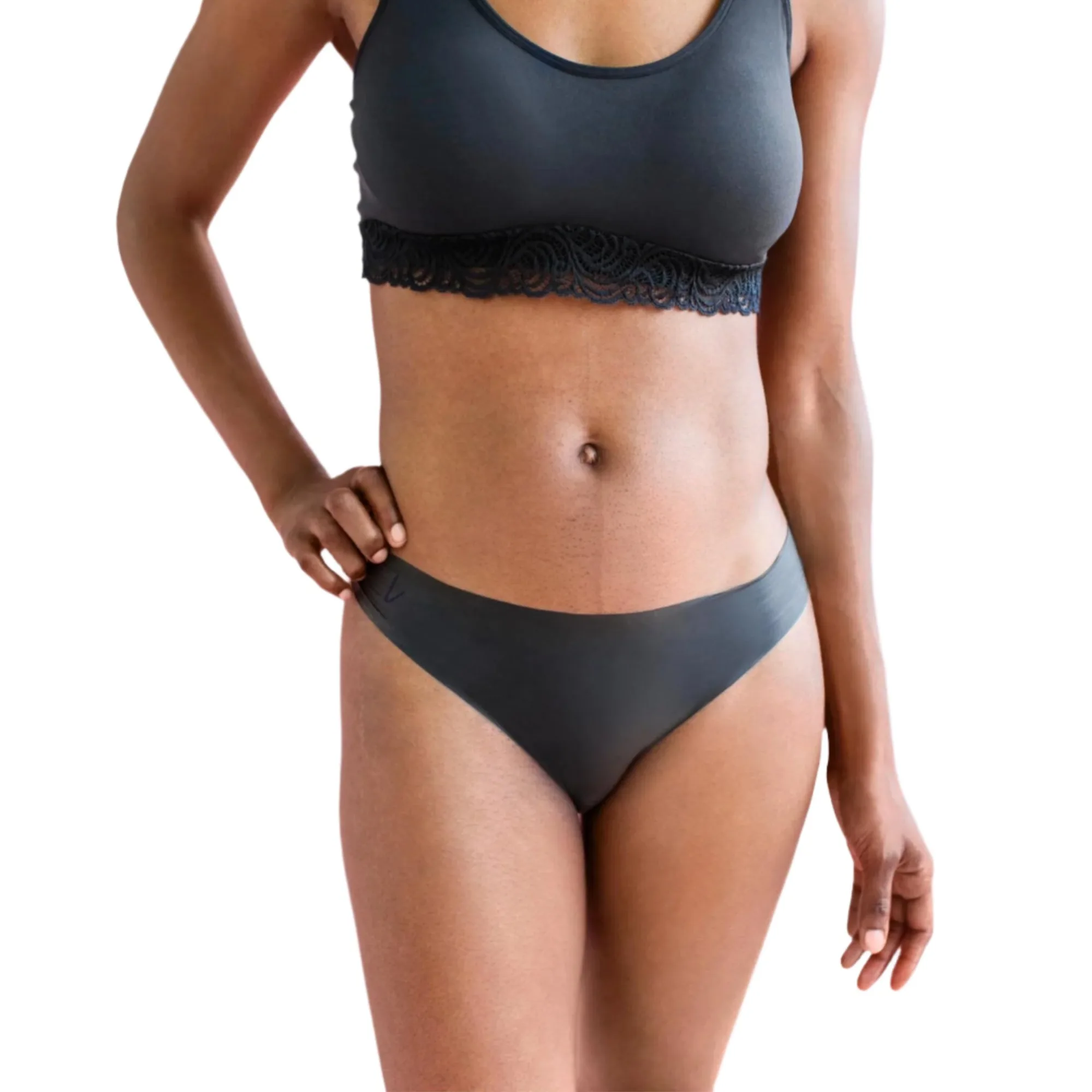
- Protection Shorties in Sheer: Protection Shorties in Sheer are ultra-thin, silky-smooth, and high-coverage, fitting like lingerie. A high-coverage cut can feel tight at the leg openings if you size down; use the leg-band check before deciding the material is the problem.
- Pleasure Shorties in Sheer: Pleasure Shorties in Sheer are ultra-thin and stretchy but are not for STI protection. If your goal is protection, choosing this pair will not solve the discomfort of feeling unprotected; match the product to the job first.