As a barber, your hands are your most valuable tools. They grip clippers, hold combs, and apply chemicals—all while staying protected and hygienic. That's why choosing the right gloves is more than a minor decision; it's a daily necessity that affects your comfort, safety, and client experience.
Two of the most common glove materials are latex and nitrile. Both have their loyal fans, but they differ in key ways that can influence your choice. In this comparison, we'll break down the differences in durability, comfort, allergy potential, and cost, so you can decide which glove is the best fit for your barbering routine.
Why Gloves Matter in Barbering
Gloves are essential for maintaining hygiene and protecting both you and your clients from cross-contamination. Whether you're performing a precision fade, applying color, or using chemical treatments, gloves create a barrier that prevents the spread of bacteria and chemicals. They also protect your hands from harsh products and keep your grip secure on tools.
With the rise of professional grooming services, clients expect a high standard of cleanliness. Wearing gloves not only meets those expectations but also demonstrates professionalism. The right glove material can enhance your dexterity, reduce hand fatigue, and even improve your grip on clippers and trimmers, which is crucial for intricate work.
- Gloves protect against chemical exposure from dyes, bleaches, and disinfectants.
- They prevent the transfer of oils and bacteria between clients.
- A good grip reduces the risk of dropping tools, improving efficiency.
Latex Gloves: Pros and Cons
Latex gloves have been a staple in the industry for decades. Made from natural rubber, they offer excellent elasticity and a snug fit that allows for high tactile sensitivity. This makes them a favorite for tasks that require precision, such as detailed fading or intricate trimming. Latex also provides a comfortable, form-fitting feel that many barbers compare to a second skin.
However, latex has a significant drawback: allergies. Natural rubber latex contains proteins that can cause allergic reactions in some people, ranging from mild skin irritation to severe anaphylaxis. This is a concern not only for you but also for your clients. Additionally, latex breaks down when exposed to oils, petroleum-based products, and some chemicals, which can limit its use in certain barbering services.
- Excellent elasticity and fit for precise work.
- High tactile sensitivity for detailed tasks.
- Prone to allergic reactions and degradation from oils.
Nitrile Gloves: Pros and Cons
Nitrile gloves are a synthetic alternative made from a rubber compound. They are highly resistant to punctures, chemicals, and oils, making them a durable choice for barbers who work with harsh substances. Nitrile also offers comparable tactile sensitivity to latex, although some users find it slightly less flexible. It is also latex-free, making it a safe option for those with latex allergies.
The main downside of nitrile is that it can be less comfortable for extended wear, as the material is less breathable than latex. Some barbers also find that nitrile gloves have a looser fit, which can reduce dexterity. However, modern manufacturing has improved the comfort and fit of nitrile gloves, and they are now available in various thicknesses and textures to suit different preferences.
- Superior resistance to punctures, chemicals, and oils.
- Latex-free, reducing allergy risks for you and clients.
- May be less breathable and slightly less flexible than latex.
Comfort and Fit: Which Glove Feels Better?
Comfort is subjective, but there are clear differences in how latex and nitrile gloves feel. Latex gloves typically conform more closely to the hand, providing a 'second skin' sensation that many barbers love. This close fit enhances tactile feedback, which is crucial when you're doing precise cuts or feeling for split ends. On the other hand, nitrile gloves, especially those with a textured grip, offer good comfort but may feel slightly stiffer initially.
For barbers who work long hours, hand fatigue is a real concern. Latex gloves are often preferred for their flexibility, but they can cause sweating, which leads to discomfort. Nitrile gloves are more breathable, reducing perspiration, but they can feel tighter if you choose a size that's too small. Ultimately, the best way to determine comfort is to try both types and see which feels better for your hand shape and work style.
- Latex offers a snug, flexible fit with high tactile sensitivity.
- Nitrile provides better breathability and less sweating.
- Try different brands and sizes to find your ideal fit.
Durability and Resistance: Which Glove Lasts Longer?
Durability is a key factor when choosing gloves, as you don't want them tearing mid-service. Nitrile gloves are renowned for their puncture resistance and are more durable than latex, especially when exposed to chemicals and oils. They are less likely to rip or degrade, making them a reliable choice for heavy-duty tasks like applying strong chemicals or cleaning tools.
Latex gloves, while strong in their own right, are more susceptible to damage from oils and petroleum-based products. They can also degrade over time when exposed to UV light or heat. For barbers who frequently use chemical treatments or work with sharp tools, nitrile gloves offer superior protection and longevity, reducing the need for frequent glove changes.
- Nitrile offers superior puncture and chemical resistance.
- Latex is more prone to degradation from oils and heat.
- Choose nitrile for heavy-duty or chemical-heavy services.
Allergies and Safety: A Critical Consideration
Allergies are a major concern in the barbering industry. Latex allergies can be severe and are a growing issue among both professionals and clients. If you or any of your clients have a latex allergy, nitrile is the obvious choice. Nitrile gloves are completely latex-free and reduce the risk of allergic reactions, making them a safer option for everyone.
Even if you don't have a latex allergy, it's important to consider the potential for developing one over time. Prolonged exposure to latex proteins can increase sensitivity. Switching to nitrile gloves can help prevent this. Additionally, some clients may ask for latex-free gloves during services, so having nitrile alternatives on hand is a smart practice.
- Latex allergies can be severe and develop over time.
- Nitrile is latex-free, making it safer for all users.
- Offer nitrile gloves to clients with known allergies.
Cost Comparison: Which Glove Is More Affordable?
Cost is always a factor in business decisions. Generally, latex gloves are less expensive than nitrile gloves, which can be appealing for barbers on a budget. However, the price difference has narrowed in recent years, and the durability of nitrile can offset the higher upfront cost. Since nitrile gloves are more resistant to tearing and chemical damage, you may use fewer gloves over time, saving money in the long run.
When comparing costs, also consider the quality and thickness of the gloves. Thicker gloves, whether latex or nitrile, cost more but offer better protection. It's worth investing in a reliable brand to avoid frequent replacements. Some barbers find that using nitrile gloves for chemical services and latex for simple cuts balances cost and safety effectively.
- Latex gloves are typically cheaper upfront.
- Nitrile's durability can reduce overall costs.
- Invest in quality to avoid frequent glove changes.
Environmental Impact: Latex vs. Nitrile
Environmental consciousness is becoming more important in all industries, including barbering. Latex gloves are biodegradable since they come from natural rubber, which is a renewable resource. This makes latex a more eco-friendly option in terms of disposal. However, the processing of latex can involve chemicals that have environmental impacts.
Nitrile gloves are synthetic and not biodegradable, which means they contribute to landfill waste. However, some manufacturers are developing more sustainable nitrile options, such as gloves made from recycled materials. While latex has an edge in biodegradability, the long-term environmental impact depends on how the gloves are produced and disposed of. Barbers who prioritize sustainability may lean toward latex, but they should also consider the allergy risks.
- Latex is biodegradable and made from renewable resources.
- Nitrile is not biodegradable but may be recyclable in some programs.
- Consider your priorities: eco-friendliness vs. allergy safety.
Making the Right Choice for Your Barbering Needs
So, which glove should you choose? It depends on your specific needs and preferences. If you have no latex allergies and prioritize tactile sensitivity and cost, latex gloves may be your best bet. They are ideal for precision work and are generally more affordable. However, if you work with chemicals, need maximum durability, or want to avoid allergy risks, nitrile gloves are the safer and more practical choice.
Many barbers keep both types on hand, using latex for simple cuts and nitrile for chemical services. This approach allows you to enjoy the benefits of each while minimizing drawbacks. Ultimately, the best glove is one that fits well, feels comfortable, and meets the safety requirements of your services.
- Assess your typical services: chemical treatments vs. simple cuts.
- Consider your own allergies and those of your clients.
- Try different brands to find the best fit and feel.
Top Glove Recommendations for Barbers
While we don't sell gloves directly, we understand that finding the right gear is essential. To enhance your barbering experience, consider investing in high-quality tools that complement your glove choice. For instance, the XCeed Professional Hair Trimmer offers precision and comfort, making it easier to work with gloves on. Its ergonomic design reduces hand fatigue, allowing you to focus on your craft.
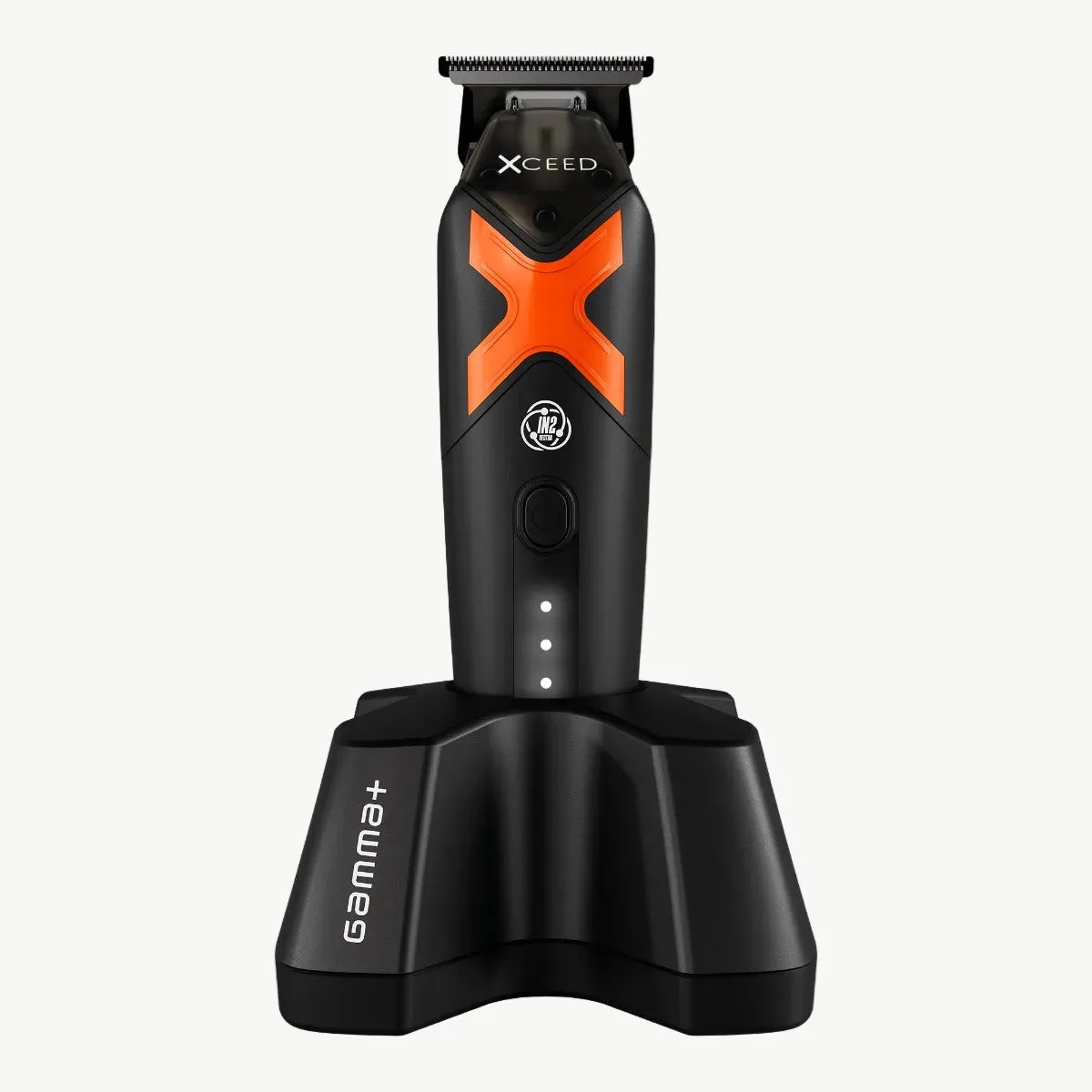
XCeed Professional Hair Trimmer
Another great addition to your toolkit is the Boosted Up Professional Hair Clipper, which is designed for performance and durability. Whether you're using latex or nitrile gloves, these tools can help you deliver exceptional results. Remember, the right gloves and tools work together to ensure safety, comfort, and professionalism in every service.
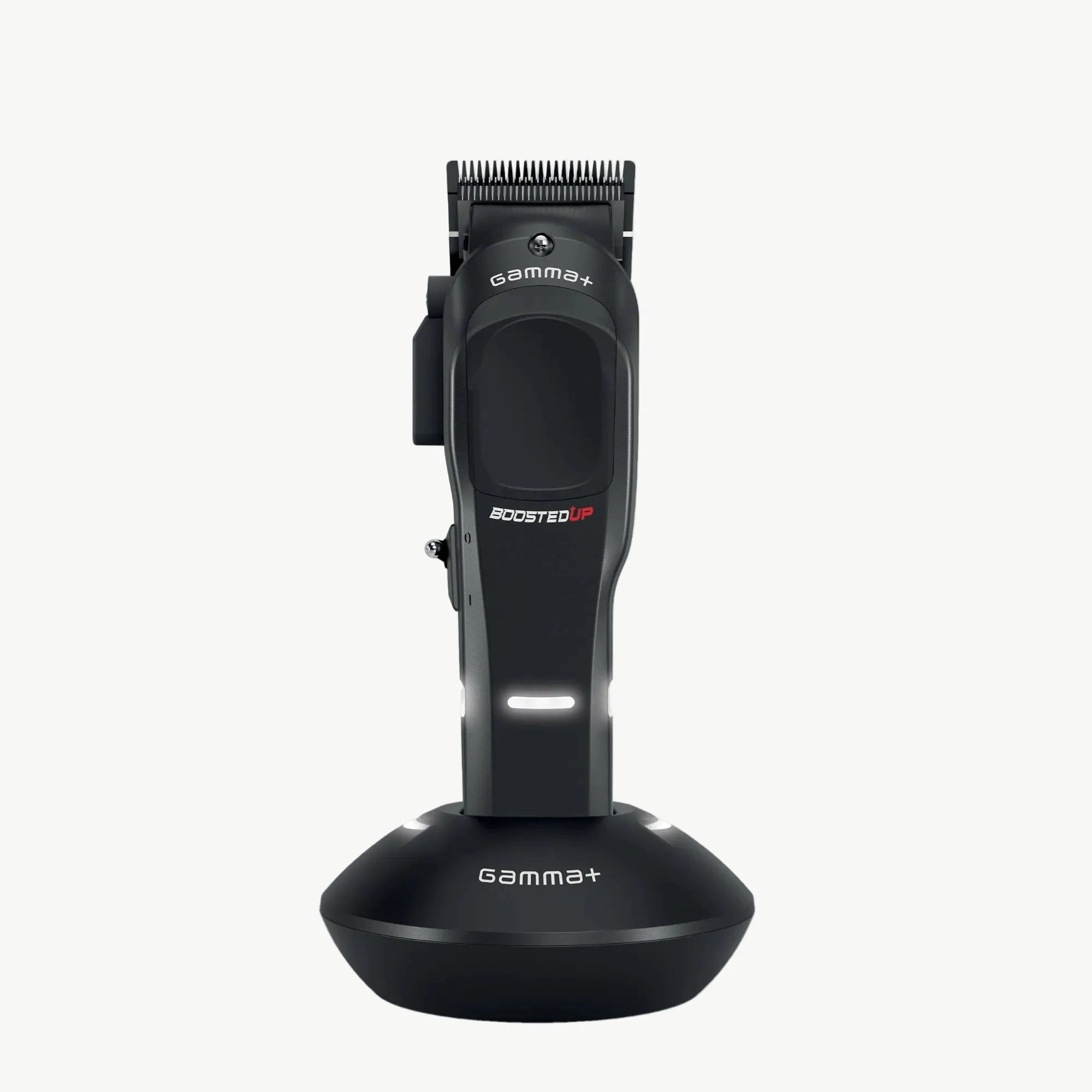
Boosted Up Professional Hair Clipper
- Pair your gloves with ergonomic tools to reduce strain.
- Invest in quality equipment for better performance.
- Keep a variety of gloves for different services.
In the end, the choice between latex and nitrile gloves comes down to your personal needs, allergy concerns, and the type of services you provide. Both materials have their strengths and weaknesses, and the best approach is to evaluate your priorities and try both. By making an informed decision, you can ensure safety, comfort, and professionalism in your barbering practice. For more tips on selecting the right gear, explore our range of professional tools like the XCeed Professional Hair Trimmer to elevate your craft.