Quick answer
For most people washing cloth pads at home, unscented laundry detergent sheets are the simpler, lower-waste choice: they are pre-measured, plastic-free, and easy to store. Powder works well too, especially for large loads or very hard water, but it can leave residue if it does not dissolve fully. If you want a straightforward routine with less measuring and no plastic jug, choose detergent sheets like those from GladRags.
How detergent sheets and powder actually clean cloth pads
Cloth pads need a detergent that lifts blood and discharge from fabric without leaving behind irritants. Detergent sheets are thin, pre-measured strips that dissolve in the wash. They typically contain surfactants and enzymes in a concentrated form. Powder detergents are loose granules that you scoop or pour; they also rely on surfactants and builders, and many contain enzymes. The main practical difference is how they behave in your machine: sheets dissolve quickly in most water temperatures, while powder can clump or leave residue if the water is cold or the cycle is short.
Why unscented matters for reusable pad washing
Cloth pads sit against sensitive skin, so any detergent residue or added fragrance can cause irritation. Unscented formulas reduce that risk. GladRags Laundry Detergent Sheets are unscented and free from dyes, parabens, phosphates, phthalates, and fillers. That matters because pads are washed frequently and worn directly against the body. If you use powder, check that it is free of optical brighteners and heavy fragrance, and consider running an extra rinse cycle to remove any leftover detergent.
Water temperature, rinsing, and residue
Powder detergents often need warmer water to dissolve completely. If you wash pads in cold water to protect the fabric and elastic, powder may not fully dissolve, leaving a chalky film that can reduce absorbency over time. Detergent sheets are designed to dissolve in cold, warm, or hot water, so they are more forgiving if you prefer cold washes. That said, very hard water can reduce the effectiveness of any detergent; if you have hard water, you may need a water softener or a slightly larger piece of a sheet. Always check your pad care instructions for temperature guidance.
Storage, mess, and plastic waste
Powder comes in a cardboard box or plastic tub. It can spill, clump in humid bathrooms, and require a scoop that may be lost. Detergent sheets are flat, lightweight, and store in a small compostable or recyclable sleeve. They are also easy to pack for travel or camping, which fits well with a reusable pad routine. If you already have a favorite powder and a dry storage spot, powder can be cost-effective for large families. But for small households or shared laundry spaces, sheets take up less room and create less mess.
Cost per wash and long-term value
Powder is often cheaper per load if you buy in bulk, but you need to measure correctly to avoid overwashing or underdosing. Detergent sheets cost more per wash in many cases, but they eliminate overpouring and plastic jugs. For cloth pads, which are a long-term investment, the difference in cost per wash is usually small compared to the cost of replacing pads damaged by residue or harsh chemicals. Choose based on your budget and how much convenience you want.
Trade-offs at a glance
- Dissolving speed: Detergent sheets dissolve quickly in cold, warm, or hot water, while powder may need warmer water and a longer cycle to fully dissolve. If you wash in cold water, sheets are the safer bet for preventing residue.
- Residue and skin sensitivity: Unscented sheets leave less residue because they are pre-measured and free of fillers; powder can leave a film if you use too much or the water is hard. For sensitive skin, choose unscented sheets and consider an extra rinse.
- Cost and packaging: Powder is often cheaper per load but comes in plastic or cardboard; sheets cost more per wash but use minimal, plastic-free packaging. Pick powder for bulk savings, sheets for convenience and lower waste.
- Storage and travel: Sheets are flat, lightweight, and mess-free; powder can spill, clump in humidity, and needs a scoop. Sheets are easier to store in small spaces and to pack for travel.
Products that fit this comparison
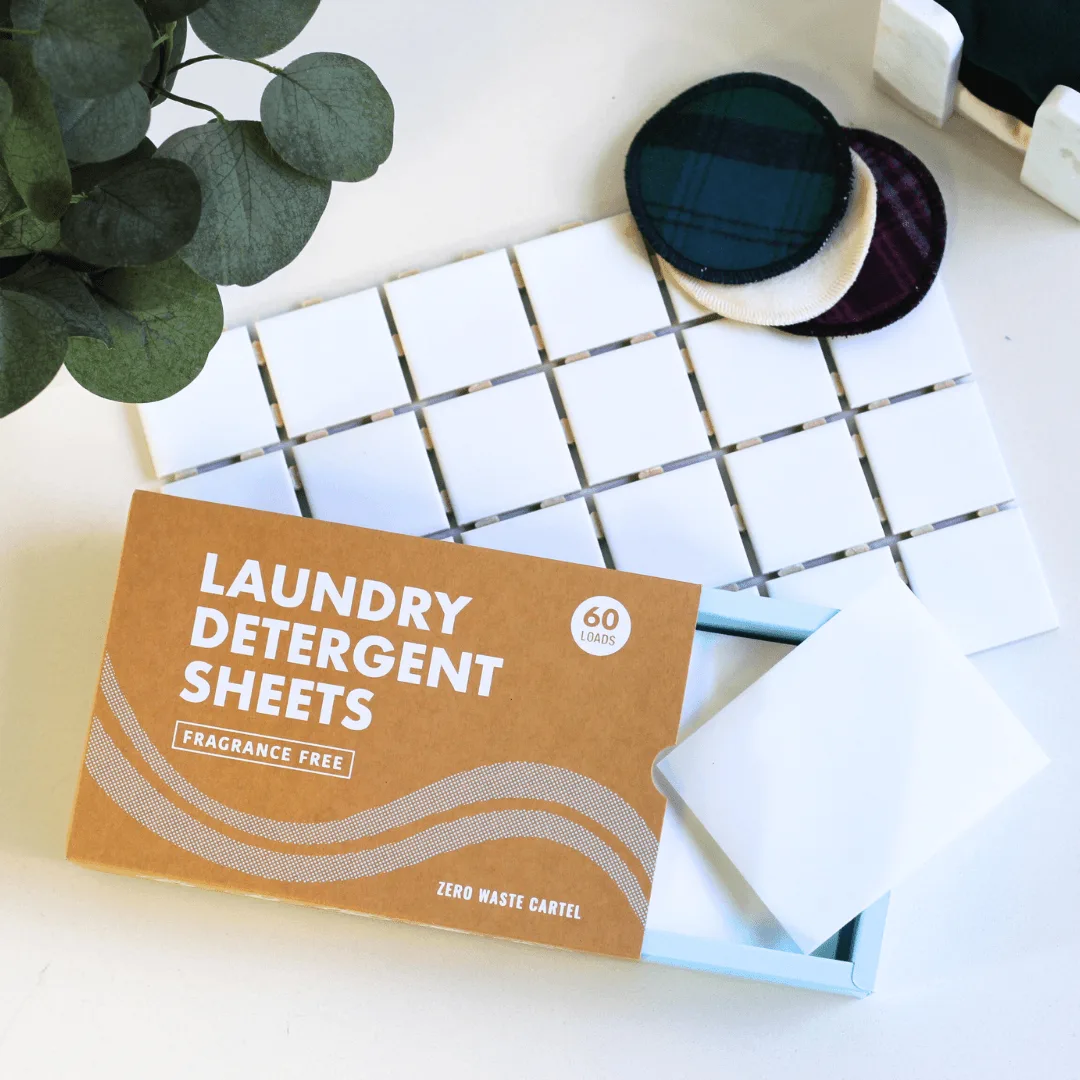
- Laundry Detergent Sheets: Unscented Laundry Detergent Sheets from Zero Waste Cartel are plastic-free, non-toxic, and free from dyes, parabens, phosphates, phthalates, and fillers. These sheets are pre-measured and dissolve easily, making them a low-residue option for washing cloth pads without fragrance or plastic waste.
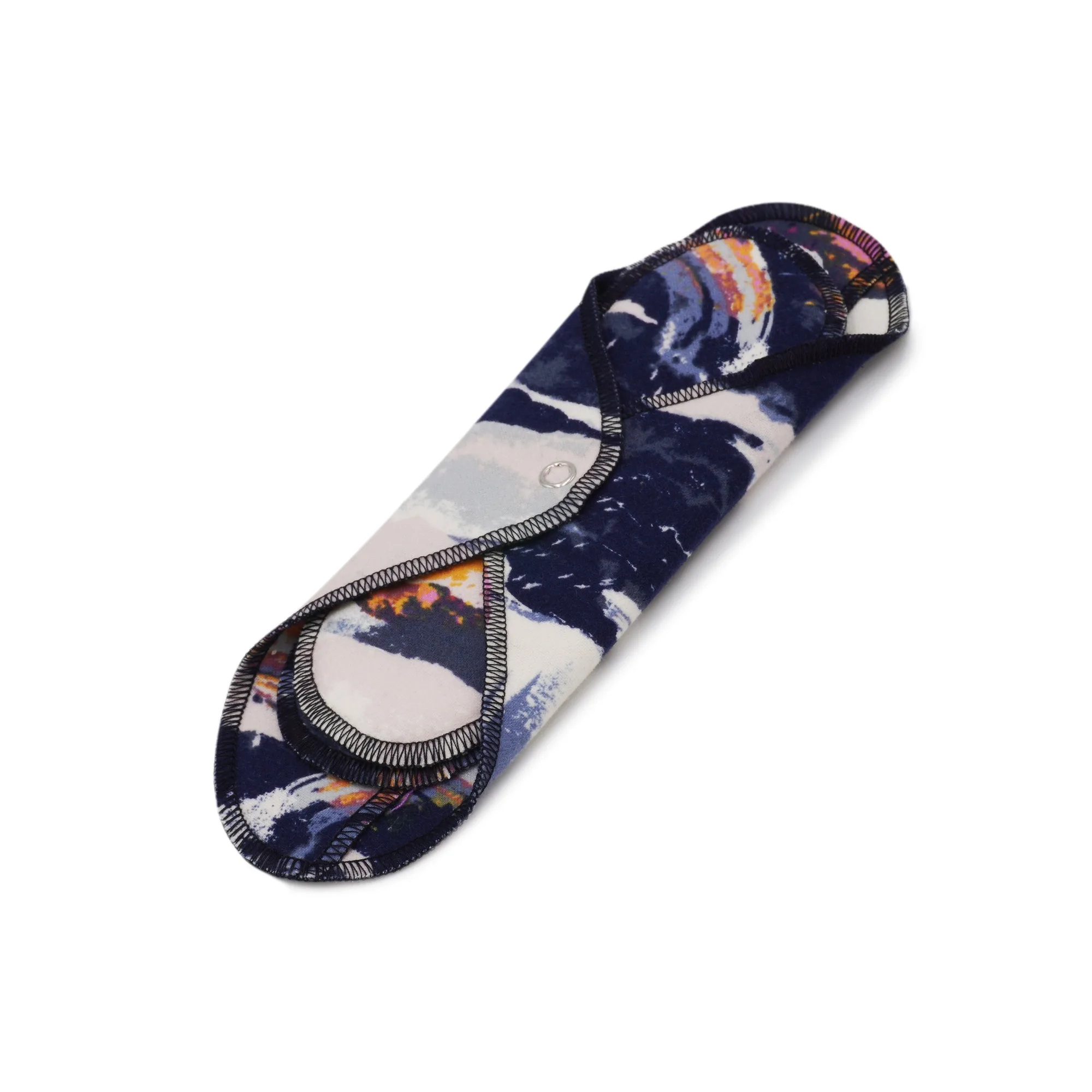
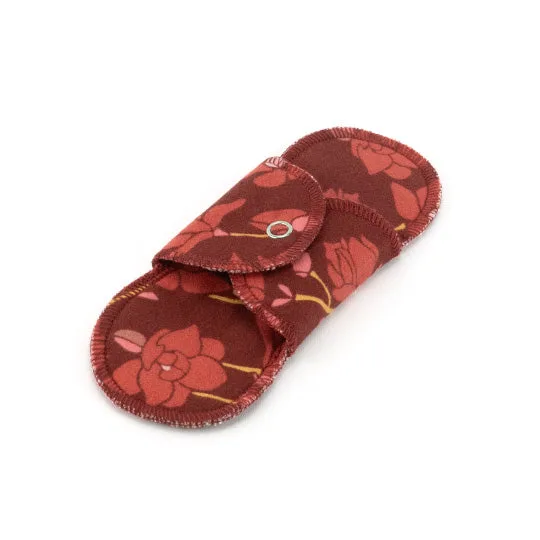
- The Day Pad: The Day Pad comes with two inserts, allowing you to use one for light flow days or two for absorbency equal to a standard maxi pad. Because the pad is customizable, you can wash it with a gentle detergent that preserves the inserts' absorbency and shape over many cycles.
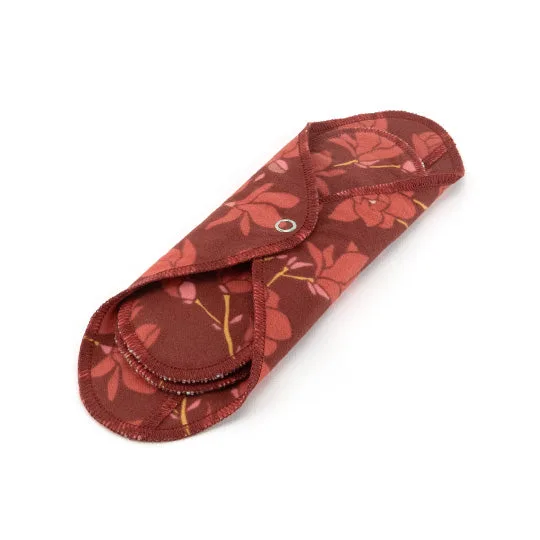
- Organic Thong Pantyliner: The Organic pantyliner-e83534d984f490e8541f5e06-1032362">Thong Pantyliner is small, discreet, and has two sets of snaps to stay in place; it is absorbent as a disposable liner. Small liners need a detergent that rinses clean so residue does not build up in the thin fabric and cause irritation.
Which should you choose?
Choose detergent sheets if you...
- Wash cloth pads in cold water or short cycles
- Want a pre-measured, unscented, plastic-free option
- Have sensitive skin or want to avoid fragrance and dyes
- Need something compact for travel or shared laundry
Choose powder instead if you...
- Wash large loads and want the lowest cost per wash
- Have a favorite powder that dissolves well in your water
- Prefer to buy in bulk and have dry storage space