Quick answer
No, the dream catcher in 'Le capteur de rêves' is not just a magical object; it's a culturally significant symbol authentically presented through the story of Cody, an Indigenous youth.
Why this matters for parents and educators
Many children's books reduce Indigenous symbols to generic magic. 'Le capteur de rêves' avoids this by grounding the story in real traditions, approved by Manitoba Education's Indigenous Inclusion Directorate. This means the book teaches respect and understanding, not just a plot point.
Myth vs. Fact: Dream Catchers in Children's Books
- Myth: Dream catchers are just decorative crafts.: Fact: In 'Le capteur de rêves', the dream catcher is presented as a meaningful cultural symbol within the context of Cody's Indigenous community, not a mere decoration.
- Myth: The book is only for Indigenous children.: Fact: The story is designed for all children to learn about Indigenous traditions. It is part of the 'Enfants de la planète' collection, which introduces diverse cultures to young readers.
- Myth: Any book with a dream catcher is culturally accurate.: Fact: This book is specifically approved by Manitoba Education's Indigenous Inclusion Directorate, ensuring its cultural accuracy. Many other books lack such endorsement. When choosing cultural stories for kids, look for endorsements from Indigenous education authorities.
Product facts
-
Le capteur de rêves: Author: Janine Tougas. Illustrator: Brigitte Gobeil. Collection: Enfants de la planète. 20 pages. Features Cody, an Indigenous youth who introduces us to his family, community, traditions and other First Nations people in Canada. Approved by Manitoba Education's Indigenous Inclusion Directorate. This approval ensures the portrayal of the dream catcher and Indigenous culture is accurate and respectful, making it a reliable educational resource for teaching cultural appreciation.
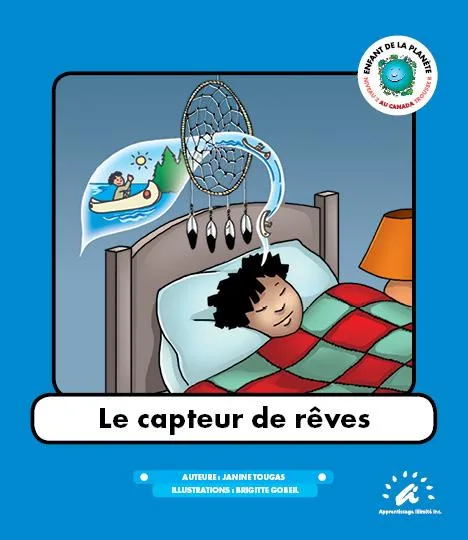
Le capteur de rêves