When you work with a K9, the leash is more than a simple restraint—it's a communication tool. The right leash can improve control, reduce strain on your dog's neck, and make training sessions more productive. But with so many options on the market, how do you choose? This guide breaks down the most common types of leashes for working dogs, comparing materials, designs, and use cases to help you make an informed decision.
We'll look at leather vs. nylon construction, the benefits of waist leads over standard hand-held leashes, and the rising popularity of black hardware leashes in professional settings. Whether you're a patrol officer, a search and rescue handler, or a sport dog trainer, understanding these differences is key to optimizing your gear.
Leather vs. Nylon: Material Matters
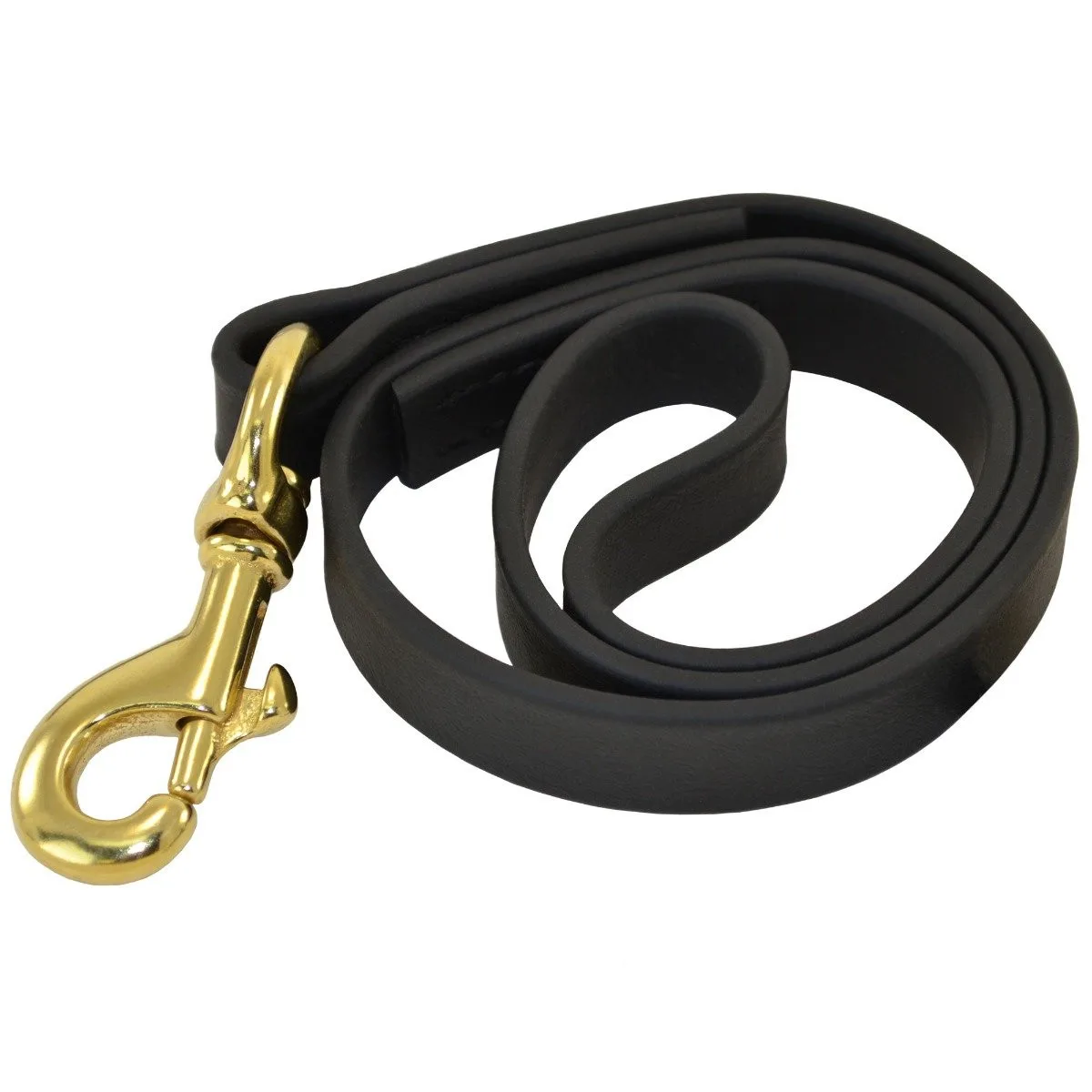
The material of your leash affects durability, comfort, and handling. Leather leashes are renowned for their strength and classic look. They soften over time, molding to your hand and providing a comfortable grip even during long sessions. Leather also has a natural grip that becomes more secure when wet, making it a favorite among many working dog handlers. However, leather requires regular conditioning to prevent drying and cracking, especially in harsh weather conditions.
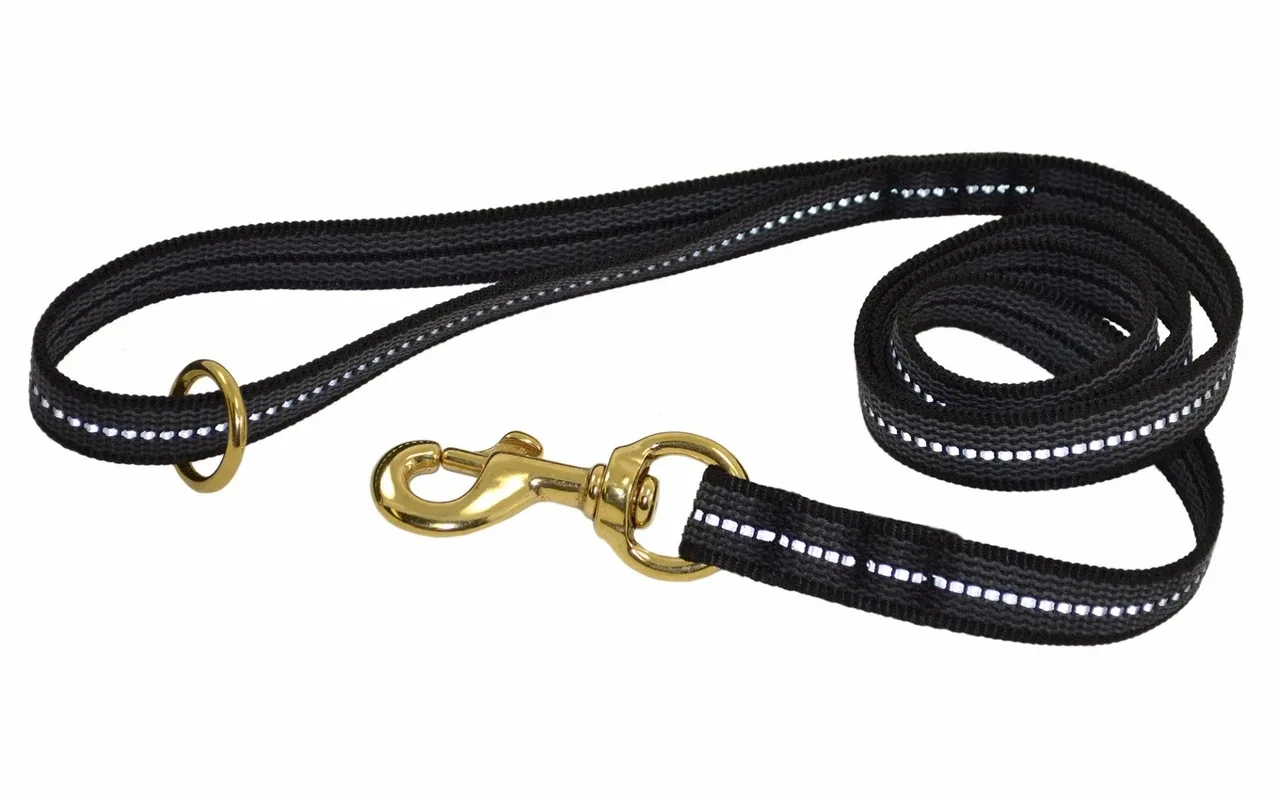
Nylon leashes, on the other hand, are lightweight, quick-drying, and often more affordable. They come in a variety of colors and weaves, from flat to tubular, and are easy to clean. However, nylon can be rough on your hands, especially if your dog pulls, and it may not offer the same level of control as leather. For heavy-duty work, some nylon leashes are reinforced with additional layers or webbing, but they still may not match the longevity of quality leather.
When choosing between leather and nylon, consider your specific needs. If you require a leash for daily patrol and expect it to last for years, leather is a solid investment. For training sessions where you need to switch leashes frequently or work in wet conditions, nylon might be more practical. Some handlers even keep both types in their gear bag, using leather for formal work and nylon for casual training.
- Leather: durable, comfortable grip, requires maintenance
- Nylon: lightweight, easy to clean, less expensive
- Consider the climate and your dog's pulling habits
Waist Leads vs. Standard Leashes: Hands-Free Control
Waist leads have gained popularity among working dog handlers for their hands-free convenience. These leashes typically feature a padded belt that you wear around your waist, with a leash attachment that allows your dog to move freely while keeping your hands available for other tasks. This is particularly useful during search and rescue operations, where you might need to use a map, radio, or other equipment while maintaining control of your dog.
Standard leashes, whether leather or nylon, offer more direct control and are easier to use in tight spaces or when you need to quickly shorten or lengthen the lead. They are also more versatile, as you can easily wrap them around your hand for a firmer grip. However, they require at least one hand at all times, which can be limiting in certain scenarios.
For handlers who need to be hands-free, a waist lead is an excellent choice. But for precision work, such as bite work or obedience trials, a standard leash might be better. Some waist leads come with a quick-release mechanism for safety, which is a crucial feature to look for. When comparing waist leads to standard leashes, think about the primary tasks you perform with your dog and choose accordingly.

bite work
- Waist leads: hands-free, ideal for multi-tasking
- Standard leashes: better control, more versatile
- Look for quick-release features in waist leads
Black Hardware Leashes: Style and Function
Black hardware leashes are becoming a staple in the working dog community. The black coating on clips and swivels not only gives a sleek, professional appearance but also adds a layer of corrosion resistance, which is essential for leashes exposed to moisture and dirt regularly. This makes them a practical choice for patrol and outdoor work.
Beyond aesthetics, black hardware often indicates a higher-quality finish that reduces the risk of rust and wear over time. Many professional handlers prefer black hardware because it blends well with tactical gear and doesn't show scratches as easily as shiny metal. When shopping for a leash with black hardware, pay attention to the quality of the coating—powder coating tends to be more durable than paint.
If you're looking for a leash that combines durability with a professional look, consider a black hardware option. The Ray Allen Manufacturing store offers a variety of leashes with black hardware, designed to meet the demands of working dogs. Whether you need a sturdy leather leash or a versatile nylon one, black hardware adds a touch of sophistication without compromising function.
- Black hardware: corrosion-resistant, professional look
- Powder coating is more durable than paint
- Ideal for patrol and tactical use
Specialty Leashes: Traffic Tabs and More
In addition to standard leashes, working dog handlers often use specialty leashes like traffic tabs. A traffic tab is a short leash, usually 6-8 inches, that attaches to the dog's collar. It provides a quick, close-control handle for navigating crowded areas or for making immediate corrections. The Rader K9 Traffic Tab is a popular choice among handlers for its durability and comfortable grip.
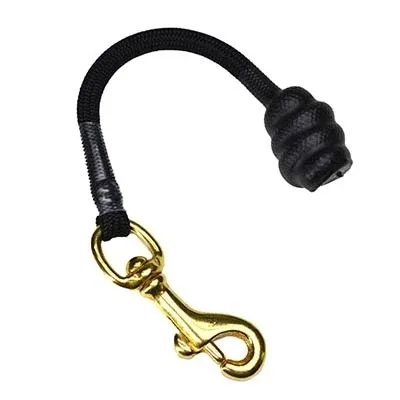
Rader K9 Traffic Tab
Traffic tabs are not meant to replace a full leash but to complement it. They are especially useful for short walks from the car to the training field or for moments when you need to keep your dog close without the bulk of a long leash. Many handlers also use them for obedience training, as they allow for precise communication.
When building your leash collection, consider adding a traffic tab. It's a small investment that can significantly improve your control in various situations. Pair it with a high-quality primary leash, and you'll be prepared for any scenario.
- Traffic tabs: short, close-control handles
- Ideal for quick corrections and navigating crowds
- Complement your primary leash
How to Choose the Best Leash for Your K9
Choosing the best leash for your K9 involves evaluating your dog's size, strength, and training level. A large, powerful dog might require a thicker, more durable leash, while a smaller dog could do well with a lighter option. Consider the tasks you perform: if you do bite work, you'll need a leash that can withstand sudden, intense pressure. If you're doing scent work, a long line might be more appropriate.
Also, think about your own comfort. A leash that is too short or too thick can cause hand fatigue. Leather leashes often provide a better grip, but some handlers prefer the feel of nylon. Try different types to see what feels best in your hand.
Finally, consider the environment. If you work in wet or muddy conditions, a nylon leash that dries quickly might be more practical. If you need a leash for formal occasions, such as demos or competitions, a leather leash with black hardware might be the right choice. Ultimately, the best leash is one that you feel confident using and that keeps your dog safe and controlled.
- Evaluate your dog's size and strength
- Consider your comfort and grip
- Think about your typical working environment
Selecting the right leash for your working dog is a decision that impacts both performance and safety. Whether you choose a leather leash for its durability, a nylon leash for its versatility, a waist lead for hands-free control, or a black hardware leash for its professional appearance, ensure it meets your specific needs. For a wide range of high-quality leashes and accessories, explore the options at Ray Allen Manufacturing and find the perfect fit for you and your K9 partner.