Quick answer
Clean a leather backpack with a barely damp cloth and a little pH-neutral soap, then let it air dry away from sun and heat. Condition it once or twice a year with a thin layer of leather conditioner, and store it stuffed with soft cloth or paper in a dust bag so it keeps its shape. Skip saddle soap, vinegar, alcohol wipes and waterproofing sprays you have not tested on a hidden spot.
Leather does not need much, but it does need the right few things done consistently. Most damage to a leather backpack comes from three habits: scrubbing it with harsh cleaners, letting it dry next to a radiator, and storing it flattened in a closet for months.
This routine takes about twenty minutes twice a year, plus a quick wipe-down whenever the bag gets dirty. It works on everyday pebbled and full-grain leather, and it will not strip the finish or darken the color if you keep the moisture low and the products simple.
Start with a dry brush, not a wet cloth
Before any liquid touches the leather, empty every pocket, unzip all compartments and turn the bag upside down over a bin. Grit and crumbs trapped in seams and under the flap will turn into a muddy paste the moment you add water, and that paste is what scratches the surface.
Use a soft horsehair brush or a dry microfiber cloth to lift dust from the grain and along the stitching. Pay attention to the base, where backpacks collect the most dirt. If the bag has a fabric lining, shake it out and wipe it separately so you are not pushing dust back into the leather.
- Checkpoint: if the cloth comes away clean, you can skip the wet step entirely this time.
Clean with a barely damp cloth and pH-neutral soap
Mix a drop of pH-neutral soap or a dedicated leather cleaner into a bowl of lukewarm water. Dip a microfiber cloth, wring it out until it is almost dry, then wipe the leather in small circles. You want the cloth damp, never wet enough to leave a dark trail behind it.
Work one panel at a time and rinse the cloth often. For stubborn marks on smooth leather, a pencil eraser or a soft brush with a little soap works better than pressing harder. Common mistake: soaking the leather to get a stain out faster. That pushes water into the fibers, and the bag can dry stiff or lose its shape.
- Do not use vinegar, alcohol wipes, bleach, saddle soap or laundry detergent on finished leather.
Dry it slowly, away from heat and sun
Stuff the backpack loosely with clean cloth or crumpled paper to hold its shape, then leave it at room temperature with the compartments open. Air should move around the bag, not blast it. A radiator, a hair dryer or a sunny windowsill will dry the surface faster than the core, and that is how leather cracks and curls at the edges.
If the bag got properly soaked in rain, blot it with a dry towel first and change the stuffing once or twice as it dries. Expect twelve to twenty-four hours. Never put a damp leather backpack in a closed closet or a plastic bag, because trapped moisture is what causes mildew and a musty smell.
- Checkpoint: the leather should feel cool and dry, not clammy, before you condition it.
Condition thinly, then buff
Once the bag is completely dry, put a pea-sized amount of leather conditioner on a soft cloth and rub it into the leather in thin layers. Start on a hidden area such as the inside of the flap, because some conditioners darken leather slightly. Let it absorb for ten to fifteen minutes, then buff off the excess with a clean dry cloth.
Twice a year is enough for a bag in daily use, and once a year is fine for a bag you carry occasionally. More is not better: over-conditioning leaves a greasy film that attracts dust and can feel tacky. If your bag has a suede or nubuck panel, keep conditioner off it and use a suede brush instead.
- Condition after cleaning, never before, so you are not sealing dirt into the grain.
Handle rain and stains the same day
If your backpack gets caught in the rain, blot it dry as soon as you are indoors rather than letting it sit wet. Finished leather is water-resistant to varying degrees, but no leather backpack is truly waterproof, and a waterproofing spray only adds a temporary layer. Test any spray on a hidden spot first, because silicone-heavy products can darken leather and block future conditioning.
For grease, blot with a dry cloth and let the leather wick the oil out over a few hours; adding water usually spreads the mark. For ink, do not scrub. A small amount of conditioner on a cloth, worked gently, lifts some ink, but heavy staining is best left alone rather than risking a bald patch.
- Waterproof leather backpack claims: treat them as resistance, not a guarantee, and reapply protection seasonally.
Store it stuffed, not folded
For storage, empty the bag completely, wipe it down, and let it air for a day. Stuff it with soft cloth or acid-free paper to hold the shape, close the straps loosely, and slide it into a breathable cotton dust bag. Backpack storage tips that matter most: keep it off a concrete floor, out of damp basements, and away from direct sunlight that fades dye.
Never store leather in a sealed plastic bin or a vacuum bag. Leather needs a little airflow, and trapped humidity invites mildew. If you are rotating between bags, check the stored one every few months, re-fluff the stuffing and give it a quick wipe so dust does not settle into the grain.
- Checkpoint: the bag should stand up on its own when you take it out, not show crease lines from being folded.
The six-step leather backpack care routine
- Empty and dry-brush: Clear every pocket, turn the bag over a bin, then brush dust off the grain and seams with a soft horsehair brush or dry cloth. Checkpoint: no grit left along the stitching before any moisture is added.
- Wipe with a barely damp cloth: Use lukewarm water with a drop of pH-neutral soap on a wrung-out microfiber cloth, working one panel at a time in small circles. Mistake to avoid: a soaked cloth that leaves a dark wet trail.
- Air dry away from heat: Stuff the bag to hold its shape and leave it open at room temperature for twelve to twenty-four hours, away from radiators, hair dryers and direct sun. Checkpoint: leather feels cool and dry, not clammy, before conditioning.
- Condition in thin layers: Apply a pea-sized amount of leather conditioner with a soft cloth, test a hidden area first, wait ten to fifteen minutes, then buff off the excess. Twice a year for daily use, once a year for occasional use.
- Treat rain and stains the same day: Blot rain immediately, let grease wick out dry, and test any waterproofing spray on a hidden spot before using it on the whole bag. Mistake to avoid: scrubbing ink or grease, which can leave a bald patch.
- Store stuffed in a dust bag: Empty the bag, air it for a day, stuff it with soft cloth or acid-free paper, and store it in breathable cotton away from damp floors and sunlight. Never use sealed plastic bins or vacuum bags.
Leather care details worth knowing from our catalog
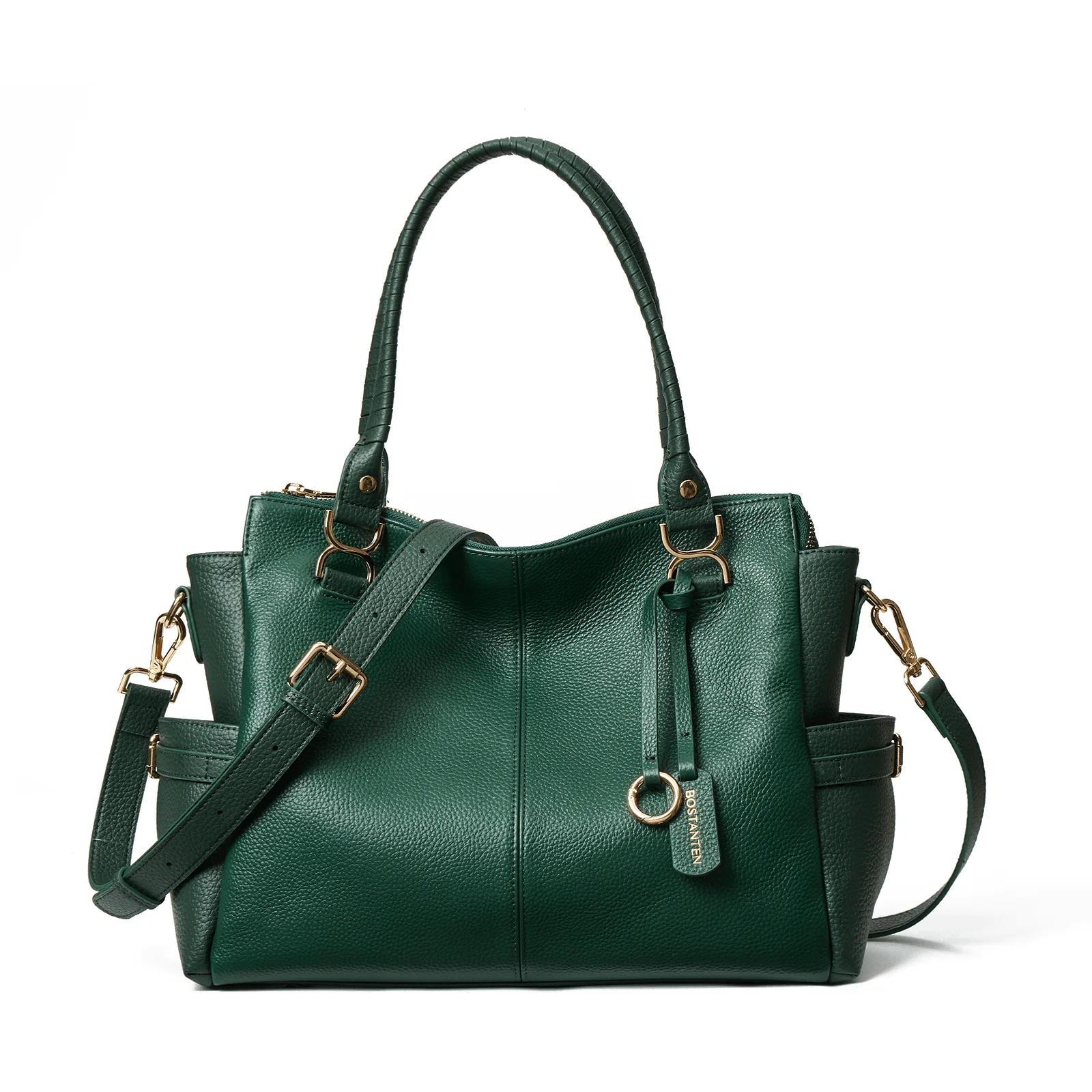
- Nevin Genuine Pebbled Leather Everyday Carryall Tote: Crafted from premium genuine leather, described as soft, lightweight and durable with no odd leather smell, and sized 13.5" x 5.1" x 9.8" with a 6.7" handle height. Pebbled grain hides small scuffs well, so a light wipe-down and twice-yearly conditioning is usually all this finish needs. The structured shape is also a reminder to stuff the bag rather than fold it in storage.
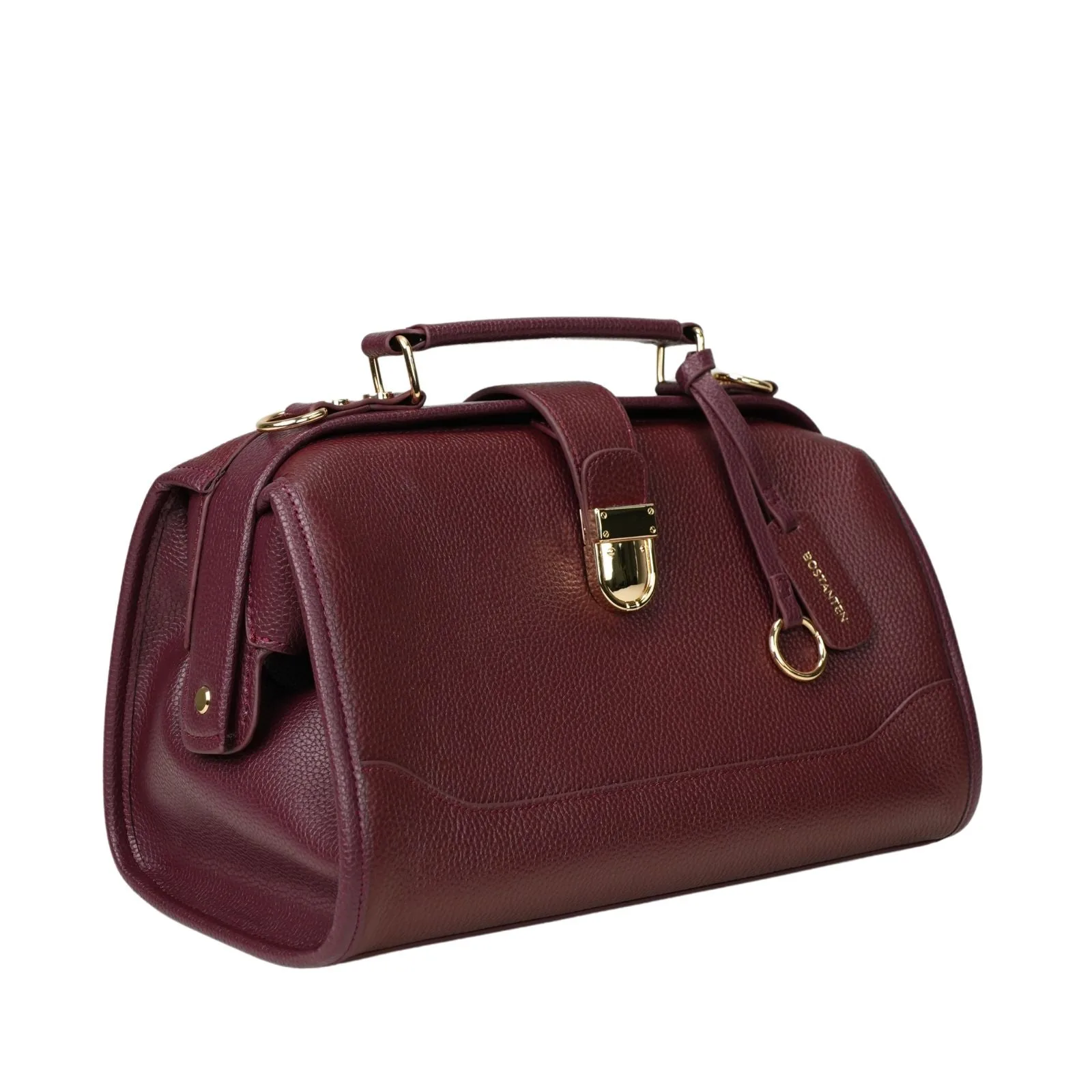
- Timeless Grace Doctor Bag - Full Grain Pebble Leather: Made from 100% high-quality pebbled leather with custom hardware and an easy-snap magnetic clasp, sized 11.8" x 6.5" x 7.9" and weighing about 0.9 kg. Full-grain pebbled leather responds well to conditioning, but keep product away from the magnetic clasp and hardware, where residue collects dust and can dull the finish.
- NOVA Checkered Leather Bum & Crossbody Bag – RFID Protected: A checkered leather bag with a three-compartment layout, room for a phone, wallet and a 24oz bottle, and adjustable, detachable wide straps. Detachable straps make this style easy to clean and store flat without bending the strap, and the compartments should be emptied before conditioning so no crumbs sit against the lining.
Leather backpack maintenance is mostly about restraint: gentle cleaning, thin conditioning, slow drying and a stuffed shape in storage. Do those four things and a good leather bag will look better in year three than it did in month one.