Quick answer
Empty the bag, tip it upside down, and vacuum the lining with a brush attachment before you apply anything wet. Treat stains with a barely damp cloth and a tiny amount of mild soap, then air-dry fully away from heat. For musty odors, air the bag for 24 to 48 hours with a dry sachet inside. If the lining is torn, soaked through, or the leather itself smells sour, stop and get a professional assessment instead of continuing at home.
The inside of a leather bag takes more punishment than the outside. Pens leak, mints melt, receipts pile up, and a forgotten apple can turn a lovely interior into a problem you only notice weeks later. Because the lining is usually the last thing you inspect, small issues often become bigger ones before you act.
This guide separates what you can see (stains, crumbs, ink) from what you can smell (musty, sour, chemical) and from what you can feel (sticky, damp, rough). Each symptom points to a different cause and a different fix. Work through the diagnosis first, then choose the gentlest action that solves the problem.
Start with a dry clean, every time
Before any liquid touches the lining, remove every loose item and turn the bag upside down over a bin. Use a vacuum with a soft brush attachment on the lowest setting to lift dust, crumbs, and grit from the corners. A dry, soft toothbrush works well for seams and the base of slip pockets where debris compacts.
This step matters because moisture plus grit turns into a grinding paste that pushes dirt deeper into the fabric. It also lets you see the true condition of the lining. If the bag has a cotton twill lining, as many structured Cambridge Satchel designs do, dry soil removal is the single most effective thing you can do. Only after the interior is dry and debris-free should you assess stains.
- Never submerge a leather bag or fill it with water, even if the lining is fabric.
- Work in daylight so you can see faint marks before they set.
Match the method to the lining material
Leather bag lining materials vary, and the right cleaning method depends on what is actually inside your bag. Cotton twill and canvas tolerate a lightly damp cloth and mild soap. Synthetic linings such as nylon or polyester are more stain-resistant but can hold odors. Unlined leather interiors need the most caution because you are cleaning the leather itself.
If you are unsure what your lining is, test on a hidden area first, such as inside a pocket or under a flap. Use a white cloth so you can see whether dye is transferring from the lining. If colour comes off on the cloth, stop. That is a sign the lining is not colourfast and wet cleaning will make it worse.
- Cotton twill and canvas: barely damp cloth, mild soap, blot don't scrub.
- Synthetic lining: damp cloth, air-dry fully to prevent trapped odor.
- Unlined leather: dry methods only unless you use a dedicated leather cleaner.
Treating lining stains without spreading them
For most bag lining stains, less is more. Dampen a cloth with water, add one drop of mild soap, and blot from the outside of the stain inward. Rubbing spreads the mark and can fray the lining. Work in small sections and rinse the cloth frequently so you are lifting dirt rather than moving it around.
Ink is the exception that usually needs professional help. Oil-based stains from cosmetics or food are best handled by blotting immediately, then applying a small amount of cornstarch to absorb residue before you attempt any wet cleaning. If a stain has been there for months and has dried into the fibres, expect improvement rather than full removal.
- Blot, never scrub, and change to a clean part of the cloth often.
- Let the lining dry completely with the bag open before closing it.
Fixing a musty or sour leather bag interior odor
Odor is a symptom, not a stain. A musty leather bag usually means moisture was trapped inside and did not dry. A sour smell often points to something organic, such as milk, fruit, or a spilled drink, that has soaked into the lining. A chemical or plasticky smell can come from a new synthetic lining or from a product previously used on the bag.
For musty odors, empty the bag and leave it open in a dry, airy room for 24 to 48 hours. Place a dry sachet of silica gel or a small cotton bag of baking soda inside, but do not let it touch the leather directly. Avoid direct sunlight and radiators, which dry leather too fast and can cause cracking. If the smell remains after two days of proper airing, the moisture source is likely still present.
- Never seal a damp bag in a dust bag or plastic bin; that traps the musty smell.
- If the odor returns within days of airing, stop and seek professional advice.
When to stop and choose another option
Some interior problems are not home-fixable. If the lining is torn away from the seam, if liquid has soaked through to the leather and left a stiff or darkened patch, or if the bag smells sour even after two days of airing, continuing at home risks making it worse. Leather that has been wet through can lose shape, and mould can spread to the outer panels.
At that point, a professional leather specialist or repair service is the better choice. For everyday prevention, keep a small pouch for pens and cosmetics, avoid leaving open food or drinks inside, and air your bag after heavy use. A compact option such as The Mini Purse - Cotton White can hold coins and cards so loose items do not roll around and mark the lining.
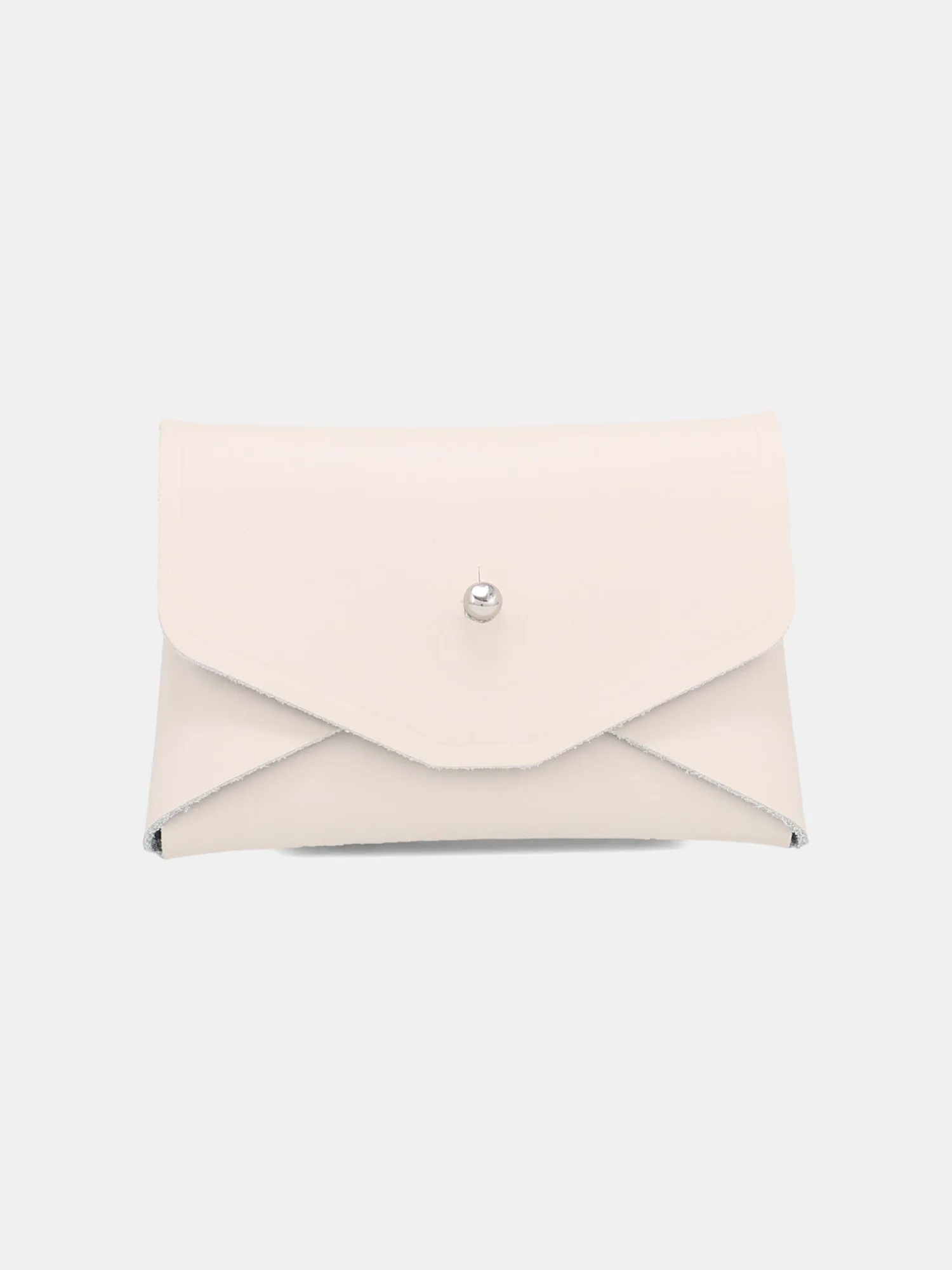
The Mini Purse - Cotton White
- Stop if the leather feels damp, stiff, or cold after airing.
- Stop if you see white or green fuzzy patches, which indicate mould.
- Stop if a stain has been present for months and has dried hard.
Interior problem diagnosis
- Visible crumbs or dust in corners: Dry debris that has settled into seams and pockets, usually harmless but abrasive if left. Vacuum with a brush attachment, then reassess. No liquid needed.
- Musty smell with no visible stain: Trapped moisture from a damp day, a spilled drink, or storage in a closed space. Air open for 24 to 48 hours with a dry sachet. If it returns, stop and seek professional help.
- Dark or stiff patch on the lining or leather: Liquid has soaked through and dried unevenly, which can stiffen leather and set stains. Do not wet-clean. Have a leather specialist assess it before further damage occurs.
Interior-friendly details in real Cambridge Satchel bags
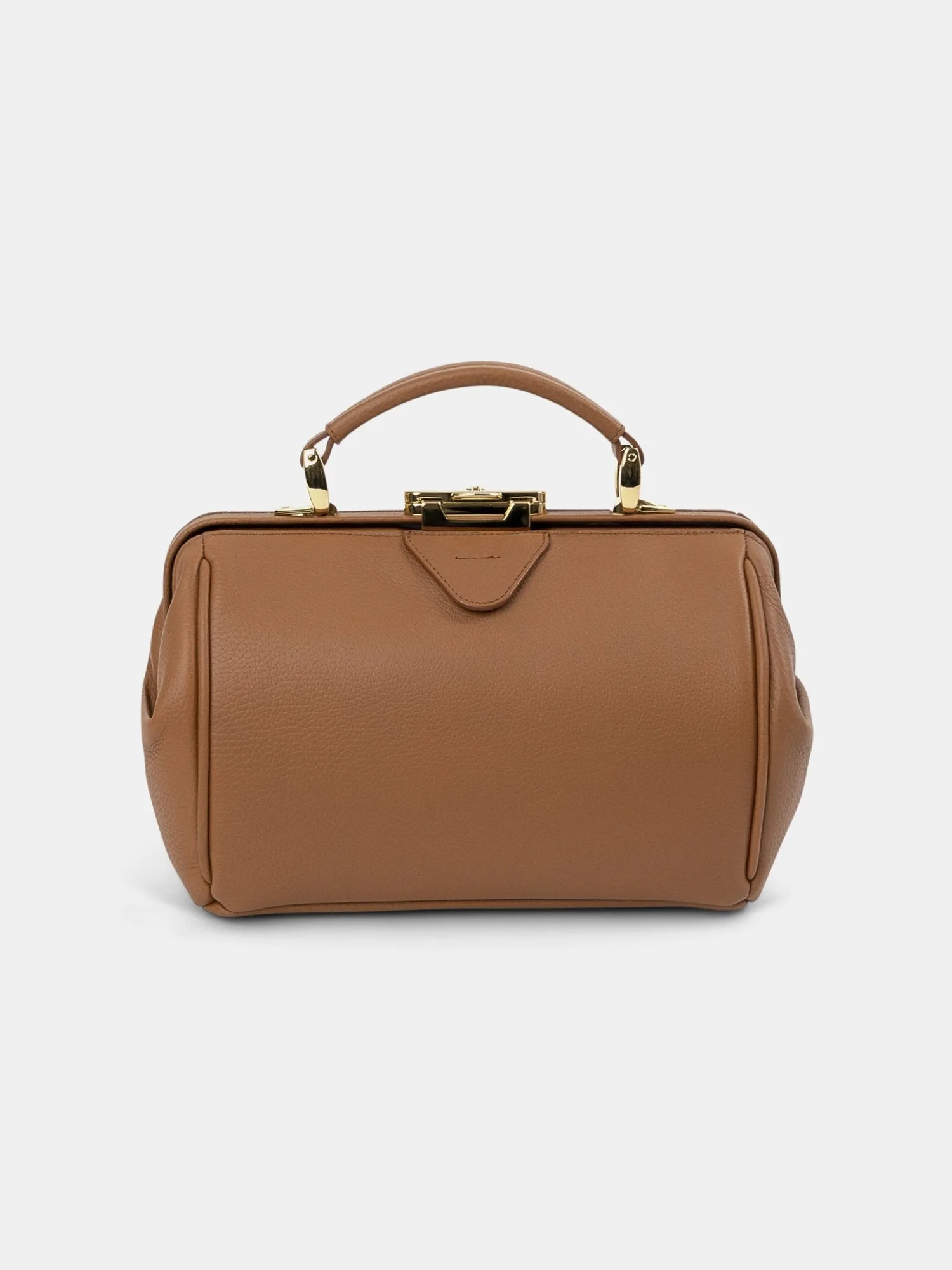
- The Sophie - Havana Brown Calf Grain: The ingenious structure of the bag allows The Sophie to open almost 180°, revealing a premium cotton twill lining. A wide opening makes it far easier to vacuum, blot, and air-dry the interior, which reduces the chance of trapped moisture and odor.
- The Mini Purse - Cotton White: Compact size, maximum functionality, with a secure Sam Browne stud closure, perfect for cards and coins. Keeping small loose items in a purse rather than rolling around inside the main compartment helps prevent lining stains and scratches.
Most interior problems respond to the same order of operations: empty, dry-clean, assess, then treat with the least moisture possible. Keep the inside as considered as the outside, and your bag will stay fresh, structured, and pleasant to open for years.