Quick Answer
When buying a leather bandolier belt, prioritize full-grain cowhide leather, reinforced stitching, and sturdy hardware. Choose a design that matches your ammunition type—like a two-flap shotgun shell carrier or a rifle cartridge bandolier—and ensure it fits comfortably as a waist belt or chest harness.
A leather bandolier belt is more than a nostalgic accessory; it's a functional piece of field gear that keeps ammunition secure and accessible. Whether you're a hunter, reenactor, or shooting enthusiast, the material and construction determine how well it performs in the field and how long it lasts.
In this guide, we break down what to examine when choosing a leather ammunition carrier, from the type of leather to the stitching and hardware. We'll also look at two specific cowhide options to illustrate the differences.
Leather Quality: Full-Grain vs. Top-Grain
The foundation of any quality leather bandolier is the hide itself. Full-grain cowhide is the top choice because it retains the natural grain, making it stronger and more resistant to wear. It develops a beautiful patina over time. Top-grain leather is sanded to remove imperfections, which can make it thinner and less durable, but it may be more uniform in appearance.
When shopping, look for descriptions that specify 'full-grain' or 'premium cowhide.' Avoid vague terms like 'genuine leather,' which often indicates lower quality. For example, a rifle cartridge bandolier that is handcrafted from thick, premium full-grain cowhide is likely to withstand rugged field use better than a thinner alternative.
- Check if the product states full-grain or top-grain leather.
- Feel the leather if possible; thicker leather usually means more durability.
Construction: Stitching, Edges, and Hardware
Stitching holds everything together. Look for reinforced stitching at stress points, such as where the belt attaches to the carrier or where flaps fold. Loose or uneven stitching is a red flag. Edges should be smooth and finished to prevent fraying.
Hardware—buckles, snaps, and rivets—should be sturdy and rust-resistant. A bandolier that relies on cheap plastic snaps may fail in the field. Metal hardware with a solid feel is preferable. Also, consider how the belt closes: a traditional buckle or a quick-release clip? Your preference for speed vs. security matters.
- Inspect the stitching on the flaps and belt loops.
- Ensure metal hardware is securely attached and corrosion-resistant.
Design and Ammunition Compatibility
Bandoliers are designed for specific ammunition types. Shotgun shell carriers often have loops or flaps that hold individual shells, while rifle cartridge bandoliers may have pouches or loops for rifle rounds. Make sure the carrier matches the gauge or caliber you use.
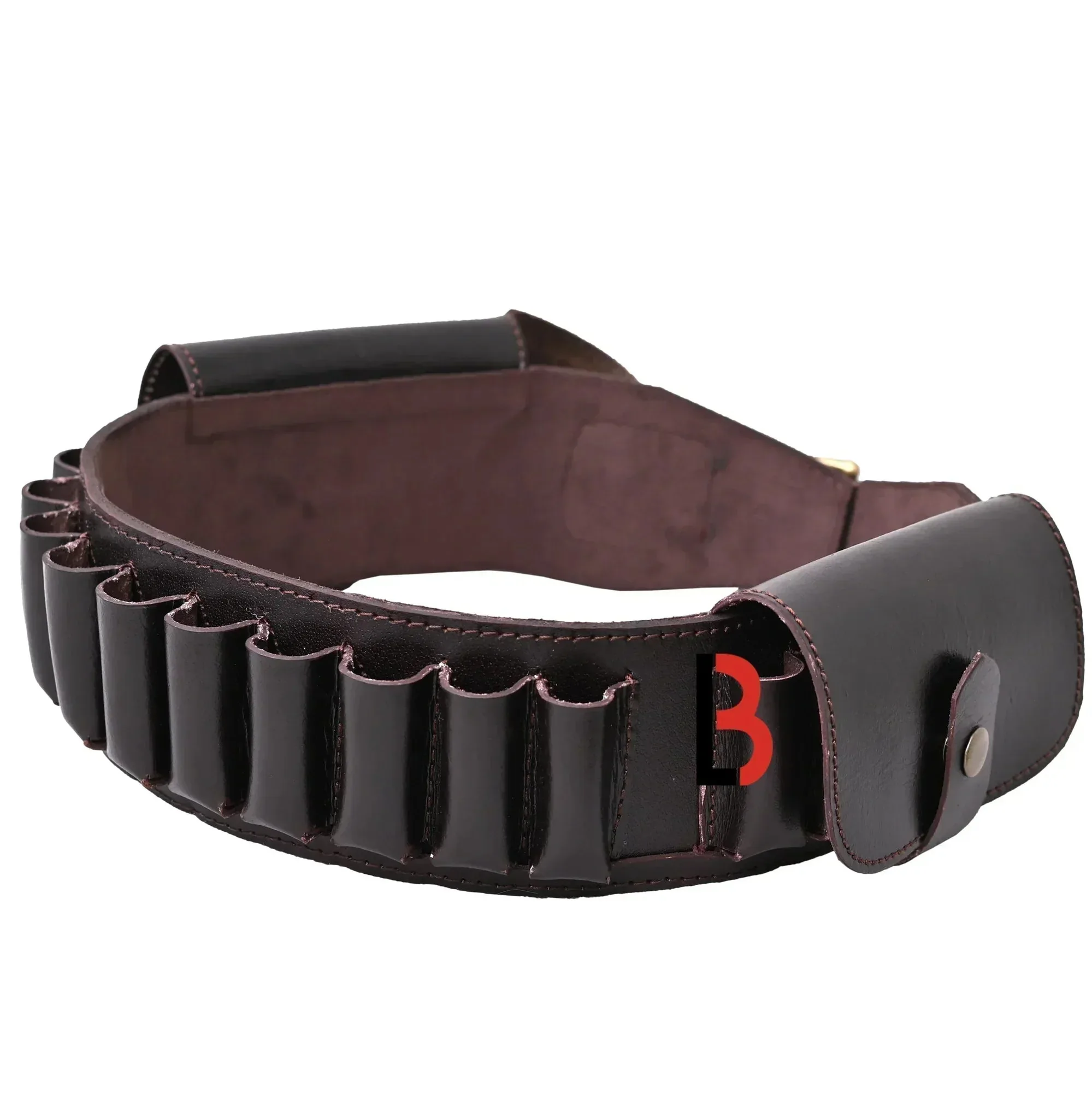
For example, a two-flap shotshell bandolier is designed to hold shotgun shells securely under protective flaps, shielding them from rain and debris. A rifle cartridge bandolier may offer a chest harness configuration for easier access. Consider how many rounds you need to carry and whether you prefer a waist or chest style.
- Measure your ammunition to ensure a snug fit in the loops.
- Decide between a waist belt and chest harness based on your movement needs.
Decision Rules for Choosing a Leather Bandolier
- Leather Type: Opt for full-grain cowhide for maximum durability and natural beauty. Top-grain is acceptable if you prefer a smoother look, but it may not last as long. Check the product description for 'full-grain' or 'premium cowhide'.
- Stitching and Edges: Inspect for tight, even stitching, especially around flaps and belt loops. Edges should be smooth and finished to prevent fraying. Reject any bandolier with loose threads or rough edges.
- Hardware Quality: Metal buckles and snaps are more reliable than plastic. Ensure they are securely attached and resistant to rust. Test the hardware to ensure it functions smoothly.
- Ammunition Fit: Make sure the loops or pouches are sized for your specific shells or cartridges. A snug fit prevents rattling and loss. Measure your ammo before buying.
- Carrying Style: Decide between a waist belt and a chest harness. Chest harnesses offer better weight distribution for heavy loads. Choose based on your typical activities.
Product Facts: Two Cowhide Options
- Cowhide Leather Shotshell Bandolier Cartridge Belt Two Flap Ammunition Carrier: Two premium cowhide leather flaps fold over your shotgun shells, shielding every round from rain, brush, and debris while keeping them instantly accessible. This design is ideal for hunters who need protection from the elements without sacrificing quick access to shells. The two-flap system adds an extra layer of security for your ammunition.
- Cowhide Leather Rifle Cartridge Bandolier Belt & Chest Harness Hunting Ammo Carrier: Handcrafted from thick, premium full-grain cowhide leather, this leather cartridge belt delivers the perfect combination of rugged field performance and timeless craftsmanship. Wear it as a waist belt or switch to the chest harness configuration. The full-grain leather and dual wearing options make this a versatile choice for rifle shooters who need durability and flexibility in how they carry their ammunition.
Fit and Use Guidance
Best for
- Hunters who need quick access to shotgun shells while keeping them protected from weather.
- Rifle shooters who value full-grain leather durability and the option to switch between waist and chest carry.
Not for
- Those who prefer synthetic materials for lightweight or water-resistant properties.
- Competitive shooters who need ultra-fast reloads that a bandolier may not provide.
Choosing the right leather bandolier comes down to material, construction, and fit. Prioritize full-grain cowhide and solid stitching for longevity, and match the design to your ammunition and carrying preference. With these factors in mind, you'll find a bandolier that serves you well for years.