Quick answer
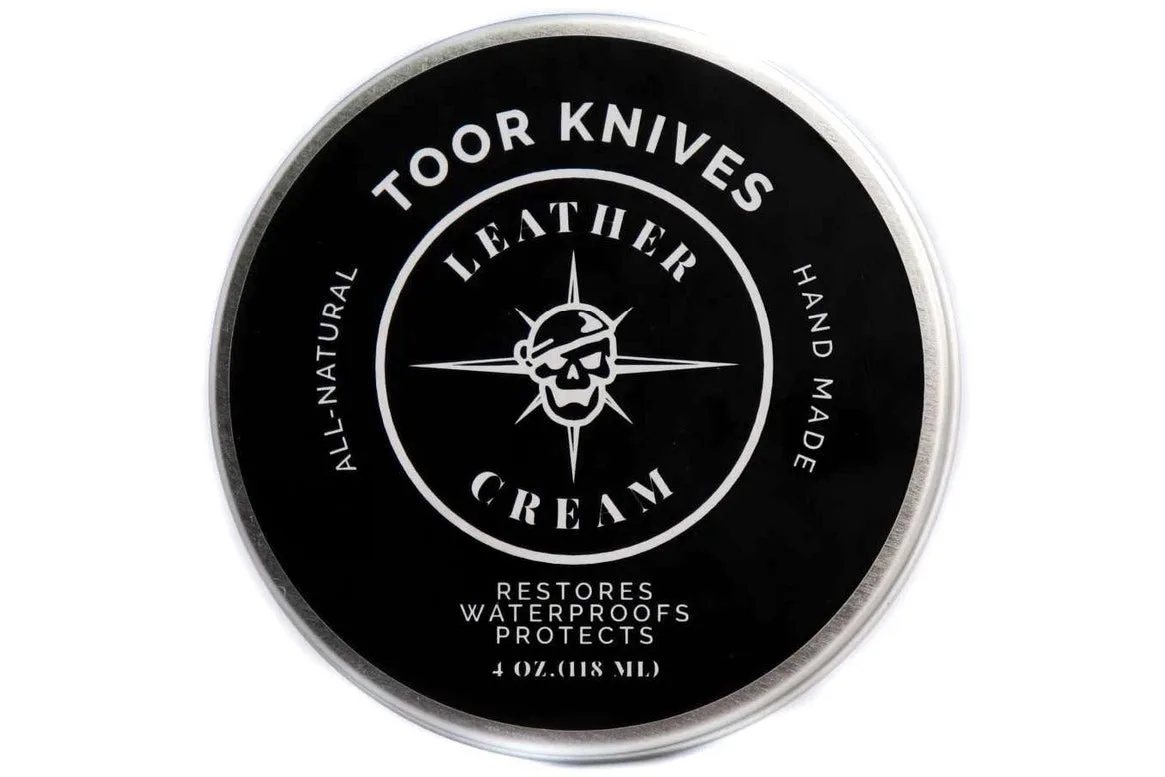
Condition a leather knife sheath every 3–6 months in normal conditions, every 2–3 months in humid or wet climates, and after any heavy soaking or field use. Use a natural cream conditioner like Toor Knives Leather Conditioner, applying a thin layer and buffing off the excess. Over-conditioning causes leather to become soft and lose shape, so when in doubt, wait longer between treatments.
Why leather sheaths need a conditioning schedule
Leather is skin. It contains natural oils that evaporate over time, especially with exposure to sweat, rain, and sun. Without replacement oils, leather dries, cracks, and loses the firmness that holds a knife securely. A sheath that was once snug can become loose and unsafe. Conditioning restores flexibility and water resistance, but the right frequency depends on how you use the sheath and where you live. A daily-carried sheath in a rainy coastal town needs more attention than a safe-queen in a dry desert. The goal is to keep leather supple without saturating it.
Signs it's time to condition (and signs you've done it too often)
Check your sheath monthly. Run your thumb along the edges and flex the leather gently. If it feels dry, stiff, or shows light-colored cracks, it needs conditioning. If it feels tacky, dark, or overly soft, you've likely over-conditioned. Over-conditioned leather stretches, loses retention, and can stain clothing. In humid climates, leather absorbs moisture from the air, so you may need to condition less often than you think—only when it feels dry, not on a fixed calendar. After a thorough soaking, let the sheath air-dry away from direct heat, then condition once it's fully dry.
How to build a leather sheath maintenance routine
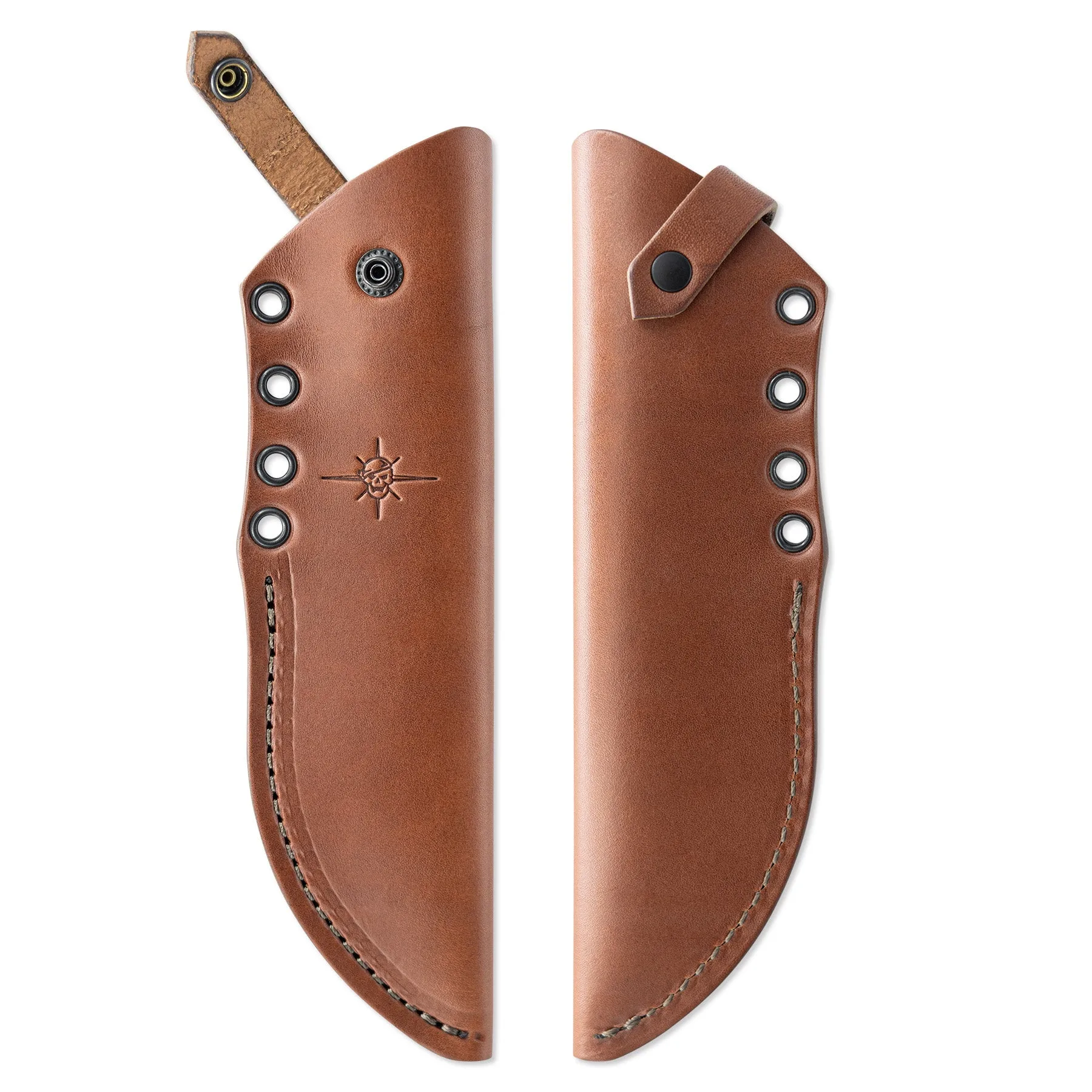
leather sheath
A simple routine prevents most problems. Wipe off dirt and grit with a damp cloth after heavy use. Store sheaths in a dry, ventilated place—not in a plastic bag. For belts, the same schedule applies, but focus on the areas that flex most, like where the belt bends through loops. If you use a Kydex sheath, leather conditioner isn't needed; instead, check retention and clean with mild soap. For leather sheaths, a little care goes a long way. Mark your calendar for a check every three months, and adjust based on your climate and carry habits.
Step-by-step conditioning routine
- Clean the sheath: Wipe away dirt, dust, and grit with a slightly damp cloth. Let it dry completely before applying conditioner. Mistake to avoid: conditioning over dirt traps abrasives that wear the leather.
- Apply a thin layer of conditioner: Use a soft cloth or your fingers to rub a small amount of Toor Knives Leather Conditioner into the leather. Focus on dry areas and edges. Checkpoint: you should see a slight sheen, not a wet, greasy surface.
- Let it absorb and buff: Wait 10–15 minutes for the conditioner to soak in, then buff off any excess with a clean, dry cloth. Mistake to avoid: leaving excess conditioner on the surface, which attracts dirt and can soften leather too much.
- Test retention and adjust schedule: Insert your knife and check that it still sits securely. If the sheath feels too soft, wait longer before the next conditioning. Next step: note the date and set a reminder for 3–6 months, or 2–3 months in humid climates.
Product facts
- Leather Conditioner: Toor Knives Leather Conditioner is an all-natural, handmade cream that rehydrates cracked or dry leather and is the preferred method for molding a leather sheath to your blade. A natural cream lets you condition and mold in one step, and it's safe for the leather without harsh chemicals that could degrade stitching.