Quick answer
After every trip, empty your leather duffel completely, wipe the exterior with a dry or barely damp microfiber cloth, let it air dry away from heat, then apply a thin layer of leather conditioner. Store it stuffed and in its dust bag. This 10-minute routine prevents dirt from grinding into the grain and stops leather from drying out between trips.
A leather duffel takes a beating on the road: airport conveyor belts, overhead bins, car trunks, and hotel floors. Most of the damage isn't dramatic — it's the slow buildup of grit and the drying effect of recycled cabin air. A short care routine after each trip keeps the leather supple and stops small marks from becoming permanent.
You don't need a shelf of specialty products. A microfiber cloth, a soft brush, a mild leather cleaner, and a quality conditioner cover almost everything. The steps below are ordered so you clean without pushing dirt deeper, dry without cracking the finish, and condition while the leather can still absorb it.
Why post-trip care beats occasional deep cleaning
Leather is skin: it has pores, oils, and a finish that can dry out or clog. When you set a duffel down on a gritty floor or slide it across a car seat, fine dust settles into the grain and stitching. If that grit sits there for weeks, every time you lift the bag you're essentially sanding the surface. A quick wipe after each trip removes the abrasive particles before they work in.
Conditioning matters just as much. Dry leather loses flexibility, and flex points — handle bases, zipper ends, strap anchors — are where cracks start. A light conditioning after travel restores the oils that get stripped by low humidity, sun, and repeated handling. Doing this every trip is faster than trying to rescue a dried-out bag later.
- Travel tip: keep a small microfiber cloth in your duffel's outside pocket so you can wipe it down before you even unpack.
- Skip silicone-based shine sprays; they can build up and attract more dust.
Step 1: Empty every compartment and check for leaks
Start by removing everything — clothes, toiletry bag, chargers, receipts. Open every pocket, including the ones you 'never use.' A forgotten snack or a leaked hand sanitizer sachet can stain the lining or transfer onto the leather from the inside. Turn the bag upside down over a trash can and shake gently to dislodge crumbs and sand.
Run your hand along the interior seams and corners. If anything feels damp or sticky, that's a sign of a spill you need to address before it migrates into the leather. A clean interior also makes it easier to spot a loose stitch or a pulled lining that needs attention.
- Common mistake: skipping the interior because the outside looks fine. Interior moisture is what causes musty odors and lining stains.
Step 2: Dust and wipe the exterior before any liquid touches it
Use a dry, soft cloth or a horsehair brush to lift surface dust from the leather. Work in small circles, paying attention to seams where grit collects. If you go straight to a damp cloth, you'll turn dry dust into a muddy paste that pushes into the grain. Dry removal first is the single most important step for a clean leather duffel.
For hardware — zippers, buckles, D-rings — use a dry soft brush or a cotton swab. Don't spray cleaner directly onto metal; it can seep into the leather around the base. If there's visible grime on the hardware, a barely damp cloth is enough.
- Checkpoint: your cloth should come away with dust, not color. If you see dye transferring, stop — the finish may be compromised and needs professional attention.
Step 3: Spot-clean stains with a mild leather cleaner
For marks that survived the dry wipe, apply a small amount of mild leather cleaner to a microfiber cloth — never directly on the bag. Test on a hidden area first, like the bottom or inside a strap. Then wipe the stain gently, moving from the outside of the mark toward the center to avoid spreading it. Don't scrub; leather is forgiving but not indestructible.
If the stain is oil-based, blot with a dry cloth and let it sit; adding water or cleaner can set it. For water-based spills, a slightly damp cloth with a drop of mild soap can work, but follow immediately with a clean damp wipe to remove residue. Let the area air dry naturally before conditioning.
- Common mistake: using household wipes or alcohol. They strip the finish and leave a dull patch that's hard to blend.
Step 4: Air dry properly — no heat, no direct sun
After cleaning, stuff the duffel loosely with clean, white cotton towels or acid-free tissue to help it hold its shape. Don't use newspaper; the ink can transfer, especially if the interior is damp. Place the bag in a well-ventilated room away from radiators, heaters, and direct sunlight. Heat dries leather too fast and causes it to stiffen and crack.
If the bag got caught in rain, let it dry at room temperature. Don't use a hair dryer or put it in front of a fan on high. Most leather will return to its normal feel once fully dry, but forcing it can set wrinkles. Give it 12–24 hours depending on humidity.
- Checkpoint: the leather should feel cool and dry to the touch, not tacky. If it's still cool after a day, give it more time before conditioning.
Step 5: Condition with a thin, even layer
Once the bag is completely dry, apply a pea-sized amount of leather conditioner to a clean cloth. Rub it into the leather in circular motions, focusing on flex points and areas that look dull. A little goes a long way — excess conditioner sits on the surface and attracts dirt. Let it absorb for 10–15 minutes, then buff off any remaining product with a dry cloth.
Conditioning is what keeps the leather supple and helps it resist future stains. For a duffel that travels often, once after every trip is a good rhythm. If your bag sits unused for months, condition it at least twice a year. Always check the product instructions; some conditioners are designed for specific finishes.
- Common mistake: over-conditioning. If the leather feels greasy, you used too much. Wipe off the excess and let it rest.
Step 6: Store it so it keeps its shape
Stuff the duffel lightly with clean towels or tissue to prevent creases, then place it in a breathable cotton dust bag. Avoid plastic bags — they trap moisture and can cause mildew. Store it on a shelf rather than hanging by a strap, which can stretch the leather over time. If you have to stack it, put it on top so nothing presses deep folds into the sides.
A stable, dry storage spot is the final piece of leather travel bag maintenance. Extremes of temperature and humidity are the enemy: a damp basement or a hot attic will undo all your work. A closet shelf in a climate-controlled room is ideal.
- Checkpoint: before you store it, make sure zippers are closed and straps aren't twisted. Small tensions become permanent creases over months.
Your post-trip leather duffel care steps
- Empty and inspect: Remove everything from every pocket, shake out debris, and check for dampness or spills inside. If you find moisture, deal with it now — don't let it sit.
- Dry-dust the exterior: Use a soft dry cloth or brush to lift dust from the leather and seams before applying any liquid. This one step prevents most grinding damage.
- Spot-clean stains: Apply mild leather cleaner to a cloth, test a hidden area, and wipe gently from the outside of the stain inward. Never scrub, and never use alcohol or household wipes.
- Air dry with shape: Stuff with clean white towels and let it dry at room temperature, away from heat and sun. Expect 12–24 hours; don't rush it with a hair dryer.
- Condition thinly: Rub a pea-sized amount of leather conditioner into the leather, let it absorb, then buff off the excess. Focus on flex points and dull areas; skip if the leather feels greasy.
- Store stuffed and breathable: Lightly stuff the bag, place it in a cotton dust bag, and store on a shelf — not hanging by a strap. A stable, dry spot protects all the work you just did.
Bags built for this routine
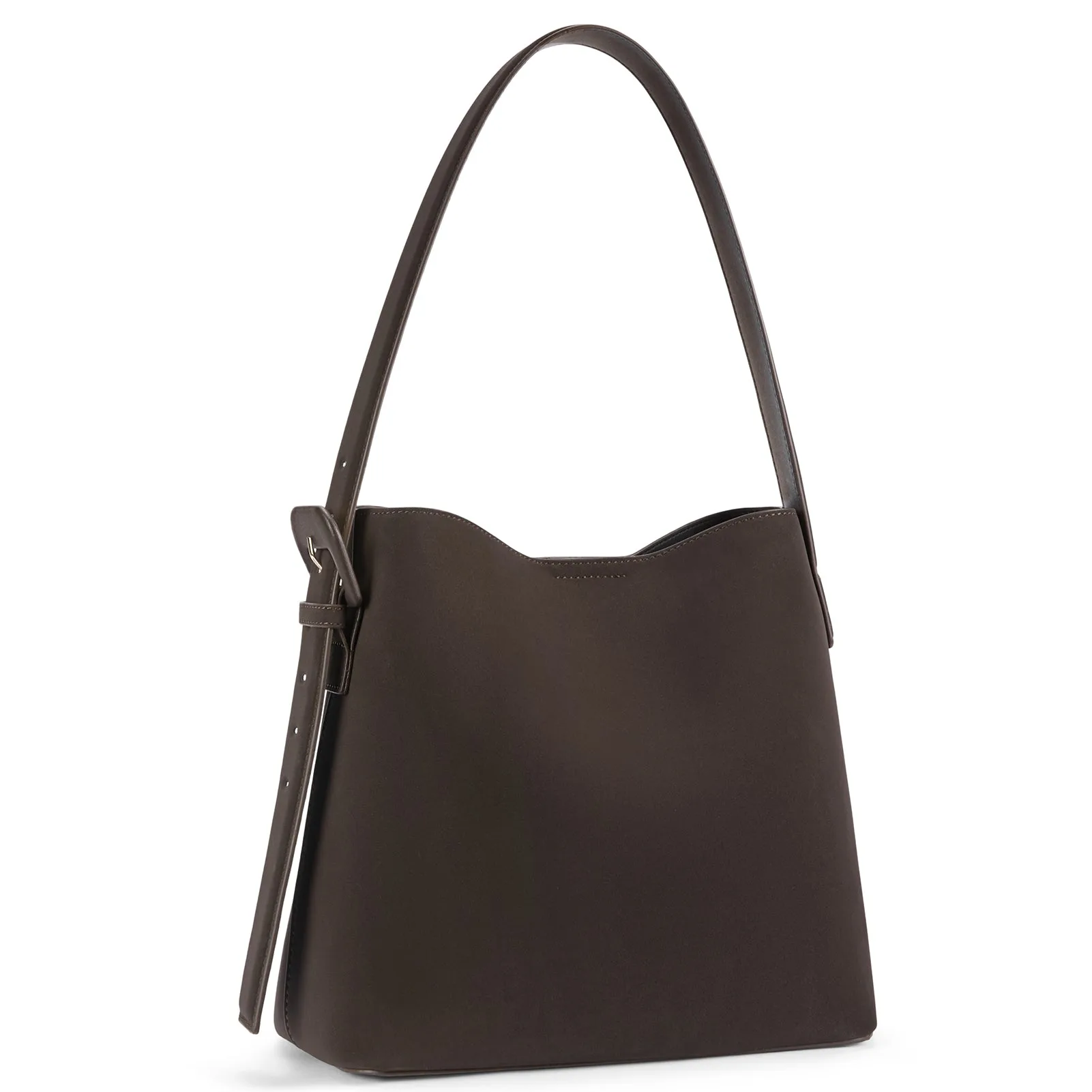
- Lotty Soft Leather Chic Bucket Bag: Structured bucket-shaped bag with ample space and multiple pockets, wearable as a shoulder or handbag. If you prefer a smaller carry for short trips, this shape holds its structure with light stuffing and the multiple pockets make it easy to empty completely after travel.
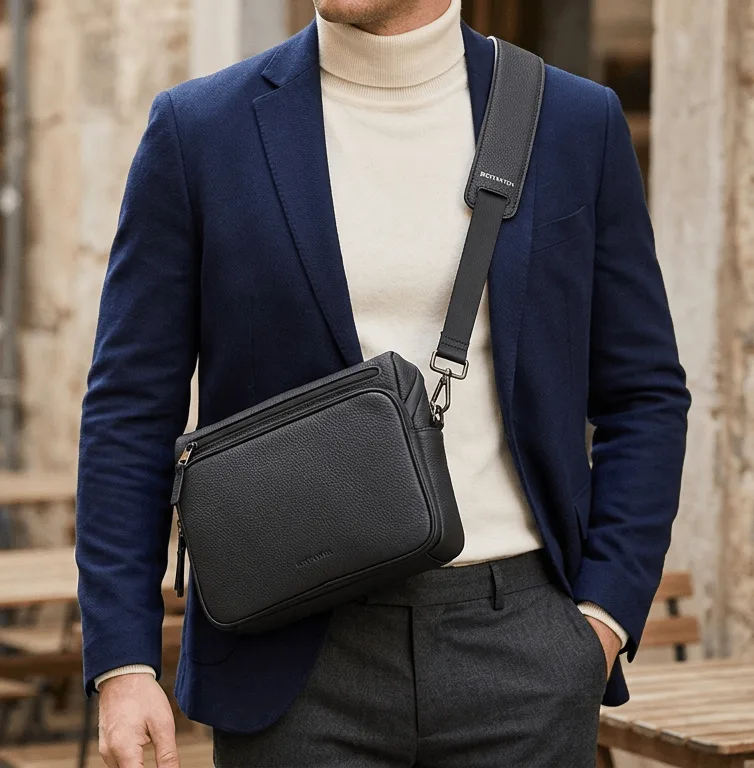
- Apex Organizer Pack | Pebbled Leather Tech Crossbody: Premium full-grain pebbled leather that is soft to the touch yet durable and scratch-resistant, with dual padded iPad/tablet sleeves. Pebbled leather hides scuffs well, so it needs less spot-cleaning after a trip. The padded sleeves mean you can carry tech separately from a duffel, reducing the chance of pressure marks on your leather bag.
- NOVA Checkered Leather Bum & Crossbody Bag – RFID Protected: Spacious 3-compartment layout with room for a phone, wallet, and even a 24oz bottle; adjustable, detachable wide straps. A secondary bag like this keeps small essentials out of your duffel, so you're not digging through the main compartment and risking scratches. The detachable strap also makes it easy to clean and store flat.
A leather duffel rewards a little attention after every trip. Ten minutes of emptying, wiping, drying, and conditioning keeps the leather supple, the hardware clean, and the shape intact — so it's ready to grab and go next time. Build the habit now and you'll get years of travel out of it.