Quick answer
Condition leather every 3–6 months for most items, or more often if it feels dry or stiff. Leather can get wet, but blot it dry and let it air-dry away from heat. Treat stains promptly with a damp cloth and mild leather cleaner, and store pieces in a cool, dry place with padding to prevent cracking.
Leather goods are built to last, but they need occasional care to stay supple and look their best. The questions below cover the situations that come up most often—conditioning schedules, water exposure, stain removal, and storage.
Every piece is different, so use these answers as a starting point and adjust based on how the leather feels and where you use it.
How often should I condition my leather?
For most leather goods, conditioning every three to six months is enough. If the leather feels dry, stiff, or looks dull, it’s asking for moisture sooner. Items used daily—like a wallet or a bag—may need conditioning more often than something stored away.
Always clean the surface first with a soft, damp cloth and let it dry completely before applying a conditioner. Use a product made for the type of leather you have, and apply a thin, even layer. Let it absorb, then buff off any excess. Over-conditioning can make leather feel greasy and attract dirt, so don’t overdo it.
- Test any product on a small, hidden area first.
- Avoid conditioners with harsh chemicals or silicone.
- If the leather darkens temporarily, that’s normal—it usually lightens as it dries.
Can leather get wet?
Yes, leather can get wet, but how you handle it matters. If your leather gets caught in the rain, blot it with a dry cloth to remove surface water. Never rub aggressively, as that can push water into the pores. Let it air-dry naturally, away from direct heat or sunlight.
Once dry, the leather may feel stiffer. A light conditioning after it’s fully dry will restore suppleness. For heavy soaking, stuff bags or boots with crumpled paper to help them hold their shape while drying. Avoid using a hair dryer or radiator—high heat can crack the leather.
- Wipe off water as soon as you can.
- Air-dry at room temperature, not near a heater.
- Condition after drying to prevent stiffness.
How do I remove stains from leather?
For fresh stains, act quickly. Blot liquids with a clean, dry cloth—don’t rub. For oil-based stains, sprinkle a little cornstarch or talcum powder on the spot and let it sit for a few hours to absorb the oil, then brush it off. For water-based stains, a damp cloth with a tiny amount of mild leather cleaner can work. Always test in a hidden spot first.
If the stain persists, it’s best to consult a professional leather cleaner. Harsh chemicals, vinegar, or abrasive scrubbing can damage the finish. Remember that some stains, like ink, are very difficult to remove and may require expert help.
- Blot, don’t rub, when a spill happens.
- Use a leather-specific cleaner, not household detergents.
- When in doubt, seek professional help.
How should I store leather goods to prevent cracking?
Store leather in a cool, dry place away from direct sunlight and heat sources. Humidity can cause mold, while dry heat can cause cracking. For bags, stuff them with tissue paper or bubble wrap to maintain their shape, and place them in a dust bag. For boots, use boot trees or stuff the shafts with paper to keep them upright.
Avoid storing leather in plastic bags, which can trap moisture and lead to mildew. If you’re storing items long-term, check them every few months and condition if needed. Proper storage is key to leather cracking prevention.
- Use dust bags or breathable cotton covers.
- Keep leather away from direct sunlight.
- Check stored items periodically for dryness or mold.
Leather care quick reference
Conditioning frequency
Every 3–6 months for most items, or when leather feels dry or stiff. Mark your calendar or check after each season change.
Water exposure
Blot excess water, air-dry away from heat, and condition after drying. Never use direct heat to speed drying.
Stain removal
Blot fresh spills, use cornstarch for oil, and a mild leather cleaner for water-based stains. Test any product in a hidden area first.
Storage
Keep in a cool, dry place, stuff bags and boots to hold shape, and avoid plastic bags. Check stored items every few months.
Leather goods built for care
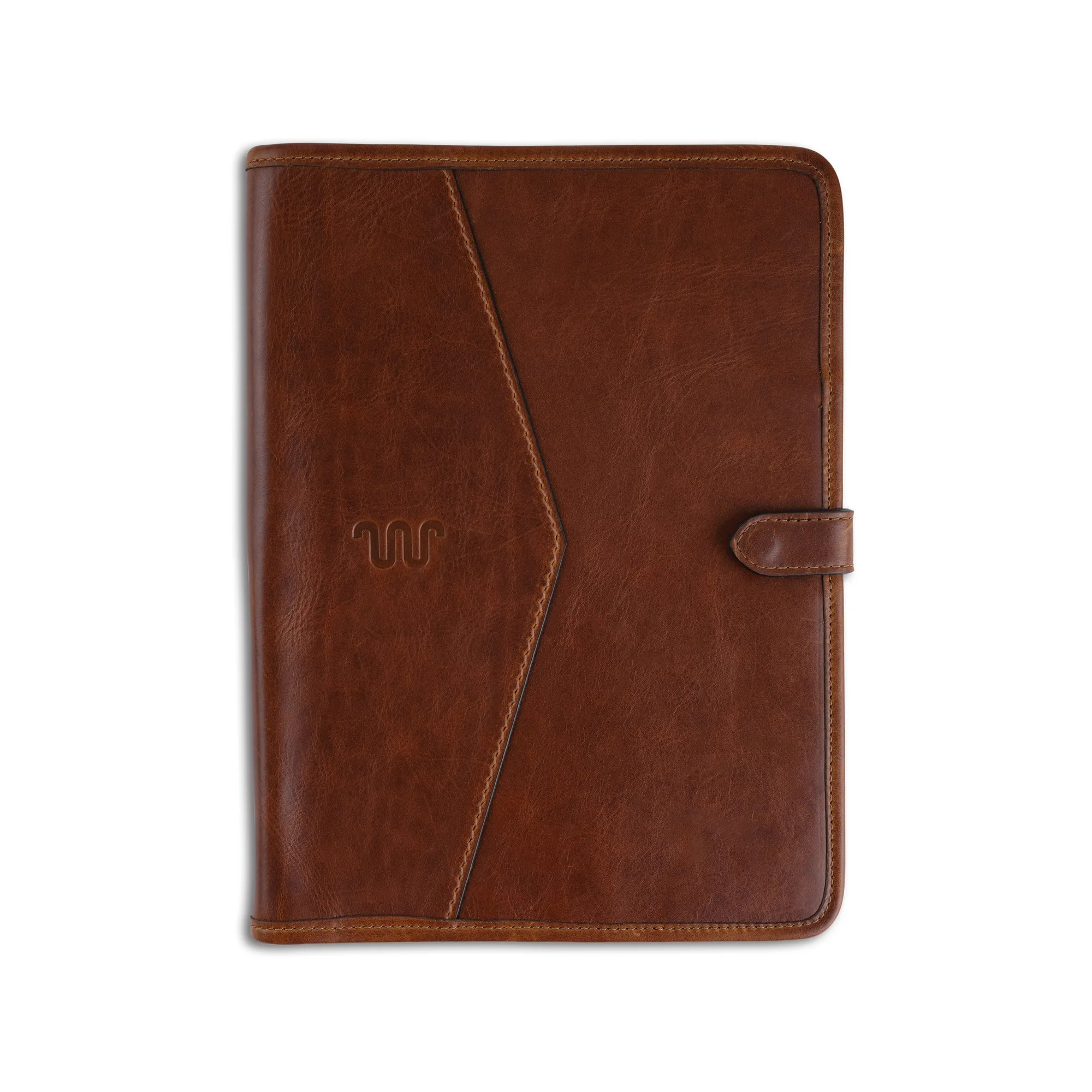
- Kineño Leather Agenda: Full-grain leather crafted for a worn-in look that deepens with time, specially tanned for softness, flexibility, and moisture resistance. Moisture resistance helps it handle light rain, but regular conditioning still keeps the leather supple and extends its life.
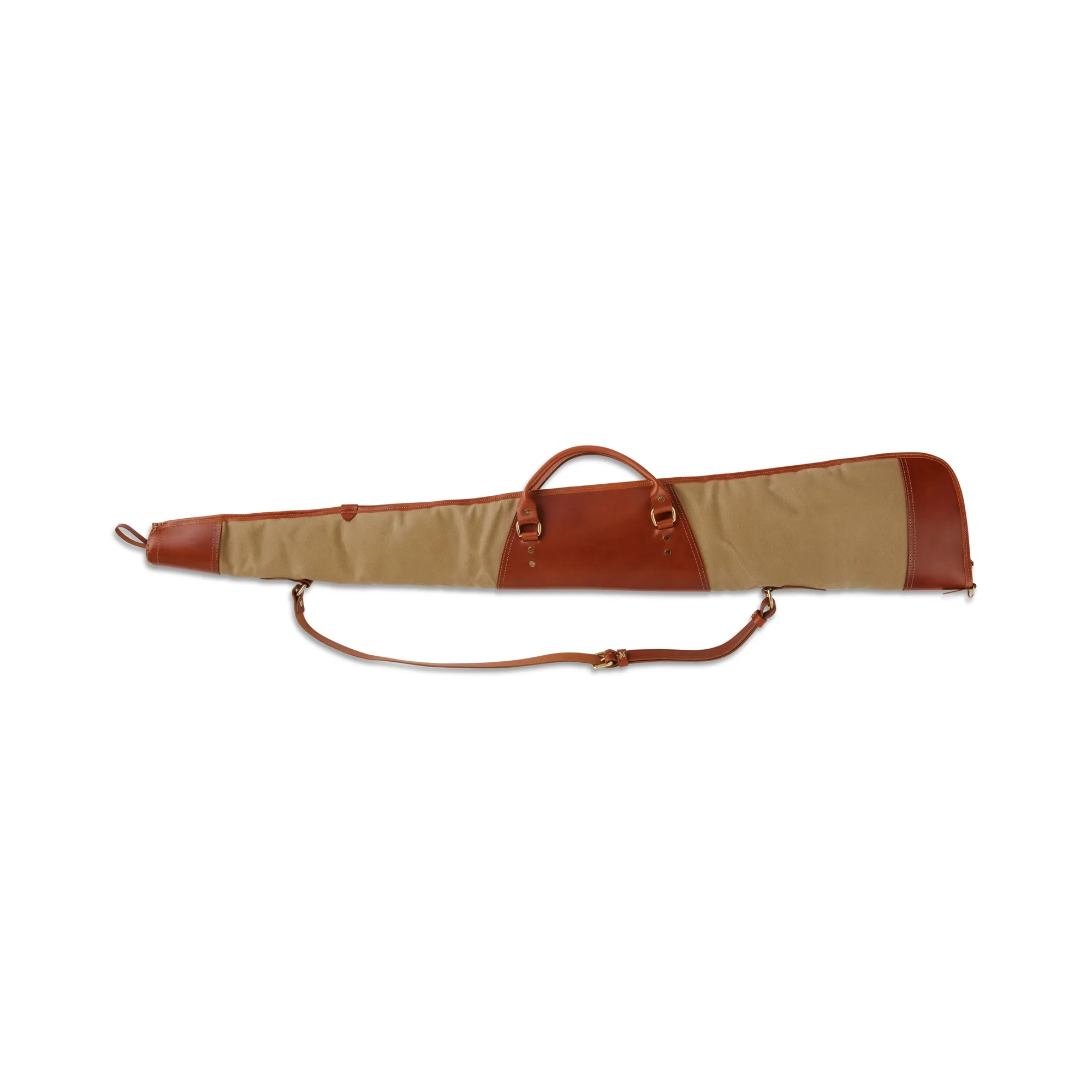
- King Ranch Waxed Canvas Shotgun Case: Crafted from 24 oz heavyweight waxed canvas and Italian leather. The waxed canvas adds water resistance, but the leather trim still benefits from occasional conditioning to prevent drying.
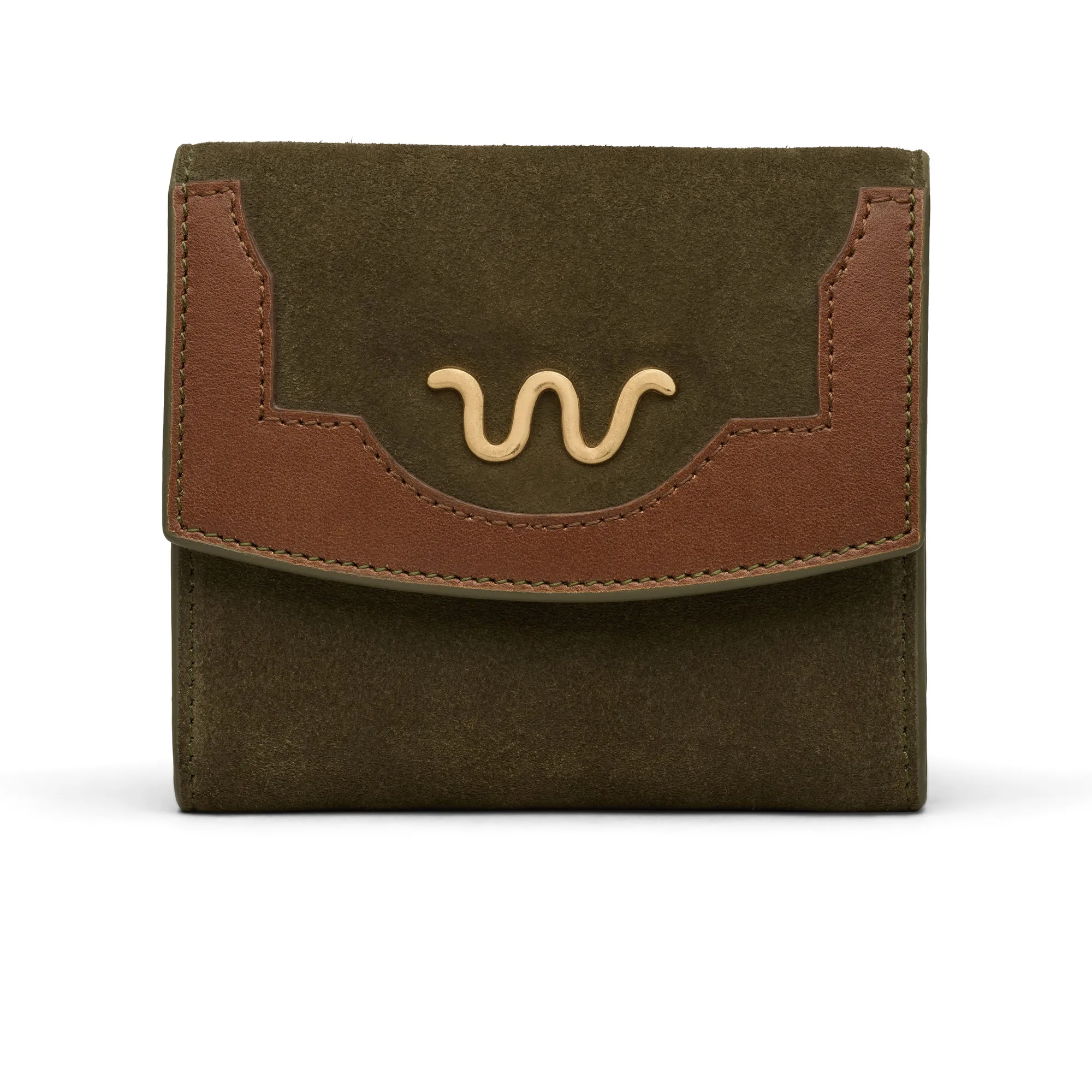
- Legacy Leather Small Wallet: Crafted from luxurious cowhide and trimmed with supple leather, with multiple pockets and card slots. Daily handling exposes it to oils and moisture; conditioning every few months keeps the leather from drying out and cracking.
With a little routine care, leather goods age gracefully and stay ready for everyday use. When in doubt, gentle handling and prompt attention to spills go a long way.