Quick answer
For authentic feel and durability, leather whips are superior, especially genuine cowhide or kangaroo hide. Synthetic whips like para cord nylon are more affordable and easier to maintain, making them ideal for beginners or wet weather. Choose leather for traditional performance and aesthetics; choose synthetic for budget and low maintenance.
When choosing a whip, the material is a key decision. Leather whips, such as those made from cowhide or kangaroo hide, offer traditional performance and durability. Synthetic options, like para cord nylon, provide affordability and weather resistance. This comparison helps you decide based on your skill level, budget, and intended use.
We'll explore the trade-offs between leather and synthetic whips, referencing real products to illustrate the differences. Whether you're a performer, collector, or beginner, understanding these materials ensures you pick the right whip for your needs.
Material and Craftsmanship
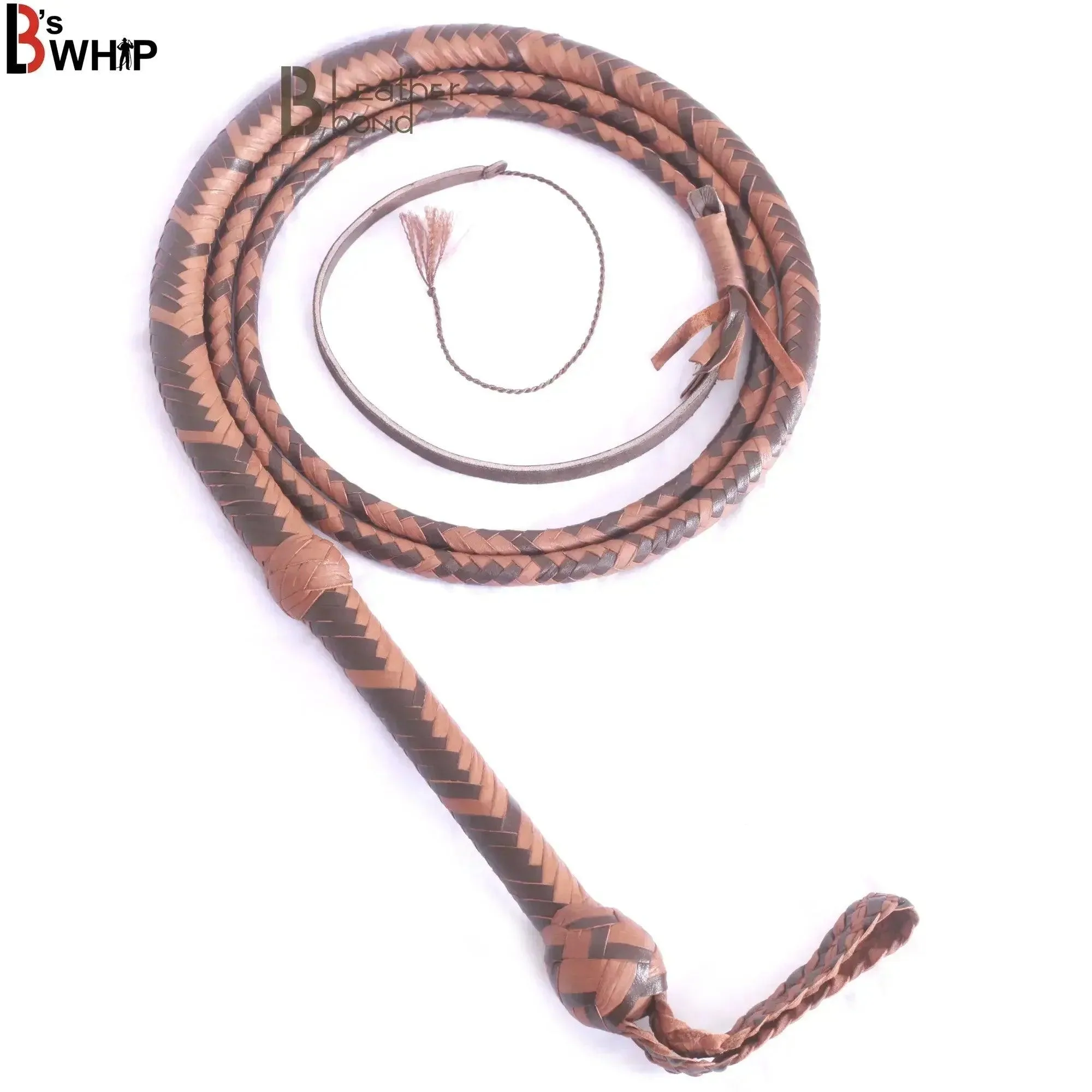
Leather whips are handcrafted from hides like cowhide or kangaroo. For example, the Indiana Jones Style 6 Foot 16 Plait Dark Brown Leather Bullwhip features genuine cowhide leather overlay with 8 plaits, showcasing traditional craftsmanship. Leather offers a classic look and feel that many enthusiasts prefer.
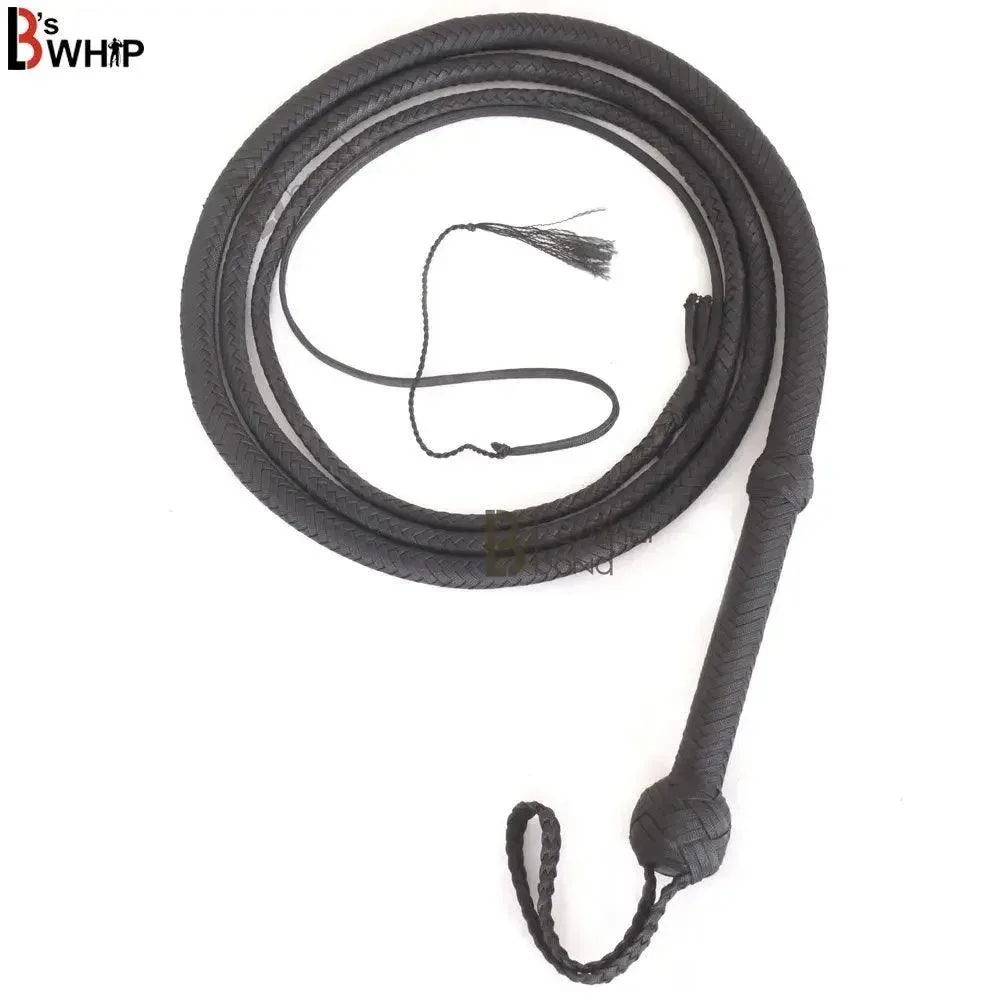
Synthetic whips, such as the Black Indiana Jones Style Bullwhip made from 12-strand para cord nylon, are machine-made or hand-braided from durable nylon. They are often more affordable and consistent in quality. The trade-off is that synthetics lack the natural texture and break-in period of leather.
- Leather: authentic, breathable, and develops a unique patina over time.
- Synthetic: uniform, lightweight, and available in various colors.
Durability and Maintenance
Leather whips are durable but require regular conditioning to prevent drying and cracking. They are sensitive to moisture and extreme temperatures. Proper storage and care extend their lifespan significantly.
Synthetic whips are nearly maintenance-free. They resist moisture, don't require conditioning, and can withstand harsh conditions. However, they may not last as long as high-quality leather if used heavily, as nylon can fray over time.
- Leather: needs conditioning every few months; avoid getting wet.
- Synthetic: wipe clean; no conditioning needed.
Performance and Feel
Leather whips, like the Kangaroo Hide Leather Snake Whip, are praised for their balance and crisp crack. Kangaroo hide is lightweight yet strong, offering excellent performance for experienced users. Leather whips also have a satisfying weight and flexibility that many find superior.
Synthetic whips are often lighter and more forgiving, making them easier for beginners to control. The Black Indiana Jones Style Bullwhip is an excellent entry point for learning cracking techniques without the cost of leather. However, some enthusiasts feel synthetics lack the 'soul' of leather.
- Leather: superior balance and crack; requires skill to handle.
- Synthetic: easier to control; less 'authentic' feel.
Cost and Value
Leather whips are generally more expensive due to material and craftsmanship. The Kangaroo Hide Snake Whip is priced at $33.65, while the cowhide bullwhip is $21.63. These prices reflect the quality and durability.
Synthetic whips are budget-friendly, like the para cord bullwhip at $21.63, offering good value for beginners or those who want a backup whip. They provide a low-cost way to explore whip cracking.
- Leather: higher upfront cost but long-term durability.
- Synthetic: lower cost, ideal for testing interest.
Trade-offs at a Glance
- Leather Whips: Offer authentic feel, durability, and classic aesthetics. Require regular maintenance and are sensitive to moisture. Choose leather for traditional performance and craftsmanship.
- Synthetic Whips: Provide affordability, low maintenance, and weather resistance. May lack the authentic feel and long-term durability of leather. Choose synthetic for budget and ease of care.
- Skill Level: Beginners may benefit from synthetic whips' lighter weight and forgiveness. Experienced users might prefer leather's balance and crack. Match the whip to your experience and goals.
Product Facts
- Indiana Jones Style 6 Foot 16 Plait Dark Brown Leather Bullwhip Real Cowhide Leather Bull Whip: Genuine Cow Hide Leather Overlay. Fully Hand Crafted Overlay with 8 Plaits. Bull Whip length is measured from the base knot to the end of plaited thong. (Not including the fall and cracker). Turks Head Knot and wrist loop with 12 inches Fall and 8 inches cracker. Best for Whip Cracking Sports and Farming. This leather whip offers traditional craftsmanship and durability, ideal for those who value authenticity and are willing to maintain it.
- Black Indiana Jones Style Bullwhip | 6 to 12 Feet | 12 Strands Para Cord Nylon | Whips for Sale – Leather Bond: Constructed from 12-strand para cord nylon, this leather bull whip alternative delivers... This synthetic whip provides an affordable, low-maintenance option for beginners or those who prefer a lighter, weather-resistant whip.
Which Should You Choose?
Best for
- Traditionalists and performers who want authentic leather feel and are willing to maintain it.
- Those seeking a durable, high-quality whip for frequent use and are comfortable with higher cost.
Not for
- Beginners on a budget who want a low-cost way to learn cracking.
- Those who need a whip for wet or humid conditions and prefer minimal maintenance.
Ultimately, the choice between leather and synthetic whips depends on your priorities. Leather offers unmatched authenticity and durability for those who invest in care. Synthetic provides an accessible, low-maintenance alternative for beginners and casual users. Assess your skill level, budget, and intended use to make the right decision.