Quick answer
An LED face mask uses specific light wavelengths to kill acne bacteria and calm inflammation. Blue light targets surface bacteria, while red light reduces redness and supports healing — making these masks a non-invasive option for mild to moderate breakouts.
Why light color matters for acne
Not all LED light is the same. Blue light (around 415 nm) is absorbed by porphyrins inside Cutibacterium acnes bacteria, producing free radicals that destroy the bacteria. This directly reduces the bacterial load on your skin.
Red light (around 630–660 nm) penetrates deeper into the skin layers. It stimulates mitochondria in your cells, boosting energy production and reducing inflammatory signals. For acne, this means less redness around existing pimples and faster recovery after breakouts.
Some masks combine both wavelengths — and a few add other colors like amber or near-infrared — but for acne specifically, blue and red are the ones backed by the most clinical evidence.
What to expect from a home LED mask
Consistency matters more than session length. Most studies showing improvement used treatments 3–5 times per week for 10–20 minutes over 4–8 weeks. You won't see results overnight, but gradual clearing and less inflammation are realistic goals.
LED masks are painless and require no downtime, which makes them easy to fit into a routine. However, they work best on mild to moderate inflammatory acne (red, swollen pimples). Deep cystic acne or hormonal breakouts may need additional treatments alongside light therapy.
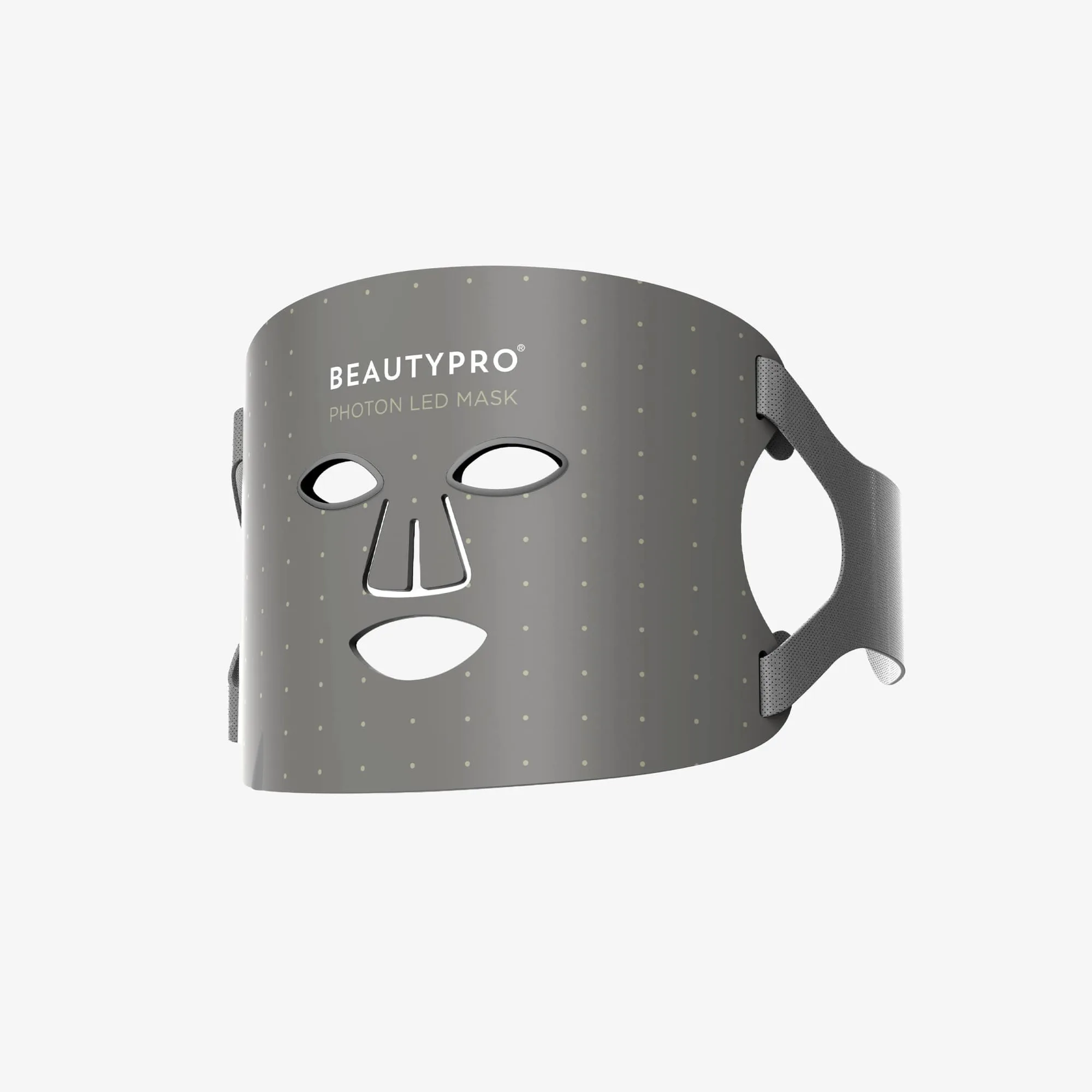
A device like the BeautyPro Photon LED Light Therapy Facial Mask includes both blue and red lights in a single session, so you don't have to choose between bacterial control and calming inflammation.
Diagnosing whether an LED mask fits your acne
- Symptom: You have frequent red, inflamed pimples or whiteheads, especially on the cheeks, chin, or forehead. Blackheads and clogged pores are also present but not the main concern.
- Likely cause: Overgrowth of C. acnes bacteria combined with inflammation. Your skin's natural immune response makes each pimple redder and slower to heal.
- Corrective action: Use an LED face mask with blue and red light for 10–20 minutes, 4–5 times per week. Cleanse your face first and wear the mask over dry skin. Continue for at least 4 weeks before evaluating progress. Consistency is key — skipping sessions reduces the antibacterial effect of blue light.
- When to stop or choose another option: If your acne is deep, painful, cystic, or covers large areas of your face, LED alone is unlikely to clear it. See a dermatologist for prescription treatments. Also stop if you experience skin irritation, though this is rare with LED therapy. LED masks complement but do not replace medical acne treatments for severe cases.
Product spotlight
-
BEAUTYPRO | Photon Led Light Therapy Facial Mask: The BeautyPro Photon LED Light Therapy Facial Mask uses five LED colours including blue and red, with 432 LEDs across the mask. Having both blue and red light in one device means you can target acne bacteria and reduce redness in the same treatment, without switching modes or buying separate tools.
BEAUTYPRO | Photon Led Light Therapy Facial Mask