If you have sensitive skin, you know the struggle: redness, stinging, and flare-ups can happen with even the gentlest products. So when it comes to high-tech beauty devices like LED light therapy, it's natural to wonder: is it safe? The good news is that LED therapy is generally well-tolerated, even for sensitive skin types. Unlike harsh chemical peels or abrasive scrubs, LED light works at a cellular level without causing surface trauma, making it a promising option for those who need a gentle yet effective skincare approach.
In this article, we'll break down how LED light therapy interacts with sensitive skin, what to look for in a device, and how to use it to minimize any potential irritation. We'll also address common concerns like side effects and whether blue light is safe for reactive skin. By the end, you'll have the confidence to decide if LED therapy deserves a spot in your routine.
What Makes LED Light Therapy Different for Sensitive Skin?
Sensitive skin is often characterized by a compromised skin barrier, which means it's more prone to irritation and inflammation. Traditional anti-aging treatments, like retinoids or chemical peels, can exacerbate these issues by stripping the skin's natural oils. LED light therapy, on the other hand, is non-invasive and doesn't rely on chemical exfoliation. It uses specific wavelengths of light to penetrate the skin and stimulate cellular repair, which can actually help strengthen the barrier over time.
Red light therapy, in particular, is known for its anti-inflammatory properties. It can calm redness and promote healing, making it a great choice for sensitive skin. Near-infrared light penetrates even deeper, aiding in tissue repair and reducing inflammation. Because these wavelengths are gentle, they're less likely to cause the stinging or burning sensations that other treatments might trigger. However, it's important to note that individual reactions can vary, so patch testing is always a smart first step.
- Always patch test a new device on a small area of skin before full-face use.
- Start with shorter sessions (5-10 minutes) and gradually increase as your skin adjusts.
Is Red Light Therapy Safe for Sensitive Skin?
Red light therapy is often recommended for sensitive skin because it works by reducing oxidative stress and promoting collagen production without generating heat or UV damage. This makes it a safe option for those with rosacea, eczema, or general redness. In fact, many dermatologists suggest red light therapy as a complementary treatment for inflammatory skin conditions.
When using a red light device, such as an LED mask or wand, you should feel a warm, soothing sensation—not pain. If you experience discomfort, it's a sign to adjust the distance or duration. Always follow the manufacturer's guidelines, and if you have a severe skin condition, consult your dermatologist before starting.
- Look for devices with FDA-cleared wavelengths (typically 630-660nm for red light).
Blue Light for Acne: Is It Safe for Reactive Skin?
Blue light therapy is a popular acne treatment because it targets the bacteria that cause breakouts. However, for sensitive skin, there's a concern that blue light might be too intense. In reality, blue light is generally safe, but it can cause temporary redness or dryness in some individuals. The key is to use it in moderation and always follow with a hydrating moisturizer.
If you have sensitive skin and are prone to acne, consider using a device that offers both red and blue light, like the LumaGlow Blue | Anti-Acne LED Light Therapy Wand. This allows you to treat breakouts with blue light while using red light to soothe and heal the skin. Alternatively, you can alternate days: use blue light one day, red light the next, to minimize irritation.
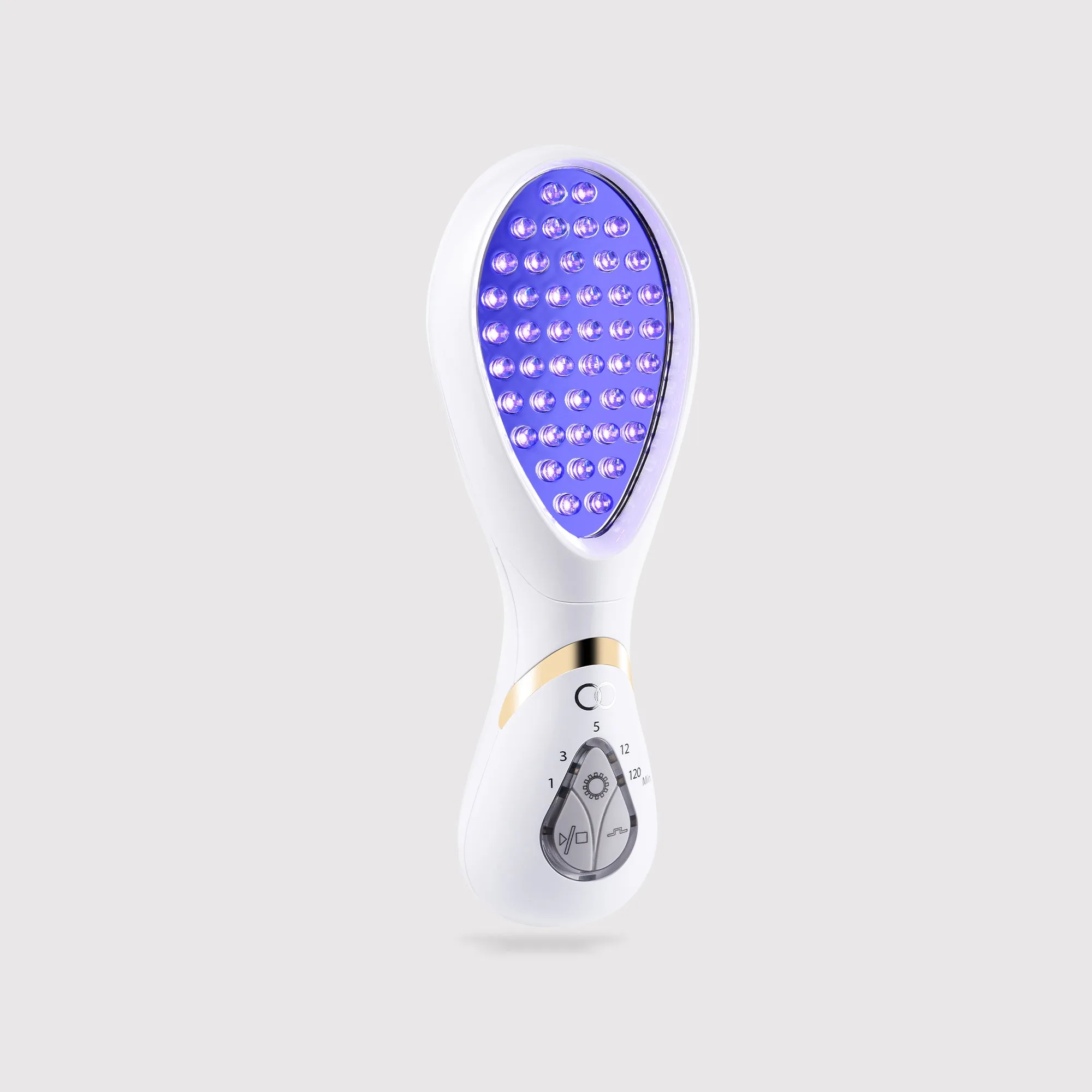
LumaGlow Blue | Anti-Acne LED Light Therapy Wand
- Always cleanse and pat dry before using blue light to avoid trapping bacteria.
- Apply a gentle, fragrance-free moisturizer after your session to lock in hydration.
Can LED Therapy Cause Side Effects?
LED light therapy is considered low-risk, but like any treatment, it can have side effects, especially if used improperly. The most common are temporary redness, dryness, or slight tingling, which typically subside within a few hours. These effects are more likely to occur if you use the device too frequently or for too long, or if you have a pre-existing skin condition.
To minimize side effects, start with short sessions and gradually increase. Also, ensure your skin is clean and free of active irritants (like retinol or acids) before using LED therapy. If you're using a device that requires contact with the skin, like a derma roller, be extra cautious—combining microneedling with LED can be powerful but may increase sensitivity. For those interested, the Derma Roller Set 4 Pieces offers a gentle way to boost product absorption, but always sanitize it properly.
- Avoid using LED therapy on broken or sunburned skin.
- If you experience persistent irritation, stop use and consult a professional.
Tips for Using LED Therapy on Sensitive Skin
To get the most out of LED therapy without irritating your skin, follow these practical tips. First, always start with a clean, dry face. Remove makeup and any active serums, as they can increase photosensitivity. Second, use a device that's designed for sensitive skin, such as a wand or mask with adjustable intensity settings. Third, keep sessions short—10 minutes is often enough for at-home devices.
Hydration is crucial before and after your session. Apply a gentle toner or essence, and follow with a soothing moisturizer containing ceramides or hyaluronic acid. This helps reinforce your skin barrier. Also, consider pairing your LED therapy with a calming mask, like the Duo Eye Renewal Set for the delicate eye area, which can be used with red light to reduce puffiness and fine lines.
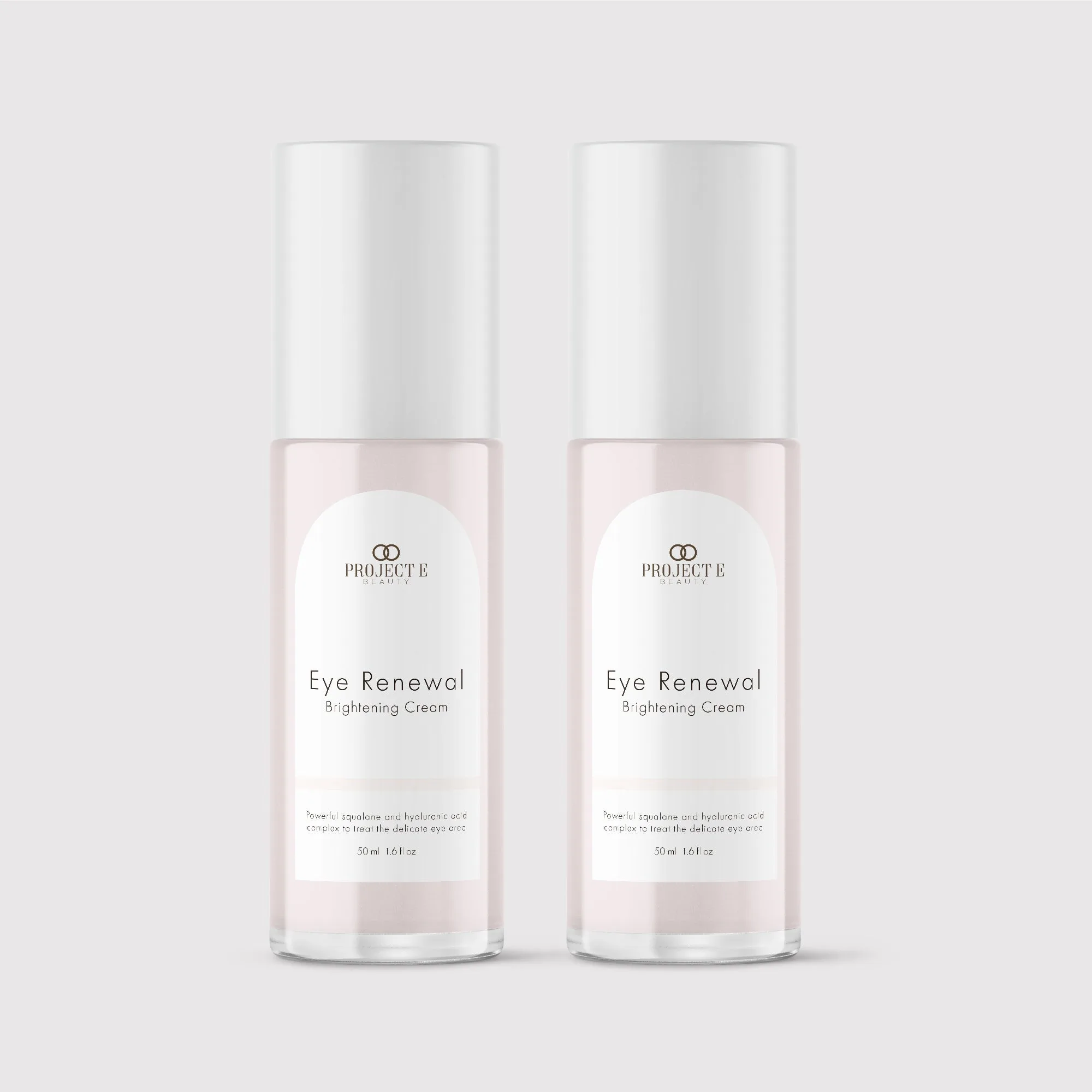
Duo Eye Renewal Set
- Use a barrier-repairing moisturizer after every session.
- Avoid combining LED therapy with strong exfoliants on the same day.
Choosing the Right LED Device for Your Skin
When selecting an LED device, look for one that offers both red and near-infrared light, as these are the most beneficial for sensitive skin. Devices with a timer and automatic shut-off are also helpful to prevent overuse. If you're new to LED therapy, a wand or a mask with low-intensity settings is a good starting point.
For those with a larger budget, consider a full-face mask that allows hands-free use. However, even a simple wand can be effective if used consistently. Remember to check for FDA clearance and read reviews from users with similar skin types. And don't forget about maintenance—keeping your device clean and using the correct accessories, like a compatible charging cable, ensures it works safely and effectively.
- Look for devices with multiple light settings to customize your treatment.
- Invest in a quality device from a reputable brand to ensure safety and efficacy.
LED light therapy can be a safe and effective addition to your skincare routine, even if you have sensitive skin. By choosing the right device, starting slowly, and listening to your skin, you can enjoy the benefits of red and blue light without irritation. If you're ready to give it a try, explore our collection of LED devices designed with sensitive skin in mind, like the LumaGlow Blue wand, and start your journey to calmer, healthier skin today.