Quick Answer
If your main concerns are fine lines, acne, or overall skin rejuvenation, LED light therapy is a gentle, hands-off choice that works from within. If you want immediate smoothing of texture and brighter skin, microdermabrasion removes the top layer for fast results. For best outcomes, many people combine both—LED for long-term collagen and microdermabrasion for instant polish.
When you're deciding between LED light therapy and microdermabrasion, you're really choosing between two different skin philosophies. Microdermabrasion physically exfoliates the surface to reveal fresh skin, while LED light therapy penetrates deeper to stimulate cellular repair. Both have loyal fans, but they solve different problems.
This comparison breaks down how each works, what they’re best for, and the honest tradeoffs—so you can pick the approach that matches your skin type, goals, and tolerance for downtime.
How Microdermabrasion Works and What It’s Best For
Microdermabrasion uses a handheld device with a diamond-tip or crystal spray to gently sand away the outermost layer of dead skin cells. This immediate exfoliation reveals a smoother, brighter complexion and can help reduce the appearance of fine lines, sun damage, and mild acne scars.
Because it physically removes the top layer, results are noticeable right after treatment. However, the effect is temporary—your skin will continue to produce new cells, but you’ll need regular sessions to maintain the glow. It’s also not suitable for active acne, rosacea, or very sensitive skin, as the suction and abrasion can irritate inflamed areas.
- Best for dull skin, rough texture, and superficial hyperpigmentation.
- Immediate results but requires repeated sessions for lasting change.
- Not for active breakouts or sensitive, easily irritated skin.
How LED Light Therapy Works and What It’s Best For
LED light therapy uses specific wavelengths of light to penetrate the skin at different depths. Red light (around 630nm) targets the dermis to boost collagen production and reduce fine lines, while blue light (around 460nm) kills acne-causing bacteria on the surface. Infrared light reaches even deeper to enhance healing and reduce inflammation.
Unlike microdermabrasion, LED therapy is completely non-invasive and painless. There’s no downtime, and it’s safe for most skin types, including sensitive skin. However, it’s not a quick fix—you’ll need consistent sessions over weeks to see collagen remodeling and long-term improvements.
- Ideal for anti-aging, acne, and overall skin health without irritation.
- Requires consistent use (several times per week) for best results.
- Safe for sensitive skin and can be combined with other treatments.
Comparing Results: Speed vs. Sustainability
Microdermabrasion gives you a 'wow' moment right after the session—your skin feels baby-smooth and looks radiant. But that glow fades as your skin regenerates, and over-exfoliation can compromise your moisture barrier if you’re not careful.
LED light therapy works more slowly but builds cumulative results. After several weeks of regular use, you’ll notice improvements in skin tone, texture, and firmness that last longer because you’re stimulating natural repair processes. It’s a better long-term investment for collagen and acne control.
- Microdermabrasion: instant gratification, short-lived results.
- LED: patient, progressive, and longer-lasting benefits.
- Consider your lifestyle: can you commit to weekly appointments or at-home sessions?
Can You Use Both Together?
Yes, many dermatologists recommend combining both for a comprehensive approach. Microdermabrasion removes the barrier of dead skin cells, allowing LED light to penetrate more effectively. This synergy can enhance results for both texture and anti-aging.
If you’re doing both at home, a common routine is to microdermabrade first (maybe once a week) and then use LED therapy a few times a week on non-exfoliation days. Always follow with moisturizer and sunscreen, as exfoliation increases photosensitivity.
- Use microdermabrasion first to prep skin, then LED for deeper penetration.
- Don’t overdo exfoliation—listen to your skin’s tolerance.
- Always wear SPF after any exfoliating treatment.
The Honest Tradeoffs
- Immediate results vs. long-term investment: Microdermabrasion gives you a visible glow right after treatment, but it fades within days. LED therapy takes weeks to show improvement, but the benefits—like increased collagen—are more lasting. If you have an event coming up, microdermabrasion wins. If you’re planning for next year, LED is the smarter bet.
- Surface vs. deeper skin changes: Microdermabrasion only affects the top layer of skin, so it’s great for texture and superficial pigmentation. LED light penetrates deeper to influence cellular activity, making it better for collagen production and acne bacteria. For acne scars that sit below the surface, LED may offer more meaningful improvement over time.
- Suitability for sensitive or active acne: Microdermabrasion can irritate active breakouts and is not recommended for rosacea or very sensitive skin. LED is non-abrasive and anti-inflammatory, making it a gentler choice for those with reactive skin. If your skin is easily reddened or you have active acne, start with LED and skip the microdermabrasion until your skin calms.
LED Light Therapy Devices to Consider
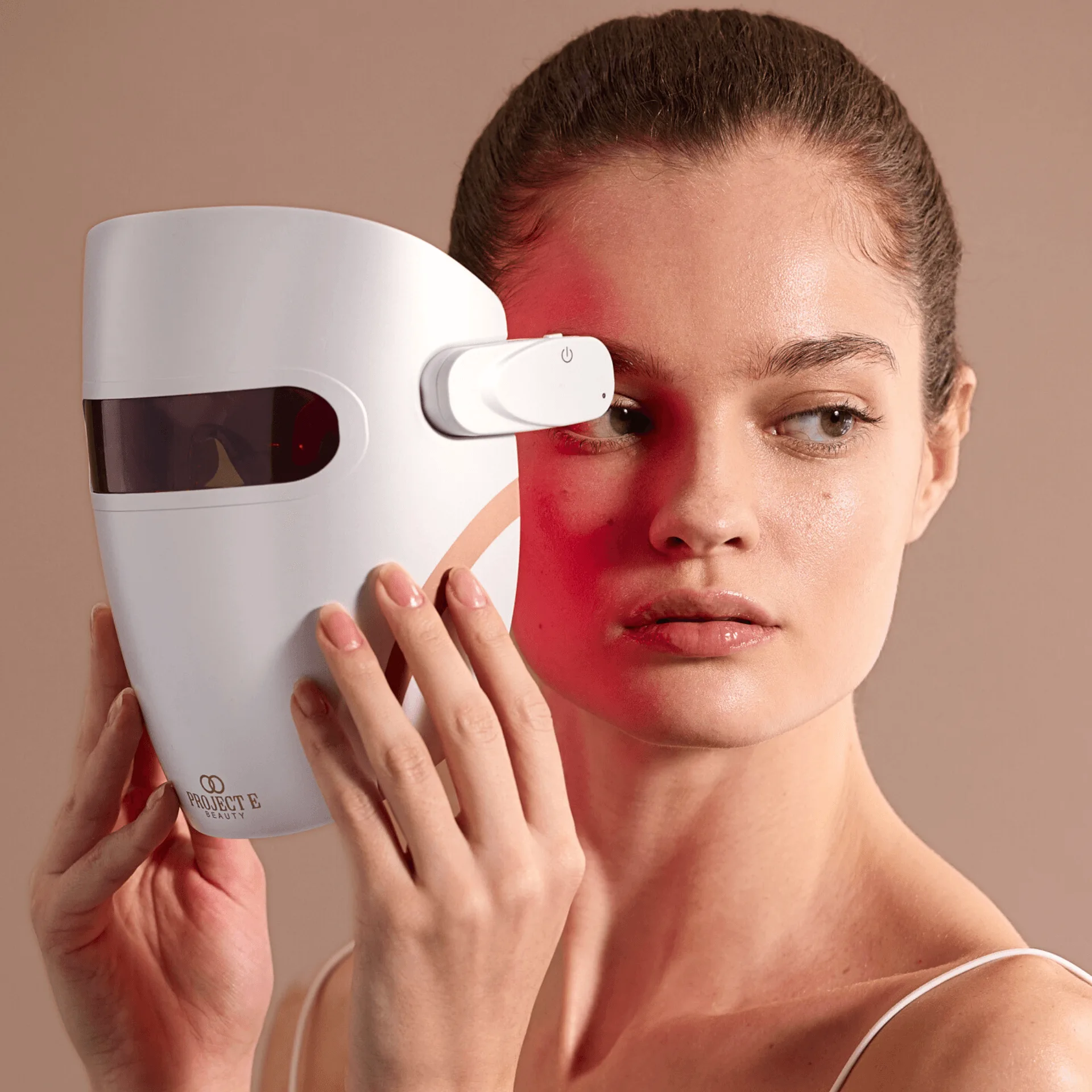
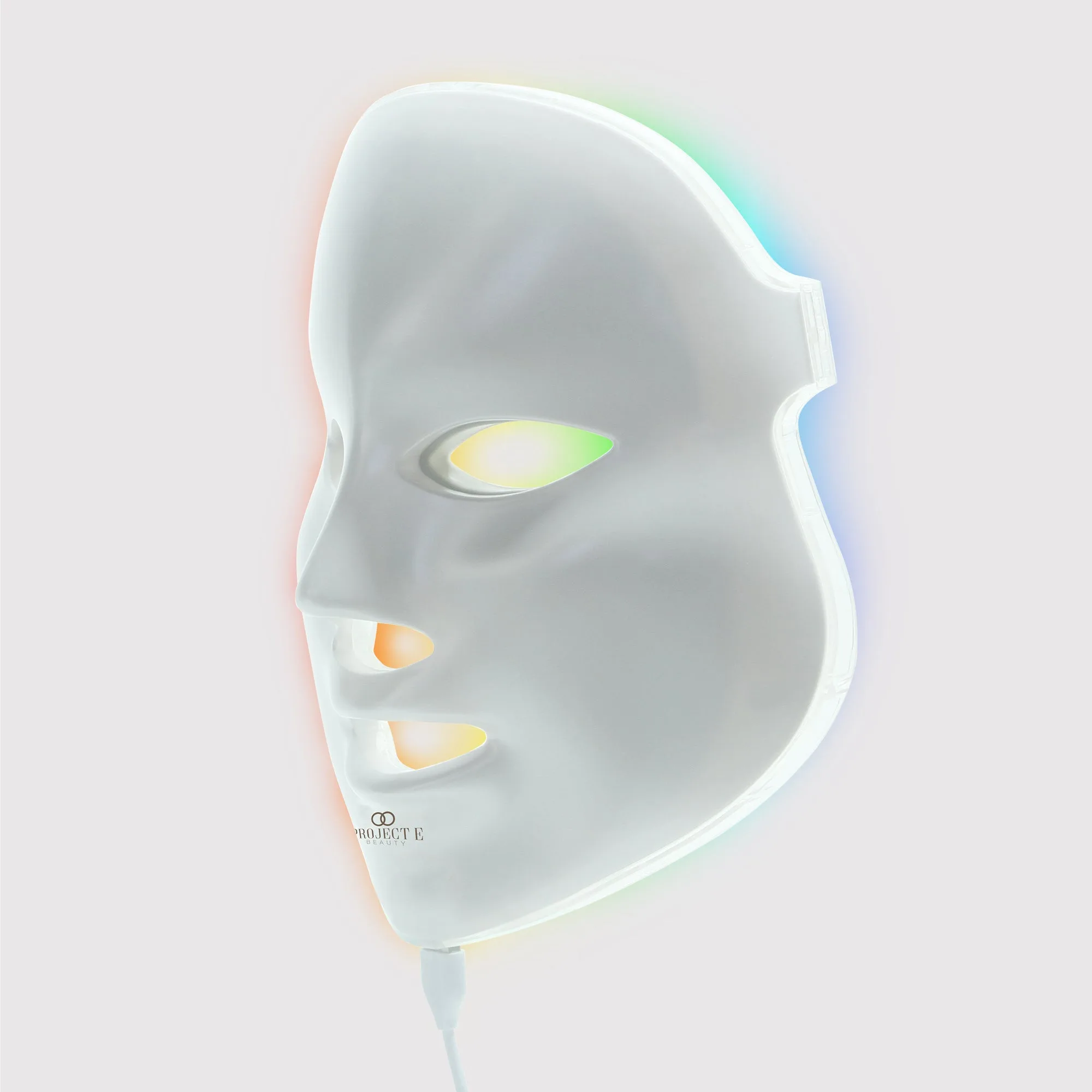
- LightAura | LED Face Mask: 450 powerful LEDs for full and even coverage, 7 clinically-backed wavelength modes, auto shut down for safety. If you’re new to LED and want a full-face treatment, this mask offers multiple wavelengths to target acne, aging, and tone without a trip to the clinic.
- Lumamask Pro | LED Red Light Therapy Face Mask: 3 clinically recognized wavelengths—red (630nm), blue (460nm), and infrared (850nm)—with 72 LEDs and a 12-minute auto shut down timer. This mask is designed for both anti-acne and anti-aging, making it a versatile option if you want to address both breakouts and fine lines in one device.
Which Should You Choose?
Best for
- People with dull, rough skin who want a quick glow before an event.
- Those with superficial hyperpigmentation or fine lines who can commit to regular clinical or at-home exfoliation sessions.
Not for
- Anyone with active acne, rosacea, or extremely sensitive skin—microdermabrasion may worsen irritation.
- If you’re looking for long-term collagen remodeling or acne control, LED is more effective and safer for daily use.
Both LED light therapy and microdermabrasion have a place in a well-rounded skincare routine. Choose microdermabrasion for instant smoothing and brightness, or LED for gentle, progressive anti-aging and acne support. If your budget and skin allow, combining them can give you the best of both worlds—just remember to protect your skin with SPF and moisturizer.