When it comes to at-home skin rejuvenation, two treatments dominate the conversation: LED light therapy and microneedling. Both promise smoother, firmer, and more radiant skin, but they work in entirely different ways. If you've been wondering which one deserves a spot in your routine, you're not alone. In this comparison, we'll break down the science, the benefits, the downtime, and how you can even combine them for maximum results.
LED light therapy uses specific wavelengths of red and near-infrared light to stimulate cellular energy and collagen production. Microneedling, on the other hand, creates microscopic wounds in the skin to trigger a natural healing response. Both are effective, but your choice depends on your skin goals, tolerance for downtime, and budget. Let's dive into the details.
How LED Light Therapy Works
LED (Light Emitting Diode) therapy delivers wavelengths of light that penetrate the skin at different depths. Red light (around 630-660nm) targets the epidermis and dermis, boosting collagen and elastin production while reducing inflammation. Near-infrared light (around 810-850nm) reaches deeper tissues, promoting cellular repair and accelerating healing. These wavelengths are absorbed by mitochondria, increasing ATP production and energizing skin cells.
Because LED therapy is non-invasive and painless, it's a favorite for those who want consistent, gradual improvements without downtime. You can use an LED mask at home while reading or watching TV, making it easy to stick to a routine. For example, the LumaLux Neck & Dec Pro LED Red Light Therapy Mask is designed to treat hard-to-reach areas like the neck and décolletage, which often show signs of aging faster than the face.
- Non-invasive with zero downtime
- Painless and relaxing
- Best for gradual collagen building and reducing inflammation
How Microneedling Works
Microneedling, also known as collagen induction therapy, uses fine needles to create controlled micro-injuries in the skin. This triggers the body's wound-healing response, which increases collagen and elastin production. The result is smoother texture, reduced scars, and tighter skin. At-home derma rollers and pens are popular, but they require careful sanitization and technique to avoid irritation or infection.
While microneedling can be more intimidating than LED therapy, it offers more dramatic results for certain concerns like acne scars and enlarged pores. However, it comes with redness and peeling that can last a few days. If you're considering this route, you might pair it with red light therapy to speed up recovery and enhance results—a combination we'll explore later.
- More noticeable results for scars and texture
- Requires downtime (redness, peeling)
- Higher risk of irritation if done incorrectly
Key Differences at a Glance
To help you decide, here's a quick comparison of the two treatments based on common factors:
- Pain: LED therapy is painless; microneedling can be uncomfortable.
- Downtime: LED has none; microneedling may cause redness for 2-3 days.
- Best for: LED for anti-aging and maintenance; microneedling for scars and deep wrinkles.
- Frequency: LED can be used daily; microneedling is recommended every 4-6 weeks.
- Cost: LED devices have a higher upfront cost but no ongoing expenses; derma rollers are cheaper but need replacement.
LED Light Therapy vs Microneedling: Which Is Better for Your Skin?
The answer depends on your primary concern. If you're dealing with fine lines, dullness, or mild acne, LED therapy is an excellent, low-commitment option. Regular use can visibly improve skin tone and texture over time. For example, the Sculpt + Brighten Age Renewal Set combines LED therapy with targeted serums to enhance results, making it a great all-in-one solution for anti-aging.
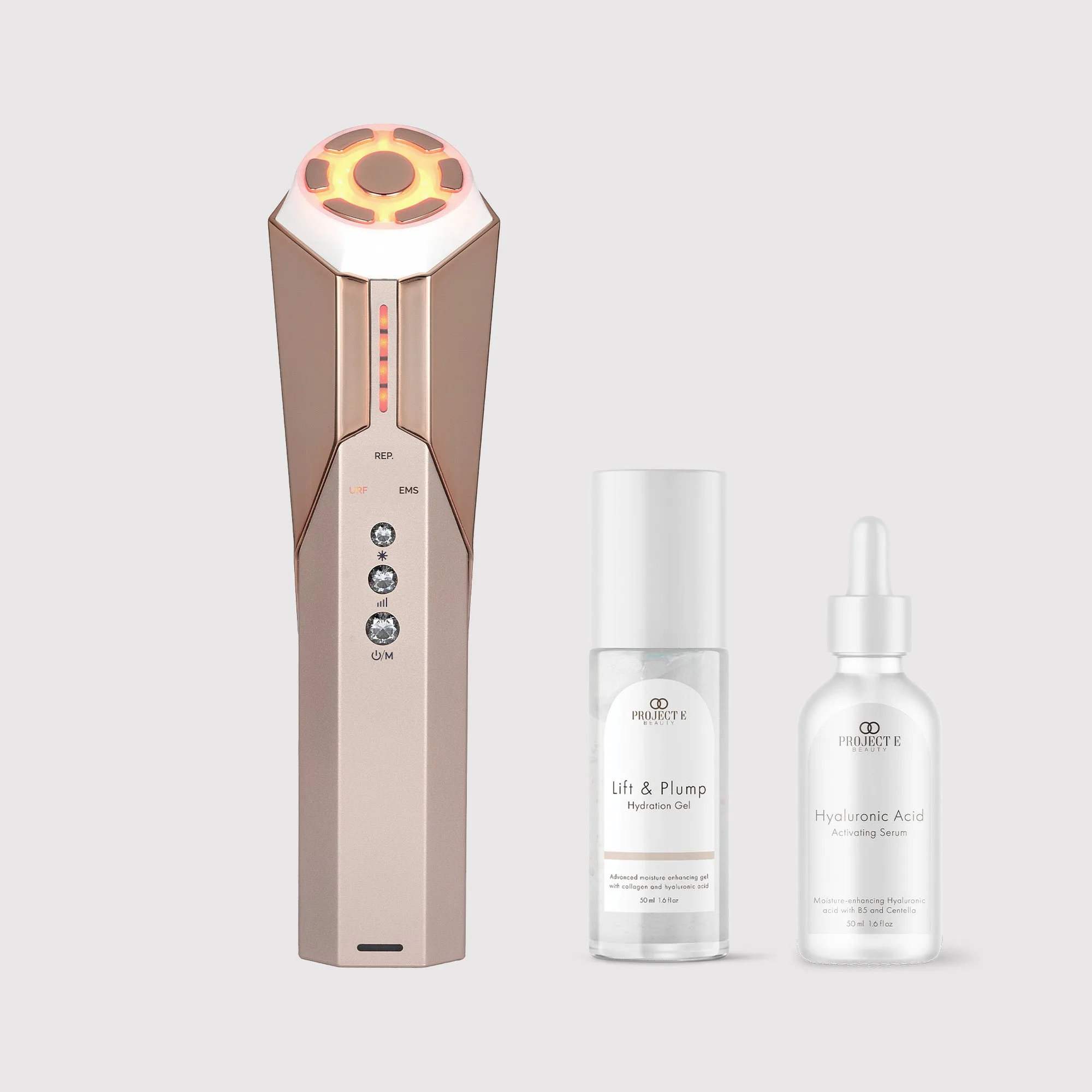
Sculpt + Brighten Age Renewal Set
If you have deep acne scars, stretch marks, or want a more dramatic collagen boost, microneedling might be your best bet. However, it requires more care and patience. Many users find that combining both treatments yields the best of both worlds: microneedling creates the micro-channels, and LED light therapy accelerates healing and boosts collagen even further.
Combining LED Therapy and Microneedling
Using LED therapy after microneedling is a popular professional practice. The red and near-infrared light penetrates the micro-channels more deeply, enhancing cellular repair and reducing inflammation. This can lead to faster recovery and better overall results. At home, you can use an LED mask after your derma roller session, but always follow the instructions for both devices.
If you're new to this, start with LED therapy alone to build your routine. Once you're comfortable, you can introduce a derma roller and use your LED mask immediately after. Just ensure your skin is clean and your tools are sanitized. The Total Radiance Luxe Kit includes multiple devices that can be used together for a comprehensive at-home spa experience.
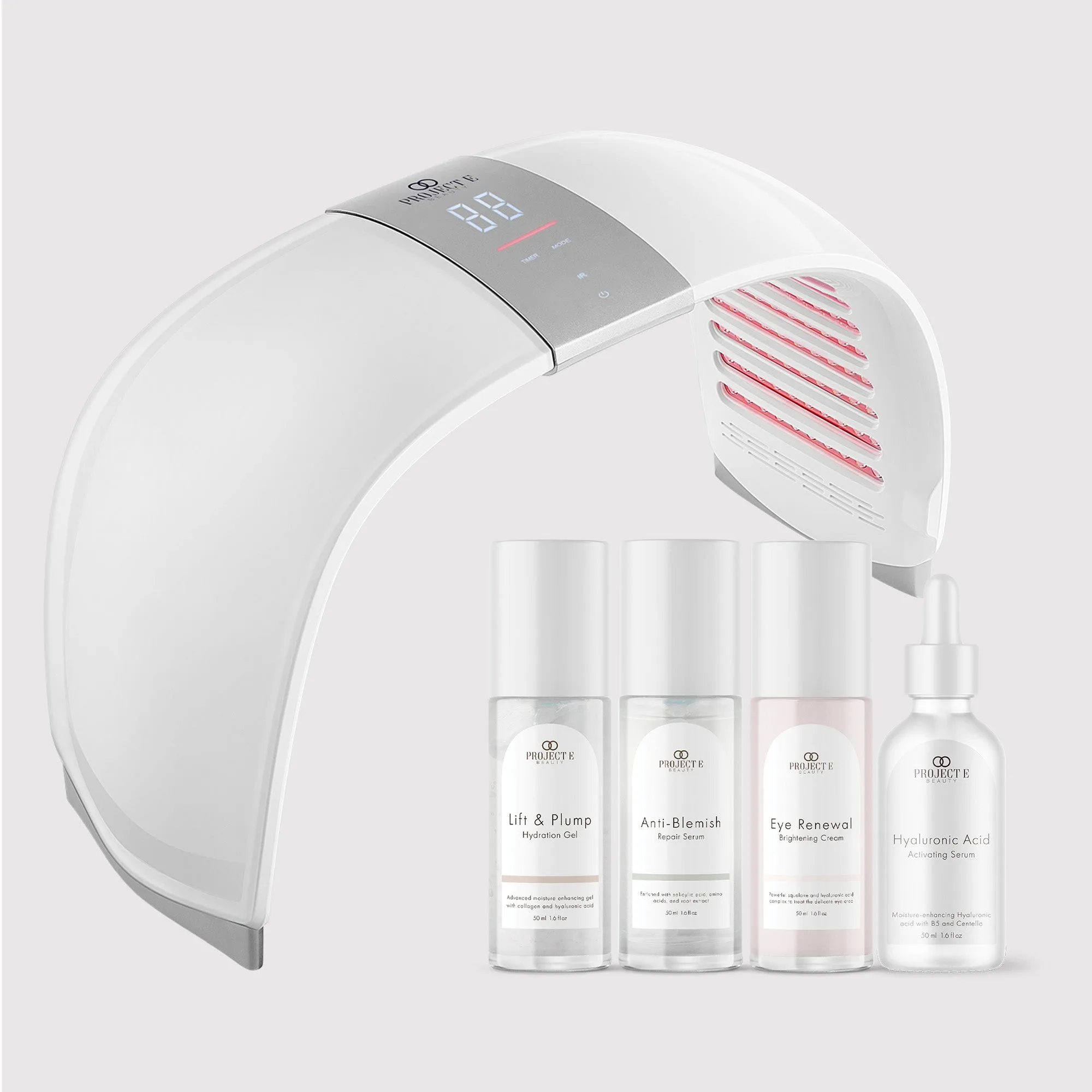
Total Radiance Luxe Kit
- Always cleanse your skin before both treatments
- Use LED therapy right after microneedling to calm skin
- Wait 24 hours before applying active serums after microneedling
Choosing the Right Device
When selecting an LED device, consider the wavelength, power, and treatment area. For face and neck, a mask like the LumaLux Neck & Dec Pro LED Red Light Therapy Mask is ideal. For portability, a wand can target specific spots. If you're investing in microneedling, look for a derma roller with needles between 0.25mm and 0.5mm for home use—anything longer should be left to professionals.
Remember, consistency is key. LED therapy requires regular use (ideally 3-5 times a week) to see results. Microneedling is less frequent but more intense. Both can be part of a balanced skincare routine, and you don't have to choose one forever—you can switch based on your skin's needs.
Ultimately, both LED light therapy and microneedling are powerful tools for skin rejuvenation. LED therapy is gentle, convenient, and excellent for ongoing maintenance, while microneedling offers deeper collagen induction for stubborn concerns. Many people find that combining them gives the best results. If you're ready to start your LED journey, explore the Sculpt + Brighten Age Renewal Set to see how easy it is to bring professional-grade light therapy into your home.