Quick Answer
Choose a flash when you need to freeze motion, overpower ambient light, or work in bright conditions. Choose an LED video light when you want to see the lighting in real time, shoot video alongside stills, or prefer a simpler setup without sync delays.
Key Differences Between Continuous Light and Flash
Continuous lights like LED panels emit a constant beam, letting you preview shadows and highlights before you press the shutter. Flashes release a brief, powerful burst of light that freezes motion and can overpower sunlight, but you won't see the final effect until after the shot. This fundamental difference drives most buying decisions.
For still photography, a flash typically delivers more output per burst than a continuous light of similar size and price. However, LEDs have improved dramatically in brightness and color accuracy, making them viable for many portrait and product scenarios. The tradeoff is that you may need multiple LED units or a higher-powered model to match the effective light output of a single speedlight or studio strobe.
When to Use a Flash for Photography
Flashes excel at freezing fast action—think sports, pets, or children. They also allow you to use a faster shutter speed to kill ambient light, giving you full control over the background exposure. If you shoot portraits outdoors in midday sun, a flash with high-speed sync lets you use wide apertures without overexposing the scene.
The main drawback is that you cannot see the lighting until after you take the test shot. This can slow down your workflow if you are adjusting multiple lights. Flashes also require a sync method (cable, radio trigger, or optical slave) and recycle time between pops.
When to Use an LED Video Light for Photography
LED video lights are ideal for hybrid shooters who capture both video and stills during the same session. Because the light is always on, you can adjust the position, distance, and diffusion while watching the subject's face or product. This makes them a favorite for product photography, macro work, and vlogging setups.
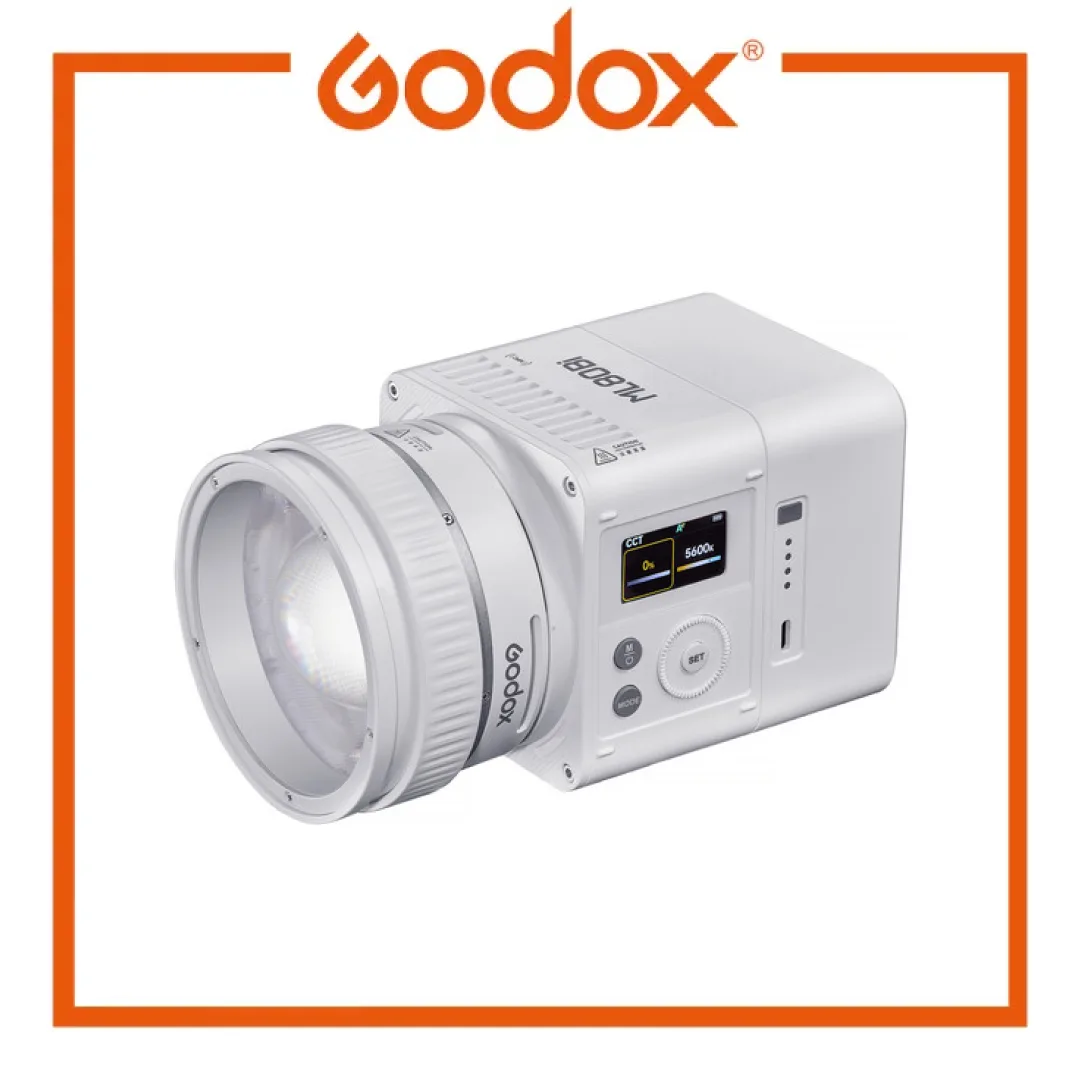
Another advantage is simplicity: no sync cables, no recycle delay, and no flash blindness for sensitive subjects. The tradeoff is that even a bright LED like the Godox ML80Bi (29,600 Lux at 3.3') produces less effective light than a typical speedlight, so you may need to raise your ISO or use a slower shutter speed in darker environments.
Can You Use an LED Light for Portraits?
Yes, especially with modern high-output LEDs. A bi-color model like the Godox ML80Bi (2800-6500K CCT) gives you warm-to-cool adjustment without gels, and its CRI 96 rating ensures accurate skin tones. For headshots and half-body portraits in a controlled indoor setting, an LED can produce beautiful, soft light when paired with a diffuser or softbox.
However, if you need to freeze a moving subject or shoot wide open in bright ambient light, a flash remains the more practical choice. The Godox ML80Bi's 29,600 Lux at 3.3' is ample for close-up work but will not overpower daylight at a distance.
What About RGB Tube Lights?
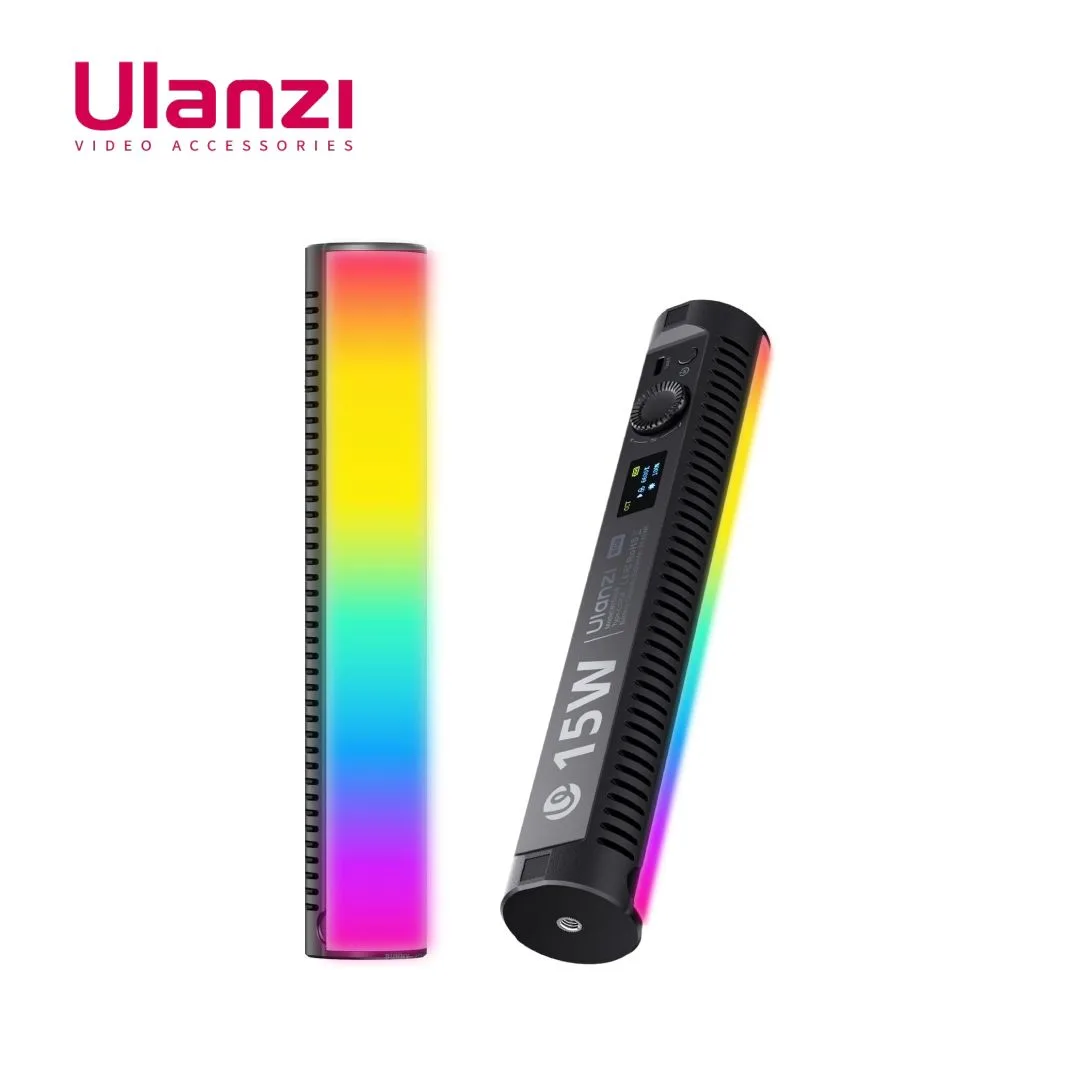
RGB tube lights like the Ulanzi B15RGB 15W RGB LED Tube Light add creative color effects that a standard flash cannot replicate. With 15W output and a compact, lightweight design (0.55 lbs), it is perfect for adding colored accents to backgrounds, rim lighting, or creating mood in video and stills. Its portability makes it a go-to for travel vloggers and on-location content creators.
The limitation is output: at 15W, it is a fill or accent light, not a main source for large scenes. For color effects, it is a fantastic tool; for general illumination, you will want a higher-powered LED or flash.
What About Desktop Streaming Lights?
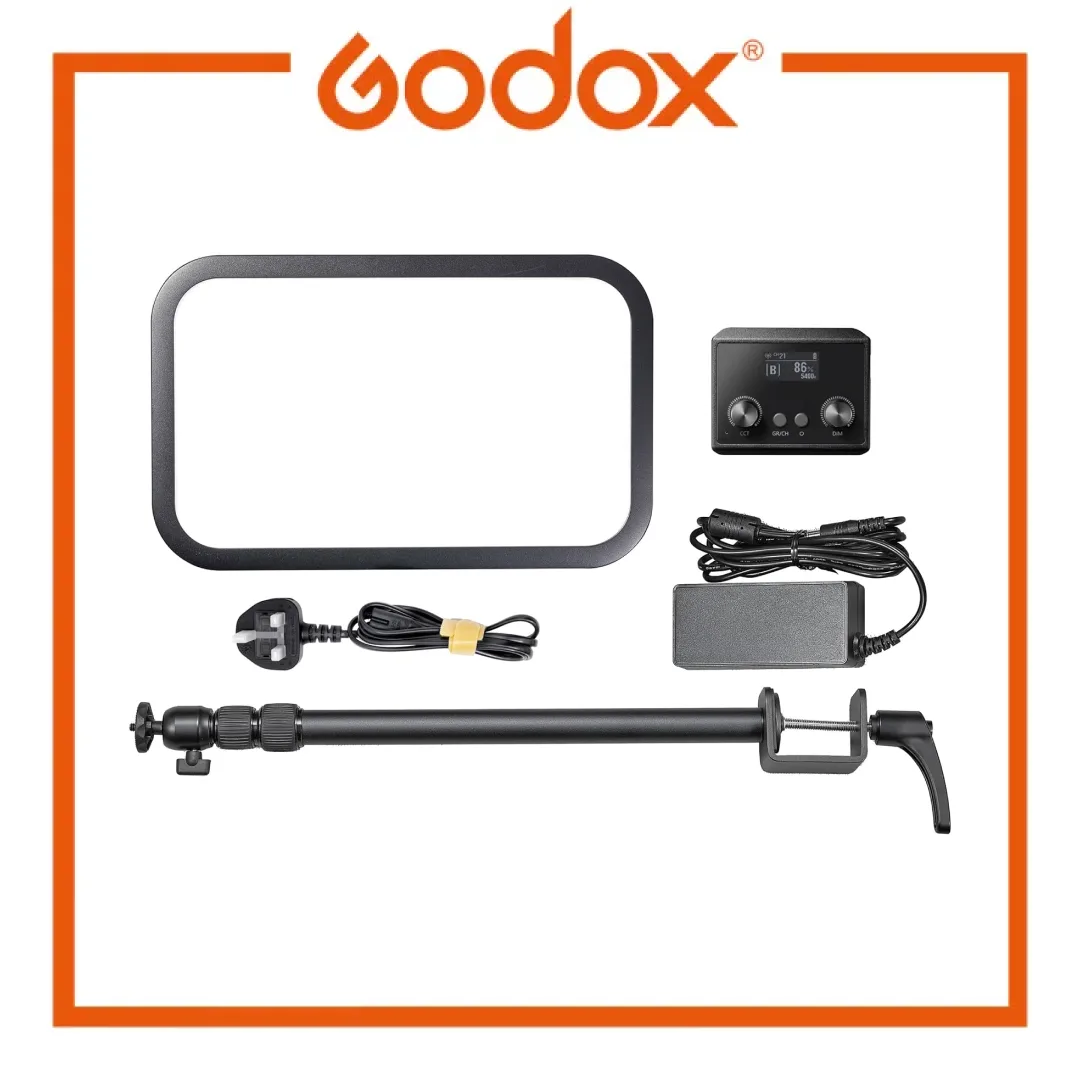
For streamers, podcasters, and remote workers, a dedicated desktop LED like the Godox ES45 E-Sport LED Light Kit provides a clean, adjustable fill light that mounts directly to your desk. Its slim profile and clamp stand save space while delivering even, flicker-free illumination for webcam or mirrorless camera video.
This type of light is not designed for high-speed photography or overpowering sunlight. It excels in controlled indoor environments where you want consistent, soft lighting for video calls or live streaming. If you also shoot stills, you can use it as a key light for talking-head portraits.
Frequently Asked Questions
Is an LED video light bright enough for photography?
Yes, for many scenarios. Modern LEDs like the Godox ML80Bi produce 29,600 Lux at 3.3', which is sufficient for portraits, products, and macro work in controlled indoor settings. For freezing motion or overpowering sunlight, a flash is still more effective. Match the light output to your typical shooting distance and ambient light level.
Can I use a flash for video?
No, a flash is designed for stills only. For video, you need a continuous light source such as an LED panel or tube light. If you shoot both video and stills, consider a hybrid LED setup or a dedicated video light. Choose a continuous light if you shoot any video at all.
Which is easier to learn: flash or continuous light?
Continuous light is generally easier for beginners because you see the effect in real time. Flashes require understanding sync speed, power ratios, and modifiers to predict the result. However, once mastered, a flash offers more creative control. Start with continuous light if you are new to off-camera lighting.
Do I need both a flash and an LED light?
Many photographers eventually own both. A flash for action and outdoor fill, an LED for video and real-time preview. If your budget allows one, prioritize based on your primary subject: flash for portraits and events, LED for product and video. Your main subject should dictate your first purchase.
Featured Products
- Godox ML80Bi Bi-Color LED Video Light: Output: 29,600 Lux at 3.3' with Lens; 2800-6500K CCT; CRI 96 | TLCI 96; DC or battery power; onboard, wireless & app control; Godox mount, optional Bowens adapter. This high-output bi-color LED gives you studio-quality continuous light for both video and stills, with the flexibility to adjust color temperature without gels and control it remotely.
- Ulanzi B15RGB 15W RGB LED Tube Light: 15W RGB LED tube light; weighs 0.55 lbs; compact size 9.84 x 1.69 inches; portable for travel vlogs, outdoor portraits, product lighting. The Ulanzi B15RGB adds creative color effects and is lightweight enough to slip into any bag, making it ideal for content creators who need a portable accent light.
- Godox ES45 E-Sport LED Light Kit Desktop Mount Fill Light Similar to Elgato Key Light: Sleek slim-profile design with solid metal construction; desk-mountable telescopic stand; clamps to desktop; takes up little desktop real estate. The Godox ES45 is purpose-built for streaming and video calls, offering a clean, space-saving setup that provides consistent fill light without cluttering your desk.