Quick answer
In a humid climate, store lenses in a sealed dry box or cabinet with a hygrometer and keep relative humidity between 40% and 50%. Clean only when needed using a blower first, then a microfiber cloth, and never seal a damp lens back into its case.
Why humidity is the main enemy of lens glass
Fungus spores are always in the air, but they only bloom when relative humidity stays above roughly 60% for days or weeks. In tropical and coastal areas, that is normal indoor air for much of the year. Once fungus etches the coatings or glass, it cannot be fully removed, and the lens loses contrast and resale value. Condensation is the second problem: moving a cold lens into warm, humid air fogs the internals, and repeated cycles can encourage haze and electrical issues.
Set up a dry storage routine that actually works
A dedicated dry cabinet is the most reliable option because it holds a steady humidity level. If you use a sealed box with silica gel, you must recharge or replace the desiccant regularly, and you need a small hygrometer inside to see what is really happening. Do not store lenses in a padded bag or a sealed plastic tub without desiccant; those trap moisture. Keep the storage area away from exterior walls and air-conditioning vents, which create temperature swings. For lenses you use often, a dry cabinet lets you leave caps loose so air can move, while long-term storage benefits from caps on and a dust-free shelf.
Clean without pushing moisture into the lens
Start with a rocket blower to remove grit, then use a soft brush for stubborn dust. Only if a smudge remains should you use a microfiber cloth, and if needed, a single drop of lens cleaning fluid on the cloth, never directly on the glass. Wipe in a spiral from center to edge with light pressure, then let the surface air-dry before capping. Avoid breathing on the lens to fog it, because that adds moisture. In humid conditions, do not clean a lens that just came in from the cold; let it reach room temperature first to prevent condensation under the coatings.
Your 7-step humid-climate lens care routine
- Check the humidity before you store: Place a hygrometer inside your dry cabinet or storage box. Aim for 40–50% relative humidity. If it reads above 60%, add or recharge desiccant immediately.
- Dry the lens before it goes away: After shooting in rain or mist, wipe the barrel and mount with a dry microfiber cloth and let the lens sit at room temperature for 20–30 minutes. Never seal a cold or damp lens into a case; that traps condensation.
- Store with the right caps and orientation: Use both front and rear caps, and store lenses upright or lying flat in a dry cabinet. Do not stack heavy items on top. Loose caps in a dry cabinet are fine for daily-use lenses; use caps for long-term storage.
- Rotate and inspect monthly: Once a month, take each lens out, check the glass under a bright light for spots or web-like patterns, and operate the focus and zoom rings. Early fungus appears as faint white strands; catching it early makes professional cleaning more likely to succeed.
- Clean only when you see a problem: Use a blower first, then a brush, then a microfiber cloth. Add one drop of lens cleaning fluid to the cloth only if a smudge remains. Over-cleaning does more harm than good; dust on the front element rarely shows in photos.
- Control the environment, not just the box: Run a dehumidifier in the room if your dry cabinet struggles, and keep lenses away from open windows, bathrooms, and kitchens. A $20 hygrometer is the cheapest insurance for your glass.
- Travel with desiccant packs: In a camera bag, use reusable silica gel packs and swap them when the indicator changes color. Keep the bag zipped when not in use. Recharge silica gel in a low oven according to its instructions, not in a microwave unless specified.
Lenses built for humid-climate handling
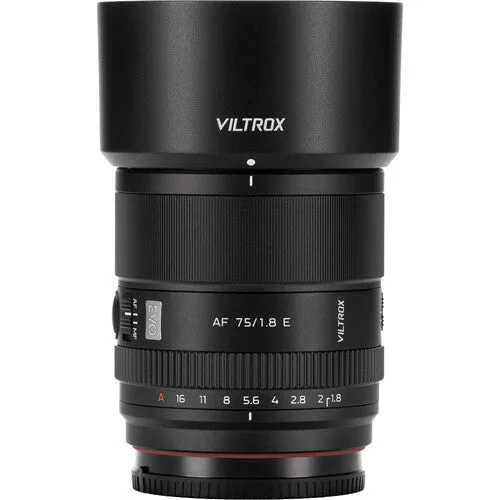
- Viltrox AF 75mm F1.8 EVO APS-C Frame Lens: Durable build with a rubber-sealed mount. A rubber-sealed mount adds a barrier against moisture and dust at the camera connection, which is the most exposed joint in humid weather.
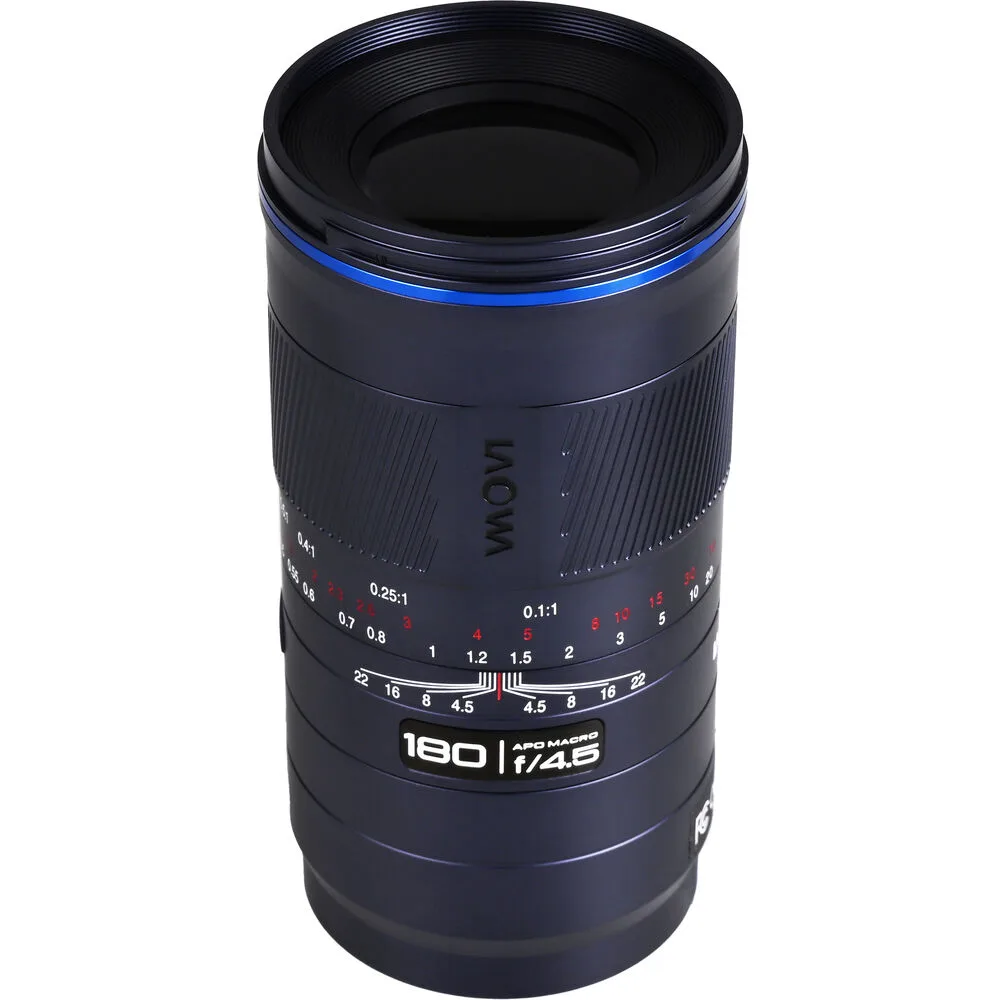
- Laowa 180mm f/4.5 1.5X Ultra Macro APO (Auto-focus): Compact and lightweight design with APO optics. A lighter lens is easier to keep in a dry cabinet or bag with desiccant, and APO glass helps maintain clarity when you are shooting in challenging conditions.