Quick answer
A lens cleaning pen wins for fingerprints and oil on the glass, while a microfiber cloth wins for dust and full-surface wipe-downs. For camera lens smudge removal on the go, carry the pen; keep a clean cloth for routine dusting. If you want one portable lens cleaner that handles the most stubborn marks, start with the pen.
What each tool actually does
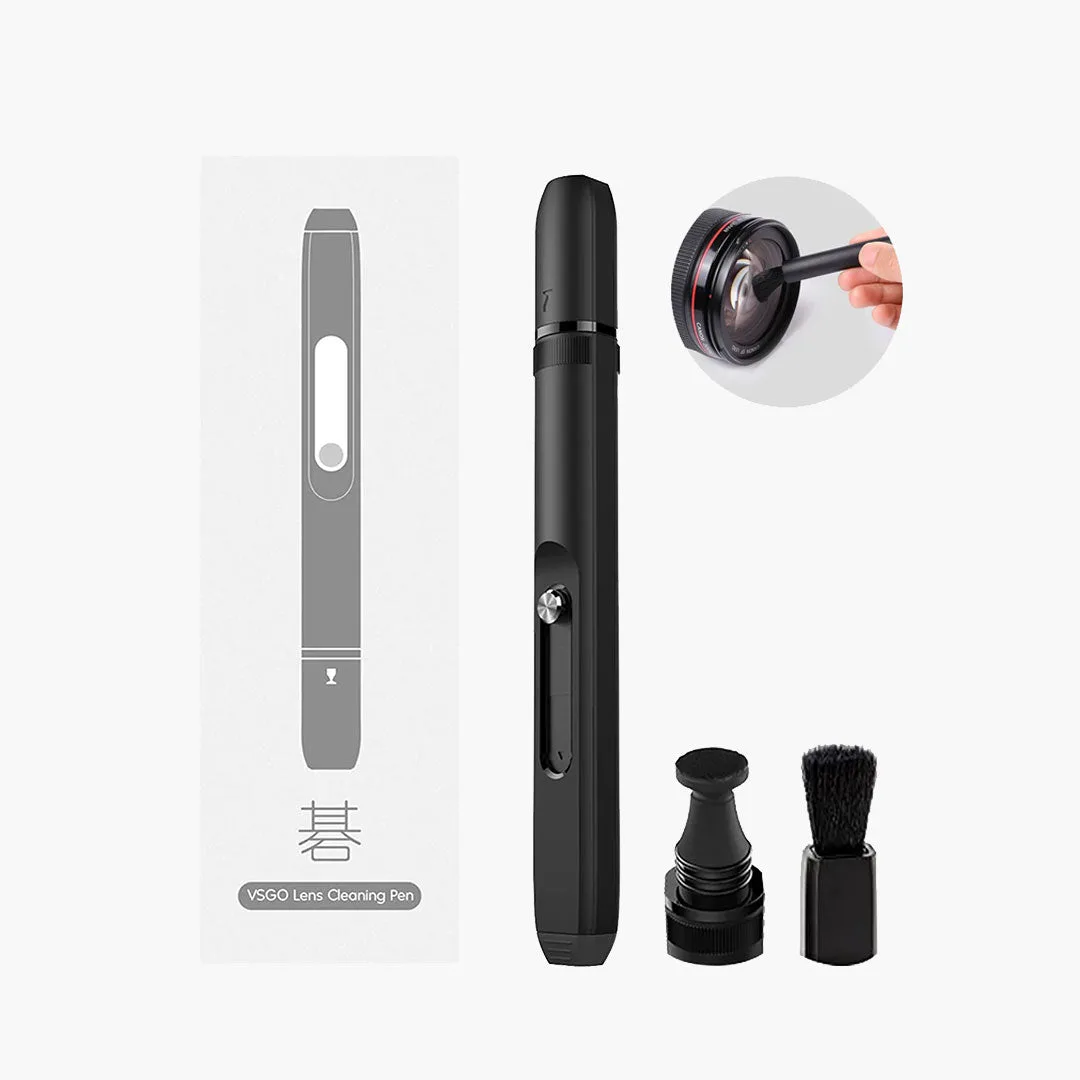
A lens cleaning pen usually pairs a retractable carbon head with a soft brush. The carbon layer is designed to lift fingerprints and oil from optical surfaces, while the brush reaches into gaps around the lens and filter rims where a cloth cannot go. A microfiber cloth, by contrast, is a flat wipe: it removes dust, light haze, and dried smudges across the whole front element, but it does not have a shaped tip for edges or screw threads.
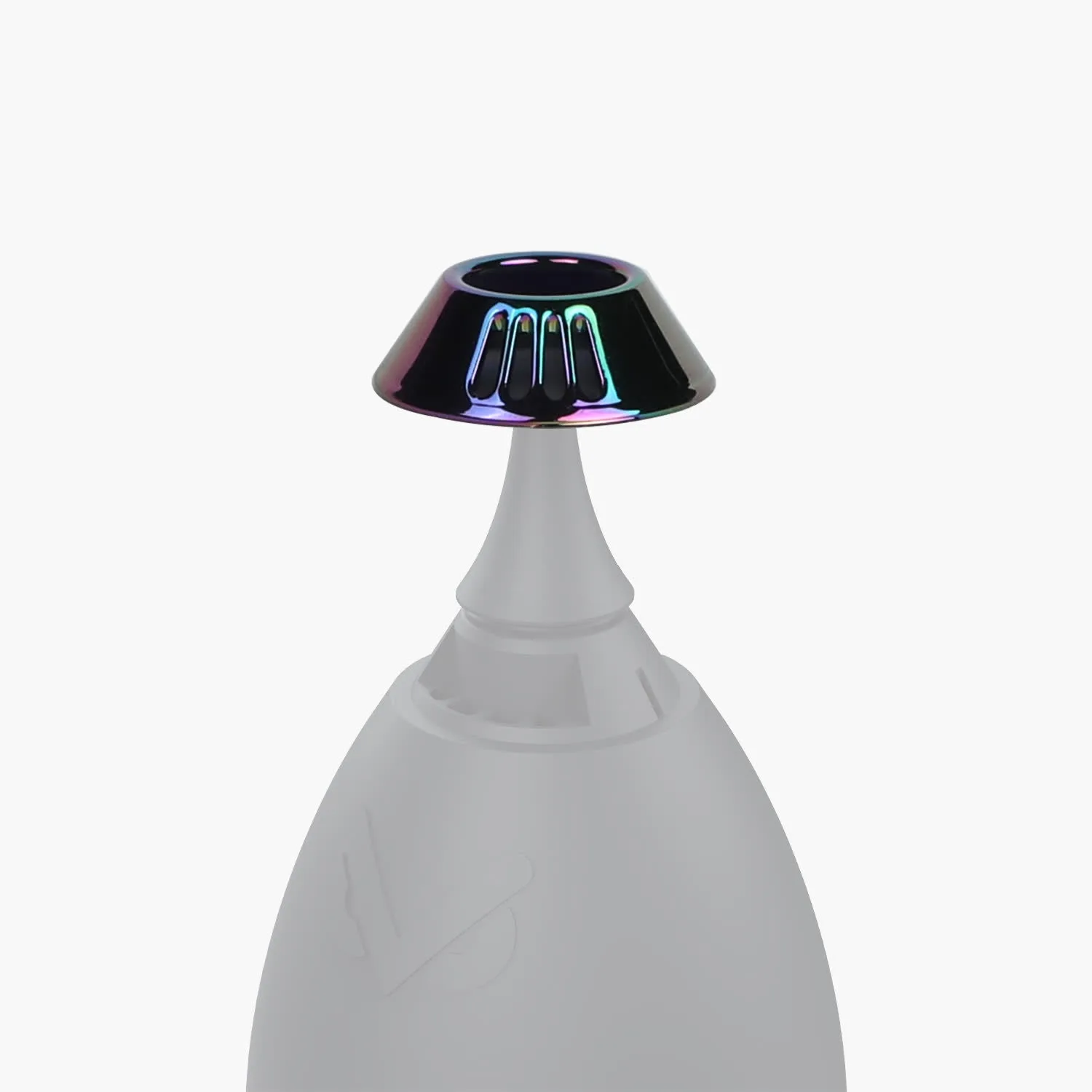
filter
Where the pen pulls ahead
The pen's advantage is targeted cleaning. If you touch the front element while changing a filter, the carbon head lets you address that spot without wiping the entire lens. The brush also flexes into the gap between the lens rim and a filter, which is exactly where grit collects and where a cloth can push debris around instead of lifting it. For camera lens smudge removal in the field, that precision matters more than surface area.
Where the cloth pulls ahead
A microfiber cloth covers more area per pass, so it is faster for dusting a whole front element or cleaning a camera body. It is also easier to inspect: when the cloth looks dirty, you wash it or replace it. The trade-off is that a cloth used on a gritty lens can drag particles across the coating. Shake or brush off loose dust first, then wipe. For everyday dust, a clean cloth is the simpler choice.
How to use each without making things worse
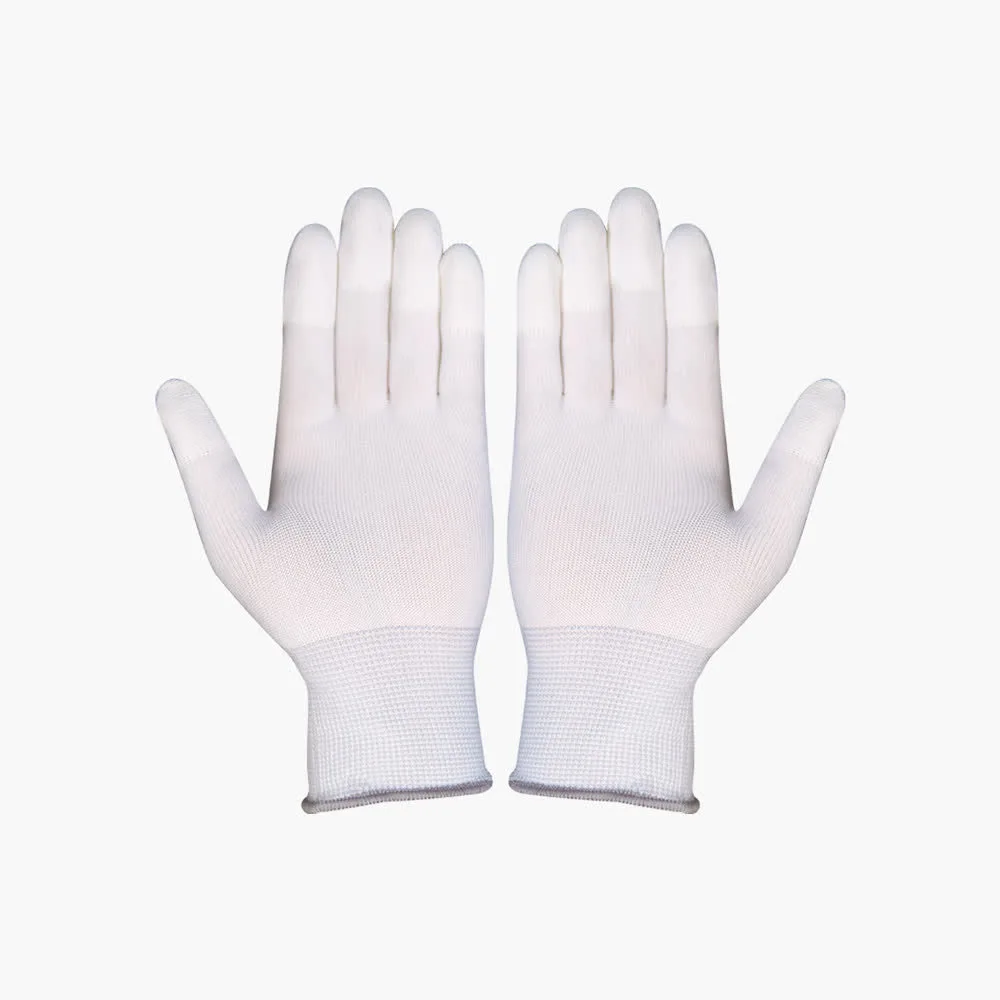
With a pen, extend the carbon head, use light circular strokes on the smudge, then retract it. Do not press hard; carbon works by contact, not pressure. With a cloth, fold it into a pad so you always use a clean section, wipe in one direction, and stop when the cloth picks up visible grit. If you wear gloves during cleaning, anti-static gloves reduce the chance of transferring skin oil back onto the glass after you have just removed it.
Trade-offs at a glance
- Precision vs coverage: The pen's carbon head and brush clean small smudges and rim gaps; a microfiber cloth covers the whole element in fewer passes. Pick the pen for spot fixes, the cloth for full-surface dusting.
- Reach vs simplicity: The pen reaches into filter threads and lens edges; a cloth is simpler to use but can miss recessed areas. If your lens has a filter or deep rim, the pen does the job a cloth cannot.
- Portability vs maintenance: The pen is a self-contained portable lens cleaner; a cloth needs washing and can hold grit if reused. Carry the pen daily; keep a clean cloth for home dusting.
Products that fit this comparison
- Lens Cleaning Pen V-P01E: Precision carbon head with a multilayer nanoscale optical carbon formula, plus a fine soft brush for gaps around the lens and filter rims. This is the pen side of the comparison: it targets fingerprints and oil, and the brush reaches edges a cloth cannot.
- Anti-static Cleaning Gloves DDG-1: Anti-static cleaning gloves designed to let you clean a camera without transferring dust. Useful when you clean with either a pen or a cloth, because clean hands keep you from reintroducing oil and dust.
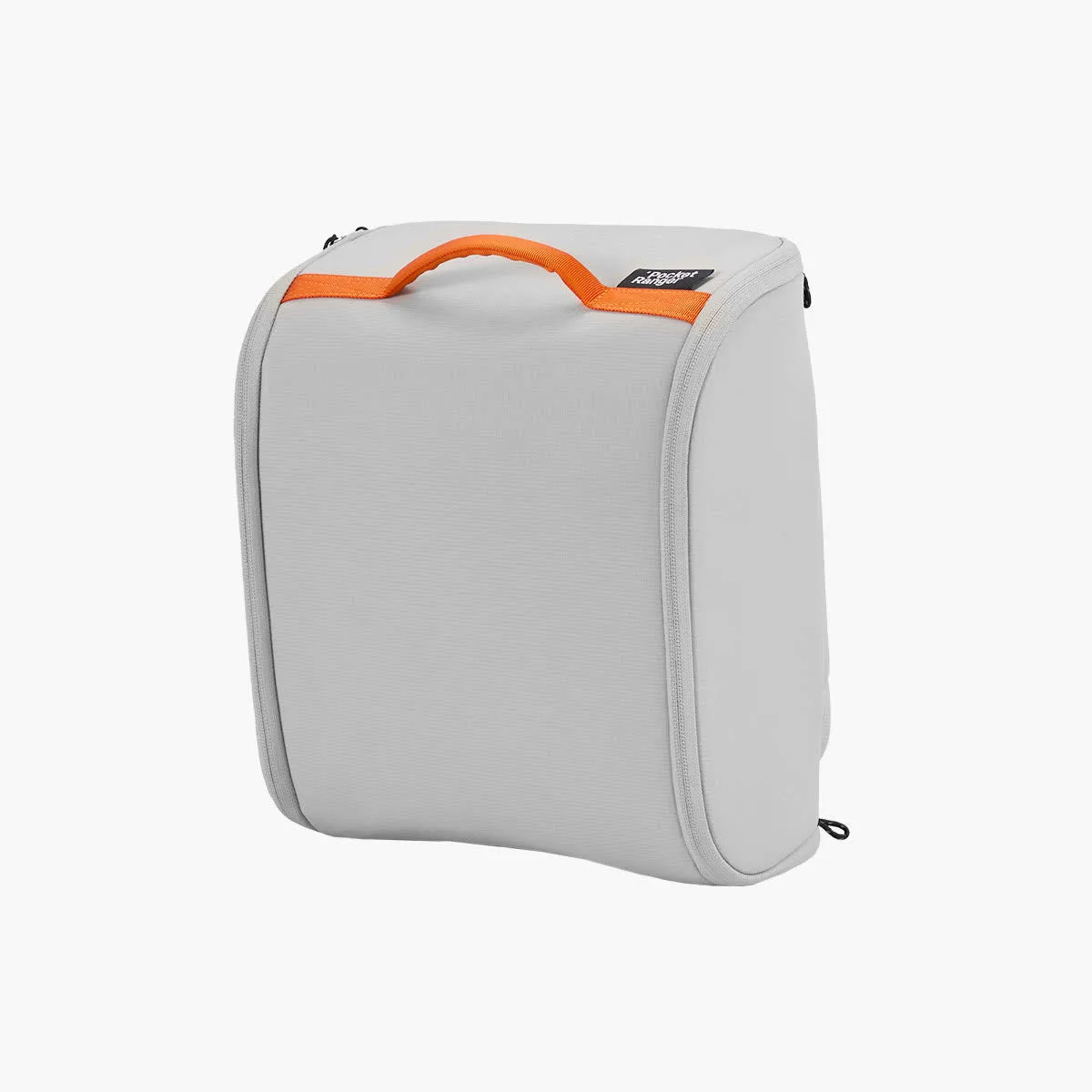
- Pocket Ranger Elite Camera Cube: Camera cube with patented fold-flat storage, DIY hollow dividers, and 10mm EVA padding for 1 camera plus 2 lenses. A dedicated cube keeps your cleaning pen and cloth separated from loose gear, so the cloth stays clean between uses.
Which should you choose?
Best for
- Photographers who often touch the front element or shoot near dust and need a portable lens cleaner
- Anyone cleaning lenses with filters, where the brush can reach the rim gap
Not for
- Cleaning an entire camera body or large front element quickly, where a microfiber cloth is faster
- Removing heavy, dried grit, which should be brushed or blotted off before either tool touches the glass