Quick answer
Clean filters only when needed: blow off loose grit, brush edges, then wipe the glass with a clean microfiber cloth using light circular pressure. Store each filter in its own case or pouch with the threads protected. Never rub a dry cloth over gritty glass, and never clean a polarizer by rotating it while wet.
Why filter surfaces need a gentler routine than lenses
Filters sit at the very front of the optical path, so they collect fingerprints, sea spray, dust, and pollen before anything else. Their coatings are thin, and a polarizer adds a rotating ring with a seam where grit can lodge. That combination makes careless wiping the fastest route to permanent scratches and haze.
The goal is not sterile glass. It is to remove what degrades contrast and flare without abrading the coating. Most cleaning damage happens when people wipe too often, press too hard, or use a cloth that already holds grit.
Match the method to the filter type
A neutral density filter is a solid disc of glass, so you can clean it with the same light touch you use on a lens. A polarizer has two glass elements and a rotating ring, so moisture and grit can work into the gap between them. Keep polarizer cleaning dry whenever possible, and if you must use liquid, apply it to the cloth, not the filter, and keep the ring horizontal so nothing seeps inward.
For both types, work from the center outward and inspect under a bright light between passes. If a smear remains, stop and re-blow rather than scrubbing harder.
Step-by-step filter care routine
- 1. Blow off loose particles first: Use a rocket blower or soft brush to remove dust and sand before any cloth touches the glass. Hold the filter at an angle so debris falls away rather than settling back on the surface. Checkpoint: if you can still see grit, do not wipe yet. One grain of sand under a cloth can leave a permanent trail.
- 2. Wipe with a clean microfiber cloth: Fold a lint-free cloth into a pad and wipe in light circles from the center outward. Use a fresh section of cloth for each pass, and never press hard enough to flex the filter ring. Mistake to avoid: reusing a cloth stored loose in a bag. Grit trapped in the fabric is the most common cause of scratches.
- 3. Handle stubborn smudges with breath, not solvent: Breathe lightly on the glass to create a thin fog, then wipe immediately with a clean cloth section. For a polarizer, keep the filter flat and avoid rotating the ring while the surface is damp. Checkpoint: if a smear persists after two passes, stop. More pressure will not remove it and may damage the coating.
- 4. Store each filter separately: Return filters to a hard case or soft pouch with the threads covered. Stacking bare filters or leaving them screwed together lets glass rub against glass and traps grit in the threads. Mistake to avoid: storing a filter loose in a bag pocket with keys, batteries, or loose change.
- 5. Inspect before every shoot: Hold the filter up to a light source and look across the surface at an angle, not straight through it. Check the ring and threads for grit, and test that a polarizer still rotates smoothly. Next step: clean or set the filter aside before mounting it, not after you notice flare in the field.
Gear that supports this routine
- Ritz Gear Lens Cleaning Cloth: Lint-free, streak-free 220 GSM microfiber cloth safe for camera lenses and coated optical glass, and effective on smudges, fingerprints, dust, and dirt. A thick, clean cloth lifts grit instead of dragging it, which is the single biggest factor in avoiding scratches on lens filters.
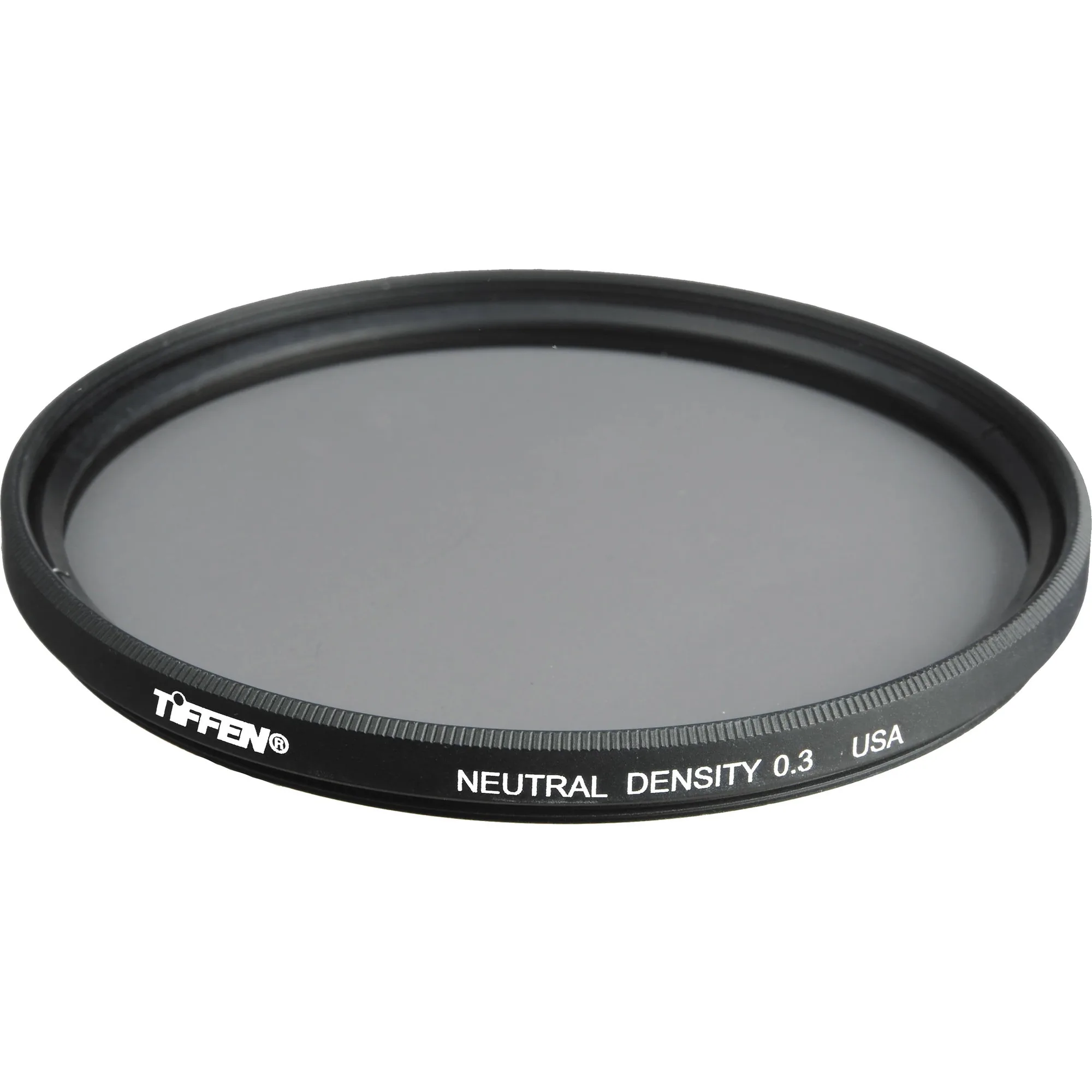
- Tiffen 72mm Neutral Density 0.3 Lens Filter: Tiffen 72mm Neutral Density 0.3 filter reduces light without changing color, useful in bright conditions to prevent overexposure and allow slower shutter speeds. Because ND filters are used in bright, dusty, or windy conditions, they tend to collect grit quickly, so a quick blower-and-cloth routine after each outing protects the coating.
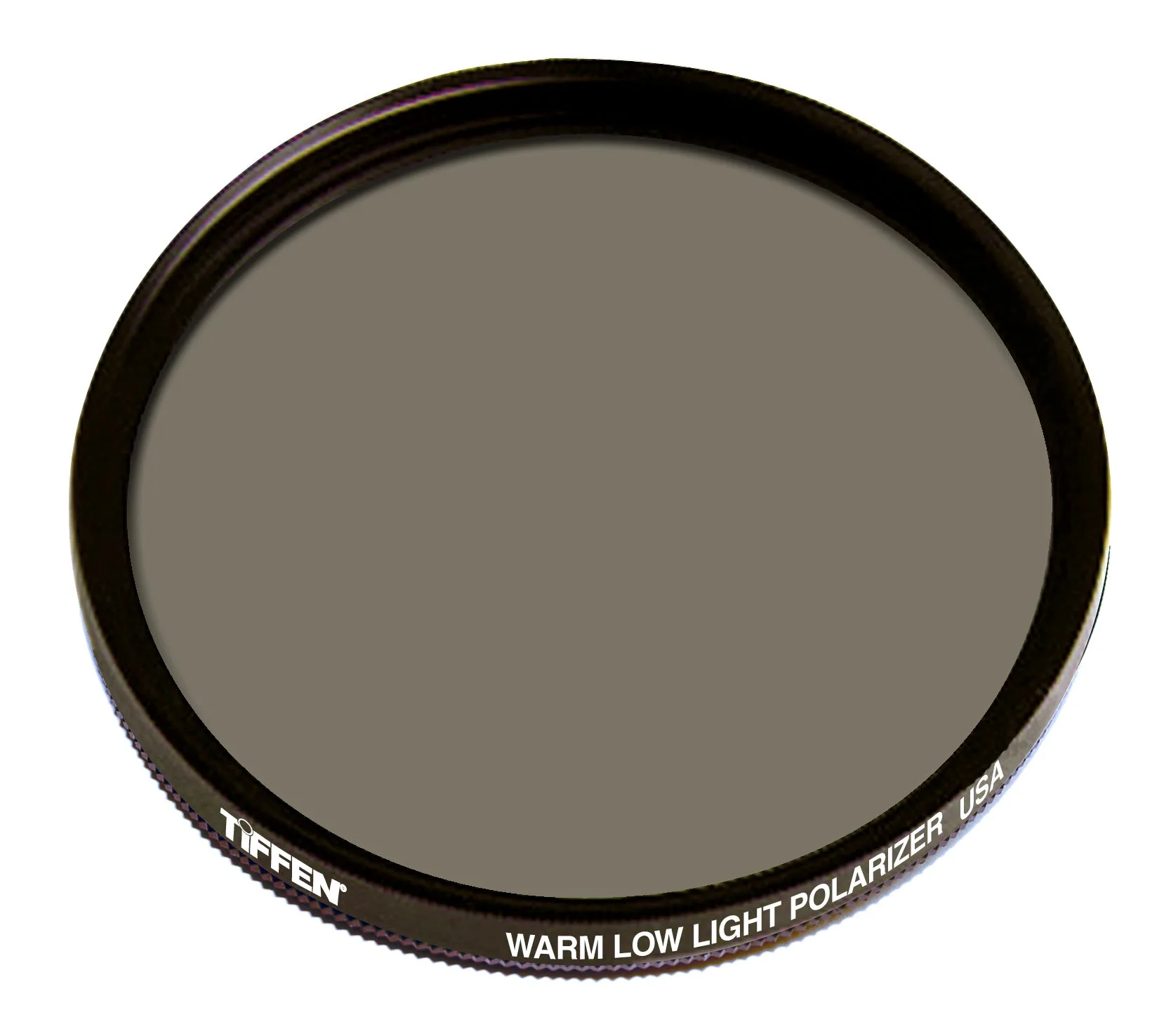
- Tiffen 46mm Warm Low Light Polarizer: Tiffen 46mm Warm Low Light Polarizer combines a 1-stop polarizer with the Tiffen 812 Warming filter and can be rotated to the desired effect. The rotating ring creates a seam where moisture and grit can enter, so dry cleaning and careful storage matter more than with a fixed filter.