Quick answer
Yes, but each for a different job. A lens hood manages stray light and everyday knocks, a protection filter guards the front element from dust and dirt, and a metal hand grip improves handheld balance with large lenses. Buy the one that solves the problem you actually have, not all three by default.
The lens hood is the accessory that quietly works hardest
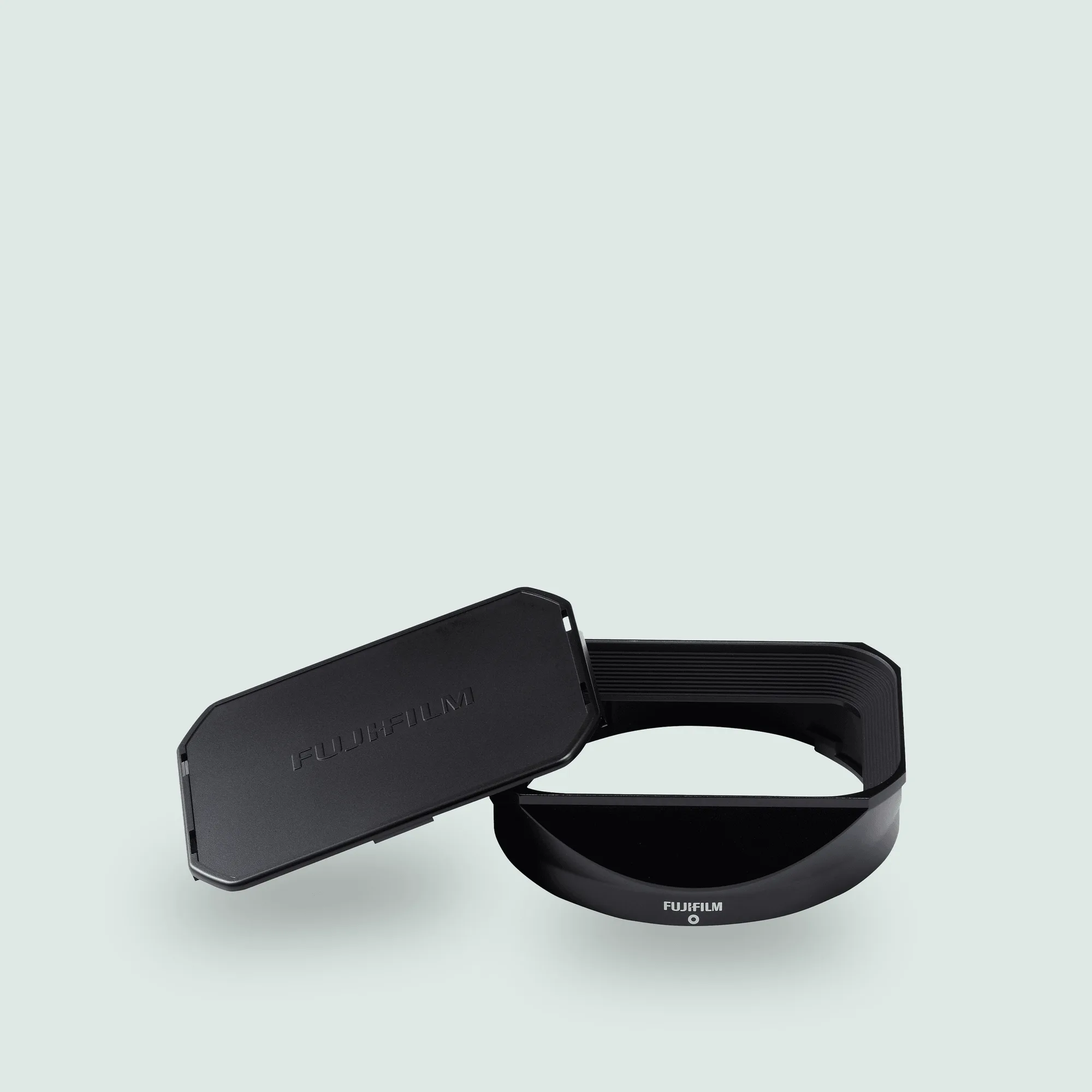
A lens hood sits in front of the front element and blocks light arriving from outside the frame. That is the whole mechanism, and it is why the LH-XF18 Lens Hood is worth considering if you shoot toward windows, streetlights, or a low sun. Fujifilm describes it as a high-precision metal hood, and the finish is part of the point: it is a permanent-feeling object rather than a plastic afterthought.
The second job is less advertised. A hood puts a ring of material between your front element and doorframes, table edges, and bag zips. That does not make a lens indestructible, but it takes the first hit. If you are deciding between a hood and a filter, remember they are not competing for the same task: the hood manages light and physical proximity, the filter covers the glass itself.
- Use a hood when flare or veiling haze shows up in backlit frames.
- Use a hood when you shoot in crowds or tight interiors where the front element is exposed.
- Skip it when you need the smallest possible footprint and are shooting in flat, controlled light.
A protection filter is insurance, not an upgrade
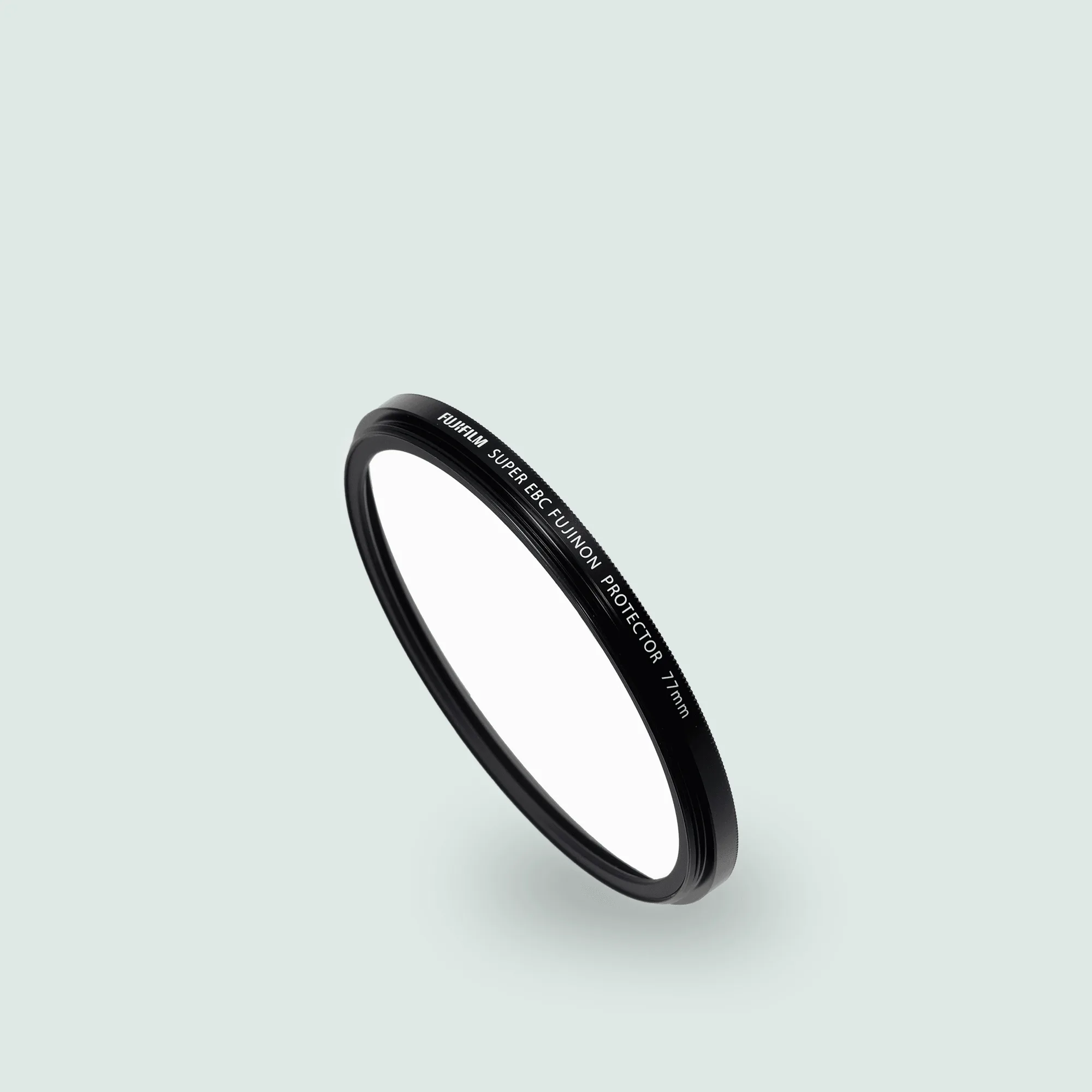
The PRF-77 Fujinon Protection Filter is designed to protect the lens from dust or dirt. That is a modest promise, and it is the honest one. It does not claim to improve image quality, and you should not expect it to. What it does is put a cleanable, replaceable surface in front of the element you cannot easily replace.
Its Super EBC coating is the interesting detail. Fujifilm states that this coating limits harmful reflections by achieving a surface reflectivity of 0.3% or less. In practice, that matters most in high-contrast scenes where an uncoated or cheaply coated filter would add ghosting or a soft veil over the frame. It is a reason to choose this filter over a generic one, not a reason to assume any filter is invisible.
The tradeoff is real: every additional glass surface can contribute reflections in the wrong conditions. If you shoot directly into a bright source and see artifacts, take the filter off and compare. A filter is a working tool, not a permanent commitment.
- Choose a protection filter for dusty, sandy, salty, or crowded environments.
- Check the thread size before ordering; a filter only fits the lenses it matches.
- Remove it temporarily when troubleshooting flare in extreme backlight.
The metal hand grip changes how the camera feels, not how it performs
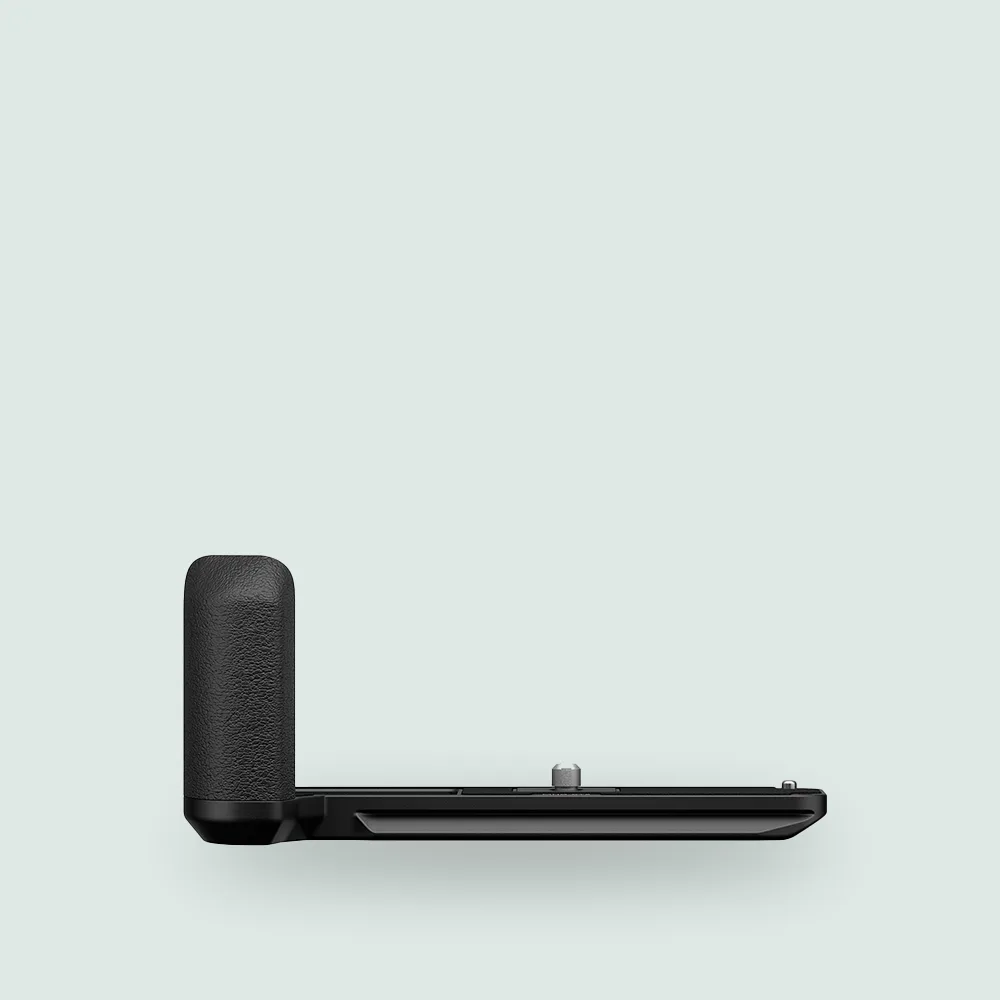
The MHG-XT5 Metal Hand grip is aimed at a specific problem: hand-holding the camera when a large-aperture lens is mounted. A heavy front element shifts the balance forward, and a grip gives your right hand more to hold onto. That is an ergonomic fix, not an image-quality one, and it is worth being clear about that before you buy.
Two practical details make it easier to live with. The hand grip does not have to be removed to change a battery or SD card, so it does not turn routine maintenance into a disassembly job. It can also be used as a plate compatible with the Arca-Swiss quick release system, which means it can replace a separate tripod plate rather than adding to your kit.
If you mostly shoot compact lenses on a strap, a grip adds weight and bulk for little return. If you regularly mount a large-aperture lens and shoot handheld for long stretches, it addresses a real fatigue problem.
- Buy it if front-heavy lenses make your wrist work harder than your eye does.
- Buy it if you want Arca-Swiss compatibility without a second plate.
- Skip it if you value a low-profile body and rarely shoot long handheld sessions.
Verdicts on three common claims
- Claim: a protection filter makes a lens safe: The PRF-77 is designed to protect the lens from dust or dirt, and its Super EBC coating limits harmful reflections to a surface reflectivity of 0.3% or less. It is not a shock absorber and it does not make a lens drop-proof. Verdict: worth it for dust, dirt, and handling protection, not for impact.
- Claim: a lens hood is only for flare: The LH-XF18 blocks stray light, but it also puts material between your front element and the world. Fujifilm builds it to a high-precision metal finish, which suggests it is meant to stay on the lens. Verdict: worth it for both light control and everyday bump protection.
- Claim: a hand grip is just extra bulk: The MHG-XT5 facilitates hand-holding when a large-aperture lens is mounted, keeps battery and SD card access clear, and doubles as an Arca-Swiss compatible plate. Verdict: worth it only if front-heavy lenses are part of your regular kit.
Three accessories, three specific jobs
- MHG-XT5 Metal Hand grip: This grip facilitates the users' ability to hand-hold the camera when a large-aperture lens is mounted. It solves a balance problem rather than an image problem, so it is worth buying only if front-heavy lenses are part of your normal shooting.
- MHG-XT5 Metal Hand grip: The hand grip does not have to be removed to change a battery or SD card, and it can be used as a plate compatible with the Arca-Swiss quick release system. You keep normal battery and card access, and you may be able to leave a separate tripod plate at home.
- PRF-77 Fujinon Protection Filter: The protector filter is designed to protect the lens from dust or dirt, and its Super EBC coating is effectively limiting harmful reflections by achieving a surface reflectivity of 0.3% or less. The coating claim is the practical difference between this filter and a generic one in high-contrast scenes.
- LH-XF18 Lens Hood: The pursuit of premium quality extends to the high-precision finish of the metal lens hood, and multiplies the pleasure of ownership. If you keep a hood mounted permanently, build and finish affect daily handling, not just the spec sheet.