Quick answer
A dedicated lens pouch gives better drop and dust protection when you carry lenses loose, hike, or move between bags. A camera bag compartment is faster, lighter, and fine for controlled settings. Most photographers should use both: padded compartments for transport and a pouch for any lens that leaves the bag.
How each option actually protects a lens
A camera bag lens compartment is built into the bag: padded dividers, a structured shell, and often a zippered or flap closure. Protection depends entirely on the bag's padding and how tightly the dividers hold the lens. If the lens shifts, it can knock against a neighbor or the bag wall.
A lens pouch is a separate padded sleeve, usually with a drawstring, zip, or flap. It adds a second layer of foam and keeps dust off the lens even when it's out of the bag. The trade-off: a pouch takes extra seconds to open and adds bulk to your bag.
Weather, dust, and sea spray
If you shoot near water, sand, or on dusty trails, a pouch keeps grit off the lens barrel and front element between shots. A camera bag compartment only protects while the bag is closed. Once you set the bag down and swap lenses, the compartment is open to the elements.
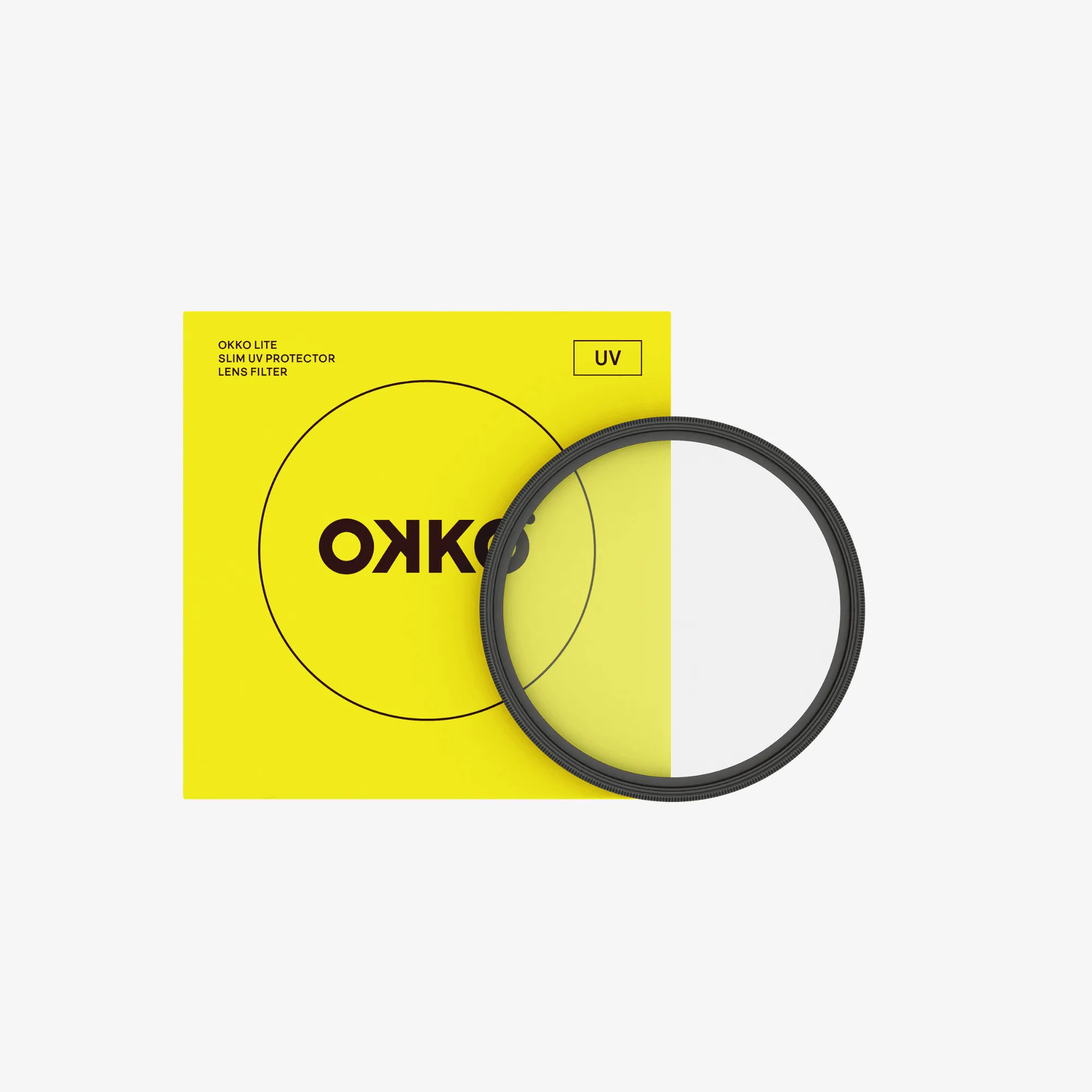
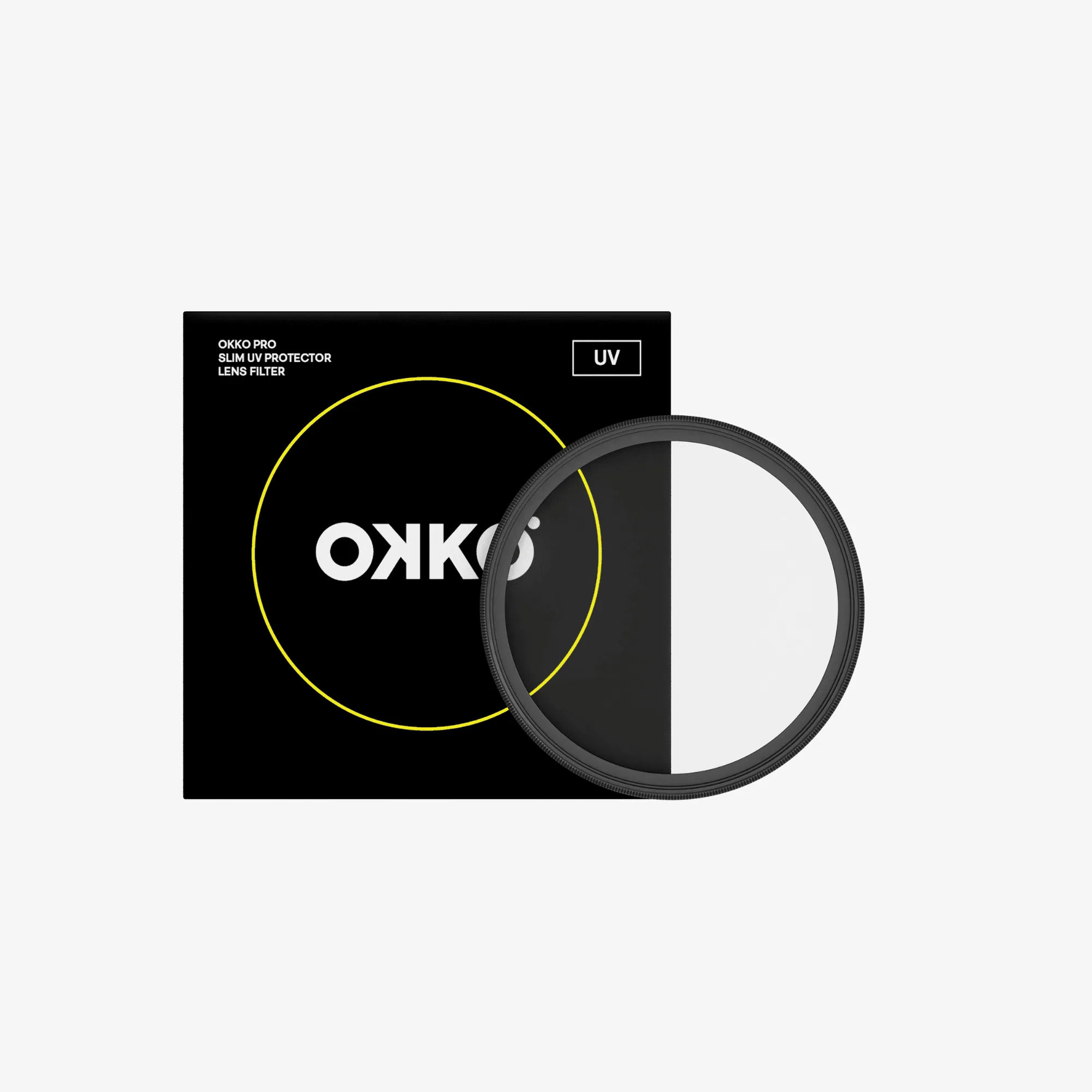
One practical fix: keep a UV filter on every lens and use a pouch for the lens you're not using. The OKKO (Lite) UV Protection Lens Filter is an affordable everyday option for dust, grit, sand, rain, and sea spray, and the OKKO Pro UV Protection Lens Filter adds German-made B270 Schott glass, an aluminum frame, a 1.1mm ultra-thin profile to prevent vignetting, and 99.5% light transmission with 16 layers of Nano coating. Neither replaces padding, but they reduce how often you need to clean the front element.
Speed of access and real-world workflow
Camera bag compartments win on speed. A well-designed bag lets you swap a lens in seconds without unzipping a separate pouch. That matters at events, weddings, or street shooting where the moment is gone if you fumble.
Pouches win when you carry more lenses than your bag holds, or when you want to move a lens between a backpack and a shoulder bag without repacking dividers. The trade-off is a slower draw: you're opening a pouch, then the bag. If you shoot fast, keep your most-used lens in a compartment and pouch only the backup.
Carrying comfort and strap choices
Weight distribution changes with how you carry. A camera bag compartment keeps weight centered in the bag, but a heavy kit on a thin strap digs in. If you carry a body plus a pouch on a strap, the strap becomes part of the protection system.
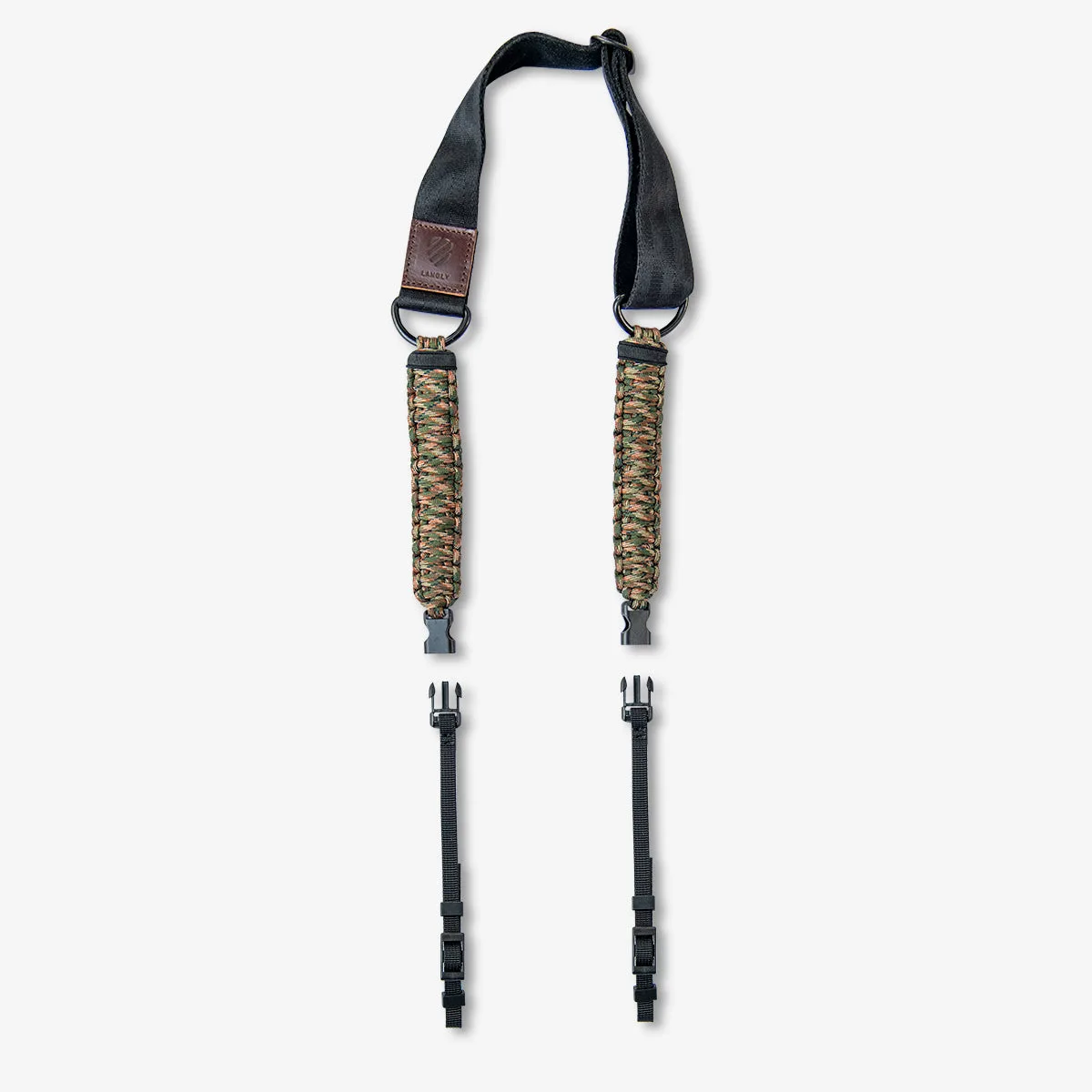
The Paracord Camera Neck Strap uses 550-lb test paracord that flexes but doesn't break, with nylon webbing and soft suede lining. The natural suspension shields your camera from shocks when you move through rough terrain, which matters if you're hiking with a lens pouch on your belt or in a side pocket. The Leather Camera Strap is a padded suede option for heavier bodies. Neither replaces a padded bag, but both reduce the chance of a drop when you're moving.
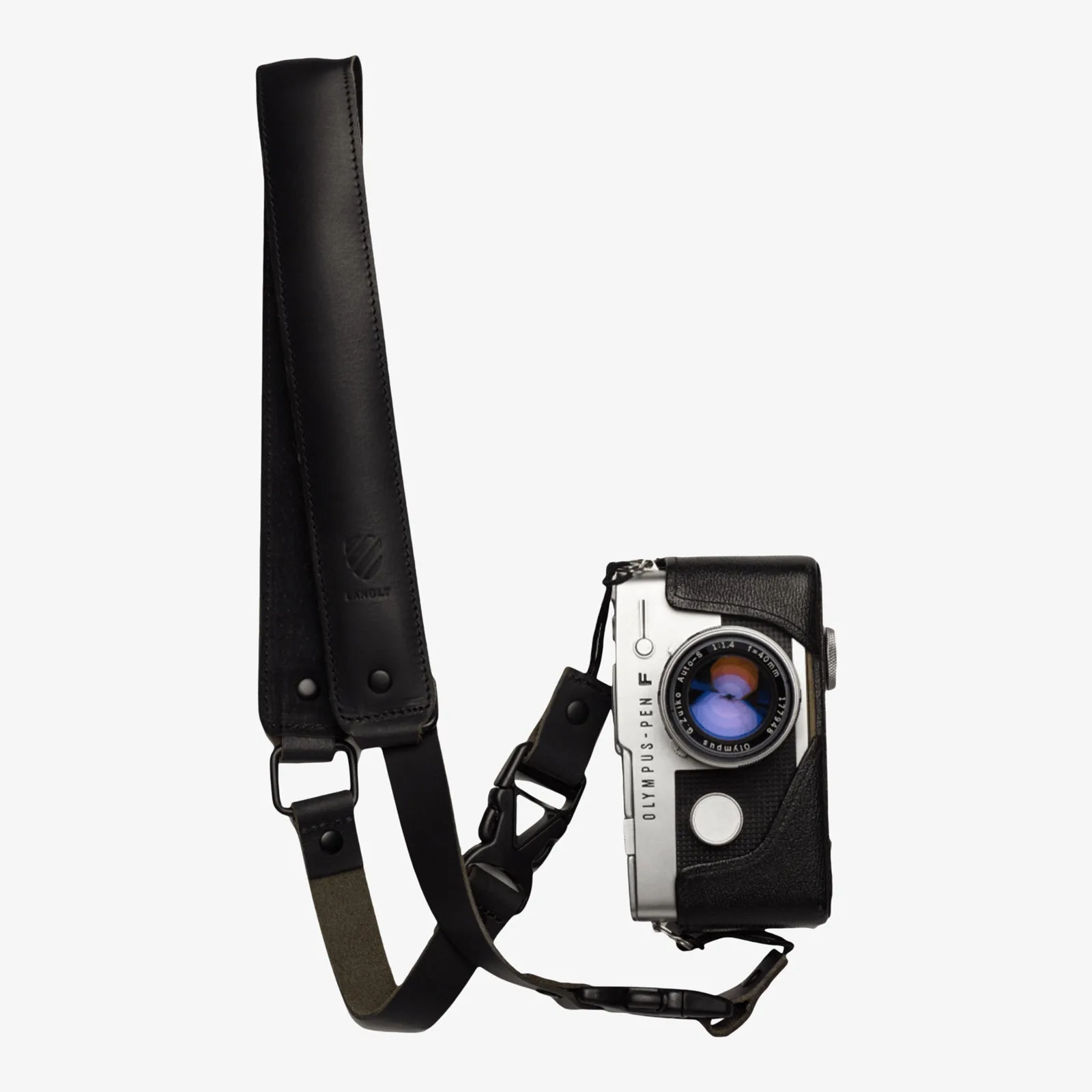
Leather Camera Strap
Trade-offs at a glance
- Protection vs speed: A pouch adds padding and dust sealing but slows access; a compartment is faster but only protects while closed. Choose a pouch for backup lenses, a compartment for your most-used lens.
- Bulk vs flexibility: Pouches add bulk to your bag but let you move a lens between bags without repacking dividers. If you switch bags often, one pouch per lens is cheaper than a second camera bag.
- Weather vs convenience: A pouch keeps sand and spray off a lens between shots; a compartment leaves the lens exposed during swaps. In harsh conditions, pouch every lens you're not actively using.
Products that support either setup
- OKKO (Lite) UV Protection Lens Filter: OKKO (Lite) UV Protection Lens Filter protects your lens from dust, grit, sand, rain, and sea spray, with a 12-month manufacturer warranty. A cheap filter on every lens means less cleaning and less risk when you swap lenses outdoors, whether you use a pouch or a compartment.
- OKKO Pro UV Protection Lens Filter: OKKO Pro UV Protection Lens Filter uses German-made B270 Schott glass, an aluminum frame, a 1.1mm ultra-thin profile to prevent vignetting, and 16 layers of Nano coating with 99.5% light transmission. If you shoot wide-angle or video, the thin profile and high transmission reduce vignetting and flare without adding bulk to a pouch.
- Paracord Camera Neck Strap: Paracord Camera Neck Strap uses 550-lb test paracord with nylon webbing and suede lining, and its natural suspension shields your camera from shocks on rough terrain. A strap that absorbs shock complements a pouch or compartment by reducing the impact if the camera swings against your body or gear.
Which setup fits you
Best for
- Hikers, travelers, and beach shooters who need dust and spray protection between shots
- Photographers who carry more lenses than their bag holds or switch between bags
- Anyone who wants a cheap second layer of padding without buying a new bag
Not for
- Event and wedding shooters who need the fastest possible lens swaps
- Minimalists who carry one body and one lens and never remove it
- Photographers who already use a fully padded, weather-sealed camera bag and never set it down in harsh conditions