Quick answer
Standard hard enamel pins generally outlast lenticular pins because their smooth enamel surface resists scratches and moisture better. Lenticular pins offer a moving-image effect that standard pins can't match, but that effect relies on a plastic lenticular layer that can scuff or separate over time. If longevity is your priority, choose hard enamel. If you want the animated look and will display it carefully, a lenticular pin is worth it.
How each pin is built
Standard hard enamel pins are made by filling recessed metal areas with colored enamel, then polishing the surface flat. The result is a durable, scratch-resistant face that holds color well. Lenticular pins add a lenticular lens layer on top of a printed image, creating a flipping or animated effect when viewed from different angles. That lens layer is typically plastic and sits above the base material, making it the most vulnerable part of the pin.
Durability: what actually wears out
On a standard enamel pin, the main wear points are the metal plating (which can scratch or tarnish) and the enamel itself (which can chip if dropped). On a lenticular pin, the lens layer can scuff, and the bond between the lens and the base can weaken with heat or moisture. Both types can last for years with proper care, but lenticular pins need more protection from abrasion and humidity.
Display and handling differences
Lenticular pins are best displayed where they won't be touched often, because fingerprints and oils can dull the lens. Standard enamel pins can be handled more freely and are easier to clean with a soft cloth. If you plan to wear your pins regularly on a jacket or bag, standard enamel is the safer choice. If you're displaying them in a case or on a board, lenticular pins can be a striking centerpiece.
Care tips for both types
For standard enamel pins, wipe with a dry soft cloth and avoid harsh chemicals. For lenticular pins, use a microfiber cloth and avoid rubbing the lens in circles. Keep both away from prolonged direct sunlight and extreme heat. Store pins on a backing card or in a pin case to prevent scratches. If a lenticular pin gets wet, blot it dry immediately rather than rubbing.
Trade-offs at a glance
- Lenticular pins: Offer a unique animated effect but have a plastic lens that can scratch or separate with rough handling or moisture. Best for display, not daily wear.
- Standard enamel pins: Durable, scratch-resistant, and easy to clean, but lack the moving-image novelty. Best for frequent handling and long-term collecting.
- Care and storage: Lenticular pins need microfiber cloths and dry storage; enamel pins tolerate more casual cleaning. Match your care routine to the pin type.
Examples from our catalog
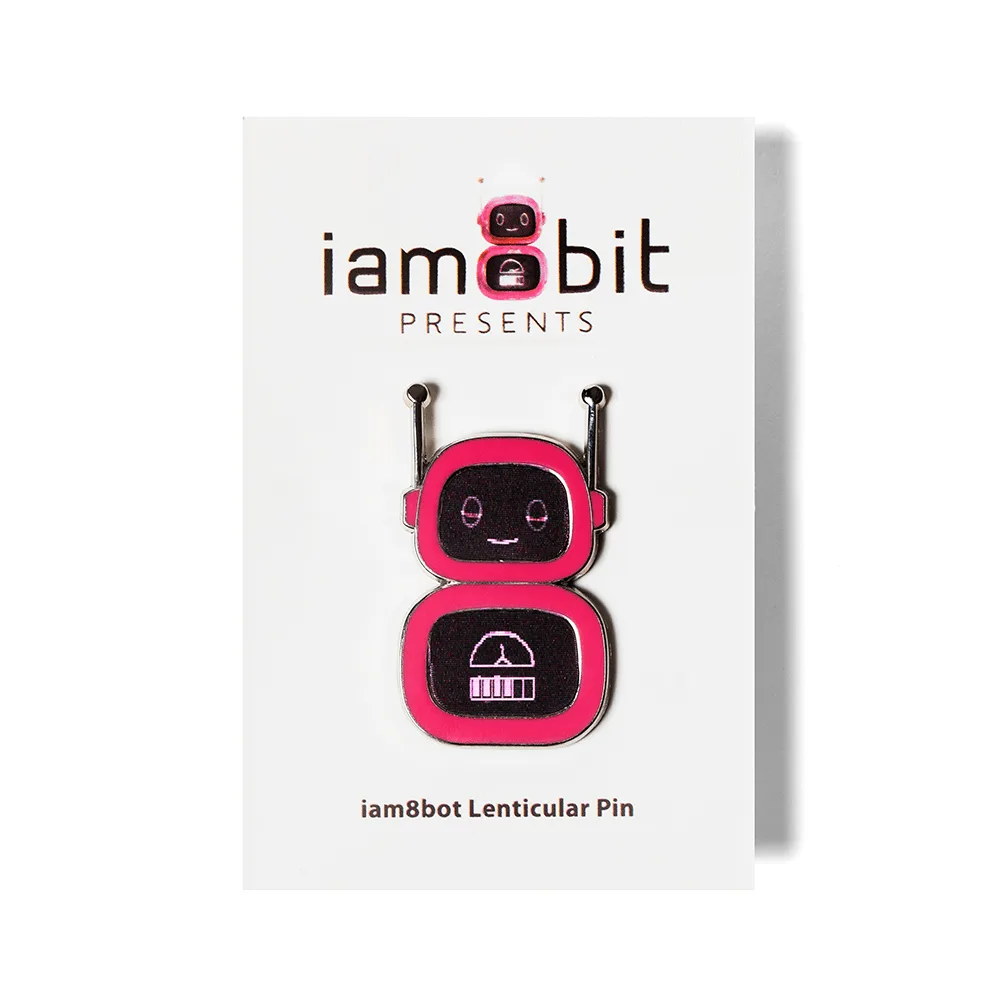
- iam8bot Lenticular Pin: This 1.75-inch premium hard enamel pin uses a lenticular design to create a moving effect. The lenticular layer adds visual interest but requires careful handling to avoid scuffs.
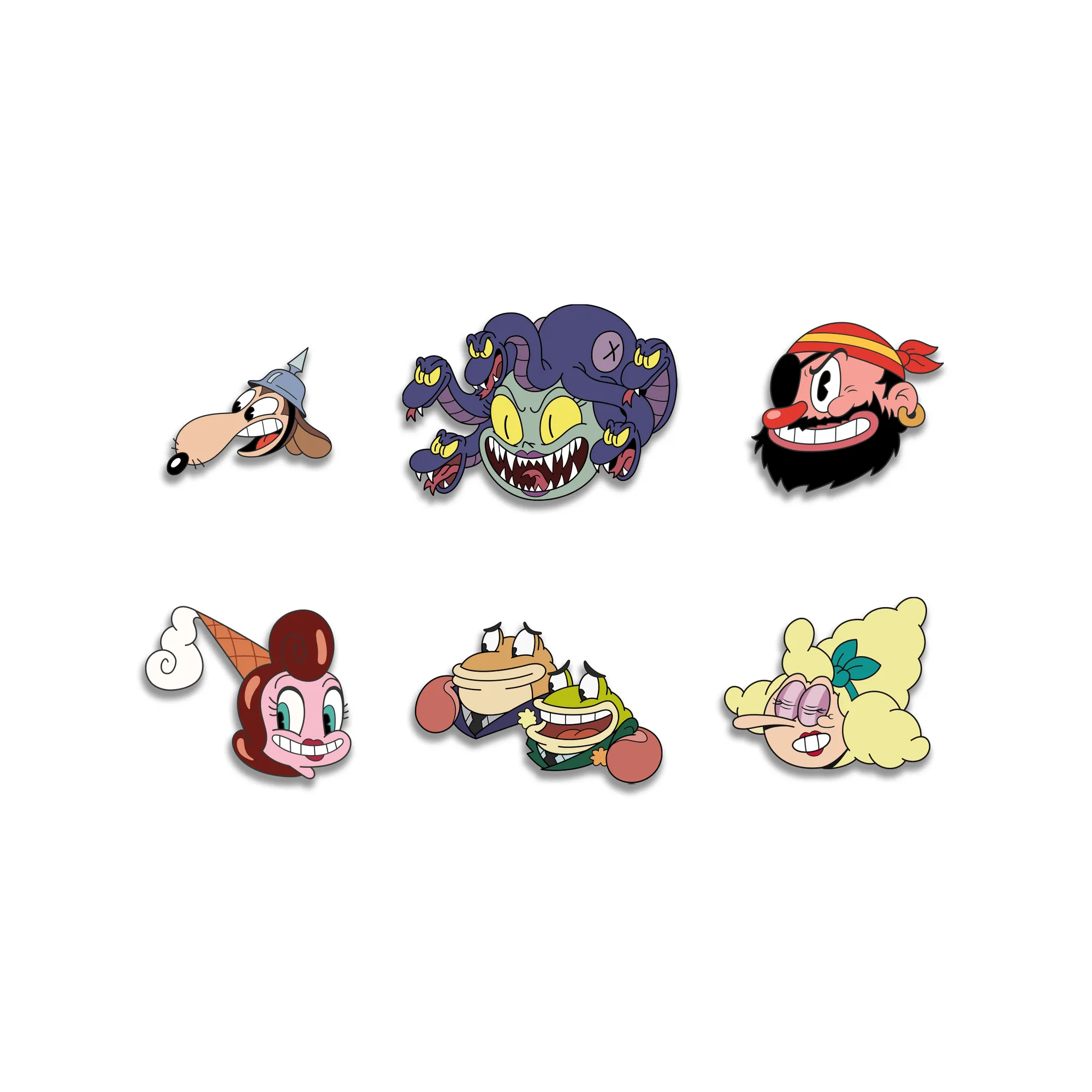
- The Cuphead Show! Premium Enemy Pins: These premium enemy pins are standard hard enamel pins featuring multiple Cuphead Show! characters. Standard hard enamel construction offers better scratch resistance for everyday wear.
Which should you choose?
Choose lenticular pins if
- You want a standout display piece with a moving effect
- You handle your pins rarely and store them carefully
Choose standard enamel pins if
- You wear pins daily on bags or jackets
- You want the most durable option for long-term collecting