Quick answer
If you want a true floating effect with no visible support, choose a magnetic levitating lamp. If you prefer a lamp that stays put, is easier to switch on, and can double as a playful light show, a Heng balance lamp is the more practical pick. For a desk with curious hands and a tight budget, the balance style usually wins; for a display shelf where the floating trick is the point, the levitating style is worth the extra care.
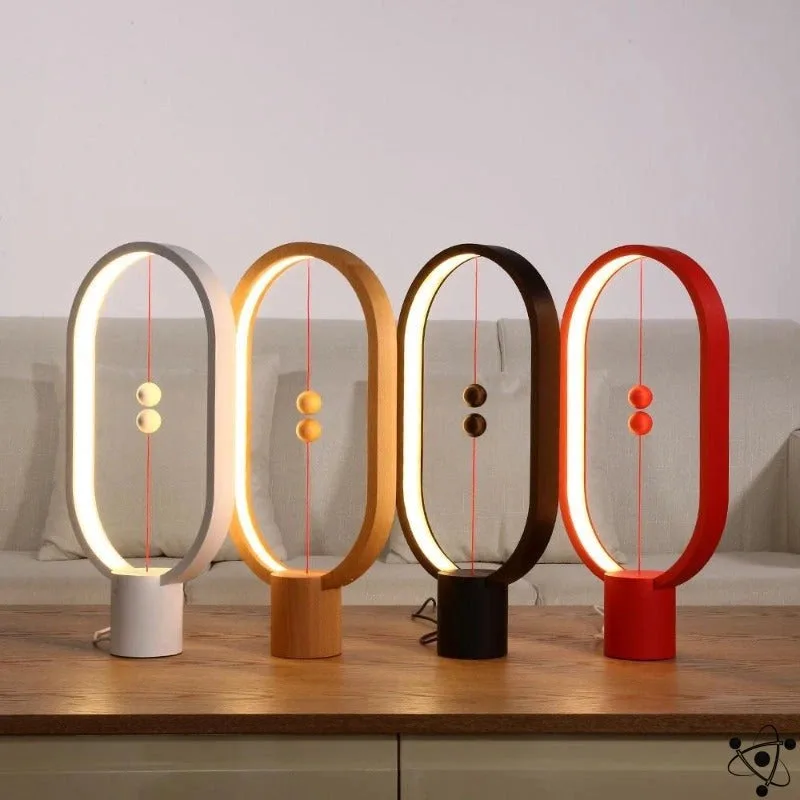
Heng balance lamp
How each lamp actually works
A magnetic levitating lamp uses a base and a floating element that hover in mid-air through magnetic force. That means the lamp is always drawing power to hold its position, and the floating part must be aligned correctly before it will stay up. A Heng balance lamp works differently: you switch it on by bringing two wooden balls together, and the light responds to that physical connection. There is no hovering, no alignment ritual, and no continuous magnetic field holding a loose part in the air.
This mechanical difference drives almost every trade-off below. The levitating lamp delivers a genuine floating effect that guests notice immediately. The balance lamp delivers a tactile, switch-on-by-hand experience that is simpler to live with day to day.
Stability, power, and daily use
Because a levitating lamp must keep its floating element suspended, it is more sensitive to bumps, uneven surfaces, and power interruptions. If the power cuts, the floating part drops. If someone nudges the base, the alignment can fail. A Heng balance lamp has no such failure mode: the balls rest in their frame, and the lamp simply turns off when you separate them.
For a bedside table or a shared desk, that reliability matters. For a shelf where the lamp is mostly decorative and rarely touched, the levitating design is fine. Neither style is inherently better; they fail in different ways, and you should pick the failure you can tolerate.
What you give up with each style
The levitating lamp gives up simplicity for spectacle. You may need to re-seat the floating element after cleaning or moving the lamp, and you cannot treat it like an ordinary object you slide around. The balance lamp gives up the floating trick entirely. It is a clever switch, not a magic trick, and some buyers who wanted the hover effect will feel underwhelmed once the novelty of the ball switch wears off.
There is also a price dimension. Levitating lamps generally cost more because of the magnetic base and control electronics. Balance lamps are often simpler and cheaper, which makes them easier to buy as a gift or a second lamp for a guest room.
Where a science-themed lamp fits
If your room already leans toward science decor, both styles can work, but they signal different things. A levitating lamp reads as futuristic and physics-forward. A balance lamp reads as mechanical and tactile, closer to a puzzle or a desk toy. If you are building a themed shelf, match the lamp to the story you are telling rather than to the trend.
For a child's room, the balance lamp is usually the safer first pick because there is no floating part to knock down. For an adult office or a display case, the levitating lamp's visual payoff is hard to match.
Trade-offs at a glance
- Visual impact: A magnetic levitating lamp floats with no visible support, which is the stronger first impression. A Heng balance lamp stays grounded and relies on its ball-switch interaction for charm. Choose floating for spectacle; choose balance for subtlety.
- Reliability: Levitating lamps need correct alignment and continuous power to keep hovering, so bumps or outages can drop the floating part. Balance lamps have no hovering part and simply switch off when the balls separate. High-traffic desks favor the balance design.
- Cost and complexity: Levitating lamps carry more electronics and usually cost more. Balance lamps are mechanically simpler and typically cheaper, which lowers the risk of a gift purchase. Set a budget first, then pick the mechanism that fits it.
Relevant Science Decor products
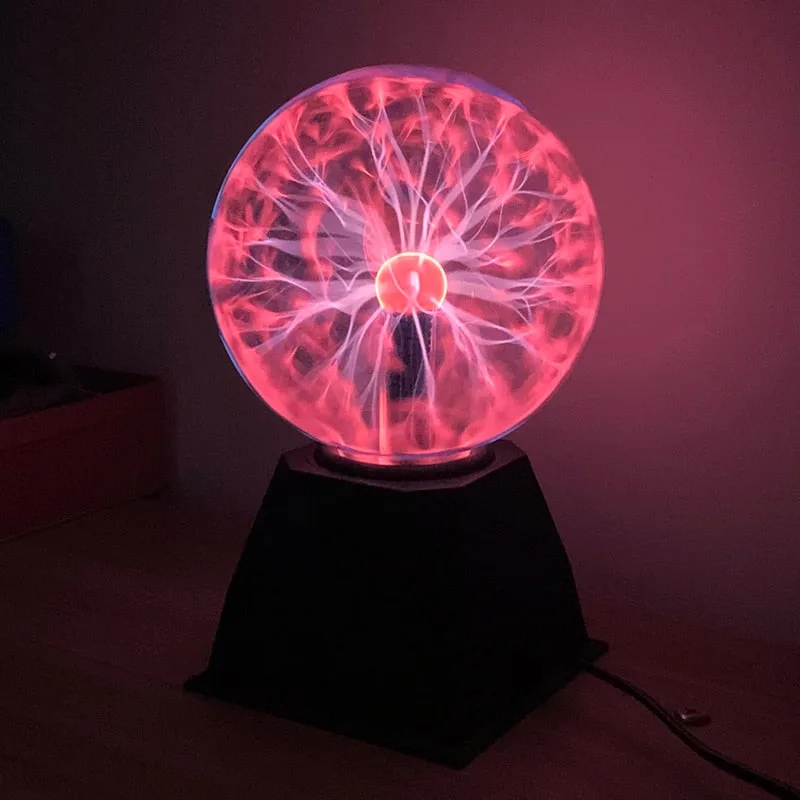
- Plasma Lamp Mower: Plasma Lamp Mower is a plasma ball lamp in the Plasma lamp category, priced at USD 31.49 with a catalog comparison price of USD 49.99, and it is described as a Halloween special with electric lightnings visible when you pass your fingers on the sphere. If your real goal is a touch-reactive light show rather than a floating or balancing mechanism, this is a lower-cost alternative that still delivers visible electrical effects on a desk.
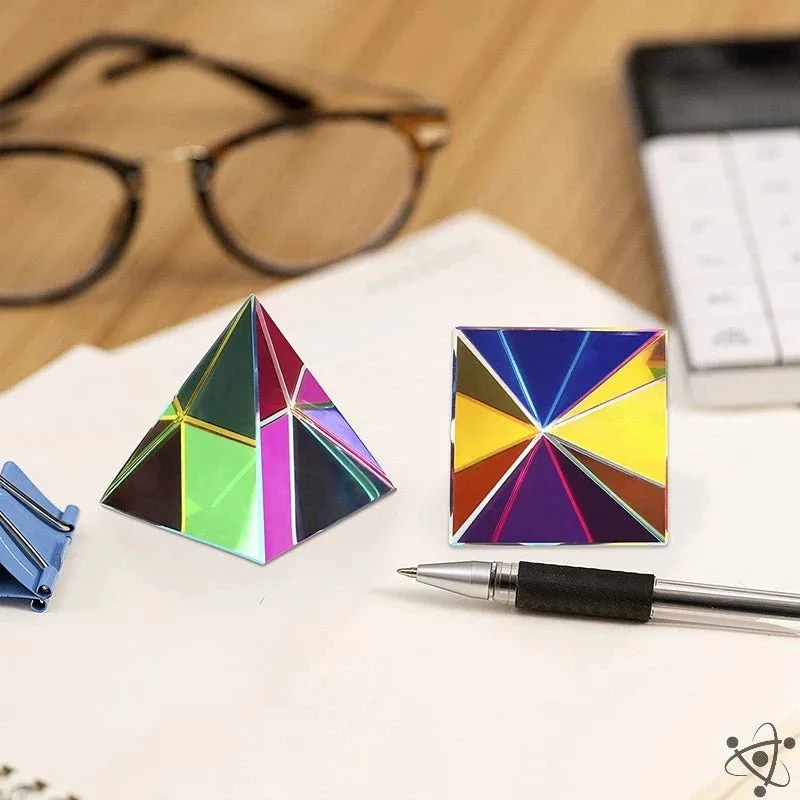
- Colorful Pyramid Prism: Colorful Pyramid Prism is a glass prism in the Prism category, priced at USD 13.10 with a catalog comparison price of USD 18.99, and it is described as transforming any environment into a mesmerizing kaleidoscope of colors. A prism is a passive, no-power way to add color and science character to the same shelf, which is useful if you want the aesthetic without another cord or switch.
Which one fits your space
Best for
- A display shelf or adult office where the floating effect is the main attraction
- Buyers who enjoy physics-themed decor and do not mind occasional re-alignment
- A gift for someone who wants a conversation-starting desk object
Not for
- A child's room or a high-traffic desk where the lamp will be bumped often
- Anyone who wants a lamp they can slide, dust, and forget without alignment steps
- Shoppers who mainly want a touch-reactive light show on a budget and should consider the Plasma Lamp Mower instead