Quick answer
For solo emergency kits, the LifeStraw Sip offers lightweight, keychain-friendly portability and filters up to 1,000 liters per straw. For group emergencies, the LifeStraw Mission provides higher capacity and virus protection, making it the better choice for families or camping groups. Choose based on your expected number of users and water source.
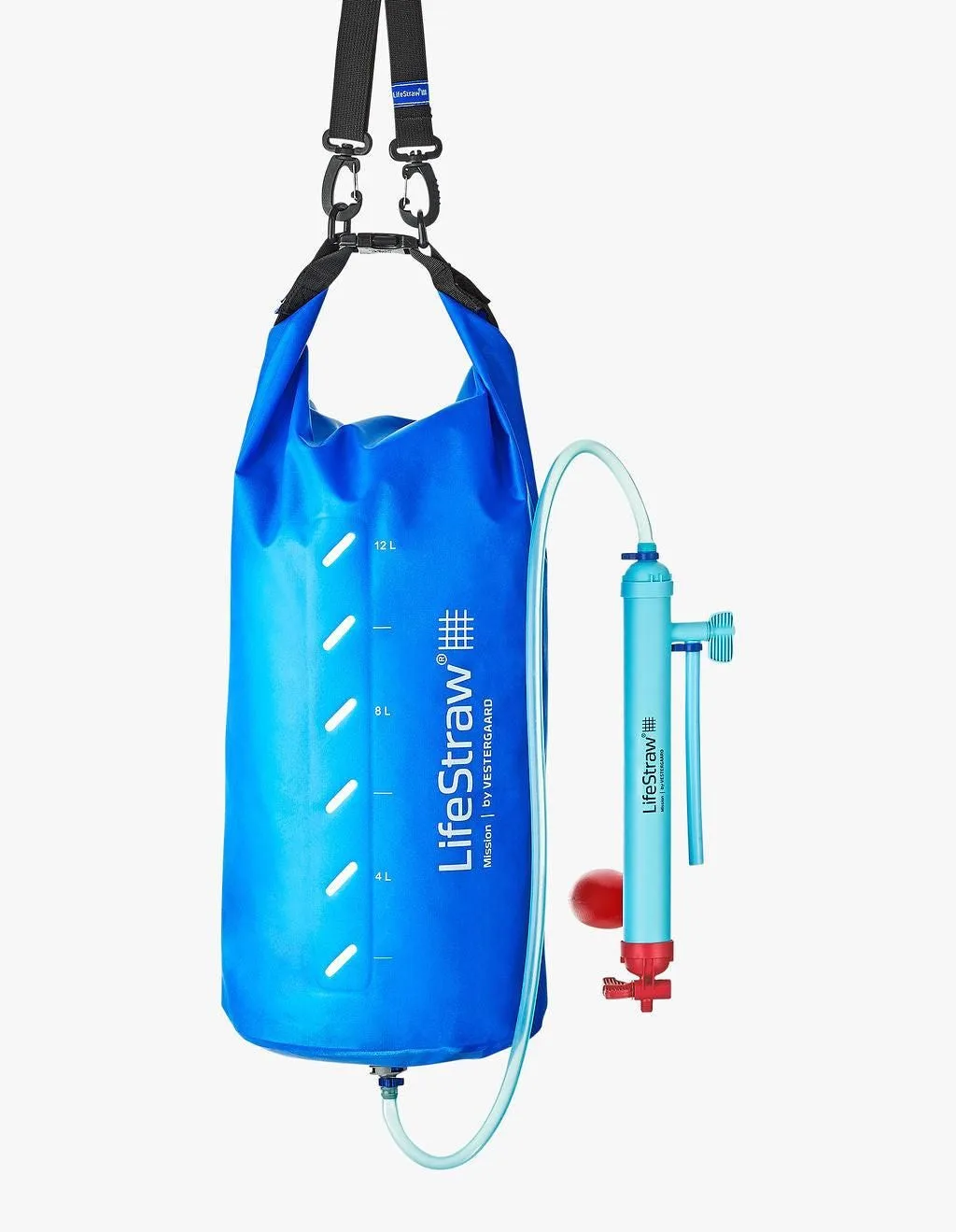
LifeStraw Mission
When preparing for emergencies, having a reliable water filter can be the difference between safety and risk. LifeStraw offers two popular options: the LifeStraw Sip personal straw and the LifeStraw Mission gravity filter. Both remove harmful contaminants, but they serve different scenarios. Understanding their strengths helps you pack the right gear.
In this comparison, we'll examine the LifeStraw Sip and LifeStraw Mission on portability, capacity, and protection. We'll also consider your emergency plan—whether you're a solo hiker or preparing for a family—so you can make an informed choice.
Portability and Ease of Use
The LifeStraw Sip is designed for personal, on-the-go use. It weighs less than 3 ounces and comes with a carry case, making it easy to attach to a keychain or slip into a pocket. You drink directly from the straw, so no setup is required—just place it in water and sip. This makes it ideal for quick access during an emergency or while traveling.
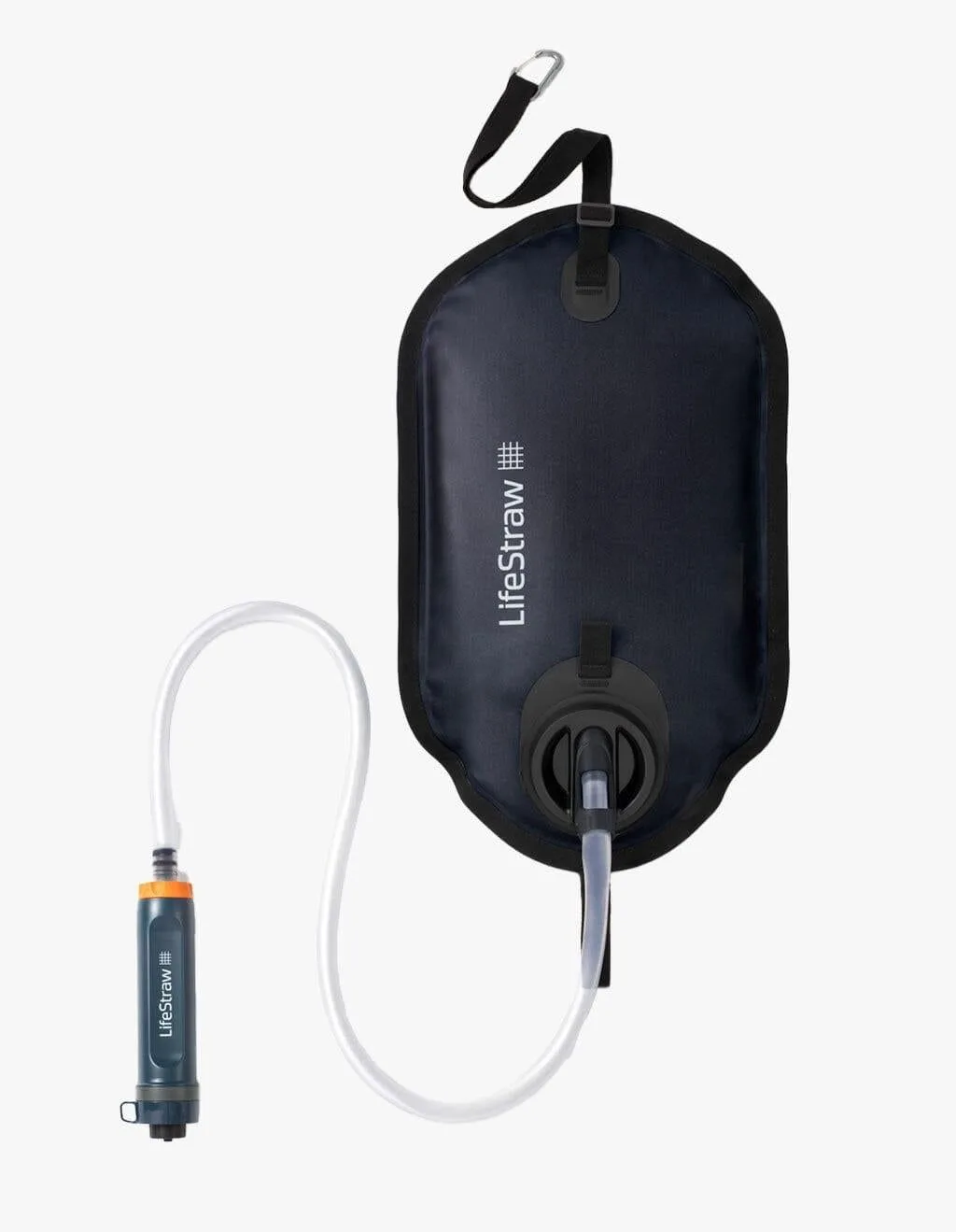
The LifeStraw Mission, on the other hand, is a gravity filter that requires a bit more setup. You fill the bag, hang it, and let gravity pull water through the filter. It's not as instantly accessible as a straw, but it can produce water for multiple people without individual effort. If you're moving quickly, the Sip wins on convenience; if you're setting up camp, the Mission's hands-free operation is a plus.
- LifeStraw Sip: ultra-portable, fits on keychain, no setup.
- LifeStraw Mission: requires hanging and filling, but filters larger volumes.
Capacity and Group Use
The LifeStraw Sip filters up to 1,000 liters per filter—over a year of daily use for one person. That's plenty for an individual emergency kit, but if you're filtering for a family or group, you'd need multiple straws or a higher-capacity system.
The LifeStraw Mission is designed for group use. Its gravity system can produce water continuously, and it's built to handle larger quantities. While the exact capacity isn't listed in the catalog, it's clearly intended for multiple users, making it a better fit for family emergency prep or camping trips. The trade-off is that it's bulkier and less portable.
- Sip: 1,000 liters per straw—great for one person.
- Mission: gravity system for group use, but not specified in liters.
Protection Against Contaminants
Both filters remove bacteria and parasites, but the LifeStraw Mission goes further by also protecting against viruses. This is crucial if your emergency water source might be contaminated with viruses, such as in floodwaters or untreated surface water. The Sip, while effective against many pathogens, does not claim virus removal.
The Mission also filters dirt, sand, and cloudiness, improving water clarity. The Sip removes microplastics, bacteria, and parasites, making it reliable for most outdoor water sources. If you're concerned about viruses, the Mission is the safer choice.
- Mission: removes viruses, bacteria, parasites, dirt, sand, cloudiness.
- Sip: removes microplastics, bacteria, parasites—but not viruses.
Trade-offs to Consider
- Portability vs. Capacity: The Sip is ultra-portable and fits on a keychain, but filters only one person's water. The Mission is bulkier but can serve a group. Choose Sip for solo kits, Mission for family or group prep.
- Virus Protection: The Mission removes viruses; the Sip does not. If your water source may be virus-contaminated, the Mission is safer. Assess your water risk: if viruses are a concern, pick the Mission.
- Ease of Use: The Sip requires no setup—just sip. The Mission needs hanging and filling, but provides hands-free filtration. For quick access, Sip; for sustained group use, Mission.
Product Facts at a Glance
- LifeStraw Sip 3-Pack: Removes Microplastics, Bacteria and Parasites; each filter lasts up to 1,000 liters – over a year of daily use; compact and portable (less than 3 ounces); includes carry case. Ideal for solo emergency kits where portability and long filter life are key, but note it does not remove viruses.
- LifeStraw Mission: Protects against viruses, bacteria, parasites, dirt, sand, and cloudiness; independently lab tested, durable, and BPA free. Provides broader protection including viruses, making it suitable for group emergencies or uncertain water sources, though it requires more setup and space.
Which Filter Fits Your Emergency Plan?
Best for
- Solo hikers or travelers who need a lightweight, keychain-friendly filter.
- Individuals building a compact emergency kit with limited space.
Not for
- Families or groups needing high-volume water filtration.
- Situations where water may contain viruses—choose the LifeStraw Mission instead.
In summary, the LifeStraw Sip excels in portability and simplicity for individual use, while the LifeStraw Mission offers broader protection and group capacity. Evaluate your emergency scenario—whether you're preparing for a solo adventure or a family emergency—to select the filter that matches your needs. Both are reliable choices from a trusted brand.