Quick answer
Choose a child's lift-top desk and chair if you want a dedicated, seated workspace that stores supplies inside and grows with your child through early elementary years. Choose a kids easel if your priority is upright drawing, painting, or a space-saving footprint that folds away. Many families eventually use both, but if you must pick one, match it to how your child most often creates.
How the two options differ in daily use
A lift-top desk is a seated workspace. The child sits on a matching chair, and the hinged lid opens to reveal storage for paper, crayons, puzzles, or small books. That seated position supports handwriting practice, puzzle assembly, and focused table activities. The trade-off is that it takes up floor space like a small piece of furniture and requires assembly.
An easel is a standing workspace. It encourages big arm movements, vertical painting, and collaborative drawing because two children can often share one side. Easels typically fold flat, which helps in small rooms, but they offer little to no enclosed storage. Supplies often need a separate bin or shelf, and younger toddlers may need supervision to keep the easel stable.
Size, assembly, and room fit
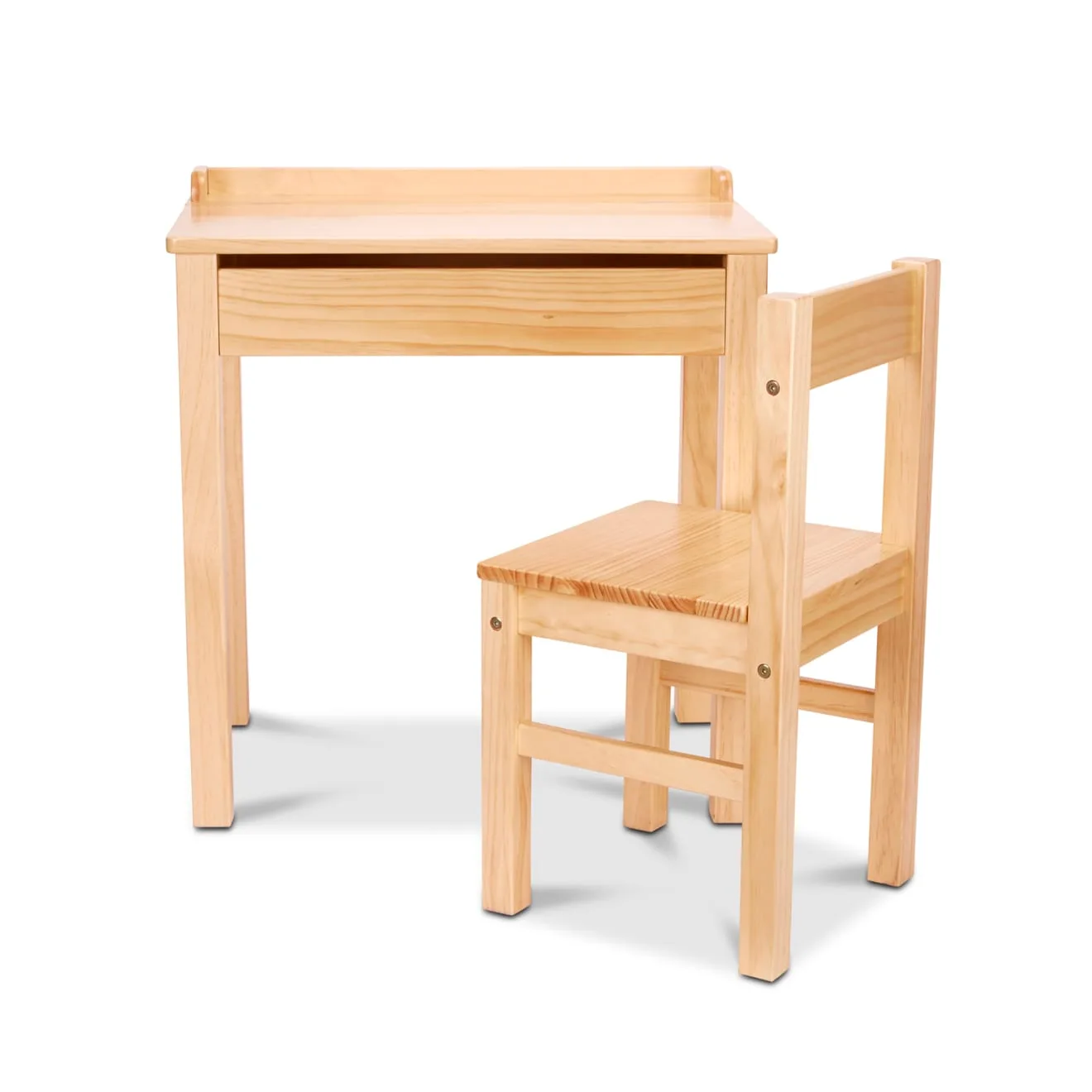
The Child's Lift-Top Desk & Chair - Honey is sized for kids 3-8 and assembles with just a Phillips head screwdriver. Its safety-hinged lid and reinforced legs are built to last through years of use. That age range means it can serve a child from preschool into early elementary, but it is not a compact item. Measure your floor space before committing.
Easels vary widely in footprint and height adjustment, and many are designed to fold for storage. If your art area doubles as a playroom or dining space, an easel that tucks behind a door may be the more practical choice. The trade-off is stability: lighter easels can tip if a child leans hard on the surface, so look for a wide base or a model that locks open.
What about supplies and cleanup?
The lift-top desk keeps supplies contained, which reduces the chance of crayons rolling under the couch. The Child's Lift-Top Desk & Chair - Honey wipes clean, which matters when markers or glue end up on the surface. You still need a place for wet paintings, but the desk itself handles the storage role.
An easel usually needs a nearby shelf, bin, or tray for paints, brushes, and paper. Some easels include a tray, but it is rarely enough for a full art supply collection. If you already have a art cart or a low shelf, an easel can work well. If you do not, the desk's built-in storage may save you from buying extra organizers.
Pairing with puzzles and blocks
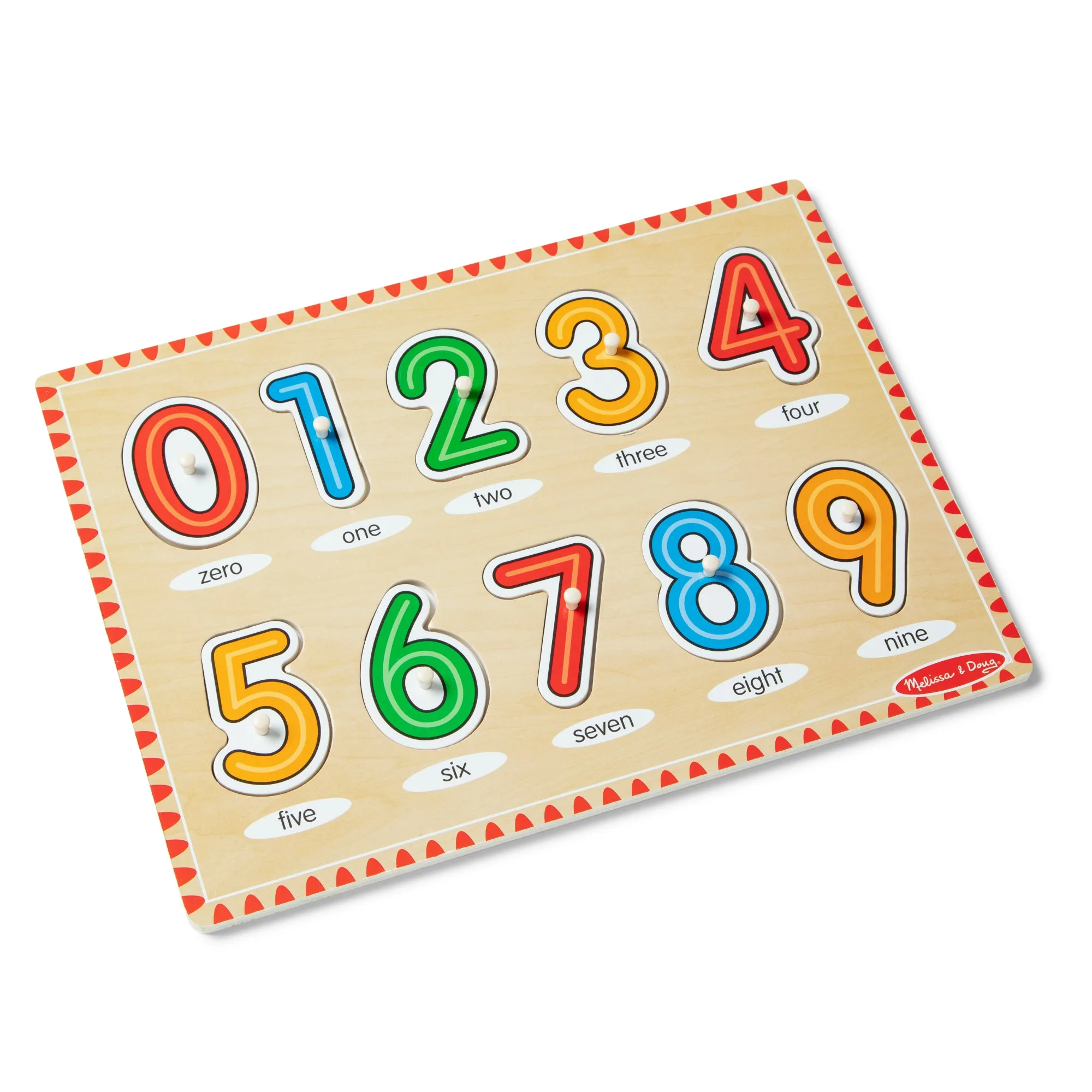
Art spaces often double as puzzle and block areas. The Lift & See Numbers Peg Puzzle - 10 Pieces is a good fit for the desk because it is a seated, tabletop activity that builds number recognition and fine motor skills. The puzzle's self-contained pieces also store easily under the desk lid.
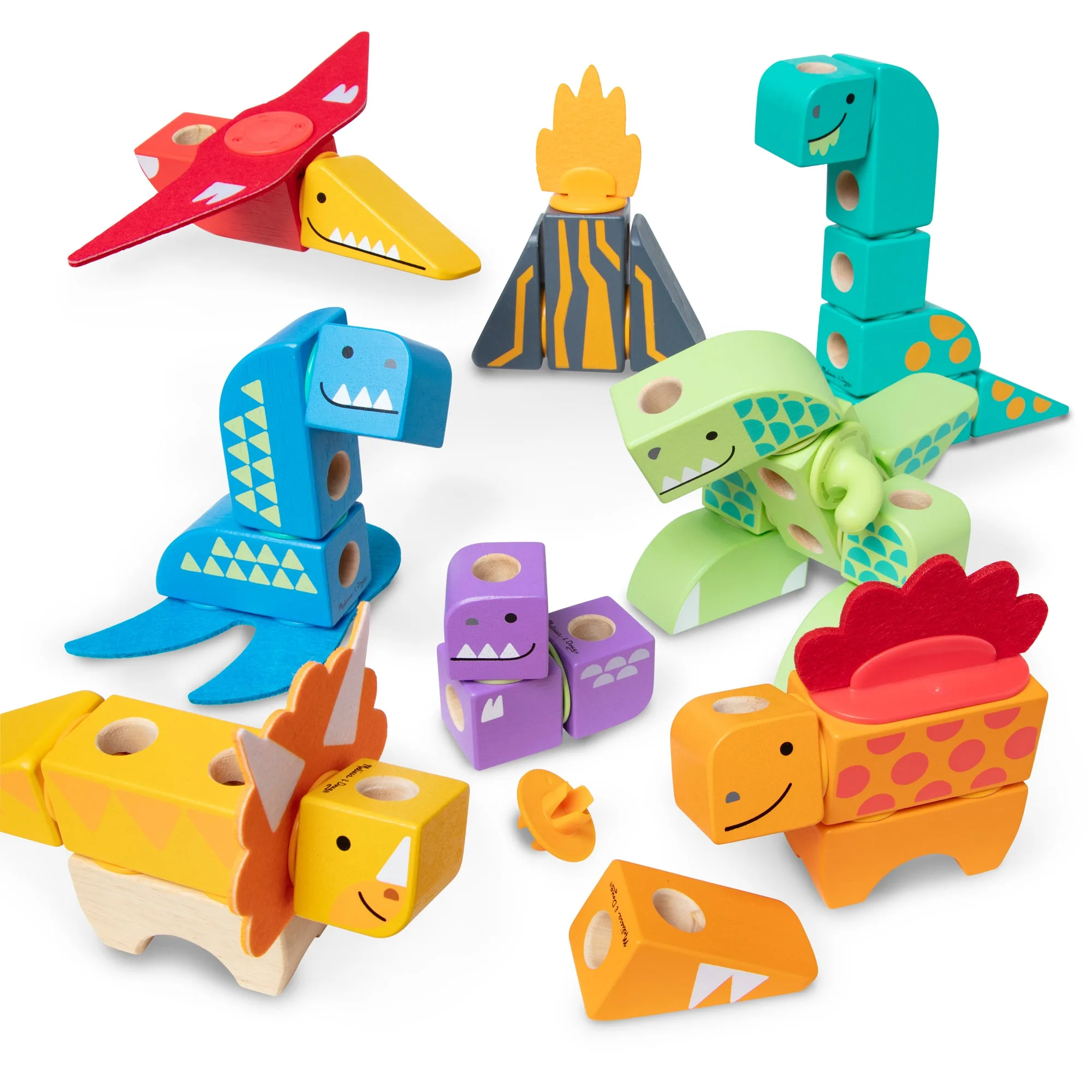
For floor-based building, the Blockables Dinosaur Play Set works better on a rug or open floor than on a desk. If your child rotates between drawing at the desk and building on the floor, an easel plus a low shelf for blocks may be more flexible than a single desk. The trade-off is that you lose the enclosed storage and the dedicated seated workspace.
Trade-offs at a glance
- Seated focus vs. upright movement: A lift-top desk supports seated tasks like handwriting, puzzles, and detailed drawing. An easel encourages big arm movements, standing painting, and shared art sessions. Pick the desk for tabletop focus; pick the easel for energetic, vertical creation.
- Built-in storage vs. open footprint: The desk's hinged lid hides supplies and keeps small pieces contained. An easel usually needs a separate bin or shelf, but it often folds flat when not in use. If clutter is your main concern, the desk wins; if floor space is tight, the easel wins.
- Longevity vs. flexibility: The desk is sized for kids 3-8 and built to last with reinforced legs. Easels vary in height adjustment and may better suit a child who outgrows seated furniture quickly. Consider how long you want the piece to serve your child and whether you have room for both over time.
Product facts
- Child's Lift-Top Desk & Chair - Honey: Sized for kids 3-8, with a safety-hinged lid, reinforced legs, and a wipe-clean finish; assembles with just a Phillips head screwdriver. This desk can serve a child for several years and doubles as storage, but it needs dedicated floor space and assembly time.
- Lift & See Numbers Peg Puzzle - 10 Pieces: A 10-piece peg puzzle that illustrates numbers zero through nine, with a picture under each piece showing the same number of items. It is a natural tabletop companion for the lift-top desk and reinforces counting and fine motor skills during seated play.
- Blockables™ Dinosaur Play Set: Connectable, stackable solid wood building blocks with special connectors for kids 2 and older. These blocks are better suited to floor play than to a desk surface, so consider whether your art space also needs open floor room.
Which should you choose?
Best for
- Families who want a dedicated seated workspace with built-in storage for supplies and puzzles
- Children ages 3-8 who do a lot of tabletop drawing, handwriting practice, or puzzle play
- Parents who prefer furniture that can stay in the room for several years
Not for
- Very small rooms where floor space is at a premium and a folding easel would store more easily
- Toddlers who mainly paint standing up and need a vertical surface
- Families who already have a separate art table and only need an upright drawing option