Quick answer
Linden leaf and flower tea is a mild, caffeine-free herbal infusion traditionally used as a relaxing evening cup. For stress support, steep 1 to 2 teaspoons of dried linden in 8 ounces of just-boiled water for 5 to 7 minutes, covered, and drink it 30 to 60 minutes before bed or during a tense afternoon. It is gentle rather than sedating, so it pairs well with a wind-down routine instead of replacing one.
What linden leaf and flower tea actually is
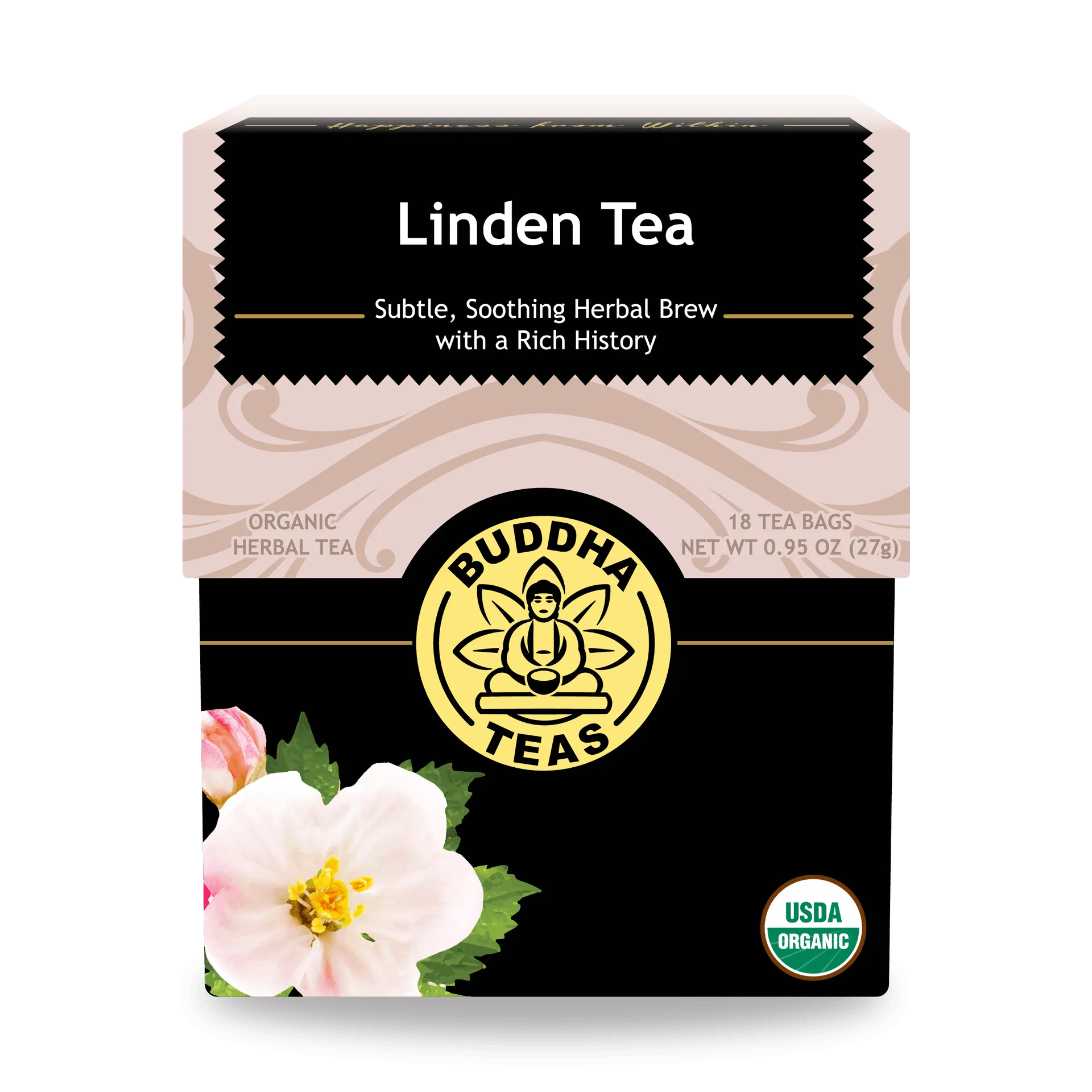
Linden tea comes from the flowers and leaves of the linden tree, also called lime tree or basswood in different regions. The dried blossoms are the aromatic part most people associate with the cup, while the leaves add a softer, slightly green body. It is a true herbal infusion, not a true tea, so it contains no caffeine and will not keep you awake the way a late black tea might.
Linden tea
The flavor is delicate: honeyed, floral, and lightly citrusy when fresh, with a faint woody note if the leaves dominate the blend. Because it is subtle, linden is easy to over-steep into bitterness or under-steep into colored water. The brewing details below matter more here than they do with bold herbs like peppermint.
What linden flower benefits realistically cover
Linden flower has a long folk history as a calming herb, often taken as a warm drink when someone feels wound up, restless, or mildly irritable. Modern herbalists still position it as a gentle nervine, meaning it is used to support relaxation rather than to produce a strong sedative effect. That distinction matters: linden is not a sleep medication, and it will not knock you out.
Many people also reach for linden when they have a cold or a scratchy throat, because the warm, honey-like infusion is soothing and the steam is pleasant to breathe. If you are looking for a heavy-duty sleep aid or a clinically proven anxiety treatment, linden is not the right tool. If you want a mild, pleasant cup that helps signal to your body that the day is ending, it fits that role well.
How to brew linden tea so it actually tastes good
Use about 1 to 2 teaspoons of dried linden leaf and flower per 8 ounces of water. Heat the water to just off a boil, around 200 to 210 degrees Fahrenheit, and pour it over the herbs. Cover the cup while it steeps. The lid keeps the volatile floral aromatics in the water instead of letting them escape into the room, which is a large part of why linden can taste flat when brewed uncovered.
Steep for 5 to 7 minutes, then strain. If you want a stronger cup for stress, add more herb rather than steeping longer, because extended steeping pulls out bitter, tannic notes without adding much more aroma. For a lighter daytime cup, drop to 4 minutes. Loose linden generally gives a cleaner flavor than finely crushed tea bags, but either works if you adjust the time.
When and how often to drink linden tea for stress
The most common approach is one cup in the evening, roughly 30 to 60 minutes before you want to feel calmer. Some people prefer a second cup in the late afternoon if the day has been tense. Because linden is mild, timing is flexible, but the ritual itself does a lot of the work: a warm drink, a few quiet minutes, and a consistent cue that the day is winding down.
If you are pregnant, nursing, taking prescription medication, or managing a heart or blood pressure condition, check with a healthcare provider before making linden a daily habit. Herbal infusions can interact with medications even when they are gentle, and this is a case where a quick professional opinion is worth more than internet reassurance.
Linden tea relaxation: what to expect in the first week
Do not expect a dramatic shift from a single cup. Most people describe linden tea relaxation as a soft, gradual loosening: shoulders drop, breathing slows, and the mental to-do list gets a little quieter. The effect is closer to a warm bath than to a sedative, and it tends to build with repetition rather than intensity.
If you want to strengthen the effect, pair the cup with a screen-free 15 minutes, dimmed lights, or a few slow breaths. Linden works best as part of a routine, not as a standalone switch. If after a week of consistent evening cups you feel nothing at all, linden may simply be too mild for your needs, and a different calming herb or a conversation with your doctor is a better next step.
Linden tea FAQ: quick answers
Does linden tea make you sleepy?
It is mildly relaxing rather than sedating. Most people feel calmer, not drowsy, which is why it works well in the late afternoon as well as before bed. If you need a strong sleep aid, linden alone is not enough.
How long should I steep linden tea?
Cover the cup and steep 5 to 7 minutes in water just off a boil. Go shorter for a lighter cup, and add more herb rather than steeping longer if you want more strength. Covering the cup preserves the floral aroma that makes linden worth drinking.
Can I drink linden tea every day?
Many people enjoy one or two cups daily without issue. If you take medication or are pregnant or nursing, ask a healthcare provider first. Daily is fine for most healthy adults; check interactions if you are unsure.
What does linden tea taste like?
Fresh linden is honeyed, floral, and lightly citrusy, with a soft green note from the leaves. Old or poorly stored linden tastes dusty and flat. Buy from a source that moves stock quickly and store it away from light and heat.
Is linden tea the same as lime tea?
In much of Europe, lime tree refers to the linden tree, not the citrus fruit. The tea contains no lime fruit and tastes nothing like citrus lime. If a label says lime flower tea, it is usually linden.
Buddha Teas options worth knowing
- Eucalyptus Leaf Tea: Organic Eucalyptus Leaf Tea is a naturally camphor-like, aromatic infusion made without artificial flavorings or synthetic scents. If you want a clear, cooling cup to pair with a breathing-focused wind-down, this is the closest match in the current lineup; it is not a linden substitute, but it serves a similar evening ritual.
- 4th Chakra Tea: Organic 4th Chakra Tea blends hawthorn and lavender with floral and herbaceous notes, crafted without artificial flavorings. A reasonable choice if you want a calming floral cup with more aromatic depth than linden, especially when stress feels more emotional than physical.
- Mugwort Tea: Organic Mugwort Tea is a single-ingredient, wild-harvested infusion in plastic-free packaging with no additives or perfumes. Best for anyone who prefers an earthy, unscented cup and wants to avoid added flavorings entirely; its flavor is much stronger and more bitter than linden.