Quick answer
Yes, with realistic expectations. A Poke-a-Dot alphabet book pairs an ABC eye-spy hunt with click-to-count buttons, so it builds letter recognition, counting, and fine motor skills at the same time. It works best as a shared lap book for roughly ages 1 to 4, not as a solo teach-yourself-ABCs program. If your child already sits through board books and likes pressing things, it earns its place on the shelf.
What the pop-and-click format actually teaches
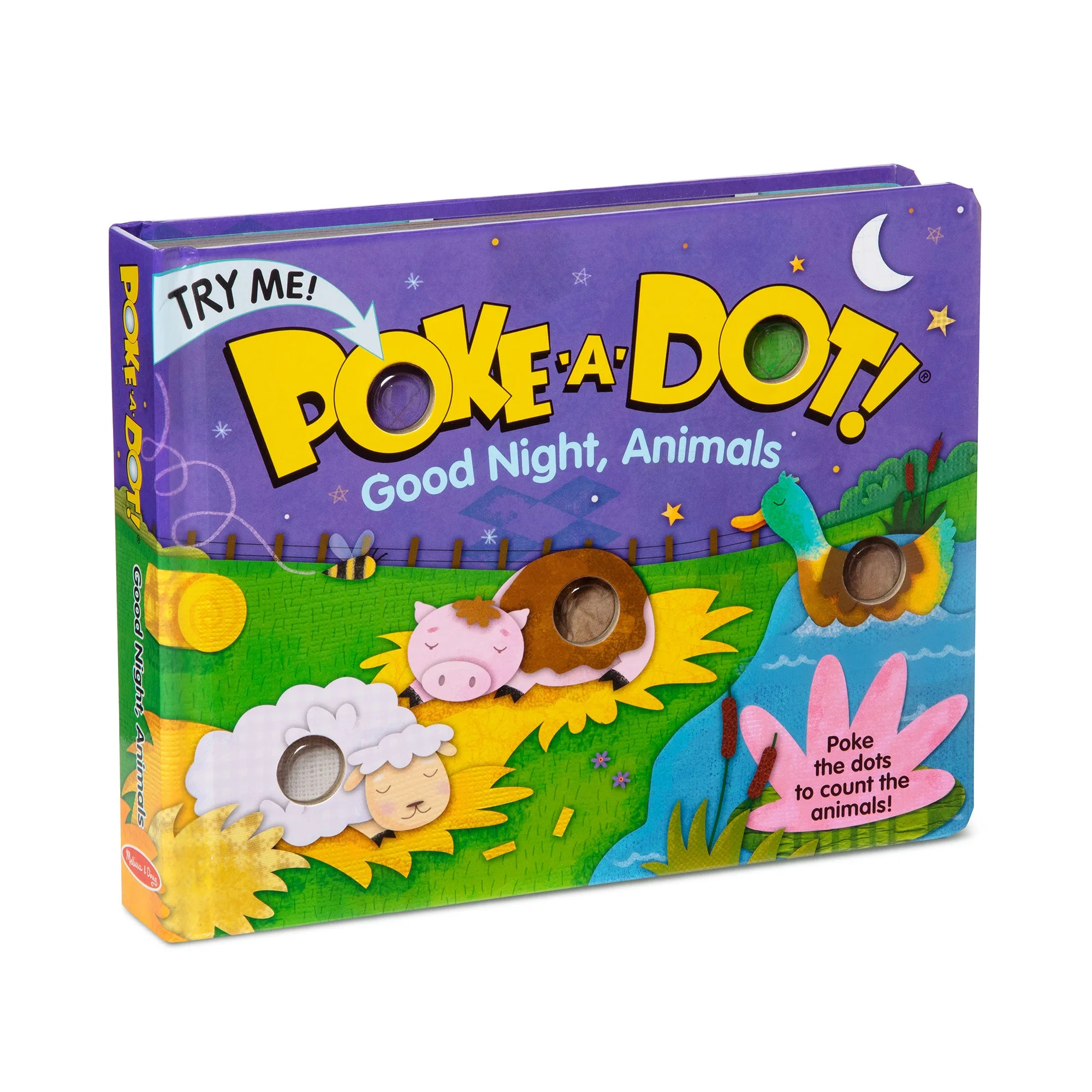
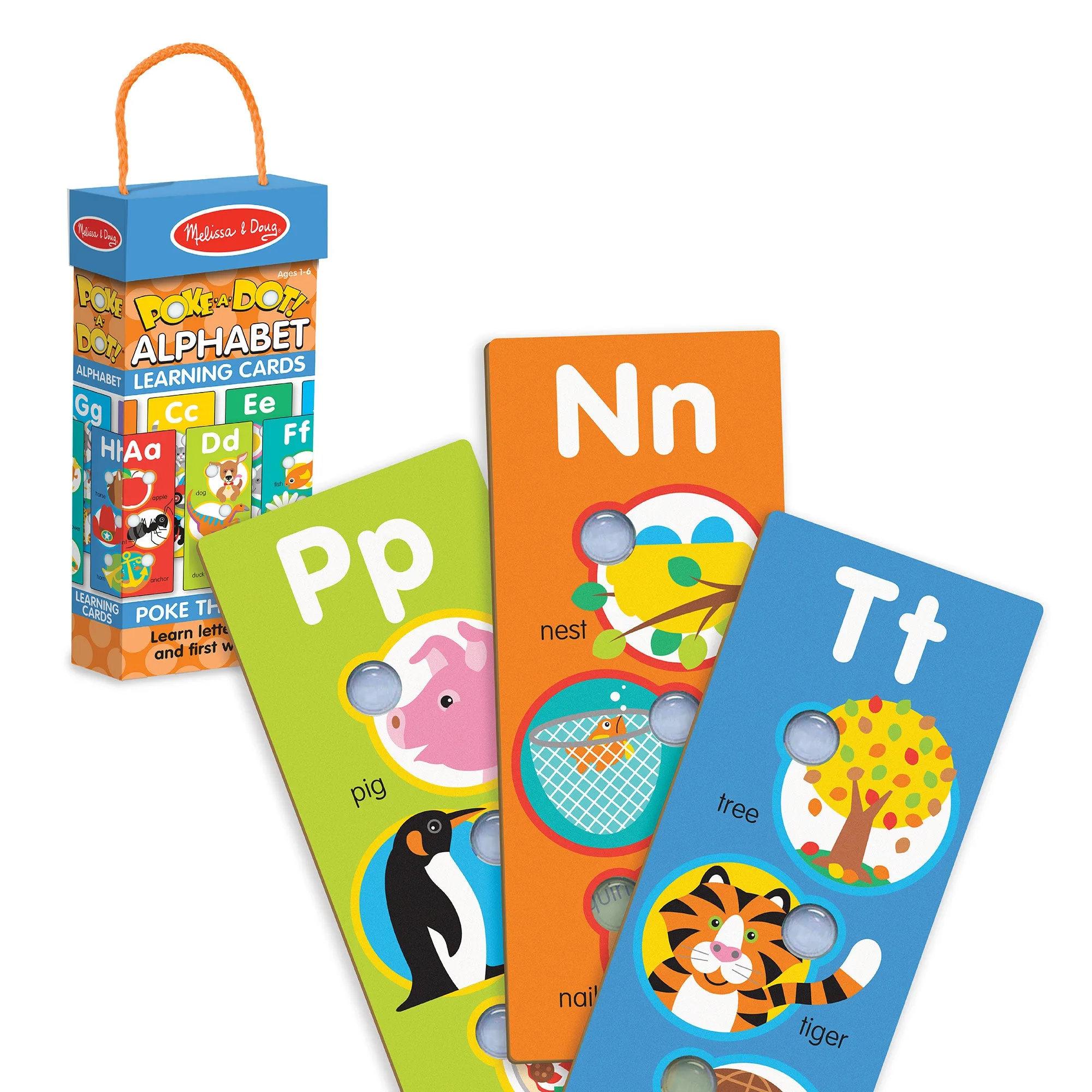
The mechanism is simple: a sturdy board book page with raised buttons that click and pop when pressed. That sensory feedback is the hook, and it is also the teaching tool. Pressing a dot requires a pincer grasp and a deliberate push, which is the same fine motor motion kids need for later pencil control. Because the buttons are countable, the book quietly layers counting on top of letter hunting. The ABC eye-spy structure adds a third layer: your child scans an illustrated scene, finds an object, and connects it to a letter. None of this happens automatically. The learning comes from you pointing, naming, and waiting while your child pops.
How to tell whether your child is ready
Interactive alphabet books fail when the child is either too young to care about letters or too old to be interested in popping. Use behavior, not age, as your signal. A child who already brings you board books, points at pictures, and imitates sounds is ready. A child who still mouths everything or cannot yet sit through two or three pages will mostly treat the dots as a teether. If your child is already reading simple words and wants a story, an alphabet eye spy book will feel like a step backward.
What to check before you buy any interactive alphabet book
Not every click-and-pop book is built the same way. Check the page count and page thickness first, because a 20-page board book with sturdy pages survives toddler handling far better than a thin novelty book. Second, confirm the interaction is built into the book rather than attached as a separate piece, since loose pens and removable parts get lost. Third, look at whether the book is reusable or one-and-done. Reusable formats justify a higher price because they stay in rotation for months. Finally, match the theme to your child's current obsession. A jungle, farm, or vehicle theme will get opened far more often than a generic one.
Decision rules: which alphabet book fits your child
- Choose Poke-a-Dot if your child presses everything: If your toddler already pokes buttons, light switches, and remote controls, a click-to-count board book redirects that impulse into letter hunting. The physical feedback is the reward, and the ABCs ride along with it. Best first interactive alphabet book for a hands-on 1 to 3 year old.
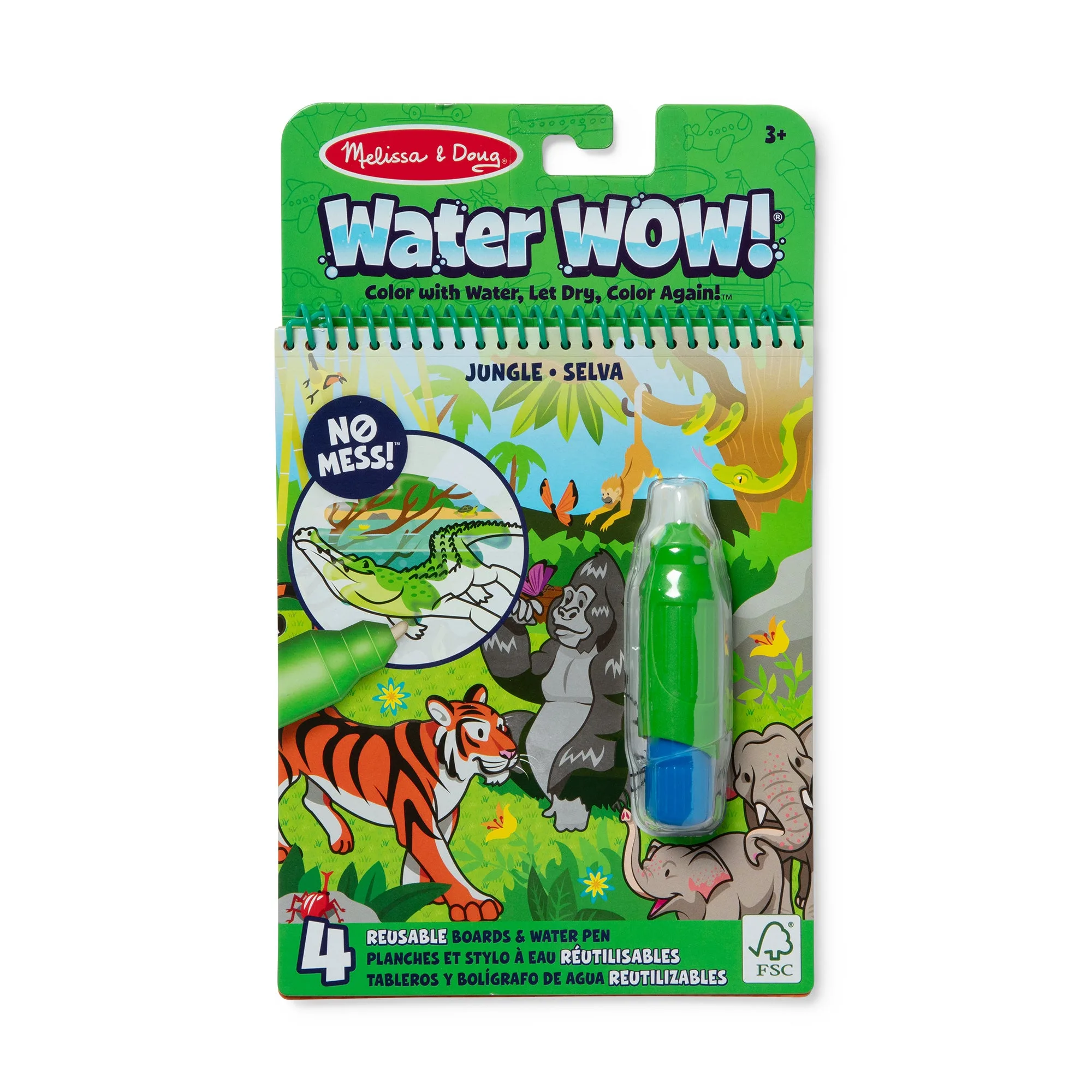
- Choose a reusable water-reveal pad if mess is the blocker: When you want letter practice without loose pieces, ink, or cleanup, a water pen pad lets your child color scenes and then start over once the page dries. It trades the popping sensation for repeatable, no-mess play. Better for travel, waiting rooms, and kids who dislike the click sound.
- Skip both if your child wants a story: Interactive alphabet books are activity-first, not narrative-first. A child who asks for characters and plots will get more from a picture book that happens to teach letters than from a pop-and-hunt format. Match the format to your child's attention style, not to the alphabet goal alone.
Two formats worth comparing
- Poke-a-Dot: An Alphabet Eye Spy Board Book: Poke-a-Dot: An Alphabet Eye Spy Board Book is a sturdy 20-page interactive board book where kids pop click-to-count buttons while spotting objects from A to Z. This is the direct answer to the alphabet question: the letter hunt and the popping happen on the same page, so you are not choosing between a sensory toy and an ABC lesson.
- On the Go Water Wow! Water-Reveal Pad – Jungle: On the Go Water Wow! Water-Reveal Pad – Jungle includes four reusable pages and a refillable water pen; details and color appear with each stroke, then dry to erase so the pages can be colored again. A useful companion or alternative when your child wants to color the letters rather than pop them, and the reusable pages mean it holds up to repeated use on car rides and restaurant waits.
Is a Poke-a-Dot alphabet book right for your family?
Best for
- Parents of 1 to 4 year olds who want letter and counting exposure during shared reading
- Families who need a durable board book that survives repeated toddler handling
- Kids who learn best through touch, sound, and movement rather than sitting still
Not for
- Children already reading simple words who want a story with characters
- Families looking for a quiet, no-sound book for bedtime or a library
- Parents who want a screen-free coloring activity instead of a popping one