Quick Answer
If you want a breathable, easy-to-wash layer that can replace a comforter in summer or add warmth in winter, a linen duvet cover is your best bet. If you prefer a lighter, decorative layer that sits on top of the bed without the fuss of a duvet insert, a quilted coverlet offers structure and style with less bulk. For most, a duvet cover works best as a primary blanket, while a coverlet excels as a topper or summer alternative.
When you're redesigning your bedding, the choice between a linen duvet cover and a quilted coverlet can feel confusing. Both add texture and comfort, but they serve different roles in your sleep setup. Understanding their differences helps you pick the one that matches your climate, cleaning habits, and aesthetic preferences.
This guide compares the two options based on real product details from Linoto, so you can decide which layer belongs on your bed—or how to use both together.
What Is a Linen Duvet Cover?
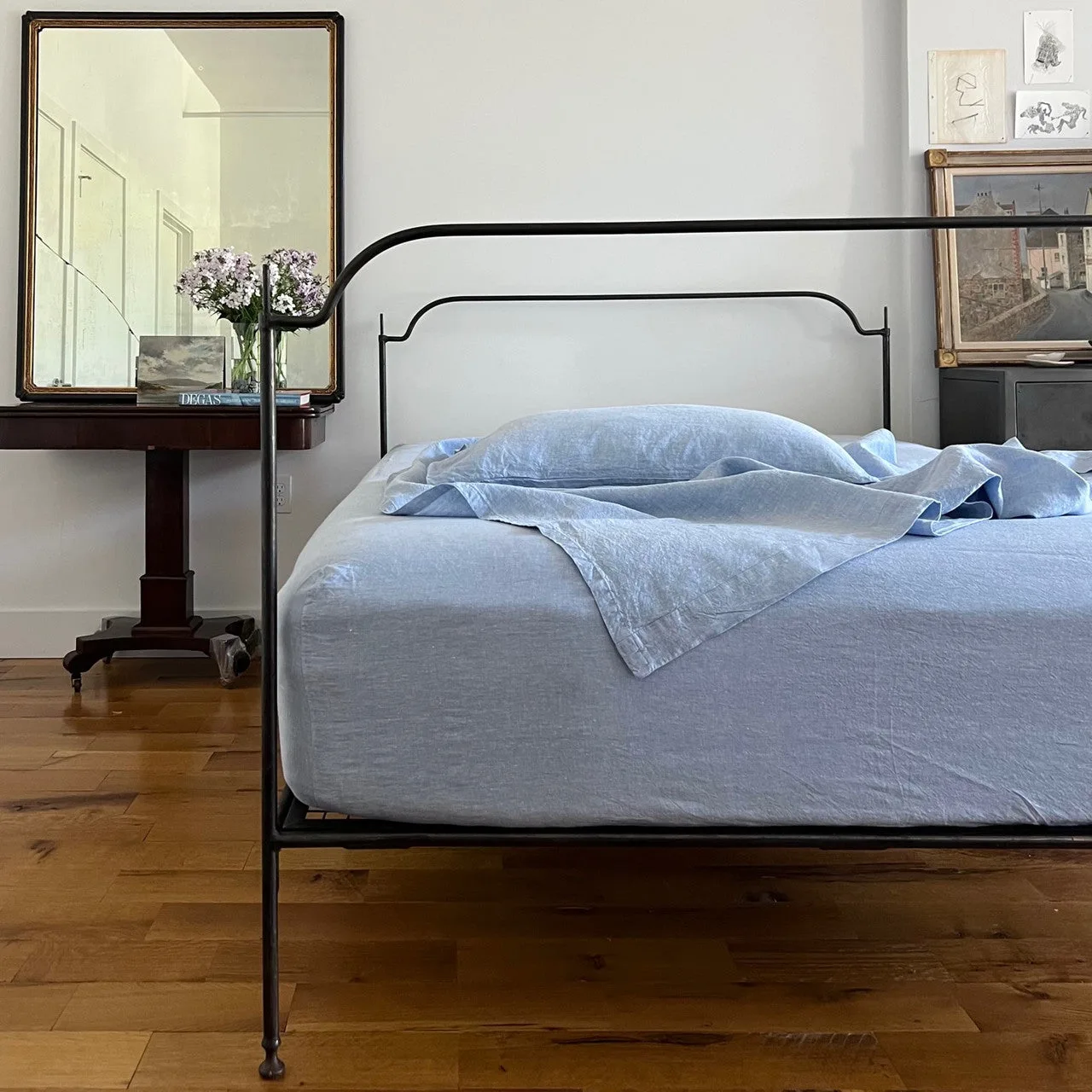
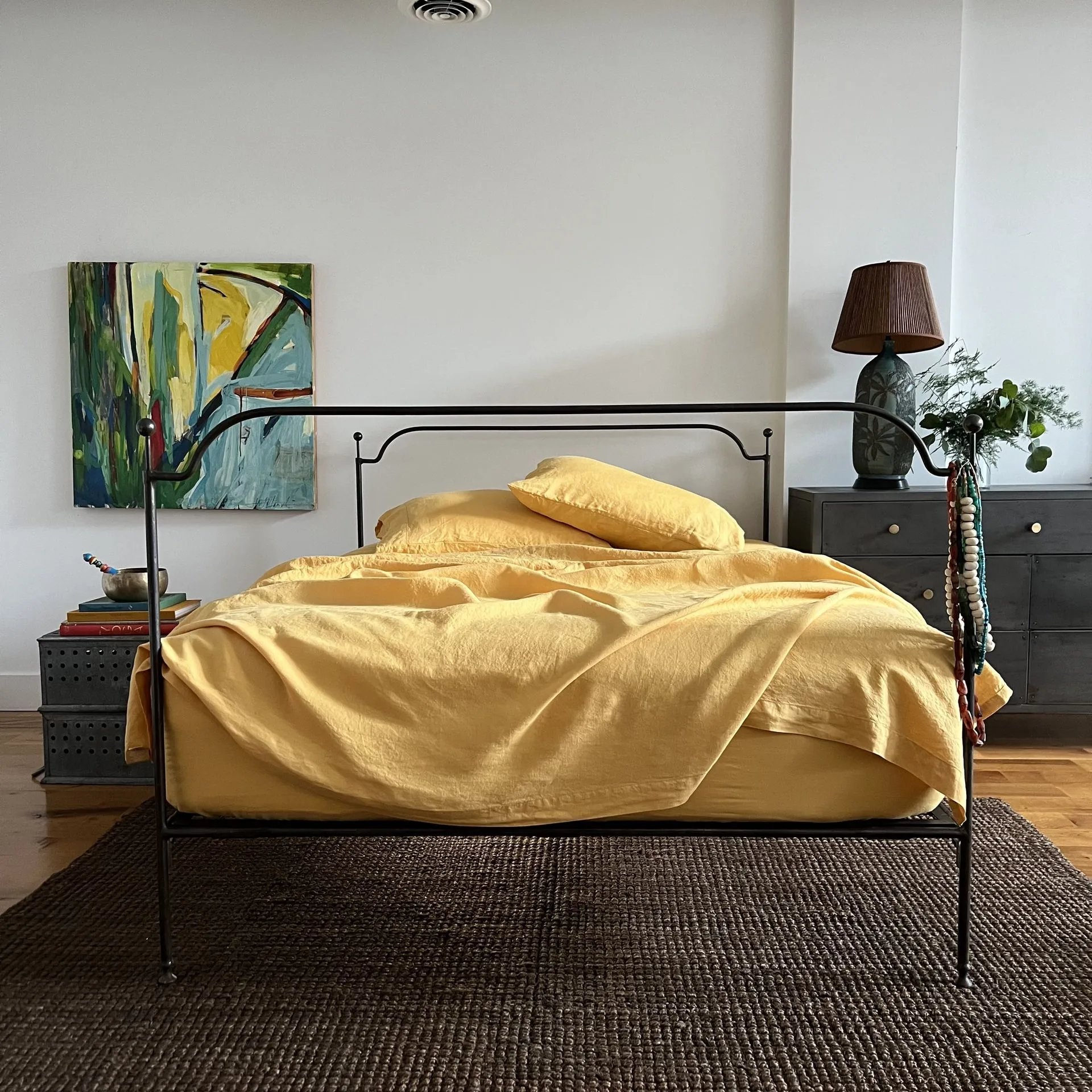
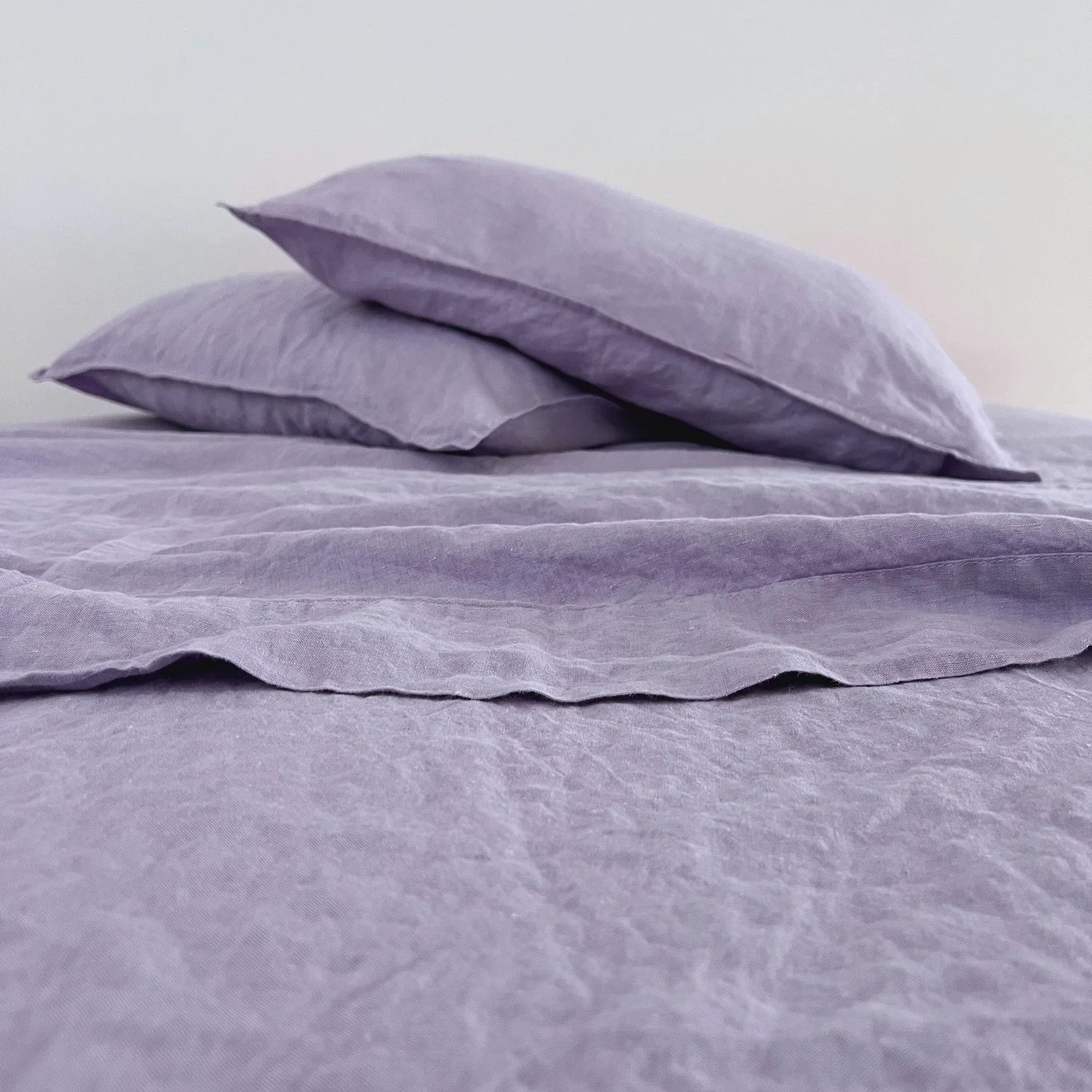
A linen duvet cover is a protective, washable shell that slips over a duvet insert (a fluffy comforter-like blanket). It's the top layer of your bedding that you see and feel, and it's designed to be removed and laundered easily. Linoto's linen duvet covers are crafted from substantial 100% linen sheeting woven in Italy, offering a crisp feel that softens with every wash.
The main benefit of a duvet cover is versatility. You can change the look of your bed by swapping covers without buying a new insert. Linen's natural breathability makes it ideal for year-round comfort—it keeps you cool in summer and adds warmth when paired with a higher-fill insert in winter. This makes a linen duvet cover a smart investment for those who want one bedding solution for all seasons.
- Easy to wash: Remove and launder the cover without washing the insert.
- Year-round comfort: Pair with different inserts to adjust warmth.
- Aesthetic flexibility: Switch colors and patterns easily.
What Is a Quilted Linen Coverlet?
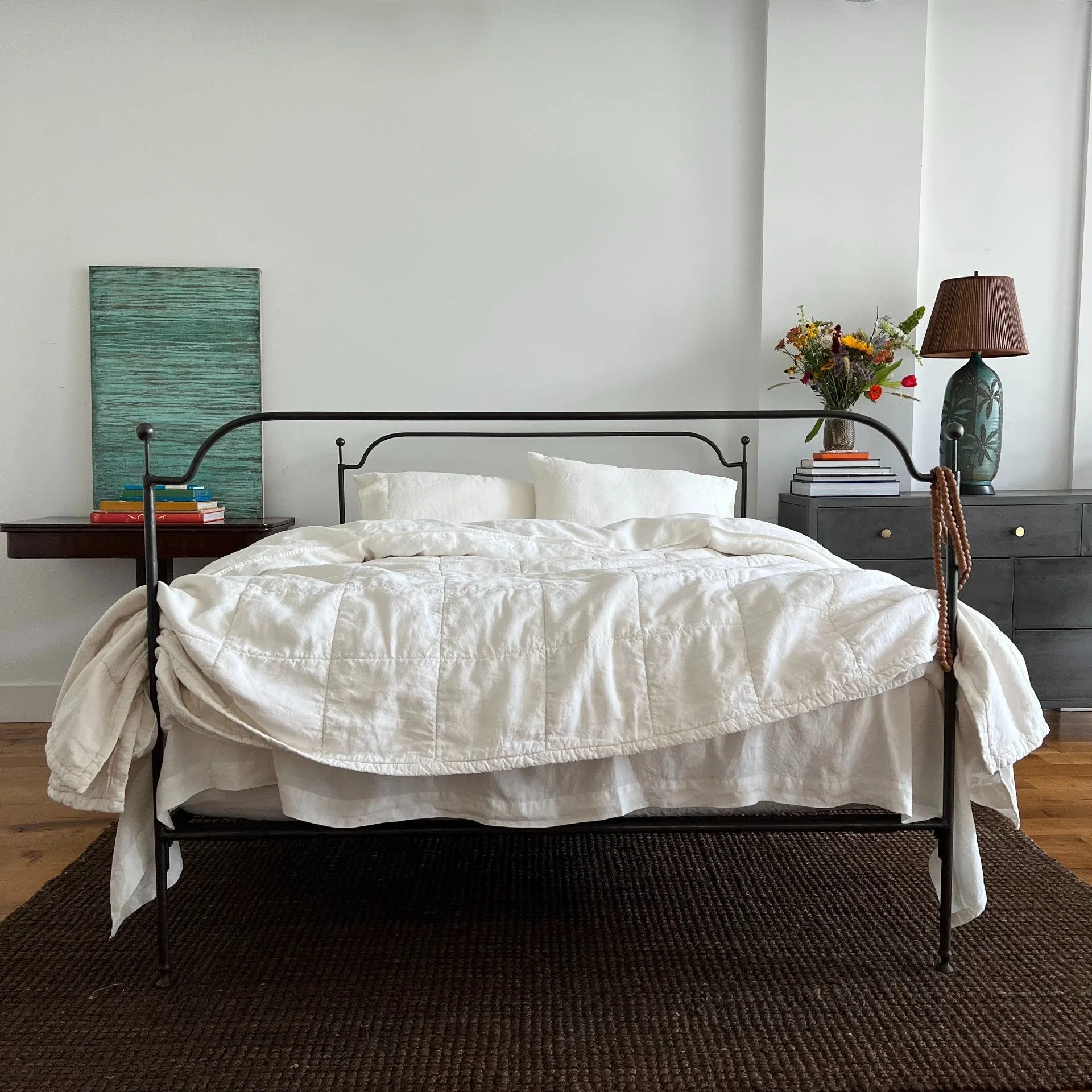
A quilted coverlet is a lightweight, decorative bed covering that typically lies flat on the bed, either as a top layer or folded at the foot. Unlike a duvet cover, it doesn't require an insert—it's a standalone piece. Linoto's Pale Blue Quilted Linen Coverlet features a classic quilted design with large 8-inch squares, offering a timeless look that adds texture and structure to your bed.
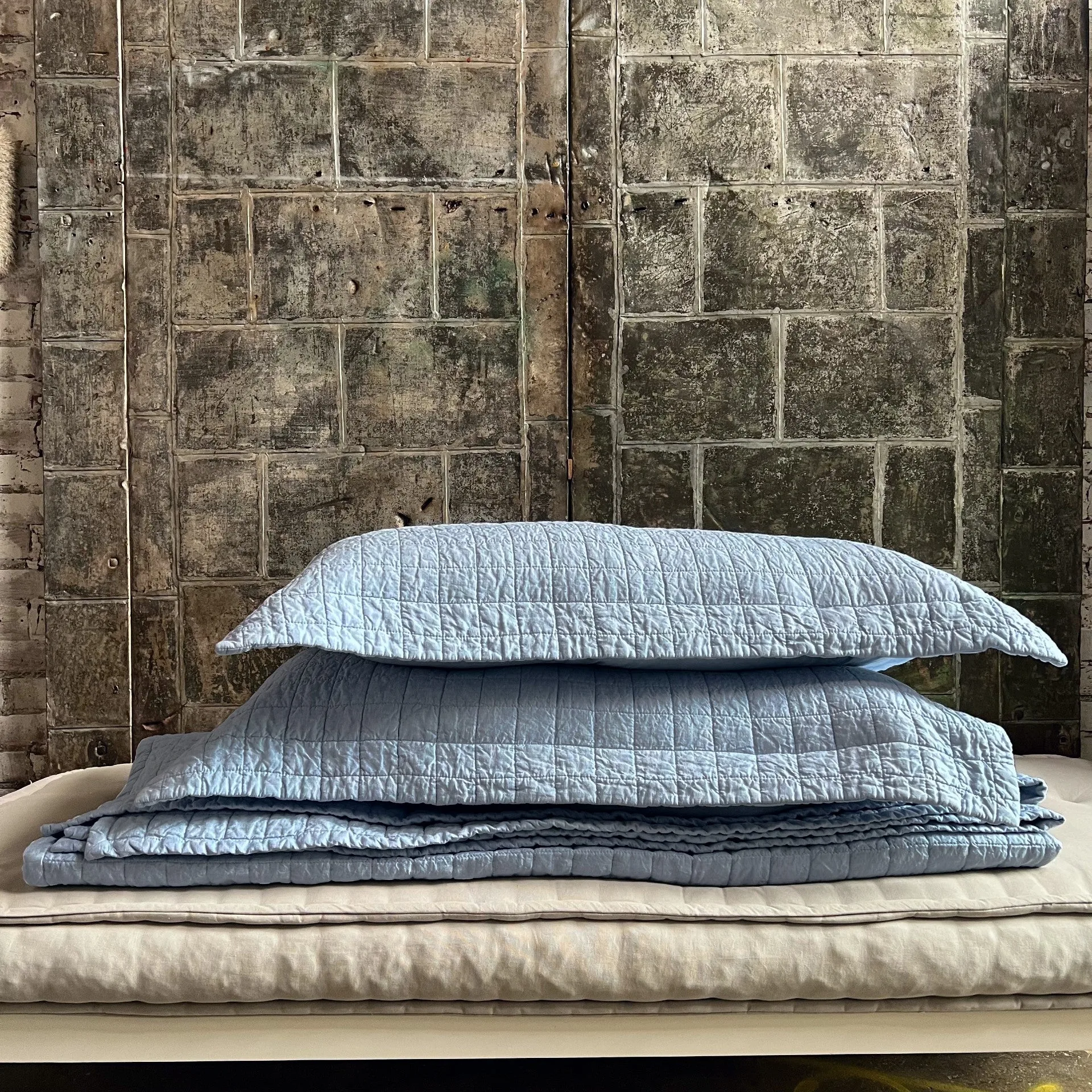
Pale Blue Quilted Linen Coverlet
Coverlets are perfect for warmer climates or summer months when a duvet feels too heavy. They provide a thin layer of warmth and are easy to fold or remove. Their structured appearance makes them ideal for a polished, tailored bed look, especially when paired with a flat sheet or folded at the foot of the bed.
- No insert needed: Use it directly on top of your sheet.
- Ideal for warm sleepers or summer nights.
- Adds visual interest with quilting patterns.
Key Differences Between Duvet Covers and Coverlets
The core difference lies in construction and use. A duvet cover requires a separate insert to provide warmth, while a coverlet is self-contained. This affects weight, warmth, and how you use them. Duvet covers are typically larger and meant to cover your entire body, while coverlets are often used as a decorative top layer or for lighter sleep.
When it comes to cleaning, duvet covers are easier to wash than a bulky comforter, but you still have to handle the insert. Coverlets can be washed as a single piece, making them simpler for frequent laundering. In terms of style, duvet covers offer more variety since you can change the cover, while coverlets have a fixed design with quilting patterns.
For summer, a coverlet often wins because it's lighter and more breathable. For winter, a duvet cover with a warm insert provides better insulation. Your choice also depends on your bed-making routine: if you prefer a crisp, hotel-like look, a duvet cover might be better; if you like a neat, tailored bed without fluffing a duvet, a coverlet is easier to maintain.
- Duvet covers need an insert; coverlets don't.
- Coverlets are generally lighter and better for warm weather.
- Duvet covers offer more style flexibility with interchangeable covers.
How to Choose Based on Your Needs
Start by considering your climate and sleep temperature. If you tend to sleep hot or live in a warm region, a quilted coverlet like the Pale Blue Quilted Linen Coverlet can be your primary blanket. Its breathable linen fabric and quilted structure provide just enough warmth without overheating.
If you experience cold winters or prefer a heavier feel, a linen duvet cover with a quality insert is more suitable. The breathable linen helps regulate temperature, preventing night sweats even with a warm insert. Linoto's linen sheet sets, such as the https://linotoss.shop/products/ivory-linen-sheet-set-240450Ivory Linen Sheet Set, are made from substantial weight linen woven in Italy, ensuring durability and comfort.
Also, think about your bed-making routine. Duvet covers require fluffing and adjusting the insert, which can be a chore for some. Coverlets are easy to spread and fold, making them a low-maintenance option. If you love the look of a layered bed, you can use both: a duvet cover as your main blanket and a coverlet folded at the foot for extra style and warmth.
- For hot sleepers: Choose a coverlet.
- For cold climates: Opt for a duvet cover with a warm insert.
- For easy care: Coverlets are simpler to wash and handle.
Tradeoffs: Duvet Cover vs. Coverlet
- Warmth Control: Duvet covers allow you to adjust warmth by changing the insert's fill power. Coverlets have fixed warmth based on their fill and quilting. If you need year-round adaptability, choose a duvet cover.
- Maintenance: Duvet covers require removing and washing the cover, then managing the insert. Coverlets are simpler to wash as a single piece. For low-maintenance bedding, a coverlet is easier.
- Style Flexibility: Duvet covers can be swapped to change your room's look without buying new bedding. Coverlets have a fixed design. If you like to refresh your space often, a duvet cover offers more options.
- Summer Comfort: Coverlets are lighter and more breathable, making them ideal for warm nights. Duvet covers can feel heavy unless you use a lightweight insert. For hot sleepers, a coverlet is the better choice.
Linoto Products to Consider
- Pale Blue Quilted Linen Coverlet: Classic quilted design with large 8-inch squares, available in multiple sizes and fill options. The quilted construction provides a structured, decorative layer that works well as a summer blanket or a stylish topper. You can choose the fill to adjust warmth.
- Ivory Linen Sheet Set: Hand-made in the USA from substantial weight 100% linen sheeting specially woven for Linoto in Italy. Ivory is semi-bleached using natural oxygen peroxide. If you pair a duvet cover with these sheets, you get a cohesive, breathable sleep environment. The linen's weight ensures durability and a crisp feel that softens over time.
Which Should You Choose?
Best for
- Sleepers who want a lightweight, breathable layer for summer or warm climates.
- Those who prefer a structured, tailored bed look without the fluffiness of a duvet.
Not for
- People who need substantial warmth in cold winters and prefer a cozy, fluffy feel.
Ultimately, the right choice depends on your personal comfort and lifestyle. A linen duvet cover offers versatility and warmth control, making it a great all-season investment. A quilted coverlet provides simplicity and summer comfort with a polished look. You can even combine both: use a duvet cover for cooler months and layer a coverlet at the foot for extra style and warmth. Explore Linoto's collection to find the perfect linen bedding that suits your needs.