Quick answer
Choose linen if you want a textured, relaxed look and breathable comfort that softens over time, and you do not mind a rumpled finish. Choose organic cotton if you want a crisp, smooth feel, easy everyday washing and a lower entry price. For most bedrooms, the deciding factor is texture preference and how much ironing you are willing to do, not which fibre is objectively better.
The real difference is texture and drape, not just temperature
Linen has a natural slub and a slightly dry hand feel, so it drapes loosely and looks intentionally lived-in. Cotton, especially organic cotton, feels smoother and crisper against the skin and holds a neater line on the mattress. Neither is automatically cooler: breathability depends on the weave, the weight of the fabric and how you layer it, not on the fibre name alone.
If you like a hotel-crisp bed, cotton will get you there with less effort. If you like the soft, undone look of a linen bed, you will get it without trying, because linen is meant to crease.
How each fibre handles heat and humidity
Linen's looser weave lets air move through the fabric, which is why it is often chosen for warm sleepers and summer bedding. It also feels cool to the touch when you first get in. Cotton can be equally breathable when it is a lightweight, plain-weave sheet, but heavier or tightly woven cotton traps more warmth.
The practical move for hot sleepers is to pair a breathable fitted sheet with a lighter top layer, rather than assuming one fibre solves everything. A flat sheet and quilt cover choice will change how warm the bed sleeps just as much as the fitted sheet does.
Care, washing and how each sheet ages
Linen softens with every wash but also wrinkles more, so it rewards a relaxed attitude. Wash it gently, avoid overdrying, and accept that a smooth, pressed finish is not the point. Cotton is more forgiving in a normal wash cycle and tends to hold its shape and colour with less fuss.
Both fibres last longer when you rotate two sets and wash them regularly rather than letting soil and body oils build up. If you want low-maintenance bedding for a busy household, cotton usually wins on effort.
Fit guidance: measure before you choose a fibre
Fibre choice matters less if the fitted sheet does not fit. Measure your mattress length, width and depth, then check the sheet's stated size against that depth. A sheet that is too shallow will pop off the corners; one that is too deep will bunch under you.
Linen has less stretch than cotton, so a snug fit matters more. If your mattress is deep or you use a thick topper, size up only if the product's size options support it, and check the depth before buying. For cot and baby bedding, always match the sheet to the mattress size rather than a standard bed size.
Trade-offs to weigh before you buy
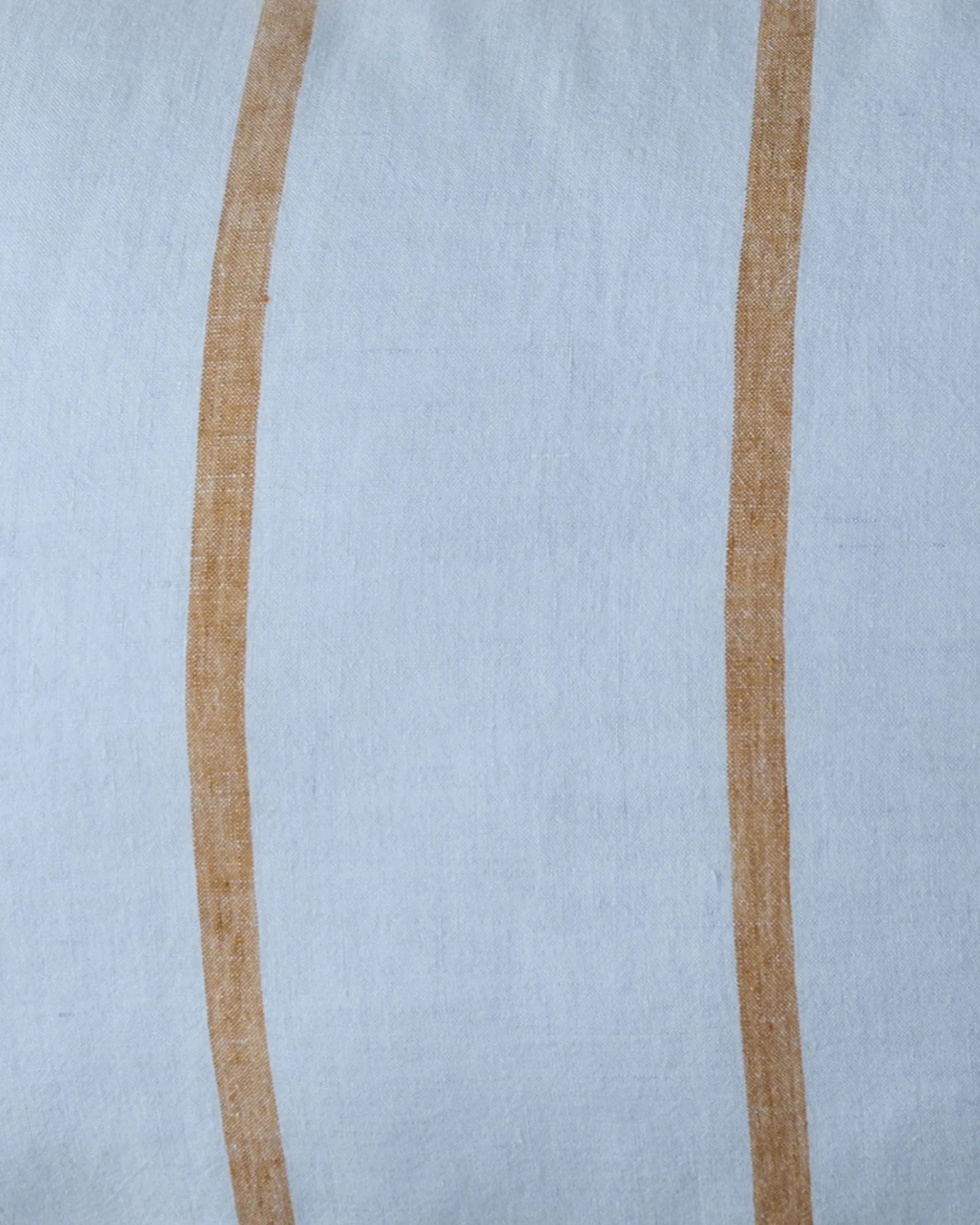
- Linen: texture and breathability vs creasing and cost: Linen gives you a natural, relaxed finish and good airflow, but it wrinkles and usually costs more. The Como Stripe Linen Fitted Sheet is a clear example: 100% French flax linen with a calm stripe, priced above the cotton options here. Choose linen if you value the look and feel more than a pressed finish.
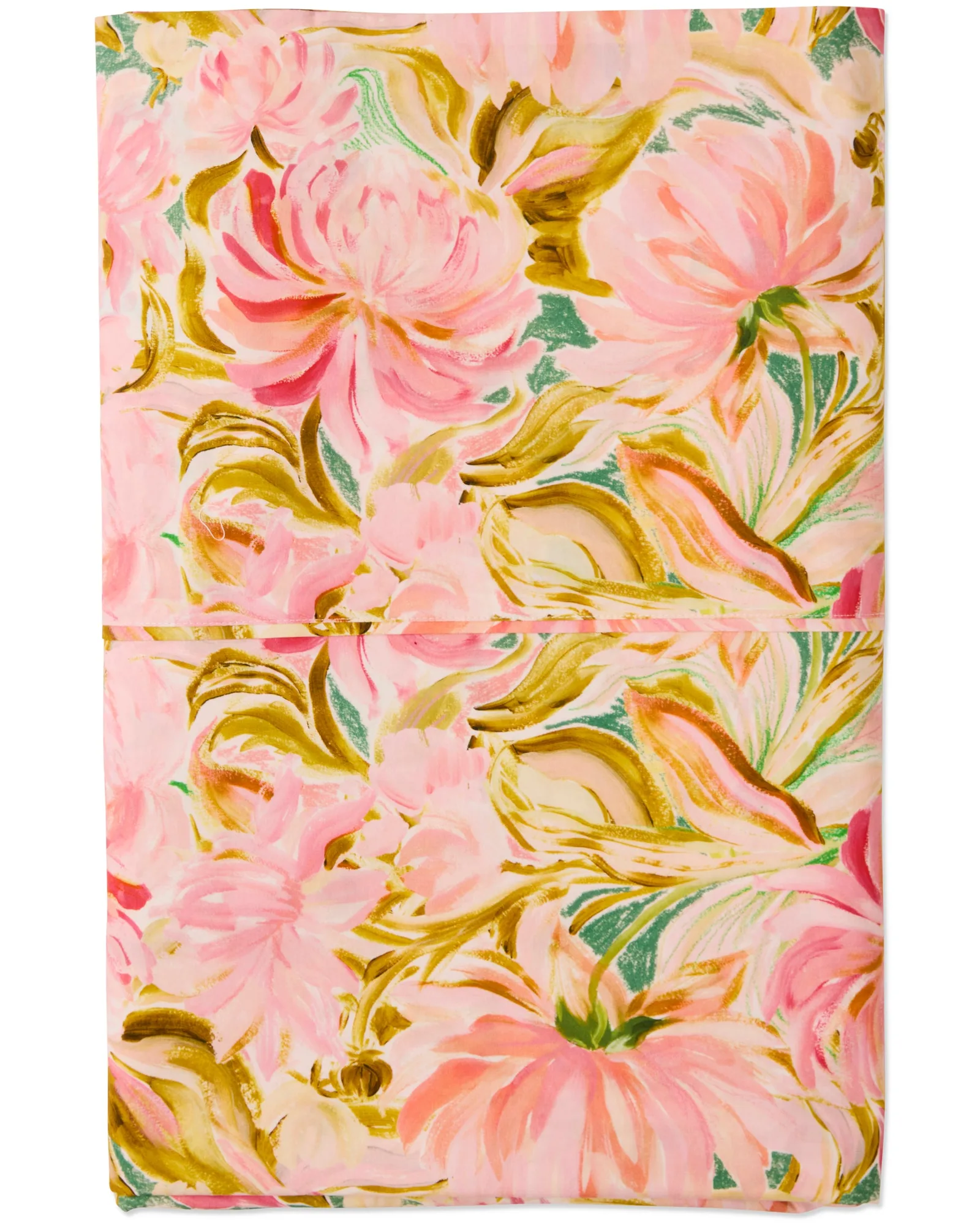
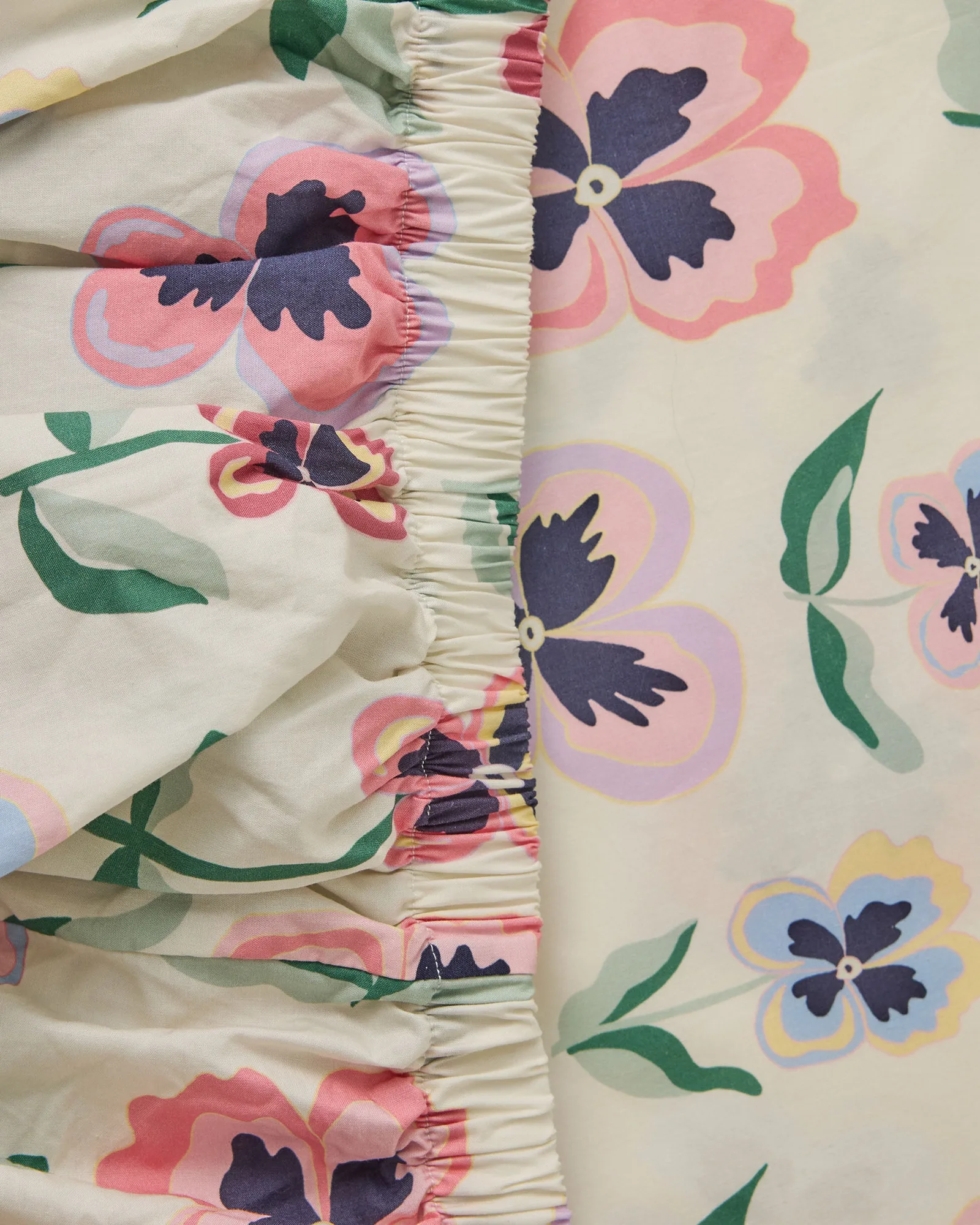
- Organic cotton: smoothness and easy care vs a plainer look: Organic cotton feels crisp and cool and handles regular washing well, but it looks neater and less textured than linen. The Warm Floral Breeze Organic Cotton Flat Sheet adds a subtle print on one side, and the Pretty Pansy Organic Cotton Baby Fitted Sheet keeps the same soft, breathable logic for a cot. Choose cotton if you want low-effort, everyday bedding.
- Fit and layering decide comfort more than the fibre label: Check mattress depth and size options first, then build the bed: a breathable fitted sheet plus a lighter flat sheet and quilt cover will sleep cooler than a heavy top layer on either fibre. Linen stretches less, so a precise fit matters more. Measure, then choose the fibre that matches how you like your bed to look and feel.
Two fitted sheets that show the trade-off
- Como Stripe Linen Fitted Sheet: The Como Stripe Linen Fitted Sheet is made from 100% French flax linen with a blue and brown vertical stripe, and the catalog describes it as breathable and inviting with a natural, relaxed texture. This is the linen option: you get the textured, breathable feel and the relaxed look, and you accept more creasing and a higher price than cotton.
- Warm Floral Breeze Organic Cotton Flat Sheet: The Warm Floral Breeze Organic Cotton Flat Sheet is made from organic cotton with a one-sided print, a cool breathable feel and a reusable self-fabric bag. Organic cotton gives you the crisp, smooth, easy-care side of the comparison. Note this is a flat sheet, so pair it with a fitted sheet rather than using it as the base layer.
- Pretty Pansy Organic Cotton Baby Fitted Sheet: The Pretty Pansy Organic Cotton Baby Fitted Sheet is made from 100% GOTS certified organic cotton, described as soft, breathable and gentle on baby skin, and comes in a reusable self-fabric bag. For baby bedding, soft organic cotton is the practical default: gentle on skin, easy to wash, and sized to a cot mattress rather than an adult bed.
Who should choose which
Best for
- Hot sleepers who want airflow and a cool first touch
- Anyone who likes a relaxed, textured, lived-in bed
- Shoppers happy to wash gently and skip ironing
Not for
- Sleepers who want a crisp, smooth, hotel-style finish
- Households that need the lowest-maintenance wash cycle
- Very deep mattresses, unless the size options confirm the depth