Quick answer
Start with the layer that touches your skin, not the outer fabric. For bras and corsets, look for a smooth silk or silk-lined interior plus real structure such as spiral steel boning; for pajamas and loungewear, choose silk when you want fluid drape and cotton or cotton-blend when you want easy washing. Silk is the most comfortable option for sensitive skin, but it asks for gentle care — so decide how much upkeep you will realistically do before you buy.
Most lingerie disappointments are fabric disappointments. A bra that scratches, a corset that digs, pajamas that cling in the wrong places — the cut gets blamed, but the fiber, lining and finishing usually caused it. Reading a fabric list before you buy tells you how a piece will feel at hour eight, not just how it looks on the hanger.
This guide walks through the fabrics you will meet most often in lingerie and loungewear, what each one does well, and where it falls short. It also covers the details that matter more than the headline fabric: lining, boning, stretch and finishing. Prices and care needs below reflect the Scarlett Gasque catalog at the time of writing.
Silk: the benchmark for comfort, with a care trade-off
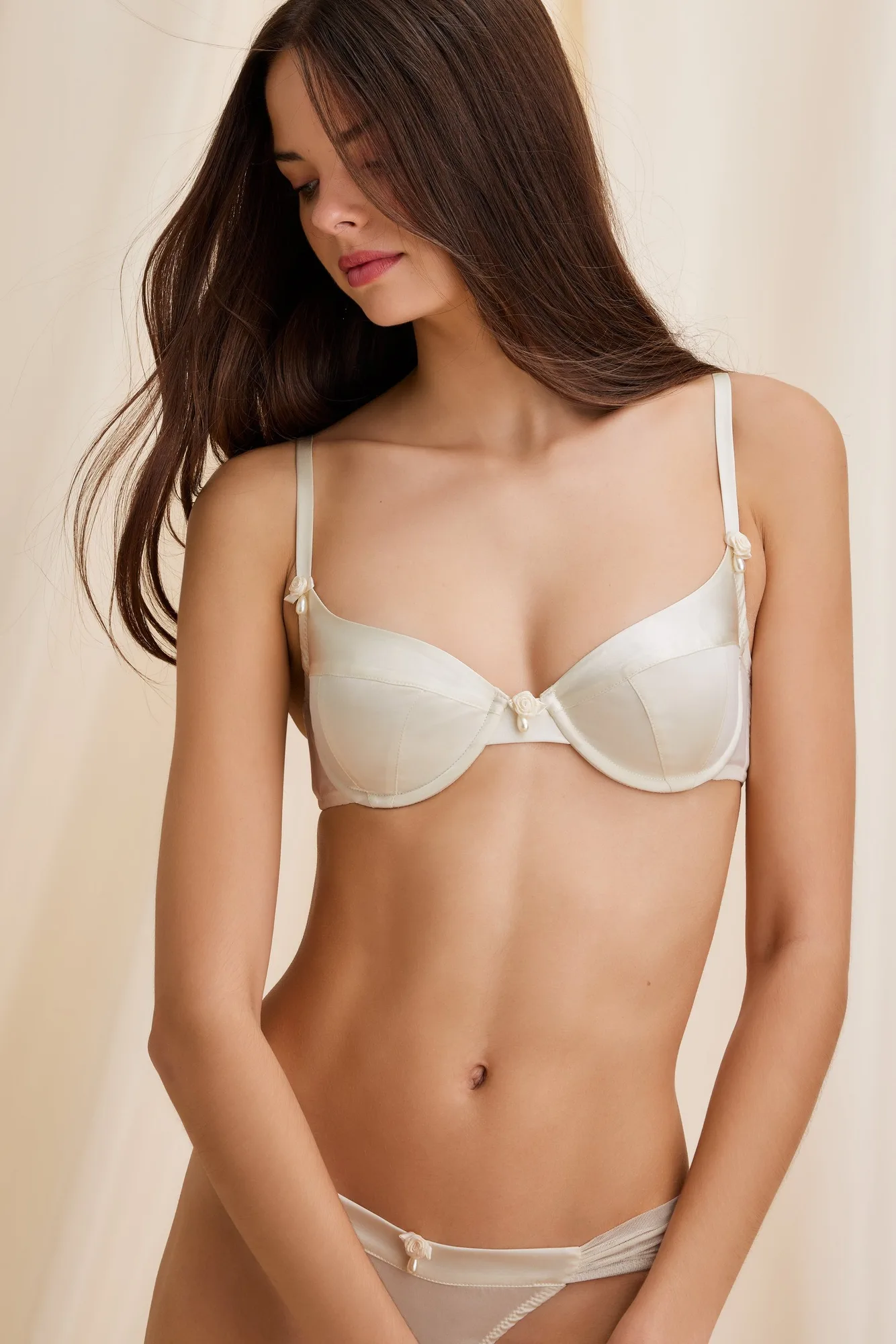
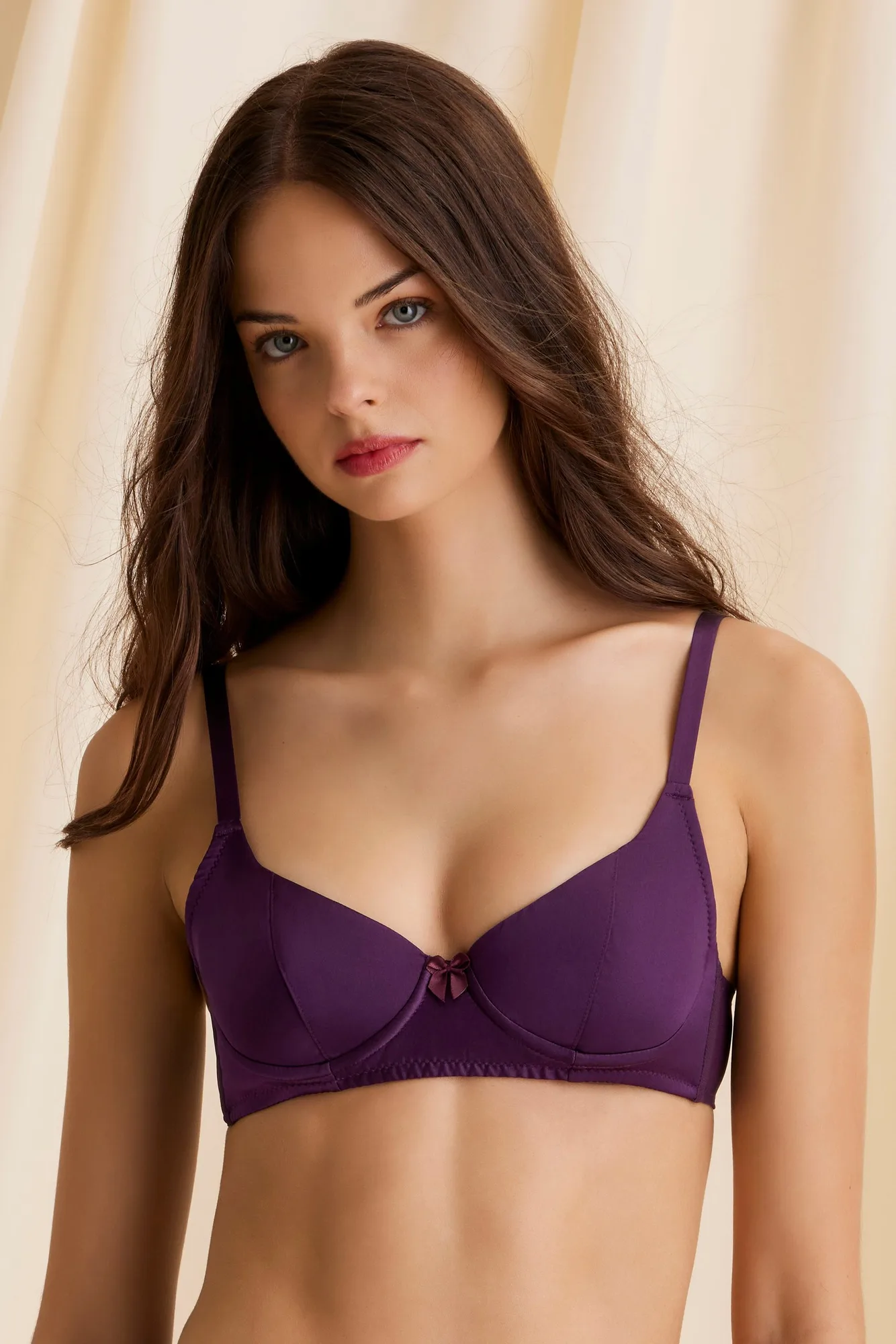
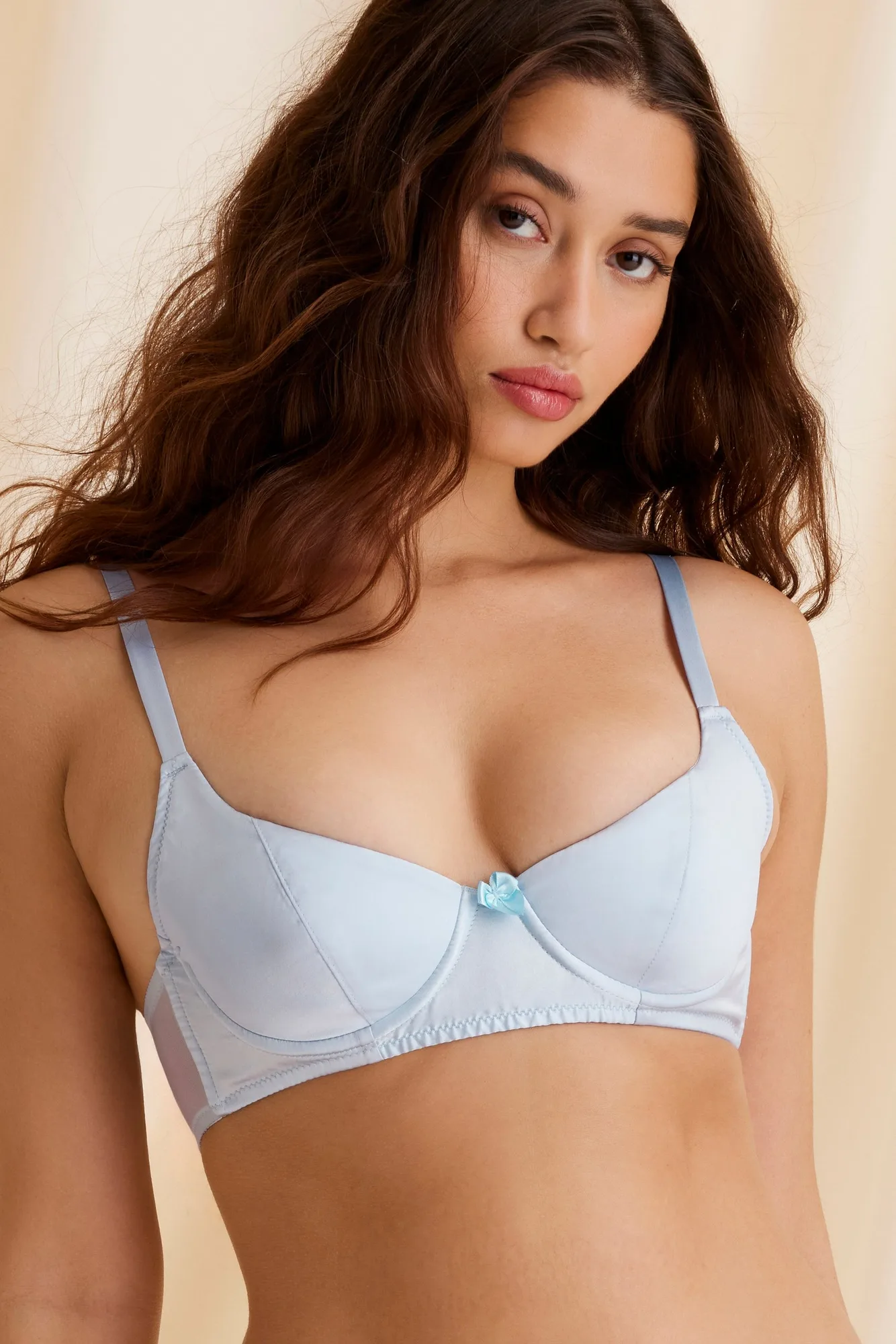
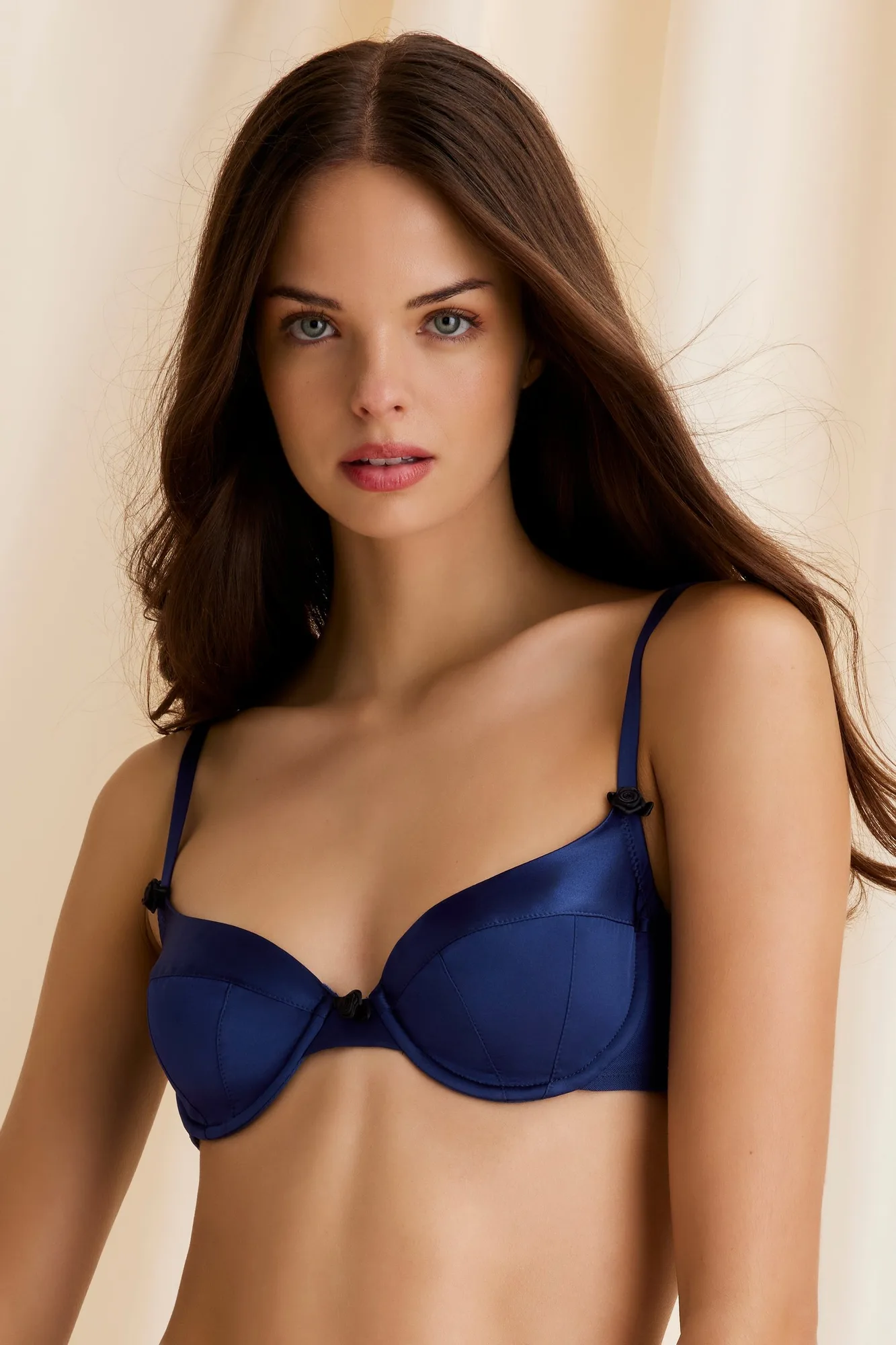
Silk is the fabric most people mean when they say comfortable lingerie fabrics. It breathes, feels cool against skin, and drapes rather than clings, which is why it works so well in bras, slips and pajamas. In the Scarlett Gasque catalog, silk shows up in pieces such as the https://scarlettgasquegz.com/products/plunge-tallulah-bra-578b759633d5ec1cea7145f4-1354836Plunge https://scarlettgasquegz.com/products/tallulah-bra-abb2691e2b35889fbaab5209-1354830https://scarlettgasquegz.com/products/the-talullah-bra-be3da6f3d719d862f7106cc8-1354832Tallulah Bra, described as luxurious silk with a smooth, lustrous finish, and the Jayne Pant, made from 100% silk with a relaxed, wide-leg silhouette.
The trade-off is upkeep. Silk prefers hand washing or a delicate cycle, cool water and air drying, and it can water-spot if you treat it carelessly. If you know you will machine-wash everything on hot, silk is not the practical choice — but if you will take ten minutes to care for it, silk is the most rewarding fabric in this category.
- Choose silk when: you want breathability, drape and a smooth feel against skin.
- Skip silk when: you want zero-fuss laundry or you wear the piece for heavy workouts.
Lace and tulle: decorative, structural, or both
Lace is rarely the whole story. In a bra, lace is often a decorative panel over a supportive base; in a corset, it may sit over a tulle foundation that provides the actual shape. The Evelyn Corset, for example, uses crepe-back satin with hand-applied Italian floral lace and spiral steel boning, so the lace is the finish and the boning is the function. The Florence Corset pairs custom-dyed fabric with a French lace overlay, a silk charmeuse-lined bust and a tulle foundation for structure.
That distinction matters when you are buying. Soft, stretch lace feels comfortable but will not sculpt; rigid lace over tulle holds a shape but can feel firmer against the ribs. If a product page lists lace without mentioning a lining or foundation, treat the piece as decorative rather than shaping.
- Check whether lace sits directly on skin or over a lining — it changes comfort more than the lace pattern does.
- For corsets, look for the boning and foundation described separately from the lace overlay.
Satin and crepe-back satin: shine versus structure
Satin describes a weave, not a fiber, so two satin pieces can behave very differently. A crepe-back satin — the kind used in the Evelyn Corset — has a smooth, slightly lustrous face and a matte, textured back, which gives it more body and grip than a plain slippery satin. That body is what lets a corset hold a sculpted hourglass line instead of sliding around.
If you want drape and movement, a lighter satin or silk georgette works better; if you want a defined silhouette, crepe-back satin is the stronger choice. When a listing only says 'satin,' ask what the reverse side feels like — that is usually the side against your skin.
- Crepe-back satin: more structure, better for corsets and tailored pieces.
- Plain satin: more slip and shine, better for robes and loose loungewear.
Cotton and blends: the practical everyday option
Cotton is breathable, machine-washable and forgiving, which makes it the default for everyday underwear and casual pajamas. Its weakness is drape: cotton holds creases and can feel heavier than silk in the same cut. Blends with a small amount of elastane add stretch and recovery, which helps knickers and pajama waistbands keep their shape after washing.
For silk vs cotton lingerie, the honest answer is that they solve different problems. Cotton wins on laundry and durability; silk wins on temperature regulation, feel and movement. Many wardrobes need both — cotton for daily rotation, silk for the pieces you wear when comfort is the whole point.
- Look for a small elastane percentage in waistbands and knicker legs for better recovery.
- Cotton is the safer gift or first purchase when you do not know someone's care habits.
The details that matter more than the fabric name
Lining is the most overlooked line on a product page. The Reverie Mini Dress is made from silk georgette and fully lined in silk; the Florence Corset has a silk charmeuse-lined bust. A lined piece feels smoother and usually lasts longer because the outer fabric is not taking direct friction from skin and movement.
After lining, look at boning, closures and finishing. The Evelyn Corset uses spiral steel boning and an adjustable lace-up back with a silk modesty panel — that combination gives both structure and adjustability. The Jayne Pant uses hand-cut, hand-sewn French lace appliqué and an adjustable waistband. These are the details that decide whether a piece is wearable for an evening or an entire day.
- Lined bust or cups: smoother feel, less friction, generally better longevity.
- Adjustable closures: more tolerance for weight fluctuation and better fit over time.
Decision rules for choosing a fabric
- If the piece touches sensitive skin all day: Prioritize a silk or silk-lined interior over decorative outer lace. Check the lining line on the product page before the fabric name. Smooth interior first, outer fabric second.
- If you want shape and sculpting: Look for described structure — spiral steel boning, a tulle foundation, a lined bust — rather than relying on the outer fabric. No described boning means no real shaping.
- If you want low-maintenance laundry: Choose cotton or a cotton blend over silk. Silk rewards gentle washing and air drying; if that will not happen, it will not stay looking its best. Match the fabric to your real routine, not your ideal one.
- If you are buying as a gift: Favor adjustable closures and lined pieces, which fit more body types and need less precise sizing knowledge. Adjustability reduces the risk of a wrong fit.
How these fabrics appear in the catalog
- VELMA BRA: Silk and floral lace construction with ruched cups, an adjustable silk halter neck and pearl bow detailing. Shows how silk and lace can be combined for a soft, flattering fit — the halter is adjustable, so you can tune support rather than accept a fixed band.
- PLUNGE TALLULAH BRA: Luxurious silk construction with a minimalist silhouette, sculpted square cups and a smooth, lustrous finish; pairs with the Tallulah Thong. A good example of silk used for smoothness under clothing — the sculpted cups give shape without heavy padding.
- EVELYN CORSET: Crepe-back satin with spiral steel boning, hand-applied Italian floral lace, an adjustable lace-up back with silk modesty panel, and roughly 5 hours of artisanal craftsmanship per piece. Demonstrates the structure-versus-decoration split: the satin and boning create the hourglass shape, while the lace is the finish.
- JAYNE PANT: 100% silk with a relaxed, wide-leg silhouette, hand-cut and hand-sewn French lace appliqué, and an adjustable waistband. Shows what to expect from silk loungewear: fluid drape plus an adjustable waist, but care that suits a delicate fiber.
Who this fabric approach suits
Best for
- Shoppers choosing between silk, lace, satin and cotton for bras, corsets or pajamas
- Anyone who wants to judge lining, boning and stretch from a product page before buying
- People building a small wardrobe of pieces they will actually wear and care for
Not for
- Shoppers who want purely machine-washable, high-abrasion everyday basics
- Anyone looking for performance or athletic fabrics, which this guide does not cover
- Buyers who only want a trend recommendation without considering care and structure
Fabric is the part of lingerie you feel all day, so read it before you read the price. Decide what you need most — smoothness, structure, or easy washing — then match the fiber and the lining to that, and the piece will earn its place in your drawer.