Quick answer
Buy separates when your bra size and bottom size do not move together, when you already own one half of a look, or when you want to test a brand before committing. Buy a set when the pieces are sold in your exact sizes, when the occasion calls for a coordinated look, and when the combined price is lower than buying each piece alone. For most wardrobes, a mix works best: two or three sets for occasions, and separates for the days you actually reach for lingerie first.
What actually changes when you buy a set
A set is two garments designed together: the bra and the bottom share fabric, trim, and color, so the visual match is guaranteed. That is the real benefit of a matching lingerie set, and it is mostly an aesthetic one. You are not automatically getting better construction, better support, or a longer lifespan than you would from separates. You are getting coordination without effort.
The trade-off is flexibility. Once you own a set, you tend to wear the two pieces together, which means the bra gets washed and worn at the same rate as the bottom. If one piece wears out or stops fitting, the other becomes an orphan. With separates, a bra that no longer fits can be retired without touching the bottoms you still like.
Cost per wear: where sets win and where they do not
Sets are usually priced as a bundle, so the combined price can be lower than buying the bra and bottom separately. That is a genuine saving, but only if both pieces fit. A discounted set in the wrong bottom size is not a bargain; it is money spent on something you will not wear.
Separates let you spend where it matters. If you need support, put the budget into the bra. If you want a specific color or cut for everyday wear, put it into the bottom. The trade-off is that buying piece by piece often costs more per item and takes longer to build a coordinated look.
Sizing is the deciding factor
Bra and bottom sizing rarely move in step. A bra size is built around band and cup, while a bottom is built around waist and hip. Many people wear, for example, a small bottom and a 34C bra. If a set is sold only in matched letter sizes, that combination may not exist, which pushes you toward separates.
Check what options each product actually offers before you decide. Some pieces are sold by size only, some by color only, and some by material only. If a product page lists a single option type, that is the only choice you get, and it should shape whether you buy it as part of a set or on its own.
How to plan a lingerie wardrobe that gets worn
Start with the pieces you reach for most: one or two everyday bras, two or three bottoms, and one set reserved for occasions. Then add a separate piece when it fills a gap, such as a color you do not own or a cut you want to try. This is lingerie wardrobe planning in practice, and it keeps you from buying duplicates.
When you are buying lingerie separates, match on one attribute at a time: color first, then fabric weight, then trim. Exact matching is not required for a coordinated look. A sheer white bra with lace trim reads as intentional next to a green bottom if the fabric weights are similar, and it reads as accidental if one piece is heavy and the other is delicate.
The trade-offs, side by side
- Matching set: Guaranteed coordination and often a lower combined price, but you must fit both pieces and you lose the ability to replace one half. Choose a set when both sizes are in stock and the occasion justifies it.
- Separates: You buy the bra and bottom in your own sizes and replace each piece independently, but matching takes more effort and per-item prices are usually higher. Choose separates when your bra and bottom sizes differ or you already own one half of the look.
- Sizing options: Some products offer size, color, or material choices, and some offer only one of these. A product with a single option type gives you less room to adjust. Read the available options before deciding whether a piece belongs in a set or stands alone.
- Gift buying: Lingerie sizing is personal, so a gift that includes a non-sized item lowers the risk of getting it wrong. Pair one sized piece with one non-sized piece rather than guessing at a full set.
Two pieces that show the set-versus-separates decision
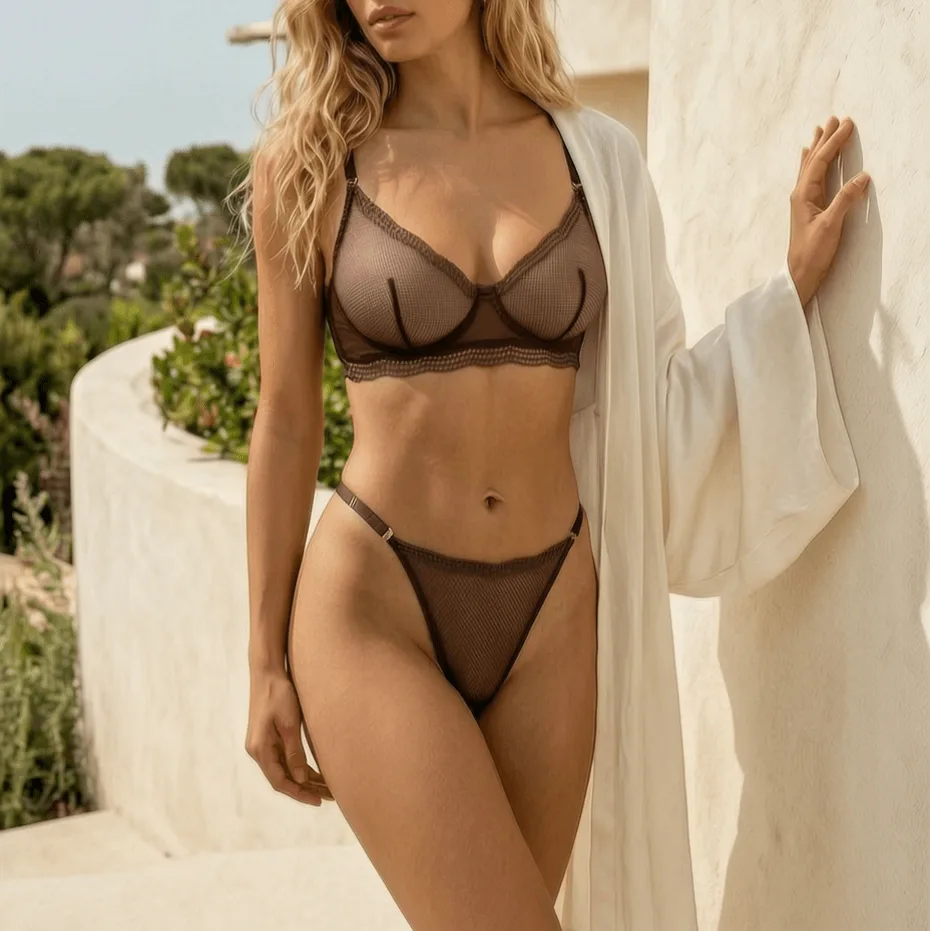
- Elise Bra: Sheer white underwire bra with soft mesh cups, delicate embroidered trim, refined lace details, and adjustable straps. The underwire gives a more defined fit, so this is the piece to size carefully. Adjustable straps help you tune the fit without changing the bottom you pair it with.
- Lingerie Avalon Green Bottom: See-through green bottom available in size only. Because the only option is size, you cannot adjust color or material here. That makes it a natural separate: pick your bottom size on its own and pair it with a bra you already own.
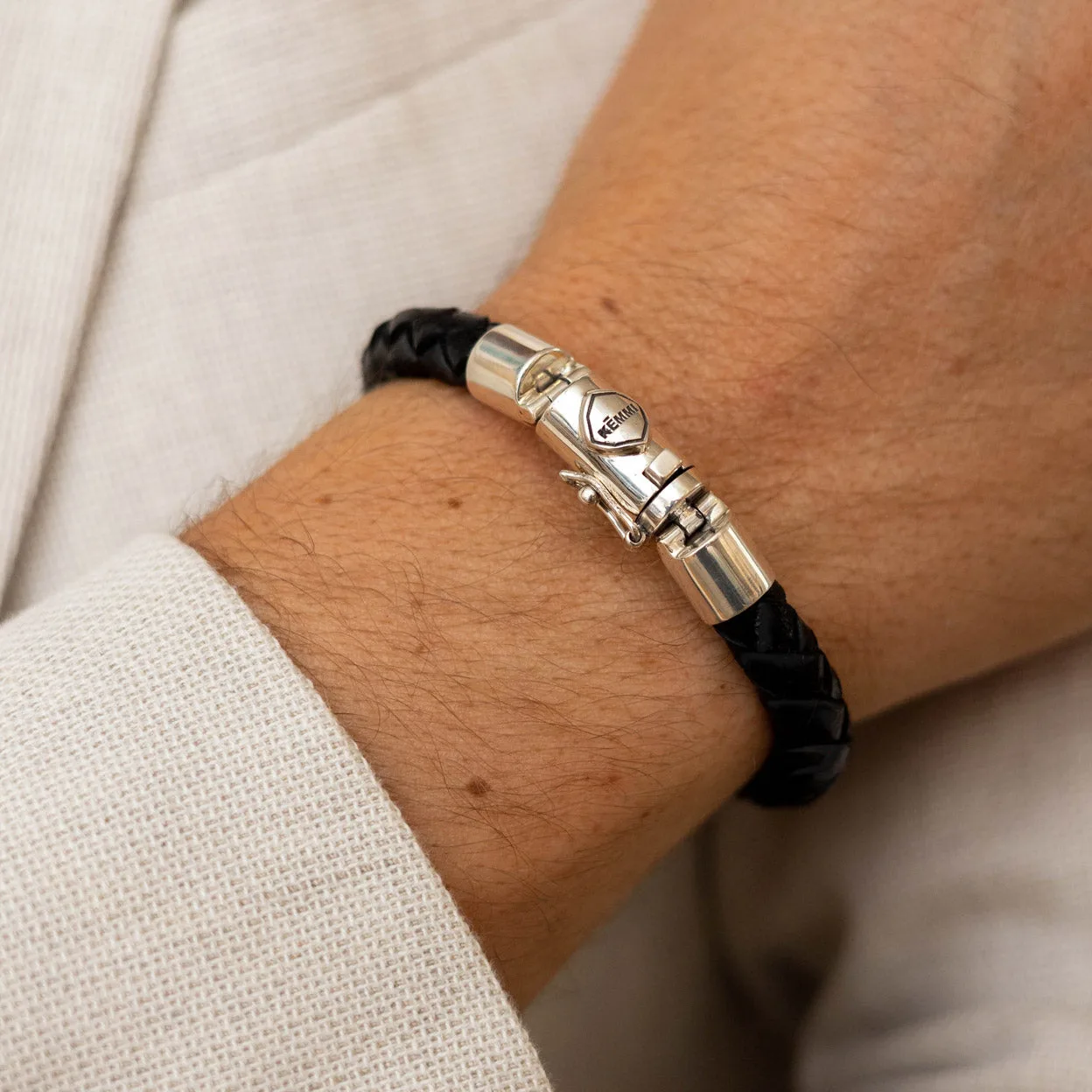
- Men's Owen Black Leather Bracelet: Black leather bracelet, 8mm diameter, with a sterling silver pusher clasp with security, handmade by a master silversmith. If you are building a gift around lingerie, a piece like this gives you a second item that does not depend on bra or bottom sizing, which removes the fit risk from half the gift.
Which should you buy?
Buy a set if
- Your bra size and bottom size are both available in the same style
- You want a coordinated look for a specific occasion
- The combined set price is lower than buying each piece separately
Buy separates if
- Your bra and bottom sizes do not match the set's size range
- You already own a bra or bottom you want to keep wearing
- You are trying a brand for the first time and want to test one piece before committing