Quick answer
Use liquid carbon when you have a low-tech tank with slow-growing plants or need to spot-treat algae. Switch to a CO2 system when you want faster, denser growth from demanding plants and are ready for regular maintenance.
Why carbon matters for planted tanks
Plants need carbon to photosynthesize and grow. In a sealed aquarium, carbon is often the limiting nutrient—especially in tanks with bright lights or high plant mass. Without enough carbon, plants stall and algae take over.
Liquid carbon products provide an organic carbon source that plants can use directly. CO2 injection dissolves carbon dioxide gas into the water, which plants then absorb. Both work, but they suit different setups and goals.
Trade-offs between liquid carbon and CO2
Liquid carbon is easy: just dose daily with a dropper or pump. It's ideal for low-tech tanks without expensive hardware. However, it's less potent than injected CO2 and may not support fast-growing stem plants or carpeting species.
CO2 injection delivers a steady, high concentration of carbon, leading to lush growth and better plant health. The trade-off is cost, complexity, and the need for a diffuser, regulator, and tank. You also risk gassing fish if the system isn't tuned.
For most hobbyists, the choice comes down to plant selection and how much time you want to spend on maintenance.
Diagnose your carbon needs
- Symptom: Plants are pale, slow-growing, or have holes in leaves. Algae (green spot, hair, or BBA) appears on glass, substrate, or plant leaves.
- Likely cause: Insufficient carbon for the light level and plant mass. In low-tech tanks, carbon is often the first nutrient to run out. High light without enough carbon stresses plants and gives algae an edge. Check your light intensity and duration first. If lights are moderate (under 30 PAR) and plants are easy species like Java fern or Anubias, liquid carbon is enough.
- Corrective action: For low-tech tanks: start dosing a liquid carbon supplement like Colombo Flora Grow Carbo daily at the recommended rate. For high-tech tanks or demanding plants (e.g., carpeting species, Rotala): install a CO2 system with a quality diffuser such as the Colombo Glass CO2 Diffuser. Aim for 20-30 ppm CO2 measured with a drop checker. If you choose CO2, also add a regulator and bubble counter. Expect to adjust flow and bubble rate over the first week.
- When to stop or choose another option: If algae persists after 2 weeks of liquid carbon dosing, reduce light duration or intensity before adding more products. If you're not ready for daily dosing or CO2 hardware, consider lower-light plants that need less carbon.
Products that help
-
Colombo Flora Grow Carbo: Colombo Flora Grow Carbo is a liquid carbon supplement that provides a vital source of carbon for aquarium plants, enhancing photosynthesis even in low-tech setups without CO2 injection. It's a simple, no-hardware way to boost plant growth and control algae, making it perfect for beginners or low-maintenance tanks.

Colombo Flora Grow Carbo
-
Colombo Glass CO2 Diffuser 25cm: The Colombo Glass CO2 Diffuser measures 25 cm and is crafted from high-quality glass for reliable CO2 distribution in professional aquarium setups. If you decide on CO2 injection, a glass diffuser like this delivers fine bubbles for efficient dissolution and keeps your tank looking clean.
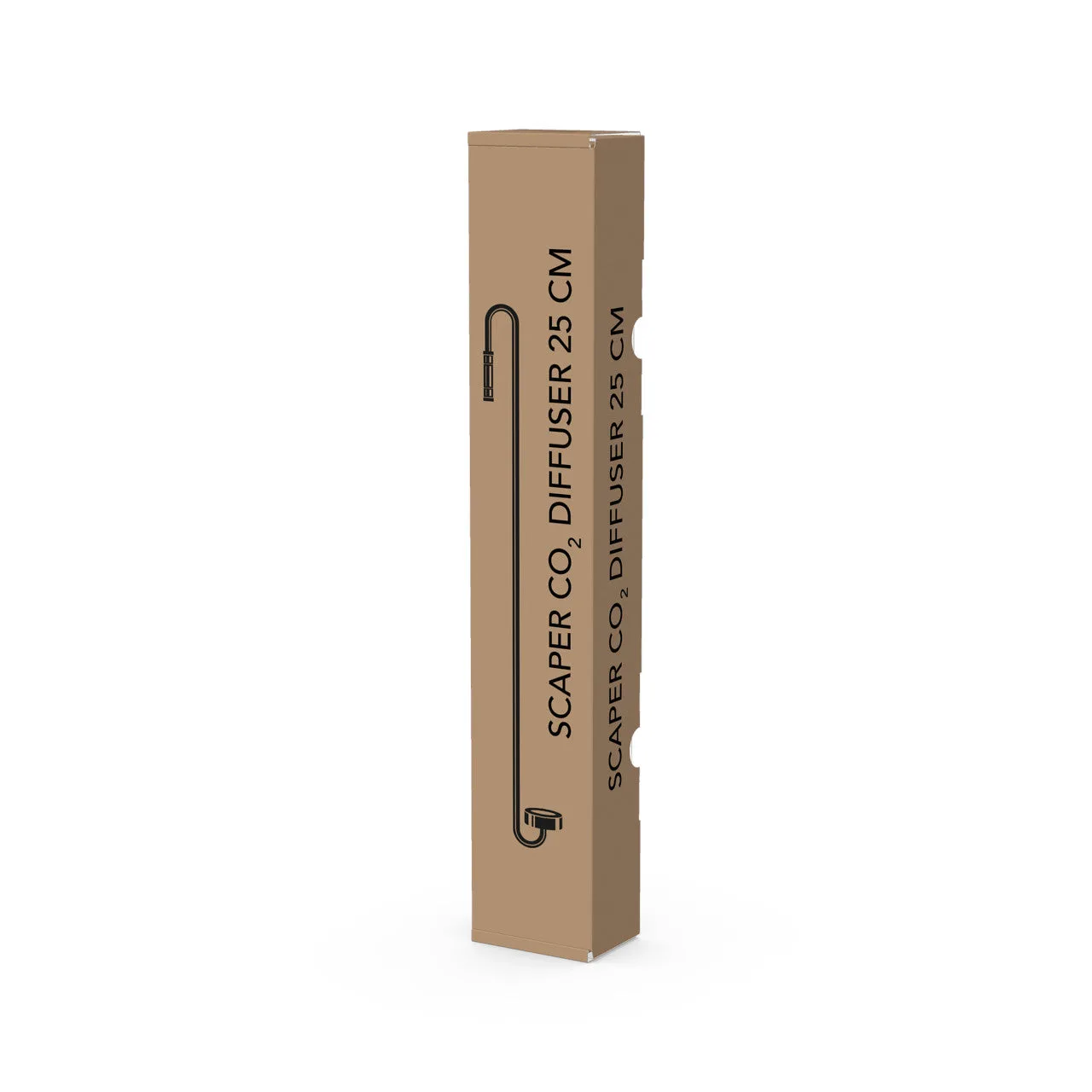
Colombo Glass CO2 Diffuser 25cm