Quick answer
If you want a secure, one-hand-opening blade for daily tasks, a lockback is the safer, more convenient choice. If you prefer a classic, legal-friendly pocket knife with traditional character and don't need a lock, a slipjoint is the better fit. Your decision comes down to how you use the knife and where you carry it.
Choosing between a lockback and a slipjoint pocket knife isn't about which is objectively better—it's about matching the mechanism to your habits, your local laws, and the way you actually use a blade. Both have loyal followings, and both have real limitations.
This comparison breaks down how each type works, what they're good at, and where they fall short, so you can pick the one that fits your pocket and your purposes.
How lockback and slipjoint mechanisms differ
A lockback knife uses a rocker bar and notch to lock the blade open, so it won't close on your fingers during a cut. You release it by pressing the back lever. This makes it a strong choice for tasks that need steady pressure, like carving or cutting rope. A slipjoint knife has no lock—just a backspring that holds the blade open with tension. It can close if you push hard enough, so it demands deliberate technique.
The practical result: lockbacks are more forgiving and generally safer for heavy use. Slipjoints are simpler, often lighter, and widely legal where locking blades are restricted. Neither is inherently stronger; the design intent is different.
- Lockback: press the back lever to unlock; one-hand opening is common.
- Slipjoint: no release mechanism; two-hand opening is typical.
- Check your local knife laws—some areas restrict locking blades.
Safety and control in real use
The lockback knife benefits show up when you're pushing the blade away from you or applying torque. The lock holds the blade open, reducing the chance of a sudden fold. That said, a lock is a mechanical device—it can fail if abused or poorly maintained. A slipjoint relies on spring tension and your own cutting angle; keep the blade moving away from your fingers and avoid twisting. Many traditional knife users prefer slipjoints for their predictable, tactile feel.
If you often cut with gloves, in cold weather, or in a hurry, a lockback gives you a margin of safety. If you mostly open packages and sharpen pencils, a slipjoint is perfectly adequate and often more pocket-friendly.
- Never rely solely on a lock—always cut away from your body.
- Keep both types clean and oiled; grit can affect lockup or spring tension.
Everyday carry and legal considerations
For best knife for EDC, think about how you'll carry and deploy it. Lockbacks often have thumb studs or holes for one-handed opening, which matters when your other hand is busy. They tend to be a bit thicker and heavier due to the lock mechanism. Slipjoints are usually slimmer and lighter, disappearing into a pocket, and their non-locking nature makes them acceptable in more jurisdictions.
If you travel or work in an area with strict knife rules, a slipjoint is the safer bet. If you want quick deployment and a secure feel for daily tasks, a lockback is worth the extra bulk.
- Check local laws before carrying any knife; rules vary by city and state.
- Consider a deep-carry clip or a leather slip for pocket protection.
Materials and long-term ownership
Both types can be built to last. The Mesquite 2 Blade Folder is a slipjoint-style trapper with two Damascus steel blades and solid brass liners, crafted with genuine mesquite harvested on King Ranch. Its natural grain makes each knife one of a kind, and the polished brass bolsters give it a classic look that ages well. It's a traditional knife comparison example where craftsmanship and character matter as much as function.
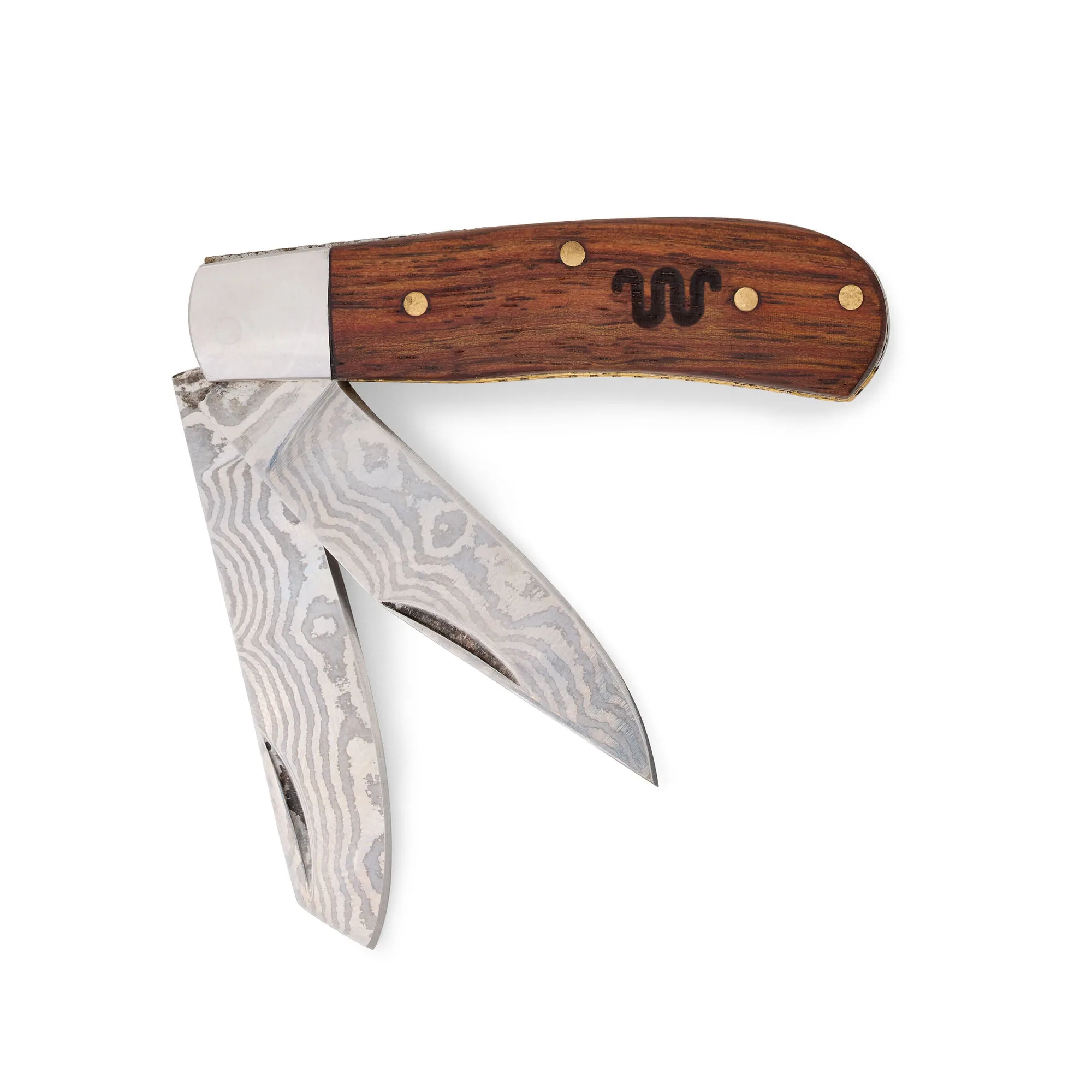
Mesquite 2 Blade Folder
Lockbacks often use stainless steel blades and synthetic or metal handles for durability and low maintenance. The trade-off is that they may lack the warmth and individuality of natural materials. Neither approach is better—just different priorities.
- Carbon steel takes a keen edge but needs more care; stainless resists rust.
- Natural handle materials like wood or bone add character but may require occasional oiling.
Trade-offs at a glance
- Lockback: safety vs. complexity: The lock adds security for hard use, but introduces a mechanism that can wear or jam if neglected. Choose a lockback if you regularly cut with force and want one-hand opening.
- Slipjoint: simplicity vs. security: No lock means fewer parts and often a slimmer profile, but you must cut carefully to avoid the blade closing. Choose a slipjoint if you prefer tradition, light carry, and broad legal acceptance.
- Legal and social acceptance: Locking blades face more restrictions in some areas; slipjoints are often viewed as more pocket-friendly. Verify local laws before you carry—this can be the deciding factor.
Product facts
- Mesquite 2 Blade Folder: Crafted with genuine mesquite harvested on King Ranch, this classic trapper-style folder carries a piece of the Ranch wherever it goes. Each piece of mesquite features its own natural grain, making every knife one of a kind. Paired with polished solid brass bolsters, it’s designed to be carried, used, and passed down. Two Damascus steel blades nest securely into solid brass liners: a clip-point blade for everyday tasks and a spey blade for detailed work. This is a slipjoint-style knife with two blades, so you get traditional character and versatile cutting options, but no lock. It suits those who value craftsmanship and don't need one-hand opening.
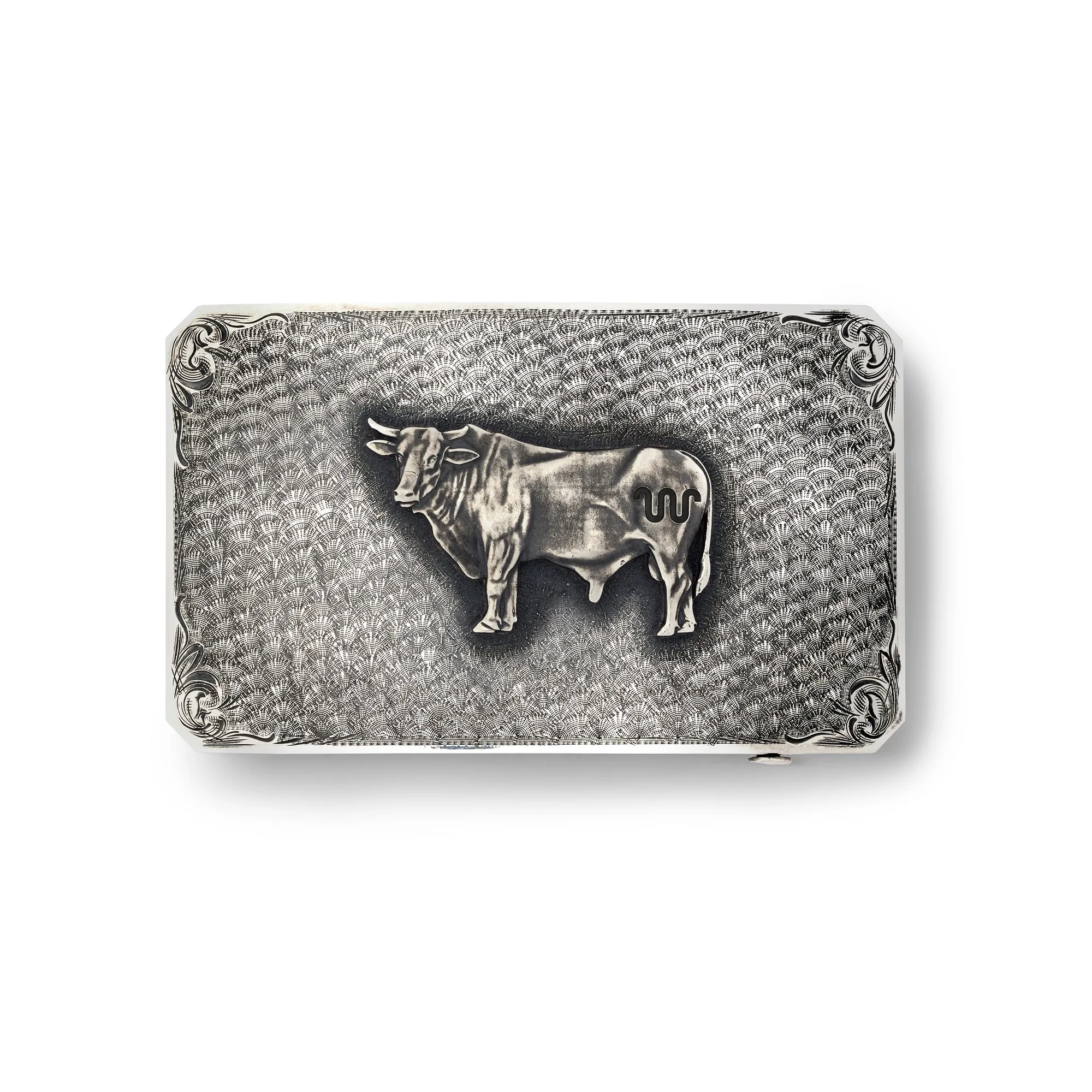
- King Ranch X Clint Orms Bull Belt Buckle: An heirloom in solid sterling silver, handcrafted in limited quantities, featuring Monkey, the legendary foundation sire of the Santa Gertrudis breed, in bold relief. While not a knife, this buckle represents the kind of enduring, handcrafted gear that pairs naturally with a traditional slipjoint—both are items you carry for decades and pass down.
Which should you carry?
Best for
- People who want a secure, one-hand-opening blade for daily tasks and outdoor use.
- Those who don't mind a slightly thicker, heavier knife for added safety.
Not for
- Anyone in a jurisdiction that restricts locking blades.
- Minimalists who prioritize the slimmest, lightest pocket carry.
There's no single winner—your choice depends on how you use a knife and where you carry it. A lockback gives you security and convenience; a slipjoint offers tradition, simplicity, and wide legal acceptance. Pick the one that matches your daily reality, and you'll carry it with confidence.