Quick answer
Most loose leaf tea stays at its best for 6 to 12 months after opening, while lighter oolongs and green teas fade sooner and sturdy herbal blends hold longer. If your tea smells dusty, looks dull, or tastes flat, it has likely gone stale. You can often revive a mildly stale cup with a longer steep or a pinch of fresh tea, but once it smells musty or shows mold, discard it.
Why loose leaf tea goes stale
Staleness is not the same as spoilage. The volatile oils that carry aroma and flavour oxidise when exposed to air, light, heat, and moisture. Over time those oils break down, so the tea loses its brightness and develops a flat, papery, or hay-like character. This happens faster in teas with delicate aromatics, such as lightly oxidised oolongs, and slower in roasted or herbal blends.
Because loose leaf tea is dried, it has no water activity to support mould growth under normal storage. That is why old tea is usually safe to drink even when it no longer tastes good. The exception is moisture ingress: if the leaves were stored near steam, a kettle, or a damp cupboard, they can support mould and should be thrown out.
How to check your tea in 30 seconds
Start with your nose, not the calendar. Open the container and smell the dry leaves. Fresh tea smells like the thing it is supposed to be: floral, citrusy, roasted, or minty. Stale tea smells like cardboard, old hay, or nothing at all. Next, look at the leaves. Fresh leaves have some sheen and colour variation; stale leaves look uniformly dull and may crumble to dust when pinched.
Finally, brew a small cup and taste it. If the first sip is hollow or bitter without any sweetness, the aromatics have faded. A tea that tastes fine but smells weak is often just at the end of its window, not spoiled.
- Smell: fresh aroma versus dusty or absent
- Look: dull colour, excessive dust, or clumping
- Taste: flat, papery, or bitter with no finish
- Touch: leaves that crumble instead of feeling slightly pliable
How to fix a stale-tasting cup
If the tea is only mildly stale, you can improve the cup without throwing it away. Increase the leaf amount by about half and shorten the steep time, or add a small pinch of fresh tea of the same type to lift the aroma. For herbal blends, a slice of fresh lemon or a few fresh mint leaves can mask a flat base. These fixes work best for teas that still smell acceptable when dry.
Do not try to fix tea that smells musty, sour, or like a damp basement. Those aromas point to moisture and possible mould, and no brewing adjustment will make it safe or pleasant.
When to stop and choose another tea
Stop using the tea if you see visible fuzz, clumping that does not break apart, or a smell that makes you recoil. Also stop if you have stored it in a clear jar on a sunny windowsill for months, or if it was kept next to coffee or spices and now tastes like them. At that point, replacing it is cheaper than trying to rescue it.
If you are unsure whether a tea is stale or simply not to your taste, brew it alongside a fresh sample of the same style. A side-by-side taste makes the difference obvious and helps you decide whether to keep or compost the older batch.
Stale tea diagnosis
- Faint aroma, dull leaves, flat taste: The volatile oils have oxidised. Increase leaf amount by half and shorten the steep, or blend in a pinch of fresh tea. Drink soon; the tea is past its peak but still safe.
- Musty or damp smell, clumpy leaves: Moisture has entered the container. Do not brew it. Discard the tea and clean the storage jar thoroughly before refilling. Stop here and replace the tea.
- Visible fuzz or mould spots: Mould has grown on the leaves. This is not salvageable and should be thrown out immediately. Do not taste or brew.
- Absorbed foreign odours (coffee, spice): Tea easily takes on nearby aromas. If the dry leaves smell like coffee or curry, the cup will too. Choose another tea or store future batches in an airtight container away from strong smells.
Fresh blends worth checking
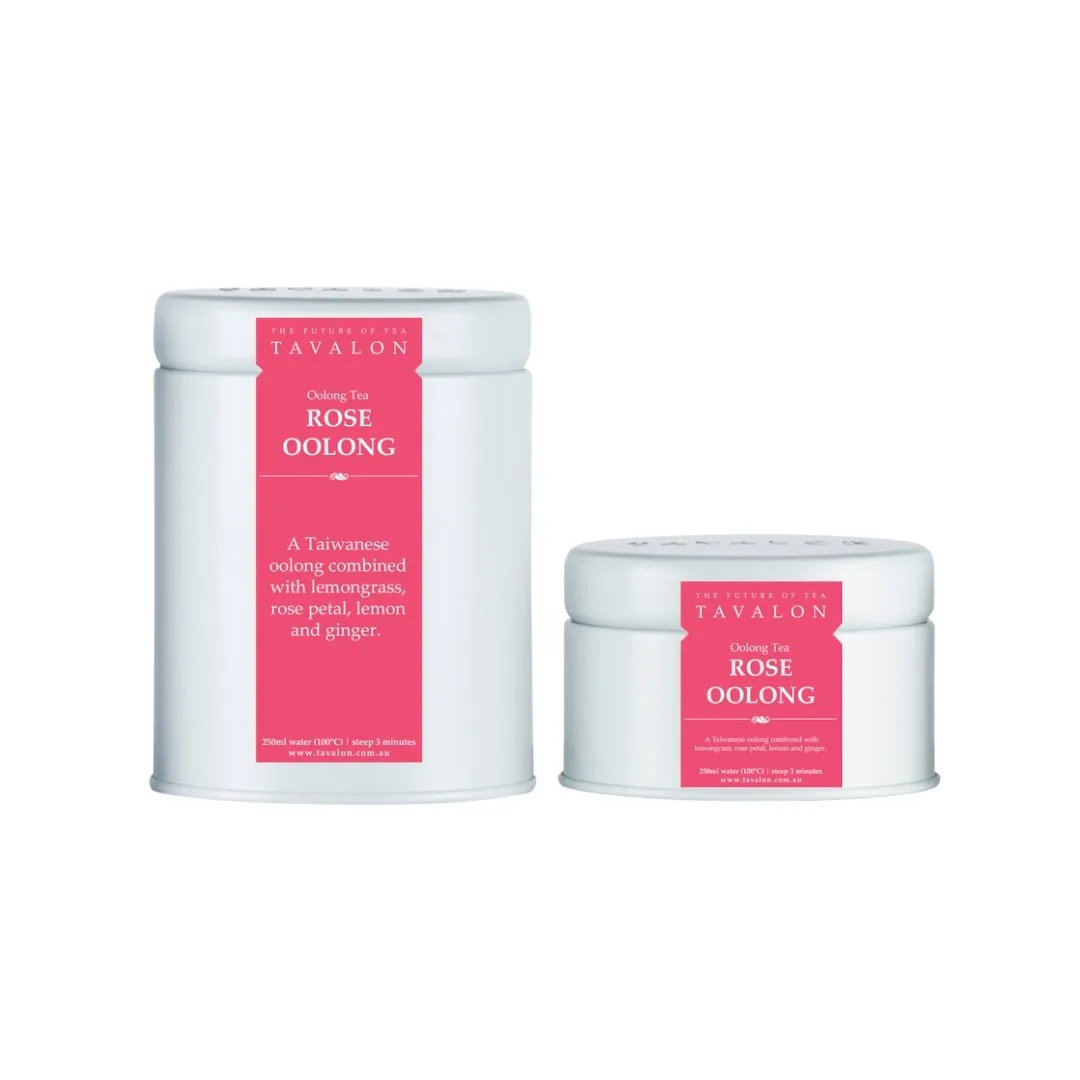
- Rose Oolong: Rose Oolong is a premium Taiwanese oolong with lemongrass, rose buds and petals, plus natural rose, ginger and lemon flavouring. Delicate floral and citrus notes fade faster than roasted or herbal teas, so this is a blend to drink within its best window rather than save for years.
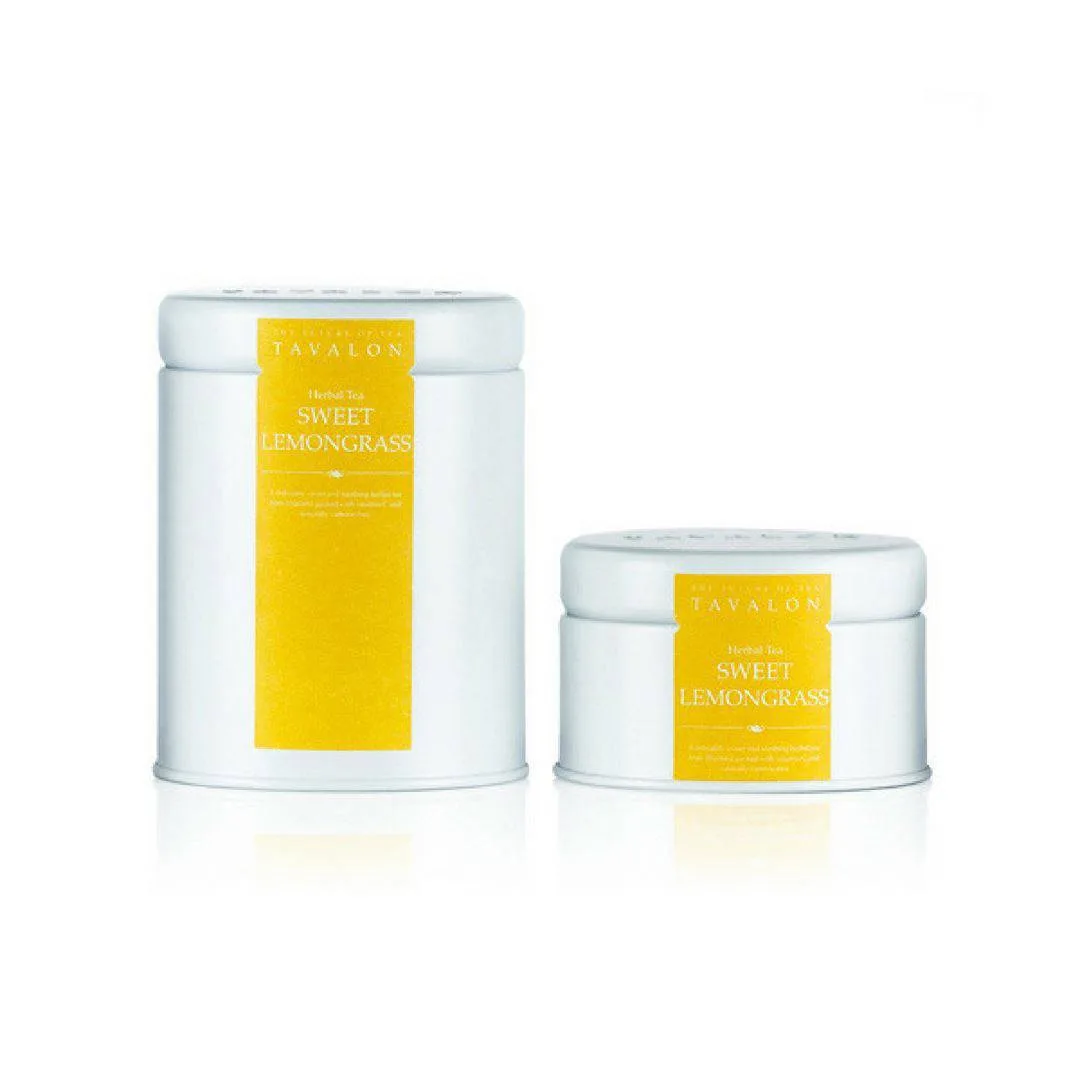
- Sweet Lemongrass: Sweet Lemongrass is a naturally caffeine-free herbal tea from Thailand with a citrus tang. Herbal blends like this tend to hold their character longer than green or light oolong teas, making them a forgiving choice if you rotate slowly.
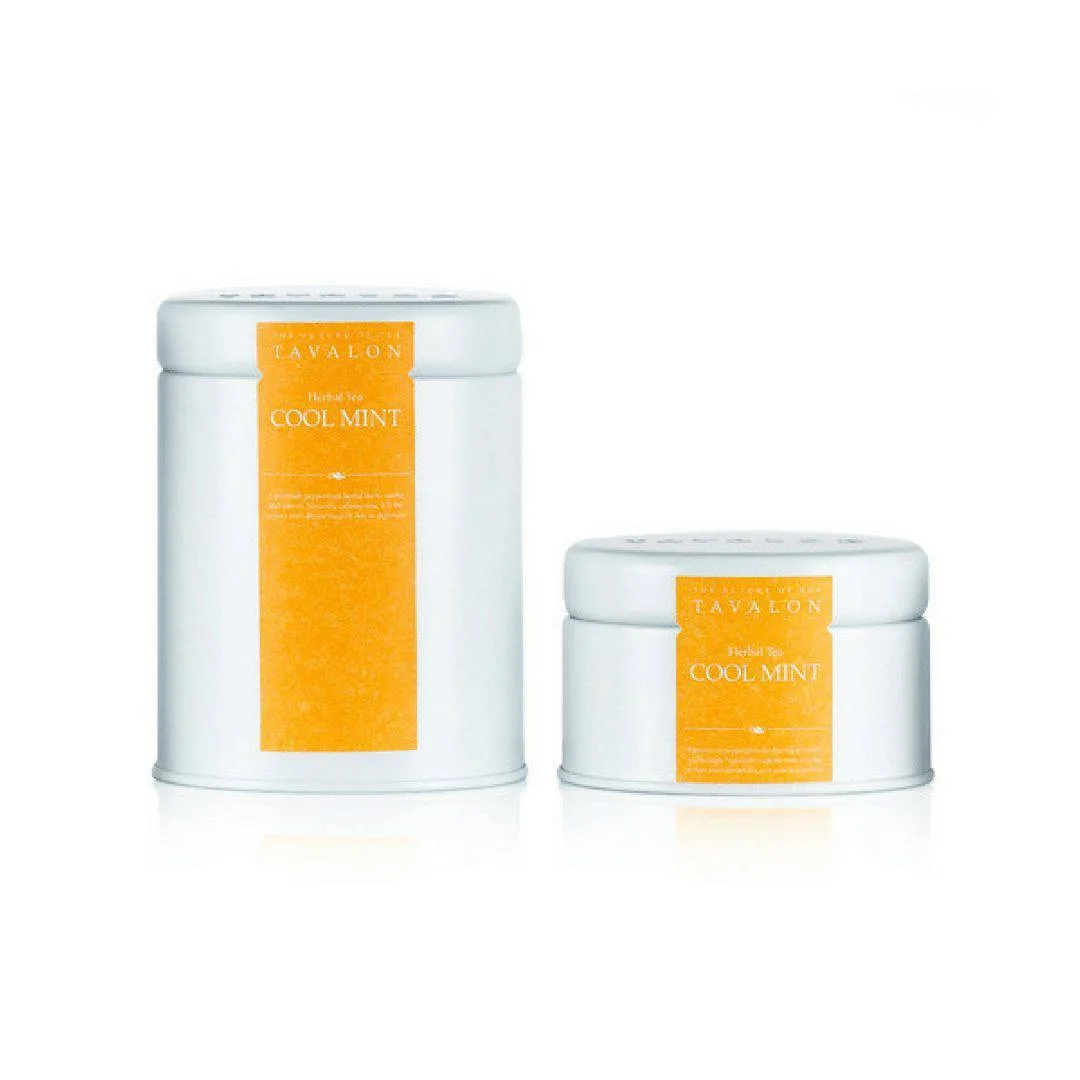
- Cool Mint: Cool Mint is a premium herbal blend made from handpicked peppermint leaves and is naturally caffeine-free. Peppermint's aroma is volatile, so store it away from light and heat to keep that cooling edge intact.