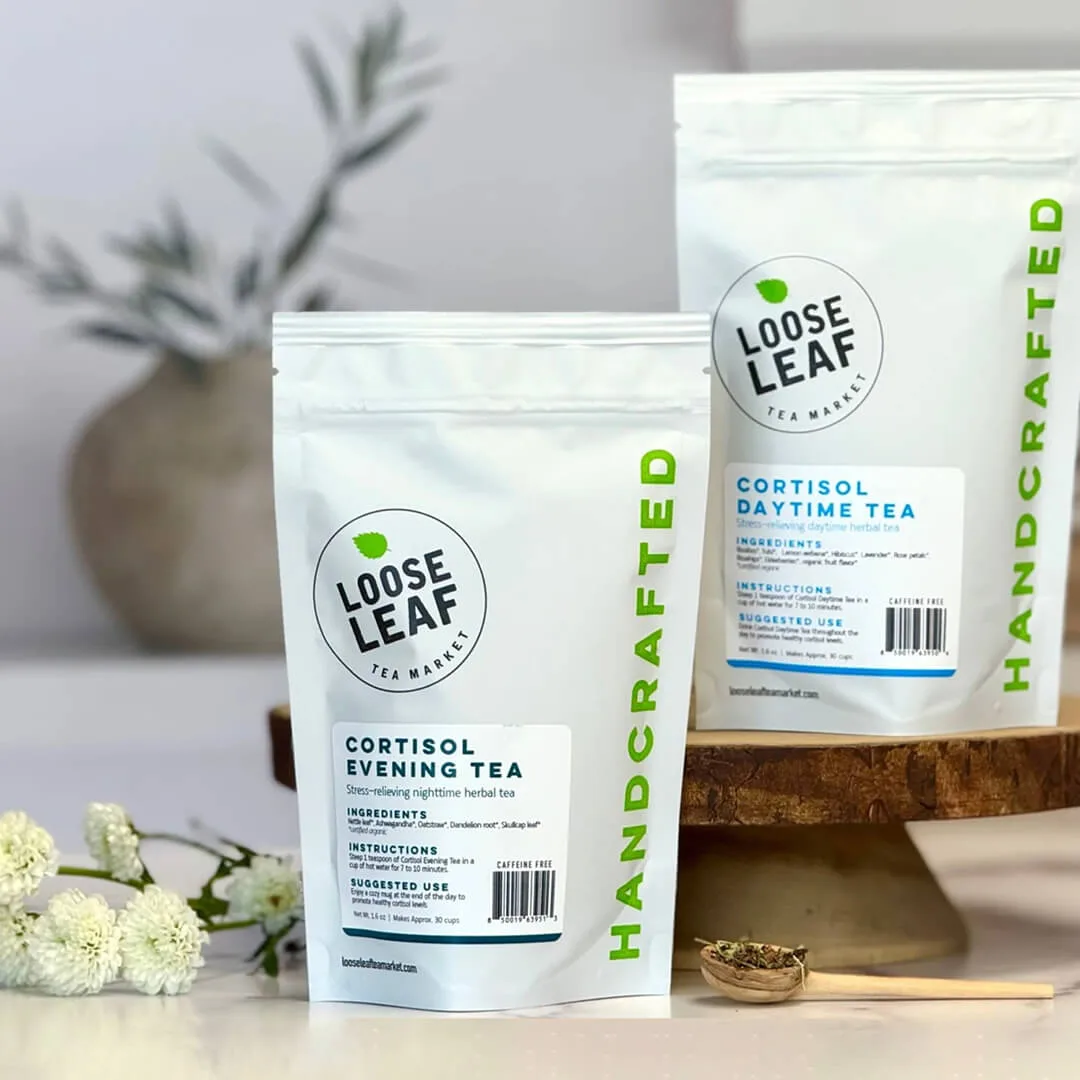
Tea is one of the most beloved beverages worldwide, but the way we prepare it can dramatically affect its taste and health benefits. The age-old debate of loose leaf tea vs. tea bags continues to brew, with each side having its loyalists. In this comparison, we'll explore the differences in flavor, health, and overall experience to help you decide which is better for you.
While tea bags offer convenience, loose leaf tea is often praised for its superior quality and complexity. But is that just a marketing claim? Let's dive into the details, examining the processing, ingredients, and brewing methods that set these two apart.
What Is Loose Leaf Tea?
Loose leaf tea consists of whole or large pieces of tea leaves that are not enclosed in a bag. This form retains more of the leaf's natural oils, aromas, and nutrients because it undergoes less processing. The leaves are typically hand-picked or machine-harvested, then withered, rolled, and dried to preserve their integrity.
Because loose leaf tea is less processed, it often contains a higher concentration of beneficial compounds like antioxidants and polyphenols. The larger leaf surface area allows for better water circulation during steeping, resulting in a more flavorful and aromatic cup. Many tea connoisseurs argue that loose leaf tea offers a richer, more nuanced taste compared to the dusty remnants found in many tea bags.
- Whole leaves retain more essential oils and nutrients.
- Better water flow around leaves extracts more flavor.
- Often sourced from higher-quality tea plants.
What Are Tea Bags?
Tea bags are a convenient invention that made tea preparation quick and mess-free. They typically contain fannings or dust—tiny, broken pieces of tea leaves that are byproducts of the sorting process. While some premium tea bags use whole leaves, the majority of mass-produced tea bags contain lower-grade tea.
The small particle size in tea bags leads to faster and stronger extraction, but it can also result in a bitter, astringent taste if over-steeped. Additionally, many tea bags are made from materials like paper or nylon that may release microplastics or affect the flavor. For those who prioritize convenience, tea bags are hard to beat, but they often sacrifice flavor and health benefits.
- Quick and easy to use, no special equipment needed.
- Lower cost per serving compared to loose leaf.
- May contain lower-quality tea leaves and additives.
Flavor Showdown: Loose Leaf vs. Tea Bags
When it comes to flavor, loose leaf tea is the clear winner. The whole leaves expand fully in hot water, releasing a complex profile of taste and aroma that tea bags simply cannot match. Loose leaf teas are often single-origin or blended from high-quality leaves, offering notes ranging from floral and fruity to malty and earthy.
Tea bags, on the other hand, often produce a flat, one-dimensional flavor. The broken leaves lose their essential oils faster, and the dust can become bitter when brewed too long. If you're looking for a truly satisfying cup, loose leaf tea provides a more enjoyable and memorable experience. Brands like those found at Loose Leaf Tea Market emphasize quality, offering blends that highlight the natural characteristics of the leaves.
- Loose leaf: complex, aromatic, and smooth.
- Tea bags: convenient but often bitter or weak.
- Experiment with different brewing times to find your perfect strength.
Health Benefits: Which Packs More Punch?
Health-conscious tea drinkers often wonder if the form of tea affects its nutritional value. Studies suggest that loose leaf tea contains higher levels of antioxidants and polyphenols than tea bags, partly because of the leaf quality and partly due to the brewing method. The larger leaves allow for a slower, more complete extraction of beneficial compounds.
Moreover, some tea bags are treated with chemicals or adhesives that can leach into the brew. Choosing loose leaf tea eliminates this risk, ensuring a purer cup. For those looking to support specific health goals, such as reducing cortisol or curbing sugar cravings, high-quality loose leaf blends like the Cortisol Belly Tea Bundle or Sugarproof Tea can be excellent choices, as they are crafted with whole ingredients and no artificial additives.
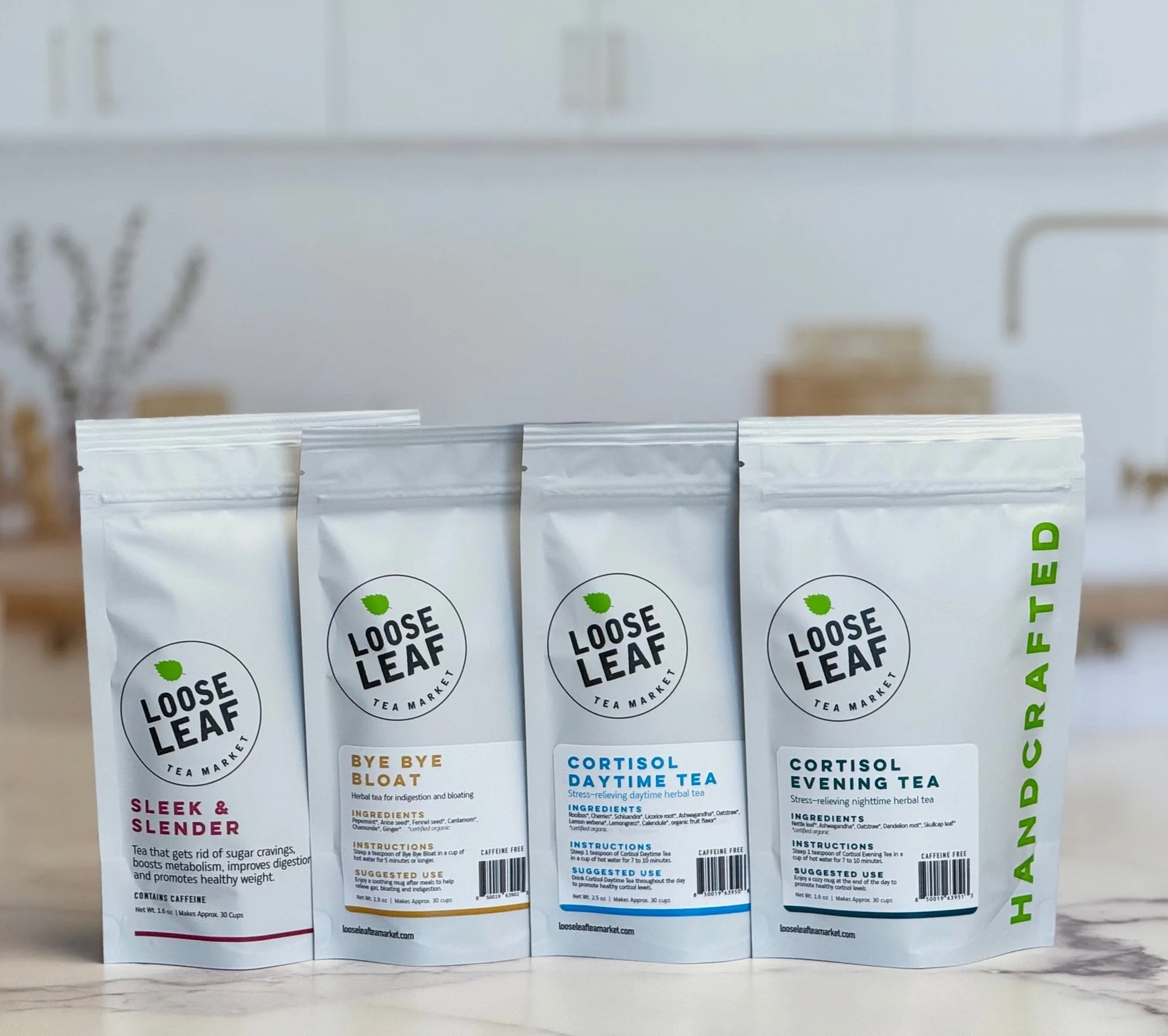
Cortisol Belly Tea Bundle
- Loose leaf contains more antioxidants and catechins.
- Avoids potential chemicals from tea bag materials.
- Whole ingredients in loose blends offer synergistic benefits.
Environmental Impact and Cost
The environmental footprint of your tea habit matters. Most tea bags are not fully biodegradable, especially those made with plastic-based materials. Loose leaf tea, when paired with a reusable infuser or teapot, generates minimal waste. Many loose tea brands also prioritize sustainable sourcing and packaging, making them a greener choice.
In terms of cost, tea bags are generally cheaper per cup, but loose leaf tea often offers more infusions per serving. A good quality loose leaf can be steeped multiple times, providing better value in the long run. Additionally, the superior flavor means you might be satisfied with less tea per cup, further stretching your budget.
- Loose leaf reduces packaging waste.
- Reusable infusers and teapots are eco-friendly.
- Multiple steepings make loose leaf cost-effective.
How to Make the Switch to Loose Leaf
If you're ready to elevate your tea experience, transitioning to loose leaf is easier than you think. Start with a quality tea like the Detox Chai Cleansing Herbal Tea or the Core 4 Tea Bundle from Loose Leaf Tea Market. You'll need a few simple tools: a tea infuser, a teapot, or even a French press. For on-the-go, a stainless steel tumbler with an infuser can be a great investment.
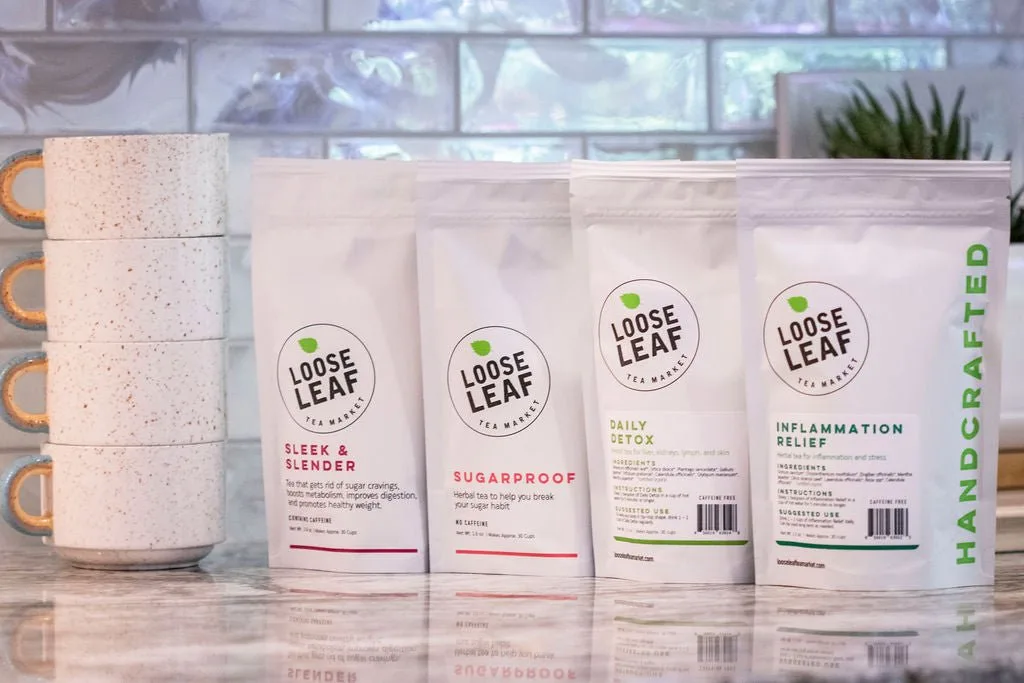
Core 4 Tea Bundle
When brewing, use fresh, cold water and heat it to the appropriate temperature for your tea type. Generally, green teas prefer cooler water (175°F), while black and herbal teas do well with boiling water. Steep for the recommended time, and don't be afraid to experiment to find your perfect cup.
- Invest in a quality infuser or teapot.
- Use the right water temperature for each tea.
- Store loose leaf in an airtight container away from light.
In the battle of loose leaf vs. tea bags, loose leaf clearly takes the crown for flavor and health benefits. While tea bags offer convenience, the superior taste, higher antioxidant content, and environmental advantages make loose leaf the better choice for tea lovers. Ready to make the switch? Explore the range of premium loose leaf teas at Loose Leaf Tea Market and discover a world of flavor. Try the Cortisol Tea Bundle Caffeine-Free for a calming, healthful brew.