Quick answer
A rulebook teaches you how to play a game: setup, actions, scoring, and edge cases. A lore book deepens the world and characters around that game, adding story, context, and sometimes narrative choices that affect play. If you are learning a new game, you need the rulebook. If you already know the game and want more story and immersion, a lore book or a narrative expansion is the better buy. Some products blend both, so check what is actually inside before you spend.
You have probably seen both terms used loosely. A publisher announces a lore book, a reviewer praises the rulebook, and suddenly it sounds like the same object with two names. They are not the same thing, and confusing them leads to disappointing purchases. A rulebook is a functional manual. A lore book is a world-building companion. One gets you playing; the other gets you invested.
The distinction matters more than ever because modern board games increasingly blur the line. Narrative expansions add story prompts that change how cards work. World boxes bundle a board, cards, and flavor text together. Knowing which category a product falls into tells you whether it will teach you the game, enrich a game you already own, or do both.
What a rulebook actually does
A rulebook is a reference document. Its job is to answer questions: how do I set up, what can I do on my turn, how do I score, and what happens when two effects conflict? Good rulebooks are organized for lookup, with clear action lists, examples, and an index. They are not meant to be read cover to cover for pleasure, though some are written well enough to enjoy.
Because rulebooks are functional, they change when the game changes. Errata, revised editions, and expansion inserts all exist because rules need to stay accurate. A rulebook that is out of date can actively mislead you. That is why publishers often post updated PDFs and why experienced players check the current version before teaching a game.
- Keep the rulebook on the table during your first few plays, not on a shelf.
- Check the publisher's site for errata or a revised PDF if your copy is an older printing.
What a lore book actually does
A lore book is about context. It expands who your characters are, why the world works the way it does, and what is at stake. It may include history, faction details, character backstories, or artwork. Reading it is optional for play, but it changes how the game feels at the table because players understand the stakes behind their choices.
Some lore products go further and add mechanics. A narrative expansion can layer story prompts and decision trees onto existing systems, so the choices you make reveal new details about your character and unlock new abilities. That is no longer pure flavor; it is lore that touches gameplay. When a product does this, it sits between a rulebook and a lore book, and it usually requires the base game to use.
- Read a lore book before a game night to give players context for their choices.
- If a lore product adds cards or boards, treat it as an expansion and check the base-game requirement.
Where the line blurs
The cleanest way to tell them apart is to ask what happens if you remove the product. Remove a rulebook and you cannot play. Remove a lore book and you can still play, just with less atmosphere. That test works for most products, but not all. A module that adds a new board, new cards, and flavor text is doing both jobs at once.
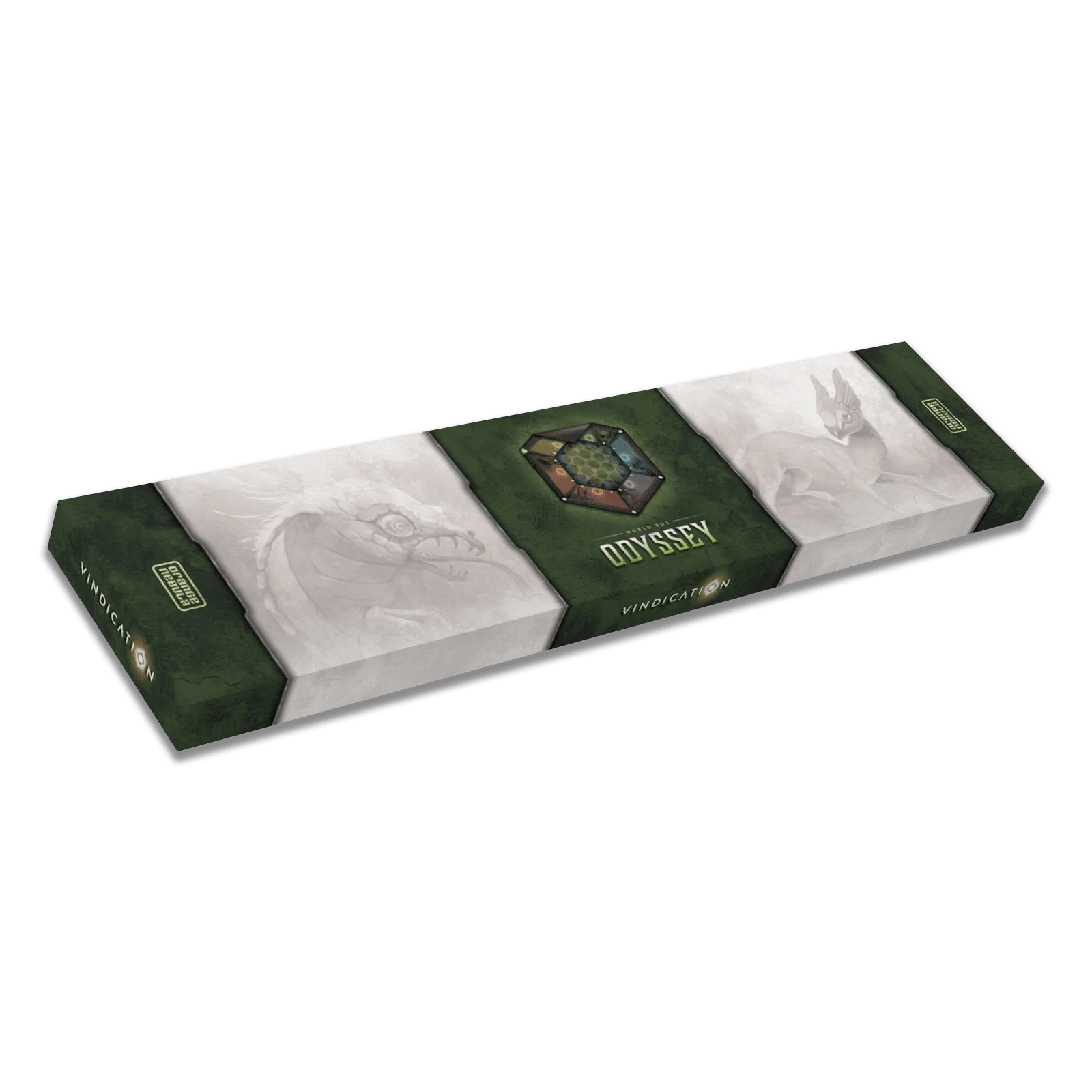
Consider the Vindication® World Box: Odyssey Module. It includes a dual-layered odyssey module board, a card pack with 15 new cards, an embroidered patch, and a sticker, and it requires the Vindication® base game to play. That is expansion content with physical components, not a manual and not a pure storybook. If you expected a rulebook, you would be confused. If you expected a lore-rich add-on that changes play, you would be satisfied.
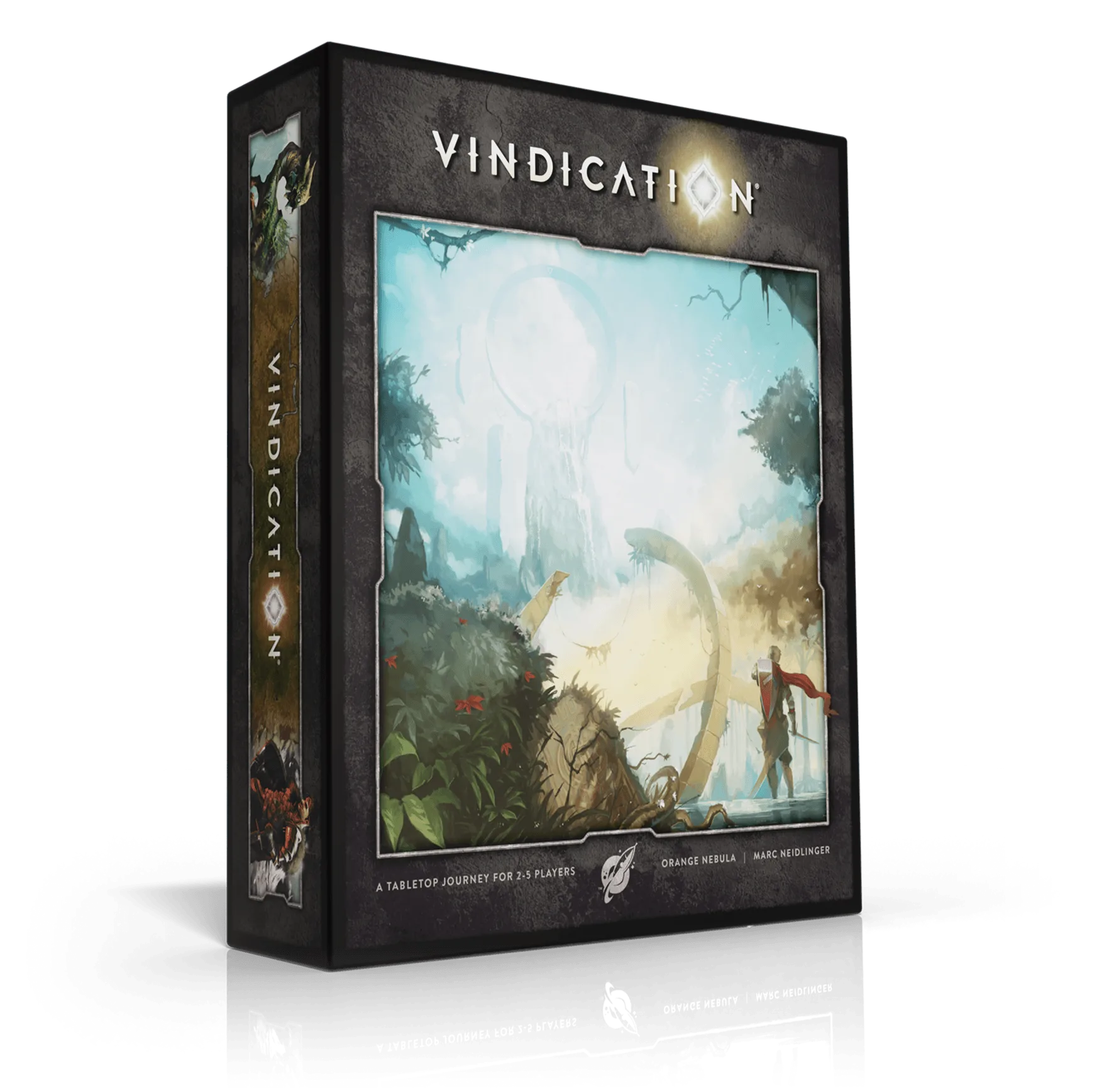
Vindication® base game
- Use the removal test: if the game still works without it, it is closer to lore than rules.
- For hybrid products, read the component list carefully before buying.
How to choose based on where you are
If you are new to a game, buy the base game and read its rulebook first. No lore book will help you if you cannot take a turn. Once you know the rules well, a lore book or narrative expansion becomes worthwhile because you can appreciate the story without also learning a system. That sequence saves money and frustration.
If you are a veteran player who already knows the game, the calculation flips. You do not need another rulebook. You want content that adds variety, story, and replayability. That is where narrative expansions and world modules earn their place. They give you a reason to return to a game you already understand, and they often add new combo potential rather than just new text.
- New players: base game plus rulebook first, lore later.
- Veterans: prioritize expansions that add mechanics and story together.
The trade-offs, side by side
- Rulebook: teaches, but does not immerse: A rulebook gets you playing and resolves disputes, but it will not make you care about the world. It is a tool, and it becomes obsolete when rules are updated. Essential first purchase; not a collectible.
- Lore book: immerses, but does not teach: A lore book deepens characters and setting, but it cannot replace a rulebook. If you do not already know the game, it will not help you take a turn. Best bought after you know the rules.
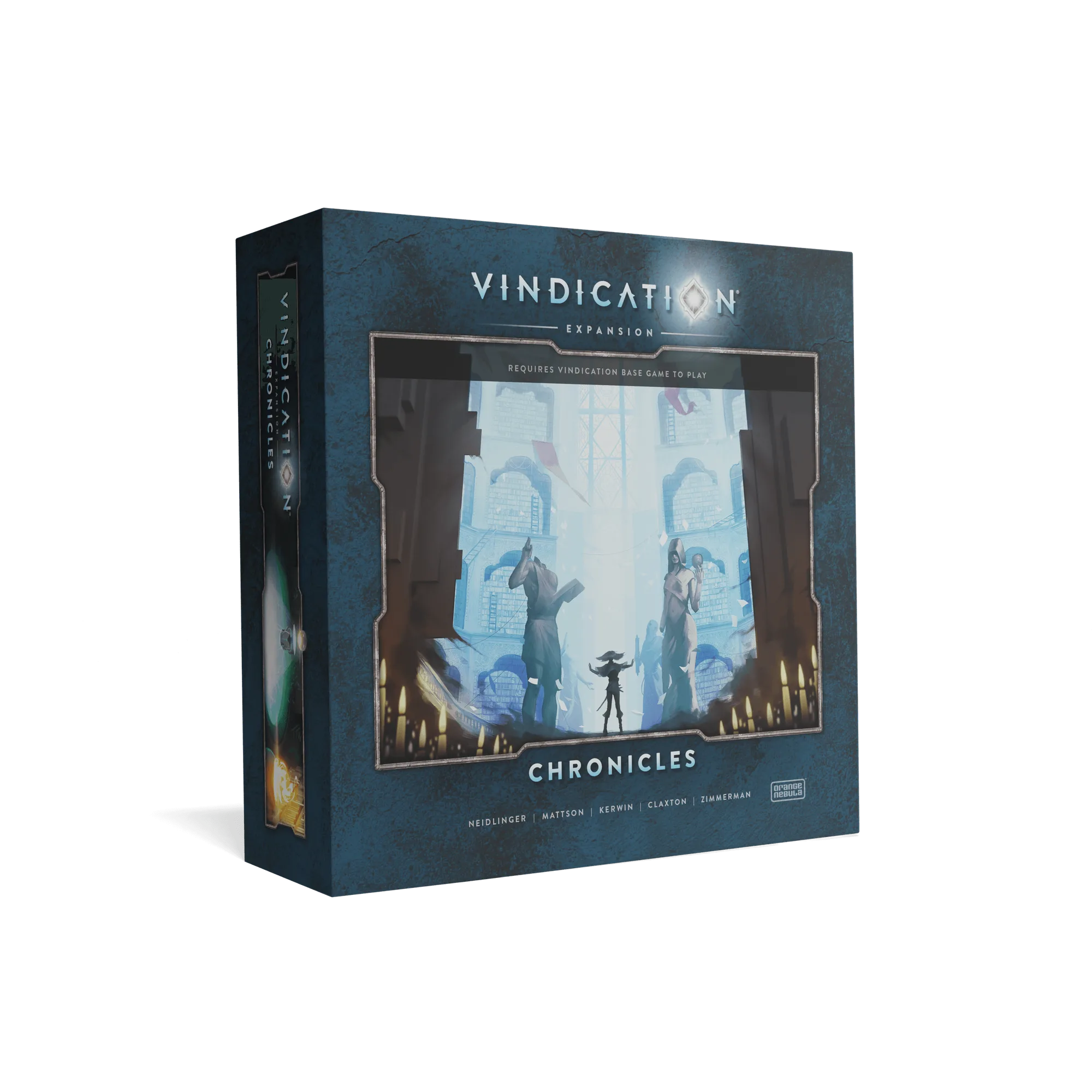
- Narrative expansion: does both, but requires the base game: Products like the Vindication® Chronicles Expansion add story prompts and decision trees that change how existing cards work, blending lore and mechanics. That power comes with a dependency: you need the base game, and you need to know it. High value for veterans; wrong first purchase for beginners.
- Hybrid module: components plus flavor, sold separately: The Vindication® World Box: Odyssey Module bundles a board, 15 cards, a patch, and a sticker, and explicitly requires the base game. It expands play and adds atmosphere at once. Read the component list and the base-game requirement before buying.
Products that show the difference
- Vindication® Chronicles Expansion: The Chronicles expansion adds an additional narrative layer to many of the game's existing systems, with story prompts and narrative decision trees that add context and weight to cards in your tableau, and choices reveal new details about your character and unlock powerful new abilities and combo potentials. This is lore that changes play. It is not a rulebook and not a passive storybook; it is a narrative expansion for players who already know Vindication® and want their choices to carry more weight.
- Vindication® World Box : Odyssey Module: Includes a dual-layered odyssey module board, a card pack with 15 new cards, an embroidered patch, and a sticker. Vindication® Base Game required for play. A hybrid product: physical components plus flavor. It requires the base game, so it cannot teach you to play. Buy it to expand a game you already own, not to learn it.
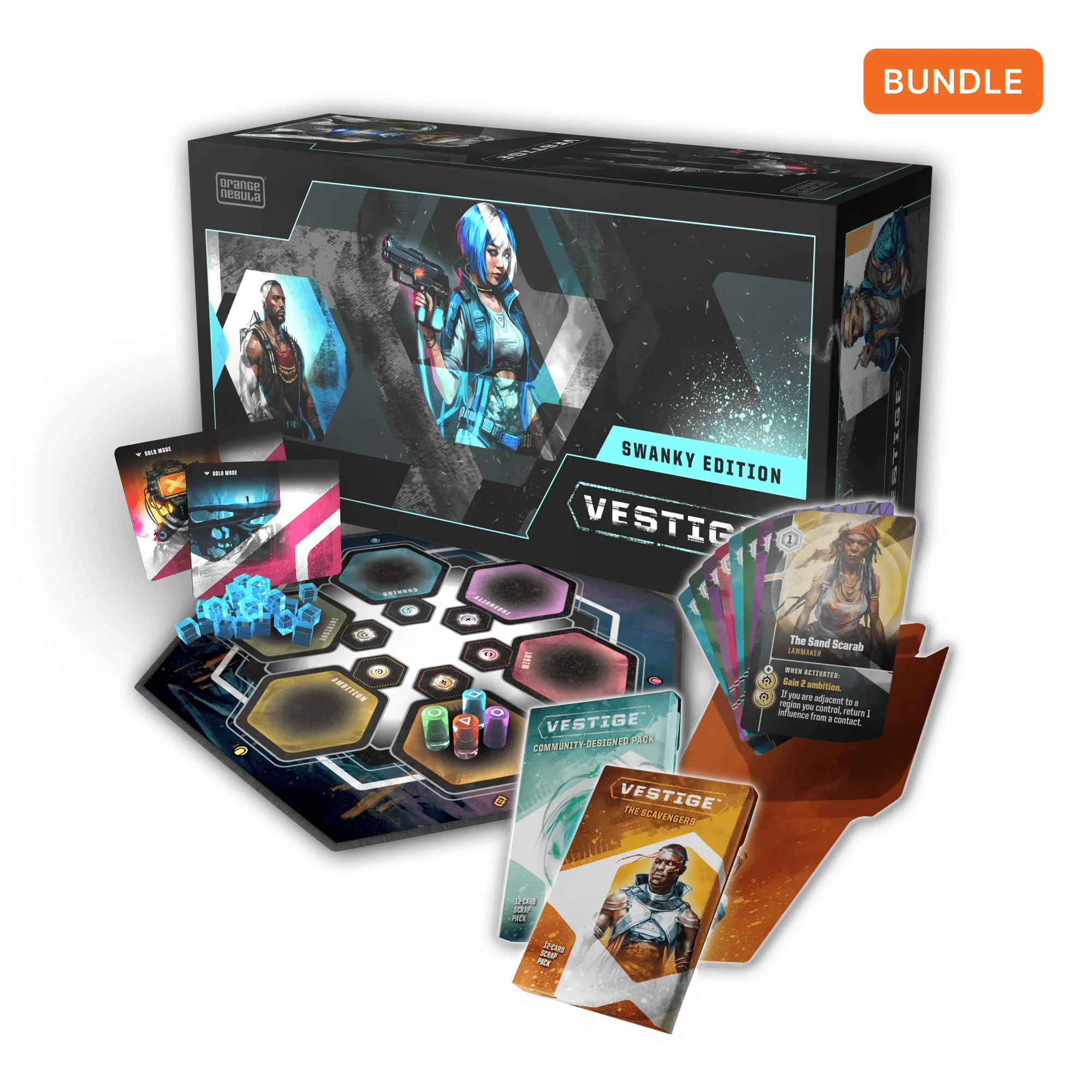
- Vestige Swanky- The Arrival Bundle: Vestige is a highly strategic modern euro playable in about an hour, built around a resource alchemy system modeled on the color wheel, with a modular game board, variable end-game conditions, and a card-tableau engine-building heart. It is derived from Vindication®. A standalone game with its own rulebook. If you are new to the system, start here rather than with a lore-heavy expansion, because you get the full rules and the full experience in one box.
Which one fits you?
Choose a lore book or narrative expansion if you
- Already know the base game well and want more story and character depth
- Enjoy choices that unlock new abilities and combo potential
- Play with a group that values theme and immersion as much as mechanics
Skip it and stick with the rulebook if you
- Are still learning the base game and need setup, actions, and scoring
- Want a standalone experience without owning the base game
- Prefer pure mechanics and do not care about narrative context
Rulebooks and lore books solve different problems: one teaches you to play, the other makes you care about why you play. Buy the rulebook first, learn the game, then add lore and narrative expansions once the rules are second nature. Check the component list and base-game requirements on hybrid products, and you will always know which one you are actually getting.