Quick answer
For most long-range wired setups, a PoE extender is the more reliable choice because it maintains a stable wired connection and can deliver power over longer distances. Wi-Fi bridges offer flexibility but can suffer from interference and bandwidth limitations. Choose PoE extenders for permanent installations and Wi-Fi bridges for temporary or hard-to-wire locations.
When you need to place a security camera far from your network recorder or router, the connection method you choose can make or break your surveillance system. Two common solutions are PoE extenders and Wi-Fi bridges. Both extend your network reach, but they work in fundamentally different ways. Understanding their trade-offs helps you decide which one fits your property and camera setup.
In this comparison, we'll break down how each method works, where it excels, and where it falls short. We'll also look at Lorex cameras and systems that benefit from these connection methods, so you can make an informed decision.
How PoE Extenders Work
Power over Ethernet (PoE) extenders, sometimes called PoE over Cat5e extenders, allow you to run a single Ethernet cable up to 500 feet or more by boosting both data and power signals. They are inserted between the switch and the camera, repeating the signal so you can place cameras far from the NVR without losing connectivity.
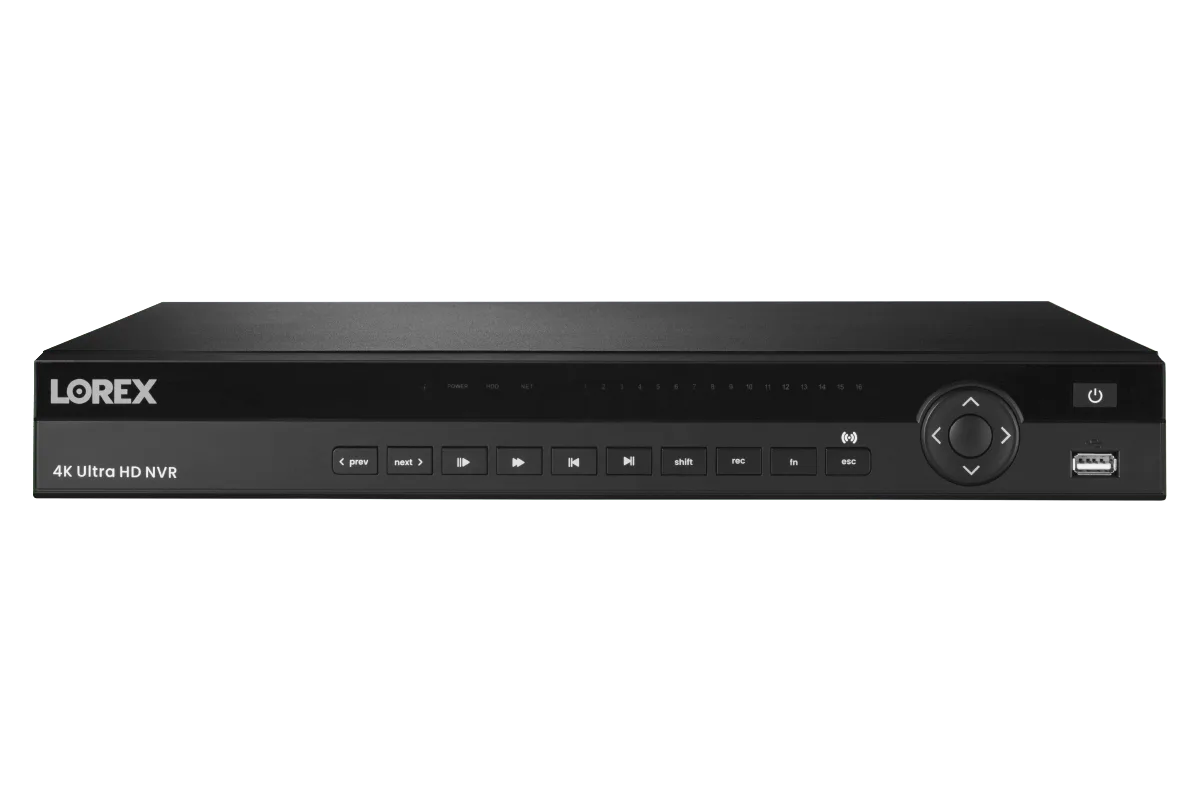
The main advantage of a PoE extender is reliability. A wired connection is immune to wireless interference, and it provides consistent power to the camera. This is crucial for cameras that require continuous recording, like the Lorex 4K (16 Camera Capable) 4TB Wired NVR System with Nocturnal 3 Smart IP Turret Cameras with Listen-In Audio and 30FPS, which relies on a stable wired network to handle high-resolution video streams.
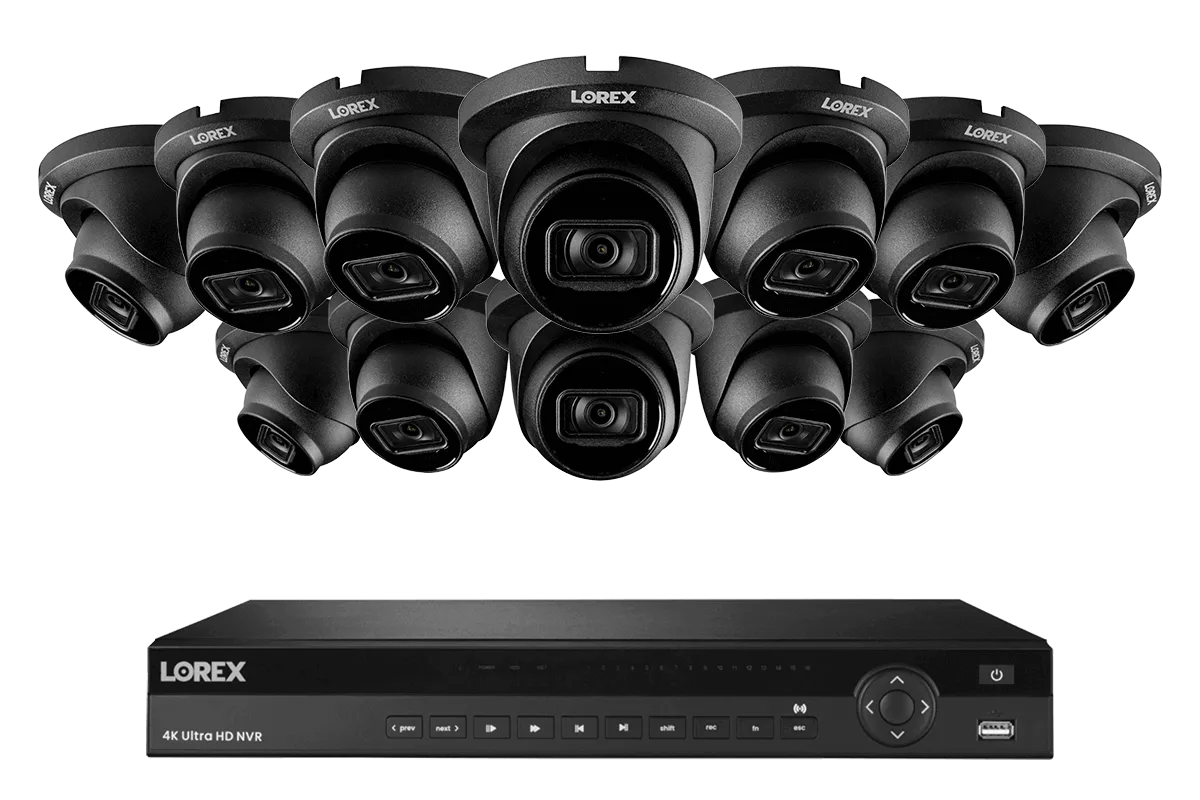
Lorex 4K (16 Camera Capable) 4TB Wired NVR System with Nocturnal 3 Smart IP Turret Cameras with Listen-In Audio and 30FPS
- Extends distance up to 500 feet (or more with multiple extenders)
- Provides both data and power over a single cable
- No wireless interference, ideal for high-bandwidth 4K video
How Wi-Fi Bridges Work
A Wi-Fi bridge connects two network segments wirelessly, often using point-to-point directional antennas. It can transmit data over long distances, sometimes miles, but it requires a clear line of sight and is susceptible to weather and interference. For security cameras, a Wi-Fi bridge can be useful when running cables is impractical, such as across a street or a large yard.
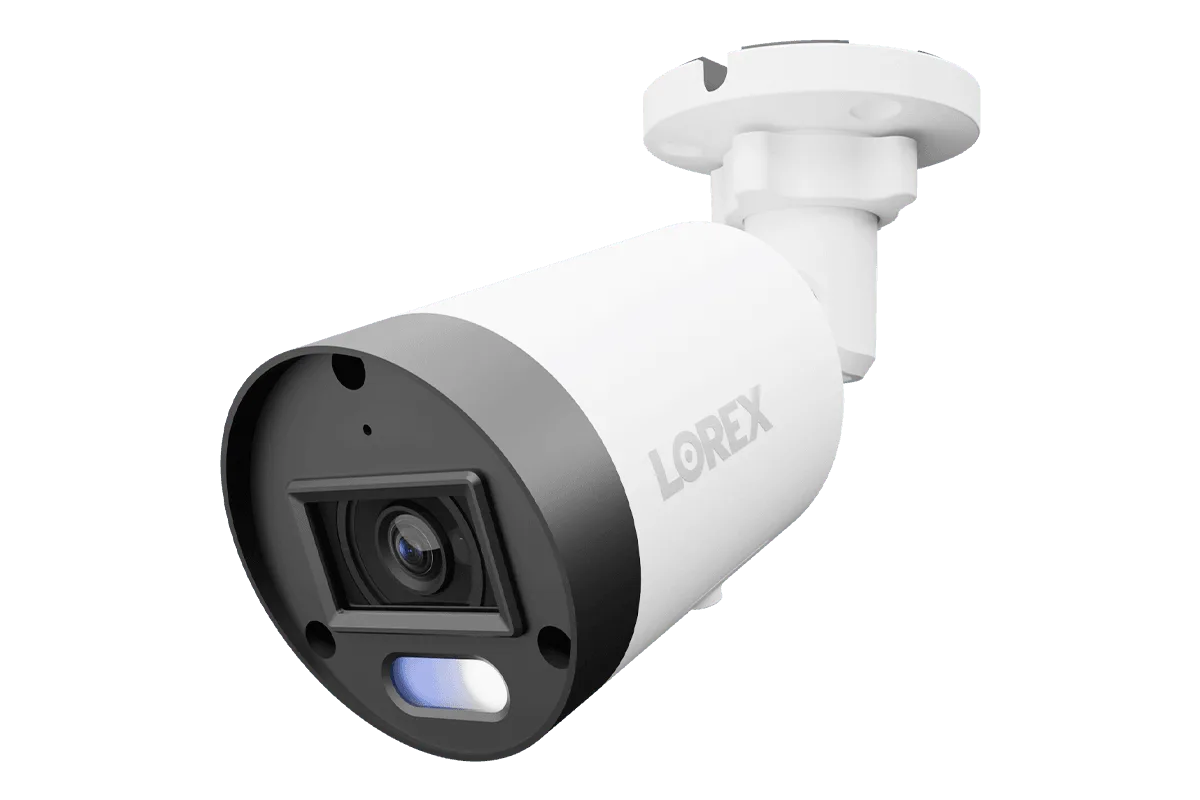
However, Wi-Fi bridges introduce latency and potential bandwidth bottlenecks, especially when streaming 4K video. If you have a camera like the Lorex 4K Spotlight Indoor/Outdoor Wi-Fi 6 Security Camera with Smart Security Lighting, which uses Wi-Fi natively, a bridge might not be necessary, but for wired cameras that need to connect to an NVR, a bridge adds complexity and potential failure points.
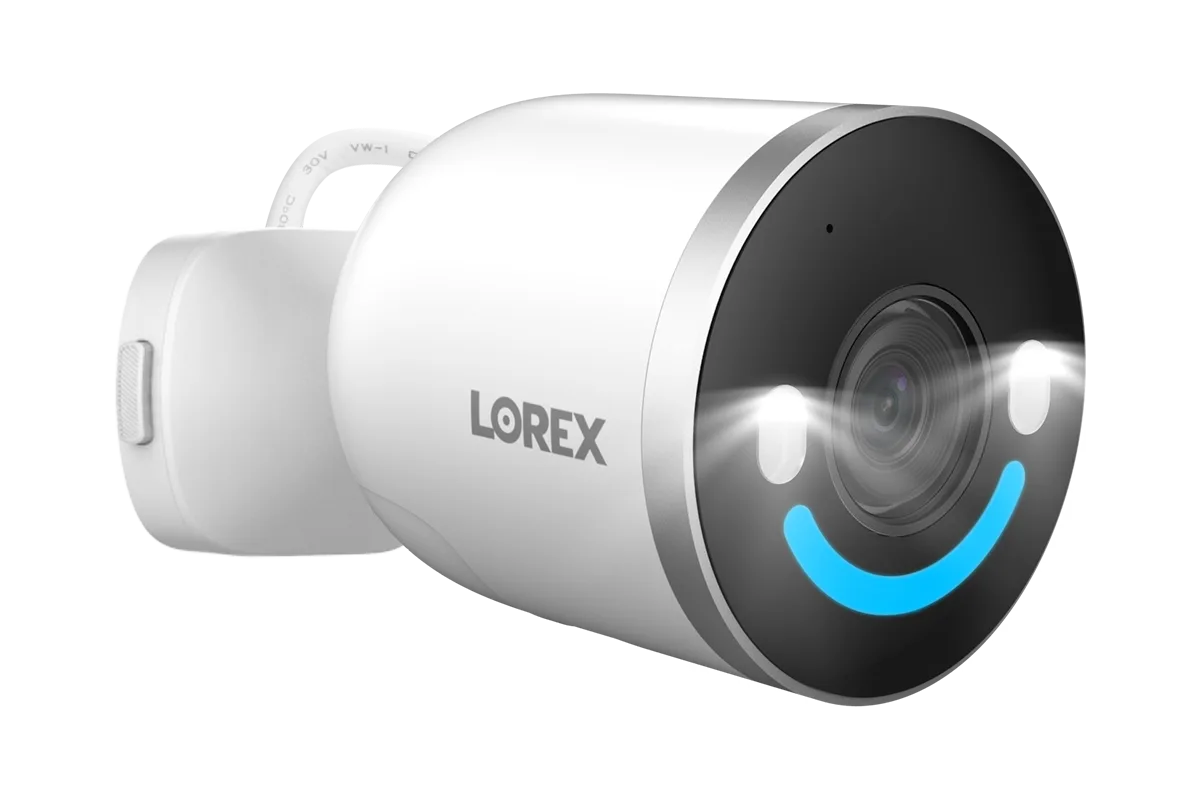
Lorex 4K Spotlight Indoor/Outdoor Wi-Fi 6 Security Camera with Smart Security Lighting
- No cable required, useful for temporary setups
- Requires line of sight and can be affected by weather
- Bandwidth may be limited, affecting high-resolution streams
Key Differences: Reliability, Distance, and Bandwidth
When comparing PoE extenders and Wi-Fi bridges, three factors stand out: reliability, distance, and bandwidth. PoE extenders offer a dedicated wired connection, which is inherently more stable and secure. They can extend up to 500 feet per segment, and you can daisy-chain them for longer runs. Wi-Fi bridges can cover longer distances, but they rely on radio signals that can be disrupted by obstacles, interference, or even rain.
Bandwidth is another critical factor. Wired connections can handle the high data rates required for 4K video at 30fps, as seen in the Lorex 4K (16 Camera Capable) 4TB Wired NVR System. Wi-Fi bridges, especially in crowded frequency bands, may not deliver consistent throughput, leading to dropped frames or lag. For security purposes, reliability is paramount.
- PoE extenders: reliable, secure, consistent bandwidth
- Wi-Fi bridges: flexible, but subject to interference and lower bandwidth
- Consider the number of cameras and video quality requirements
Trade-Offs at a Glance
- Installation complexity: PoE extenders require running cable, which can be labor-intensive but is a one-time setup. Wi-Fi bridges are easier to install but require proper alignment and configuration. Choose PoE if you can run cables; choose Wi-Fi bridge for quick or temporary setups.
- Signal stability: Wired connections are unaffected by environmental factors, while Wi-Fi bridges can be disrupted by weather, obstacles, or other wireless devices. For critical security, PoE extenders offer greater peace of mind.
- Bandwidth for video quality: PoE extenders support high-bandwidth 4K video without degradation. Wi-Fi bridges may struggle with multiple 4K streams, leading to reduced quality. If you use high-resolution cameras, PoE extenders are safer.
Lorex Products That Benefit from Long-Range Connections
- Lorex 4K (16 Camera Capable) 4TB Wired NVR System with Nocturnal 3 Smart IP Turret Cameras with Listen-In Audio and 30FPS: This system includes Nocturnal security cameras and a powerful sixteen-channel Network Video Recorder (NVR). Along with 4K recording resolution, Color Night Vision, and Smart Motion Detection, these dome security cameras include listen-in audio. With 16 cameras, you need a stable network to handle multiple 4K streams. PoE extenders ensure each camera maintains a solid connection, even when placed at the far corners of your property.
- Lorex 4K Spotlight Indoor/Outdoor Wi-Fi 6 Security Camera with Smart Security Lighting: See the finest detail with the Lorex 4K Spotlight Indoor/Outdoor Wi-Fi Security Camera. Always know what’s happening with Smart Motion Detection Plus, which features 4 detection types— Person, Vehicle, Animal, and Package Detection. This camera uses Wi-Fi natively, so a Wi-Fi bridge might be overkill. However, if you need to extend your network to reach this camera, a bridge can be a solution, but ensure your Wi-Fi signal is strong enough for 4K streaming.
Which Should You Choose?
Best for
- Homeowners or businesses with permanent camera installations near the NVR
- Users who need reliable, high-bandwidth connections for 4K cameras
- Those who can run Ethernet cables through walls, attics, or underground
Not for
- Temporary setups or locations where cabling is impossible
- Users who prefer a wireless solution and have a strong Wi-Fi environment
Choosing between a PoE extender and a Wi-Fi bridge ultimately comes down to your property layout and security needs. For permanent, high-resolution camera systems, PoE extenders offer the reliability you need. If you have a camera like the Lorex 4K Spotlight Indoor/Outdoor Wi-Fi 6 Security Camera, a Wi-Fi bridge might be a convenient addition. Explore our range of wired security cameras and systems to find the perfect match for your long-range connection strategy.