Quick answer
Choose Lost Ruins of Arnak if you want exploration, deck building, and worker placement in one game. Choose Pulsar 2849 if you prefer dice drafting and a Euro-style space race with many paths to victory. Both are heavy strategy games at a similar price, so your group's tolerance for luck and theme will decide.
Core mechanics: deck building plus worker placement vs. dice drafting
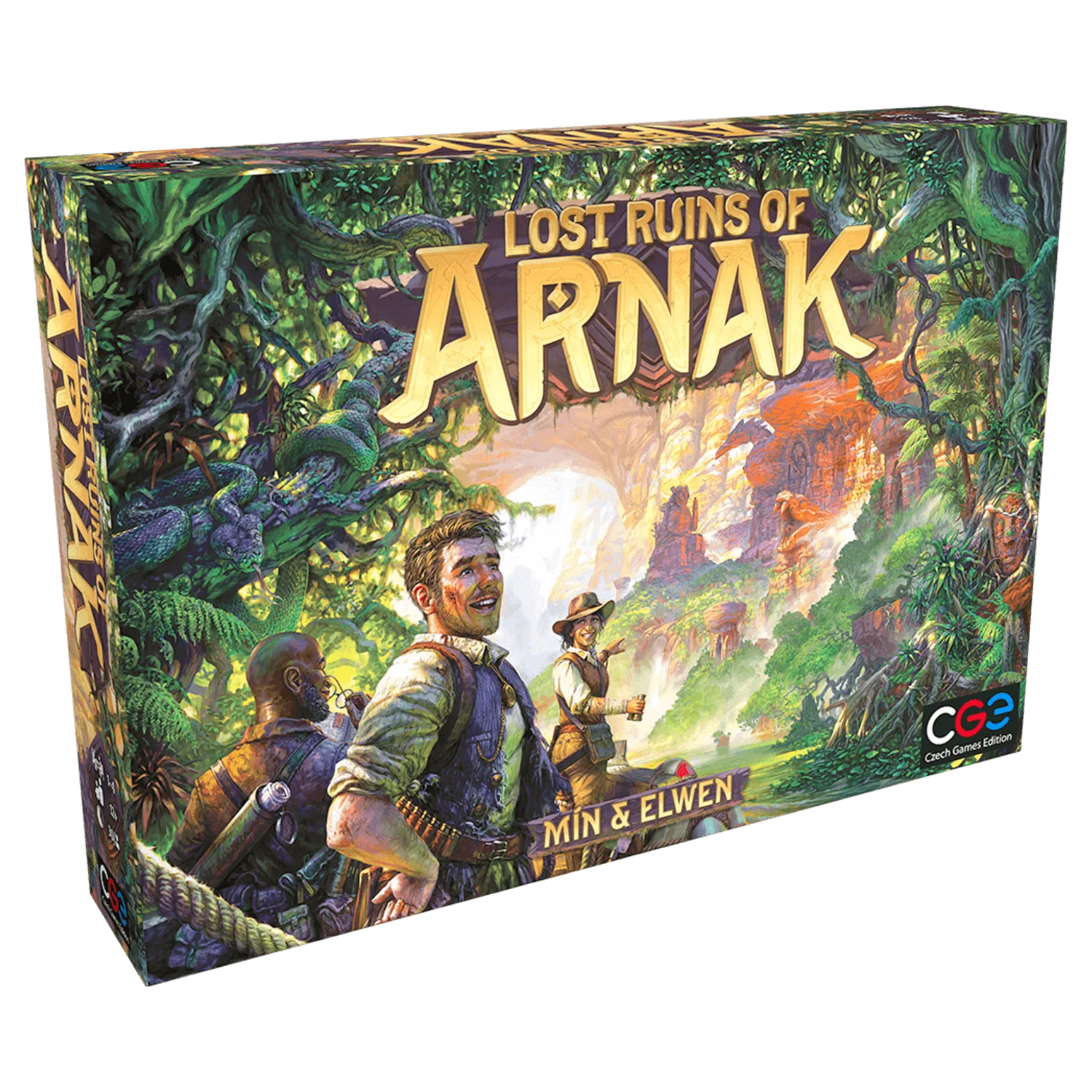
Lost Ruins of Arnak combines deck building, worker placement, and resource management. You lead an expedition on an uninhabited island, find lost artifacts, and face fearsome guardians. The deck-building layer lets you improve your actions over time, while worker placement forces you to claim limited sites and resources before opponents do.
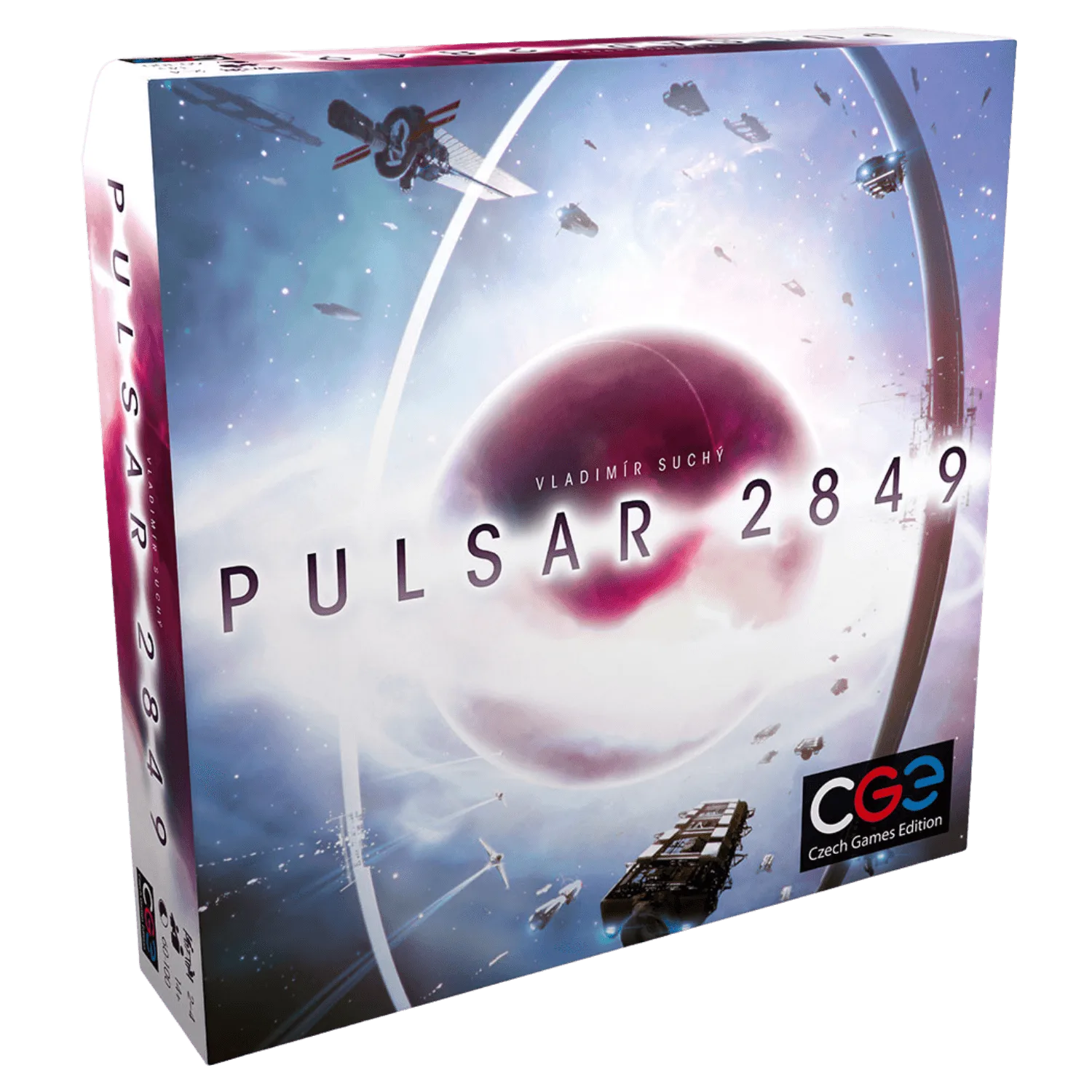
Pulsar 2849 is a Euro-style game where players explore space, claim pulsars, and discover technologies to build energy-distribution infrastructure on a cosmic scale. Dice are used to purchase actions, and players choose their dice from a communal pool. That shared pool creates a different kind of tension: you are not just blocking spaces, you are also reading which dice your opponents need.
The practical difference is where uncertainty lives. In Arnak, your deck introduces randomness, but you can thin and upgrade it. In Pulsar, the dice pool changes every round, so you must adapt your plans to the numbers available. Neither is lighter than the other; they simply ask you to manage different kinds of variability.
Theme and table presence: jungle expedition vs. cosmic infrastructure
Arnak's theme is exploration and discovery. You are on an uninhabited island in uncharted seas, following traces of a great civilization. The art and components support a sense of adventure, and the guardian encounters give each round a narrative beat. If your group enjoys Indiana Jones-style pulp, this is the stronger match.
Pulsar 2849 is more abstract and systemic. You explore space, claim pulsars, and build energy-distribution infrastructure. The satisfaction comes from constructing an efficient engine and finding a victory path among many. It is less about characters and more about the elegance of the system.
Both games reward repeated play, but they deliver different stories. Arnak gives you a journey with setbacks and discoveries. Pulsar gives you a puzzle of optimization where the theme is a frame for the mechanics.
Player interaction and decision pressure
In Arnak, interaction is mostly indirect. You compete for worker-placement spots and race to explore sites. The guardians and resource costs create pressure, but you rarely attack opponents directly. The game is about efficient turns and timing.
In Pulsar 2849, the dice pool is the main point of contact. Choosing a die denies it to others, and the communal pool means turn order and availability matter. You also compete for pulsars and technologies, so the interaction is more about market dynamics than blocking.
If your group likes planning around what opponents will take, Pulsar offers a sharper read. If you prefer building your own engine with occasional blocking, Arnak is more forgiving.
Setup, playtime, and learning curve
Both games sit in the heavy strategy range, so expect a teach of 15–25 minutes and playtimes that stretch with player count. Arnak's deck-building start is straightforward: you begin with a small deck and add cards as you explore. Pulsar's dice-drafting turns are quick once players understand the action costs, but the technology tree can slow early games.
Arnak's rulebook is approachable for players who have tried worker placement before. Pulsar's many paths to victory mean new players may need a full game to see how scoring works. Neither is a filler; both are main-event games for a dedicated group.
If you often teach new players, Arnak's theme and clearer turn structure make it the easier sell. If your group already plays heavy Euros, Pulsar's systems will feel familiar.
Trade-offs that decide your pick
- Randomness source: Arnak uses a personal deck you can shape; Pulsar uses a communal dice pool you must read each round. If you want to control your luck, Arnak. If you enjoy tactical adaptation, Pulsar.
- Interaction style: Arnak is indirect blocking and racing; Pulsar is direct competition for dice and technologies. Groups that dislike take-that will prefer Arnak; groups that want tension will prefer Pulsar.
- Theme vs. system: Arnak delivers a pulp expedition with guardians and artifacts; Pulsar delivers an abstract engine-building puzzle in space. Pick the theme that will get your group to the table more often.
Product facts at a glance
- Lost Ruins of Arnak: Lost Ruins of Arnak combines deck building, worker placement, and resource management in a game of exploration and discovery. In addition to traditional deckbuilder effects, players explore an uninhabited island, find lost artifacts, and face fearsome guardians. This mix gives you long-term deck improvement plus spatial competition, so the game rewards both planning and adaptation.
- Pulsar 2849: Pulsar 2849 is a Euro-style game where players explore space, claim pulsars, and discover technologies to build energy-distribution infrastructure. Dice are used to purchase actions, and players choose their dice from a communal pool. There are many paths to victory. The shared dice pool creates direct interaction and replayability, but also means your plans depend on what opponents leave behind.
Which game is right for you?
Best for
- Players who want exploration and deck building in one box
- Groups that prefer indirect competition and a strong adventure theme
- Fans of worker placement who want a manageable teach
Not for
- Players who dislike deck-building randomness
- Groups that want direct interaction and dice drafting
- Those who prefer abstract Euros over thematic exploration