The Batman: Arkham Knight game gave us one of the most iconic Batsuits in gaming history, and 1/12 scale collectors are spoiled for choice. Two third-party figures dominate the conversation: LPZZ and UPF. Both promise a highly detailed take on the Dark Knight, but they differ in sculpt, articulation, accessories, and overall value. In this LPZZ vs UPF Arkham Knight comparison, we break down every major aspect to help you decide which 1/12 figure deserves a spot on your shelf.
Whether you're a seasoned collector or new to the 1/12 scale, choosing between LPZZ and UPF can be tricky. Both figures capture the menacing look of the Arkham Knight suit, but subtle differences in proportions, paint apps, and playability can sway your decision. Let's dive into the details.
Sculpt and Detail: Which Arkham Knight Looks More Accurate?
When it comes to the cowl, chest armor, and overall silhouette, LPZZ and UPF take different approaches. LPZZ focuses on a sleeker, more streamlined look that closely mirrors the in-game model. The armor panels are sharp, and the cowl has that aggressive brow line that defines the Arkham Knight. UPF, on the other hand, goes for a bulkier interpretation, with thicker shoulder pads and a more imposing chest piece. Both are impressive, but LPZZ edges out in screen accuracy, while UPF offers a more stylized, 'comic-inspired' look.
Paint application is another area where the two diverge. LPZZ uses a matte finish with subtle weathering, giving the figure a battle-worn appearance. UPF opts for a glossier finish that makes the armor pop but can look less realistic under certain lighting. For collectors who value a gritty, game-accurate aesthetic, LPZZ is the winner. If you prefer a cleaner, more toyetic look, UPF might be more to your liking.
- LPZZ: sharper cowl, more screen-accurate proportions, matte finish with weathering.
- UPF: bulkier build, glossier paint, more stylized 'comic' feel.
Articulation and Posability: Which Figure Poses Better?
Articulation is a critical factor for any 1/12 figure, and both LPZZ and UPF deliver a wide range of motion. LPZZ features a double-jointed neck, butterfly joints at the shoulders, and a ratcheting waist that allows for dynamic combat poses. The legs have a full range of motion, including a drop-down hip joint that enables deep crouches. UPF also offers excellent articulation, with a similar joint layout, but the bulkier armor can restrict some movements, particularly at the elbows and knees.
In practice, LPZZ feels more fluid when posing. The joints are tighter and hold poses better, which is essential for action-packed displays. UPF's joints are slightly looser out of the box, but they can be tightened with a bit of care. If you plan to recreate iconic fight scenes from the game, LPZZ gives you more flexibility. However, UPF's larger frame can make certain poses look more imposing, especially when standing tall.
- LPZZ: tighter joints, better range, ideal for dynamic action poses.
- UPF: slightly restricted by bulkier armor, but still capable of impressive static poses.
Accessories and Extras: What's in the Box?
Accessories can make or break a figure's value, and both LPZZ and UPF come with a generous selection. LPZZ includes multiple interchangeable hands, a grapnel gun, a batarang, and a display stand with a nameplate. UPF goes a step further, offering an extra unmasked head sculpt, a different belt attachment, and a more elaborate base with LED light-up features. The extra head sculpt is a big plus for collectors who want to display Bruce Wayne without the cowl.
However, quality over quantity matters. LPZZ's accessories are cast with sharper detail, especially the batarang, which looks like it came straight from the game. UPF's extras are nice, but the unmasked head sculpt can look slightly off in scale. If you value screen-accurate accessories, LPZZ wins. If you want more display options, UPF's LED base and extra head might be worth the trade-off.
- LPZZ: high-quality accessories, but fewer in number.
- UPF: more accessories, including an unmasked head and LED base, but with slightly less detail.
Price and Availability: Which Offers Better Value?
Price is often the deciding factor in any comparison. LPZZ figures typically retail at a slightly lower price point than UPF, making them more accessible to budget-conscious collectors. UPF, while pricier, justifies its cost with additional accessories and a more complex paint job. Availability can also vary: LPZZ figures tend to sell out quickly and are harder to find after the initial release, while UPF often has a longer production run.
When considering value, think about what you prioritize. If you want a highly poseable, screen-accurate figure at a reasonable price, LPZZ is the better deal. If you're willing to pay extra for more accessories and a unique display base, UPF offers a more premium experience. Both figures hold their value well on the secondary market, but LPZZ's rarity can make it a better investment in the long run.
- LPZZ: more affordable, but harder to find after release.
- UPF: higher price, but includes more extras and is easier to obtain.
In the end, the choice between LPZZ and UPF Arkham Knight comes down to your personal preferences. LPZZ excels in sculpt accuracy, articulation, and price, making it the ideal pick for gamers and pose enthusiasts. UPF offers a more feature-packed package with its extra head and LED base, appealing to collectors who love display variety. Whichever you choose, both are excellent additions to any 1/12 scale Batman collection. For more top-tier action figures, check out the S.H.Figuarts line at TOYCO Collectibles, such as the Spider-Man: Brand New Day S.H.Figuarts Spider-Man Action Figure or the One Piece S.H.Figuarts Roronoa Zoro (The King of Hell) Exclusive Action Figure.
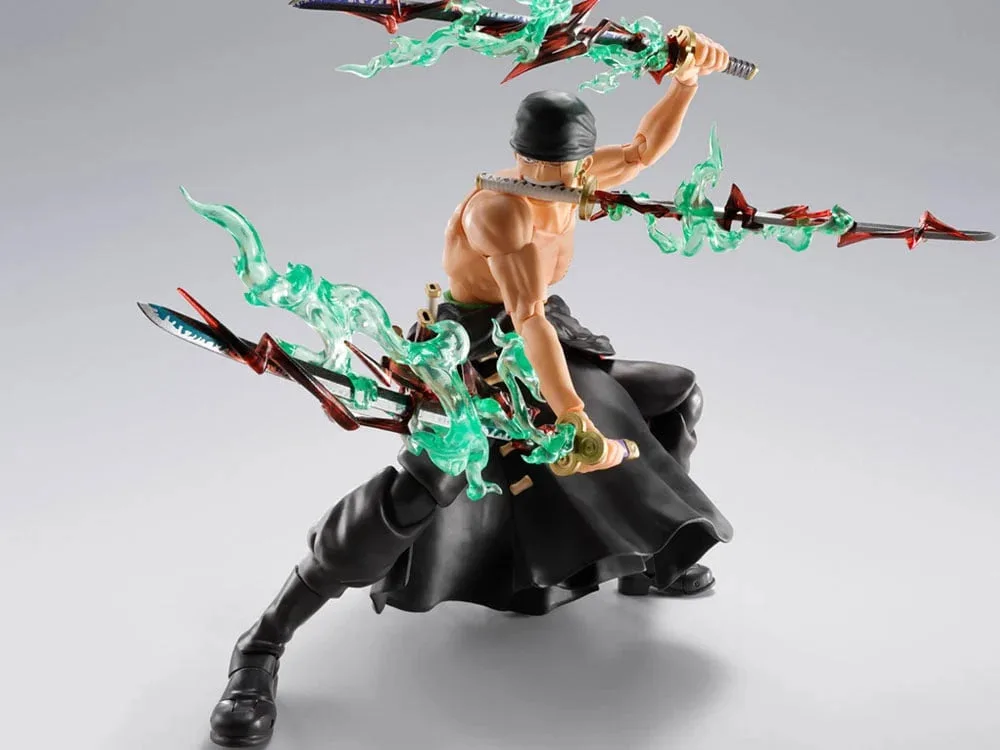
One Piece S.H.Figuarts Roronoa Zoro (The King of Hell) Exclusive Action Figure