Quick answer
Buy a luggage cover sized to your case's exact height and width, not its liter capacity. Measure your hardside case from the floor to the top of the shell, then match that number to the cover's size chart. A washable spandex luggage cover is the most practical choice for most travelers because it stretches over the shell, stays put on spinner wheels, and can be machine washed after a trip.
Why a hardside case still needs a cover
Polycarbonate and other hardside shells resist cracking, but they still pick up scuffs, sticker residue, and belt-scraper marks at the airport. A cover takes that wear instead of your case. It also makes your bag easier to spot on a crowded carousel, which is the single most common reason travelers buy one.
A cover is not armor. It will not stop a crushed shell or a cracked corner, and it adds a few ounces. If you check a bag only once a year, a cover is optional. If you fly monthly, the math changes quickly.
Match the cover to the case, not the liter rating
Luggage brands use liters to describe volume, but cover makers use height and width. A 'medium' case from one brand can be two inches taller than a 'medium' from another. Measure the shell only, excluding wheels and handles, then add about an inch of slack for the cover to stretch over the corners.
If your case is expandable, measure it with the zipper closed. A cover that fits an expanded case will look baggy when the case is compressed, and a baggy cover catches on conveyor belts.
Fabric and closure choices that change daily use
Spandex covers stretch over the shell and stay tight, which is why they are the most common style. They pack down small but can snag on rough surfaces. Woven covers are more abrasion-resistant but less forgiving if your measurements are slightly off. Look for a cover with a bottom opening that lets the wheels roll freely, and a side slit that leaves the carry handle accessible without removing the cover.
A washable luggage cover should have a closed seam or a zipper you can secure. If the cover has no closure, it can peel off mid-transit. After a trip, wash it on a gentle cycle and air dry; heat can break down the stretch fibers.
When a cover is the wrong purchase
If you carry your bag on every flight and it never leaves your sight, a cover adds weight and handling steps for little benefit. If your case is a softside with exterior pockets, a stretch cover can block access to those pockets. And if you use a hard case with a built-in TSA lock on the top edge, check that the cover does not cover the lock or the zipper pulls.
Travelers who check a bag once or twice a year can skip the cover and put the money toward a better carry-on. The travelers who get the most value from a cover are frequent checkers, families with matching black cases, and anyone who has already paid to repair or replace a scuffed shell.
Decision rules for buying a luggage cover
- Measure height first: Stand the case upright and measure from the floor to the top of the shell, excluding wheels and the extended handle. Match that number to the cover's height range, not the case's liter rating. If your measurement falls between two sizes, choose the larger size only if the cover is spandex; choose the smaller size if it is woven.
- Check the wheel and handle openings: A cover should leave all four spinner wheels exposed and give you clear access to the top and side carry handles. If the cover covers the wheels, you will be lifting the bag instead of rolling it. Test the cover on your case before your first trip, not at the airport.
- Decide on washability before you buy: A washable luggage cover needs a secure closure and a fabric that tolerates a gentle cycle. Spandex blends usually qualify; coated or laminated fabrics often do not. If the care label says spot clean only, treat the cover as disposable and plan accordingly.
Cases that pair well with a cover
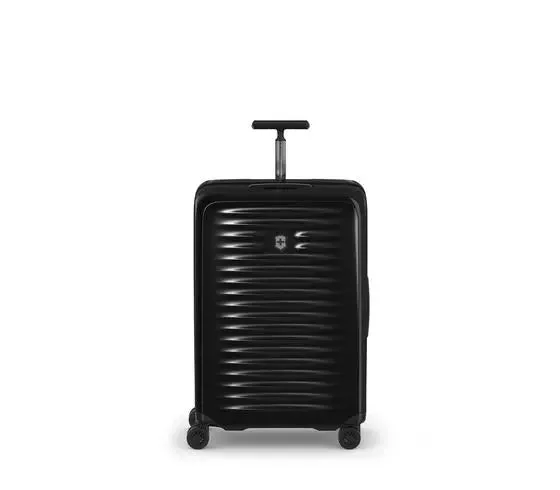
- Airox-Medium Hardside Case: The Airox Medium Hardside Case is described as the lightest weight luggage on the global market and is constructed from 100% pure virgin polycarbonate. A cover adds weight back to an ultralight case, so choose a thin spandex cover rather than a thick woven one if keeping the bag light matters to you.
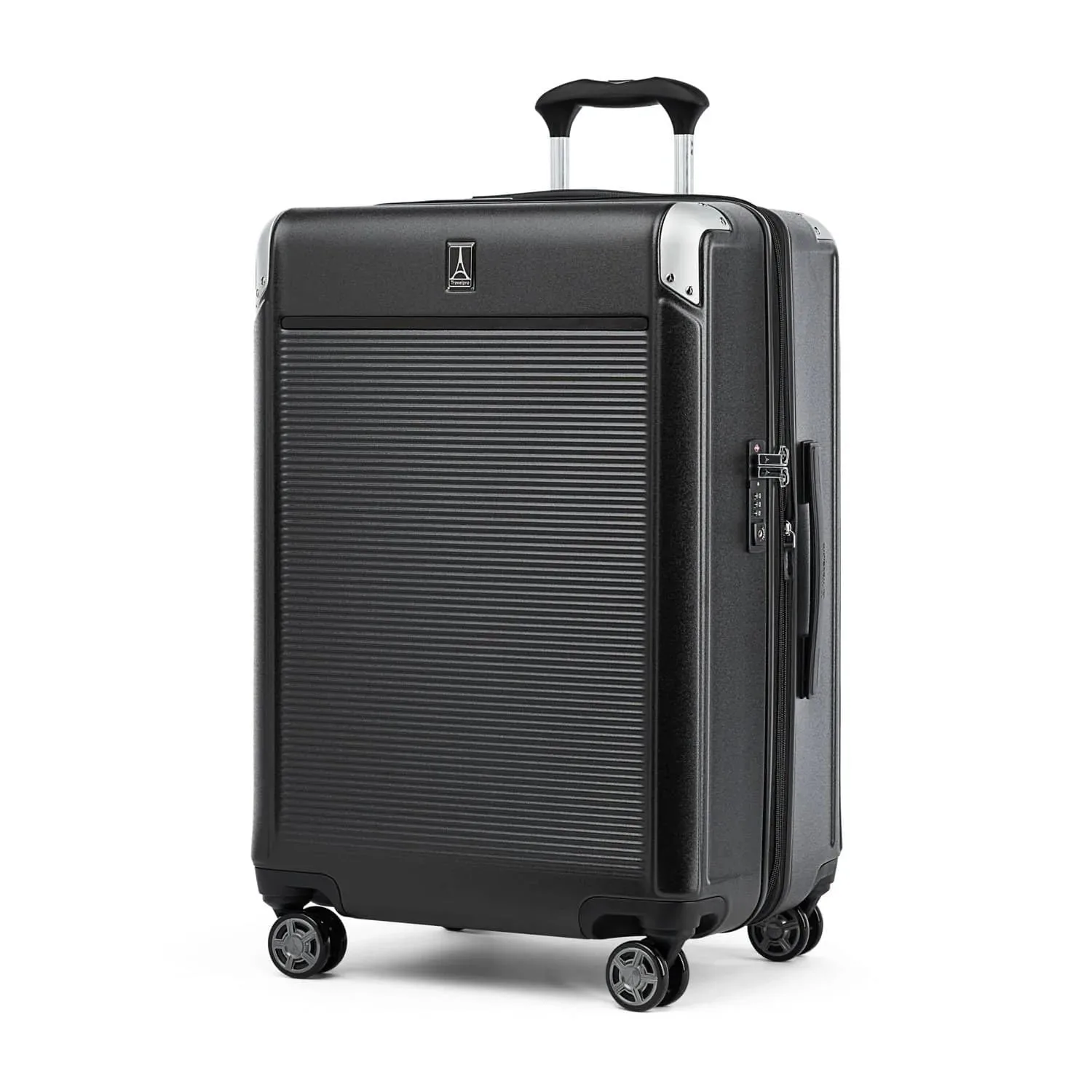
- Platinum® Elite Medium Check-In Expandable Hardside Spinner: The Platinum Elite Medium Check-In Expandable Hardside Spinner has a zippered 2-inch expansion option and is built for medium and longer trips. Measure this case with the expansion zipper closed, then confirm the cover has enough stretch to fit when you open the expansion on the return trip.
Who should buy a luggage cover
Best for
- Frequent flyers who check a hardside case and want to reduce scuffs and sticker residue
- Travelers with black or dark cases who want an easy-to-spot bag on the carousel
- Owners of expandable hardside cases who want protection without blocking the expansion zipper
Not for
- Carry-on-only travelers whose bag never leaves their sight
- Softside cases with exterior pockets that a stretch cover would block
- Anyone expecting a cover to prevent cracking or crushing of the shell