Quick answer
Put a suitcase protector on before you leave for the airport, not at the curb, so you can smooth out wrinkles and secure every strap. A luggage cover mainly guards against scratches, scuffs, and grime; it is not a substitute for a hard shell or a lock. If you check a bag often, a cover is cheap insurance for resale value and appearance.
Checked bags take a beating: conveyor belts, luggage carts, and overhead bins all leave their mark. A luggage cover is the simplest layer of defense, and it takes about a minute to install once you know the sequence.
This luggage cover guide walks through the practical steps, from choosing a size to drying and storing the cover between trips. It also covers the honest tradeoffs, because a cover adds bulk and can snag if you rush the install.
What a luggage cover actually protects against
A suitcase protector shields the exterior from scratches, scuffs, and the oily grime that accumulates on baggage belts and in cargo holds. That matters most for light-colored hardside shells and for softside bags with woven fabric that snags easily. It also makes your bag easier to spot on a crowded carousel.
Be realistic about limits. A cover will not prevent dents, cracked shells, or theft, and it does not replace a TSA-friendly lock. If your priority is impact protection, choose a hardside case first, then add a cover for cosmetic protection.
- Covers help most with appearance and resale value, not structural damage.
- Skip a cover if you carry on only and your bag rarely touches a belt.
Match the cover to your bag type and size
Measure your suitcase before buying: height, width, and depth including wheels and handles. Covers are usually sized by inches or by carry-on versus medium versus large, and a loose cover bunches while a tight one strains at the zipper. For expandable bags, measure in the expanded state if you often travel that way.
Material matters too. Stretch fabric covers are easy to pull on and off, while thicker neoprene-style covers resist abrasion better but take more space to store. Whichever you choose, confirm the cover has openings for the telescoping handle and any side carry handles.
- Measure with wheels and handles included, not just the shell.
- Check that handle openings line up before you commit.
Install the cover in the right order
Start with an empty or fully packed bag lying flat. Slide the cover over the top first, then work it down over the corners, and finally pull it over the wheels. This order keeps the fabric from twisting. If your cover has a bottom opening or strap, thread it around the wheel housing last so it sits flat.
Once it is on, smooth the fabric from the center outward and close every zipper or hook-and-loop closure. Give the bag a gentle shake; if the cover shifts more than an inch, it is too loose and will catch on conveyor edges.
- Common mistake: installing the cover while the bag stands upright, which leaves the bottom bunched.
- Checkpoint: the telescoping handle should extend and retract without pinching fabric.
Secure it for the flight and baggage handling
Before you hand the bag to the airline, tuck any loose straps and confirm the cover does not cover your ID tag or lock. If the cover has a bottom strap, route it under the wheel housing, not across the wheels, so it does not drag. A cover that flaps can catch on belts and tear.
At the gate, if you are asked to gate-check, take ten seconds to re-smooth the cover and re-secure the closure. Bags get tossed more during gate checks than during standard check-in, and a snug cover stays put.
- Keep your contact tag visible outside the cover.
- Do not cover a built-in TSA lock; security may need access.
Clean, dry, and store the cover between trips
Wipe the cover with a damp cloth after each trip, especially if you checked it, since cargo hold grime transfers to car seats and closets. For fabric covers, follow the care label; most can be hand washed in cool water and air dried. Never put a cover away damp, because mildew smells and weakens elastic.
Fold or roll the cover loosely and store it inside the suitcase it belongs to. That way it travels with the bag and you never hunt for it the night before a flight. If the elastic feels stretched or the seams are fraying, replace the cover rather than risk it snagging mid-trip.
- Air dry completely before folding.
- Store the cover inside its own suitcase so it is always with the bag.
Six-step luggage cover routine
- Measure the packed bag: Record height, width, and depth with wheels and handles included, and repeat the measurement with the bag expanded if you use expansion. Checkpoint: write the numbers down and compare them to the cover size chart before ordering.
- Lay the bag flat and slide the cover on top-first: Work the cover down over the corners, then over the wheels, keeping the fabric smooth as you go. Common mistake: pulling the cover up from the bottom, which twists the seams.
- Align handle and wheel openings: Extend the telescoping handle fully, confirm the side carry handles are accessible, and make sure the wheel openings sit clear of the casters. Checkpoint: the bag should roll freely without the cover dragging on the floor.
- Close every closure and smooth the fabric: Zip or press all closures, then smooth from the center outward so no folds can catch on conveyor edges. If the cover shifts more than an inch when you shake the bag, it is too loose.
- Confirm tags and locks stay accessible: Route the ID tag outside the cover and leave any built-in TSA lock uncovered so security can open the bag without cutting the cover. Checkpoint: do a final visual check before you join the check-in line.
- Clean, dry, and store with the suitcase: Wipe the cover after each trip, air dry it completely, and fold it inside the suitcase it belongs to. Replace the cover when elastic stretches or seams fray, before it snags in transit.
Bags that benefit most from a cover
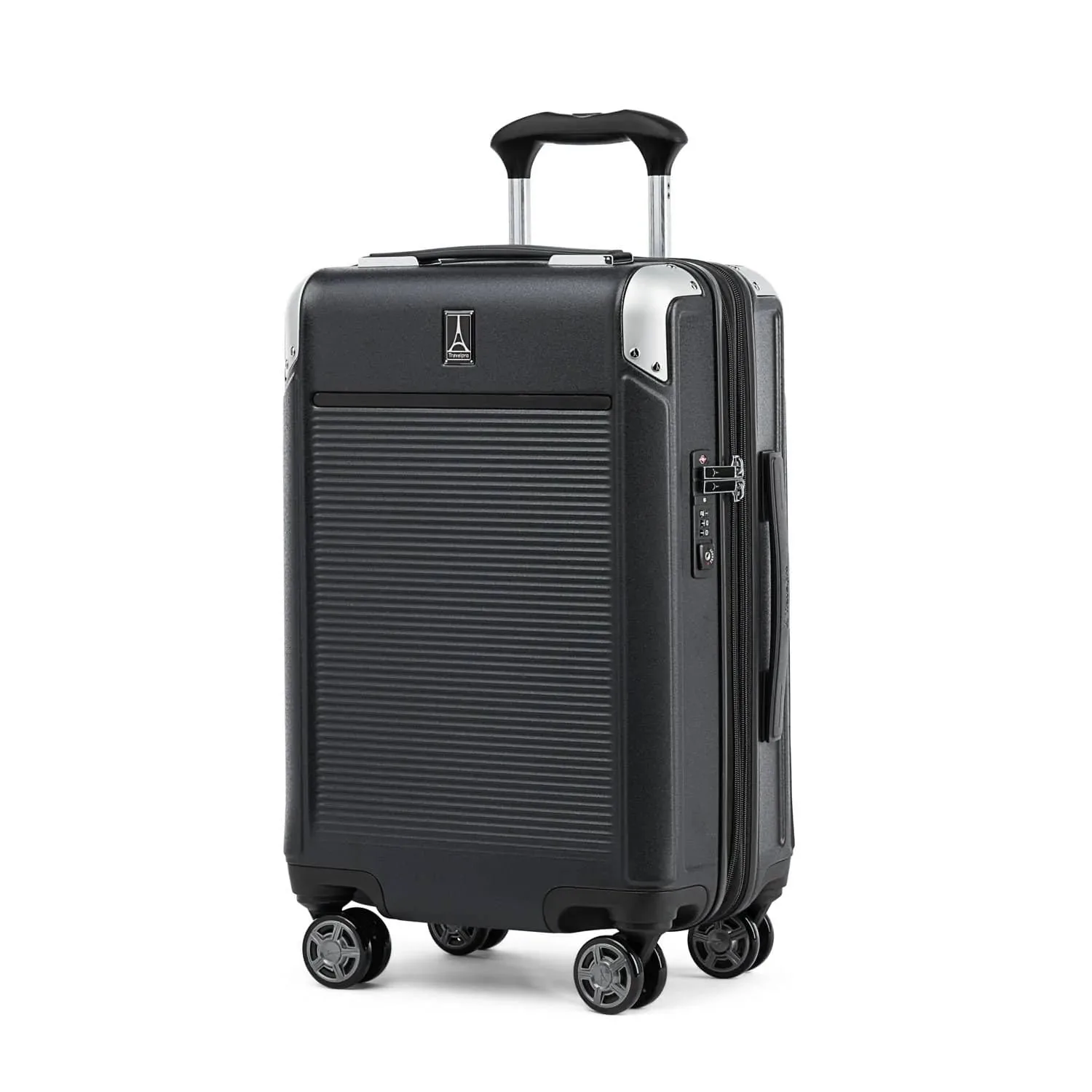
- Platinum® Elite Carry-On Expandable Hardside Spinner: Offers external USB A & C ports with fast-charge capabilities and a dedicated external-access battery pocket that provides FAA-compliant power access. A cover should leave the external battery pocket and ports reachable, so choose one with a side opening or remove the cover before charging at the gate.
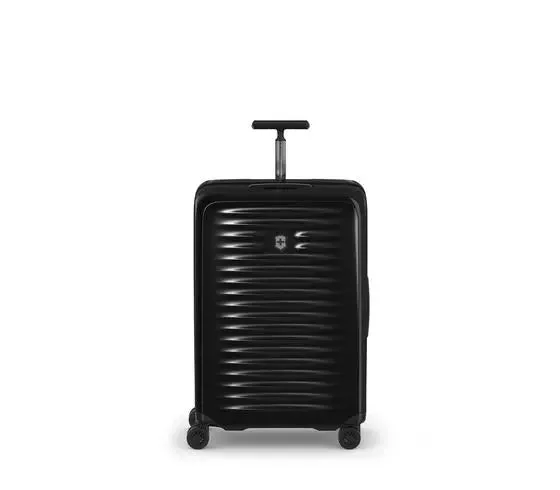
- Airox-Medium Hardside Case: Constructed from 100% pure virgin polycarbonate with 60 mm dual-caster wheels for 360° maneuverability. The light shell and large dual-caster wheels mean the cover must be sized generously enough to clear the wheel housings, or it will pull tight and interfere with rolling.
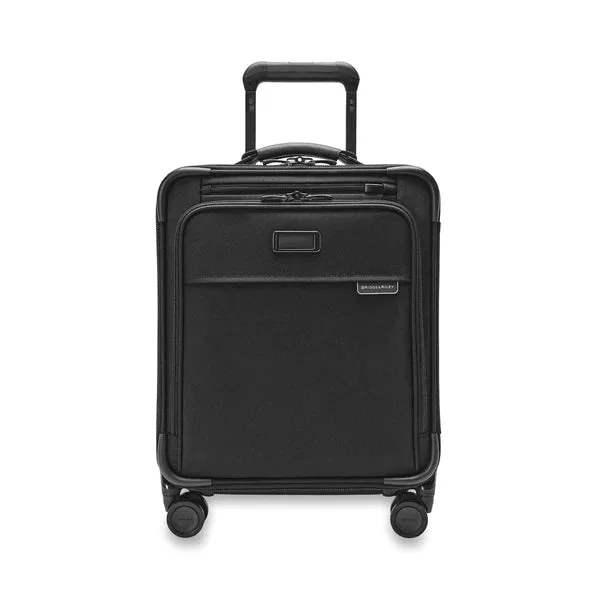
- COMPACT CARRY-ON SPINNER: One-touch CX expansion increases packing capacity when you need more space. If you expand this bag mid-trip, a cover sized only for the compressed state may not fit; measure in the expanded position if you use CX often.
A luggage cover is a small habit with a real payoff: fewer scratches, easier bag spotting, and better resale value. Measure carefully, install it flat, and store it with the suitcase so it is ready the next time you check a bag.