Quick answer
Choose a luggage cover if you want to protect your suitcase from scratches, scuffs, and dirt, especially on a new or light-colored hard shell. Choose luggage straps if your priority is keeping a full case closed, adding a visible identifier, or securing a bag that lacks a built-in TSA lock. Many travelers use both: a cover for surface protection and a strap for security and recognition.
A luggage cover and luggage straps solve two different problems. A cover wraps the outside of your suitcase to shield it from scuffs and grime. Straps wrap around the case to hold it shut and make it easier to identify on the baggage carousel. Knowing which problem you actually have saves you money and hassle.
This comparison looks at what each accessory does, where each one falls short, and how to decide based on your suitcase, your trip, and how much you care about keeping your bag looking new. The right answer often depends on whether you are protecting a finish or preventing a pop-open.
What a luggage cover actually does
A luggage cover is a fitted fabric sleeve that slides over your suitcase. It takes the abuse of conveyor belts, luggage carts, and overhead bins so the shell underneath does not have to. If you own a light-colored or glossy hard case, a cover is the simplest way to keep it looking presentable trip after trip. It also adds a layer of water resistance and makes your bag stand out if you choose a bright color.
The trade-off is fit. Covers are sized to specific case dimensions, and a loose cover can snag or tear. A cover also hides the suitcase's own color and any built-in features like handles or wheels, and you have to remove it to access a front pocket or to clean the case itself. It is protection, not security.
- Measure your suitcase's height, width, and depth before buying a cover.
- Remove the cover before checking a bag if the airline needs to inspect the shell.
- A cover will not stop a zipper from bursting or a latch from opening.
What luggage straps actually do
Luggage straps run around the outside of your suitcase, usually horizontally and sometimes vertically, to keep the two halves closed. This matters most on soft-sided cases or any bag packed tight enough that the zipper is under strain. A strap also gives you a grab point and a place to clip a luggage tag, and a bright strap makes your black bag easier to spot.
Straps do not protect against scratches, and they can get caught in conveyor belts if they are loose or dangling. They also add a step every time you open the case. If your suitcase already has a reliable lock and you are not worried about it popping open, a strap is optional rather than essential.
- Choose a strap with a quick-release buckle so you can remove it at security.
- Tuck excess strap length away so it does not catch on machinery.
- A strap is not a substitute for a TSA-approved lock.
How to choose based on your suitcase
If you have a hard-shell case with a polypropylene or polycarbonate finish, a cover makes sense because the shell is the part that shows wear. The Medium Luggage in Marsh Blue - Single Stripe, for example, uses a durable polypropylene shell and comes in bold colors, so a cover protects that finish while a strap adds a second layer of closure. For a soft-sided case, straps matter more because the fabric and zipper are the weak points.
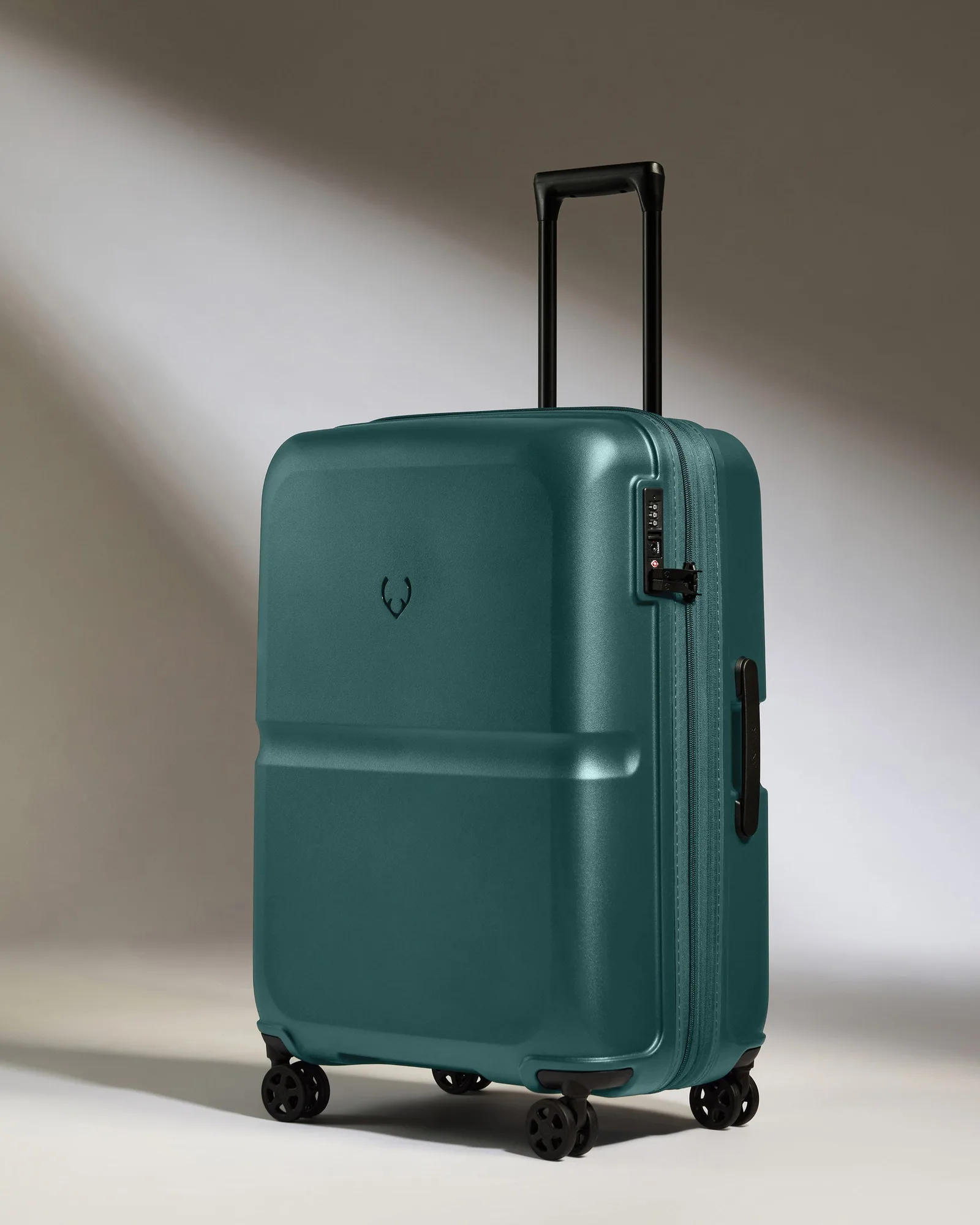
Medium Luggage in Marsh Blue - Single Stripe
If your case has a front-access opening, such as the Dual Opening Carry-On Luggage in Taupe - Icon Stripe, a cover can block the front panel you paid for. In that case, skip the cover or choose one designed to leave the front accessible, and use a strap only if the closure feels loose. Match the accessory to the feature you actually use.
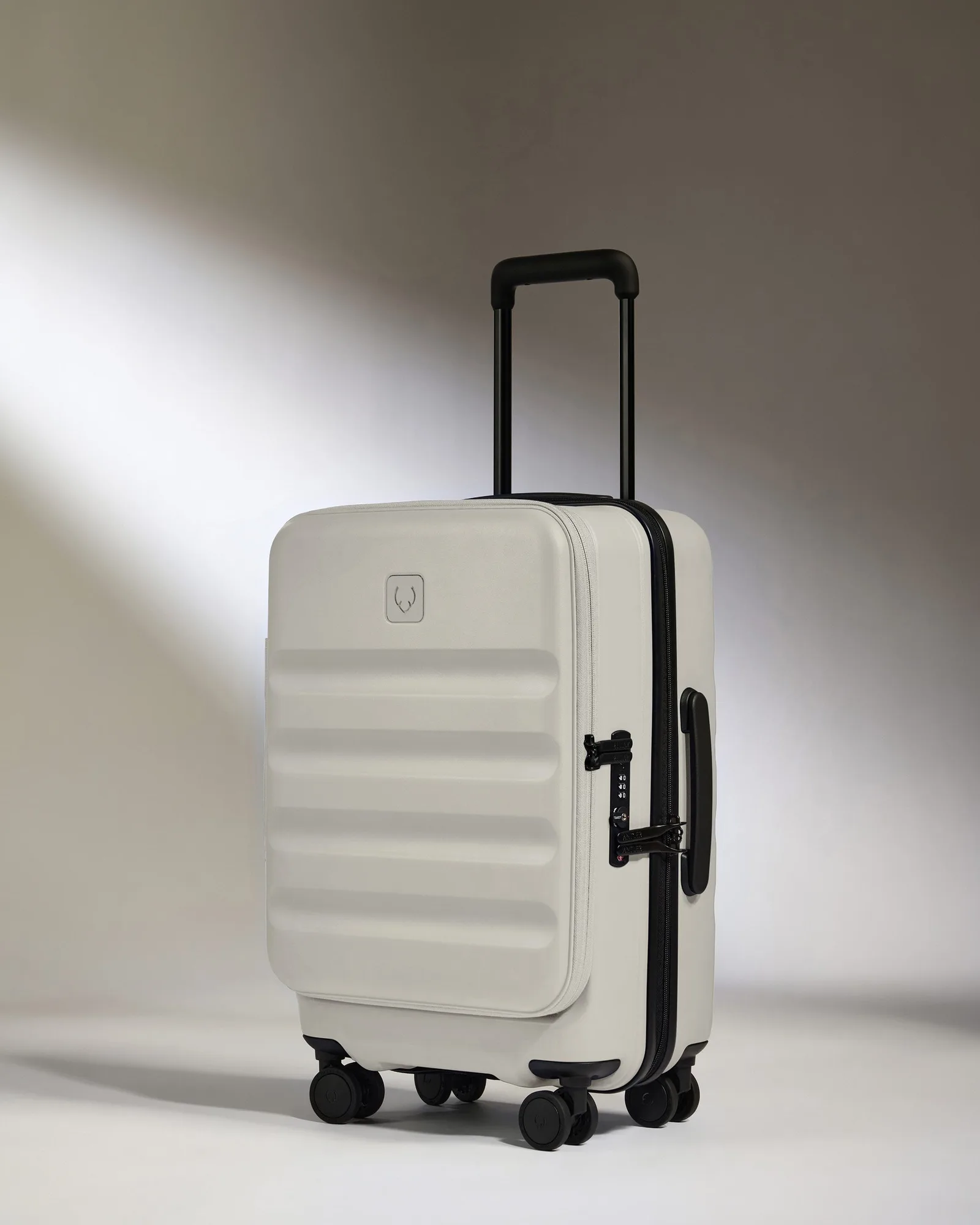
Dual Opening Carry-On Luggage in Taupe - Icon Stripe
- Hard shell + light color = cover first.
- Soft shell + overpacked = straps first.
- Front-access case = check cover compatibility before buying.
How to choose based on your trip
For a checked bag on a long-haul flight, a cover earns its keep because your suitcase will be handled many times. For a carry-on that stays with you, a cover adds bulk and weight for little benefit. Straps help most when you are checking a bag that is packed full and you want reassurance that it will arrive closed.
If you travel with a single bag and want to keep it light, pick one accessory. If you check bags often and care about resale value or appearance, use both. Neither accessory replaces a luggage tag with your contact details, and neither prevents theft.
- Carry-on only: skip the cover, consider a strap for identification.
- Checked bag: cover for protection, strap for closure.
- Always add a luggage tag regardless of which you choose.
Trade-offs at a glance
- Protection vs. access: A luggage cover shields the shell from scuffs but hides the case's finish and can block front-access panels. Straps leave the shell exposed but keep every pocket reachable. If you use a front-access case, prioritize access and skip the full cover.
- Security vs. surface care: Straps add a second closure and a visible identifier but do not stop scratches. Covers protect the surface but do nothing to keep a zipper closed. Decide whether your risk is a damaged finish or an open bag.
- Weight and bulk vs. peace of mind: Both accessories add a small amount of weight and one more thing to manage at security. A cover is bulkier to pack when not in use; a strap folds flat. For carry-on-only travel, a strap is the lighter choice.
Products that pair with each accessory
- Medium Luggage in Marsh Blue - Single Stripe: Made with a durable polypropylene shell, Single Stripe protects your belongings while staying light and easy to handle. A polypropylene shell resists impact but can still scuff, so a luggage cover helps preserve the finish on a checked bag.
- Dual Opening Carry-On Luggage in Taupe - Icon Stripe: Combines the familiarity of a traditional clamshell suitcase with the convenience of front-opening access. A full cover can block the front-access panel, so choose a cover that leaves the front clear or rely on straps instead.
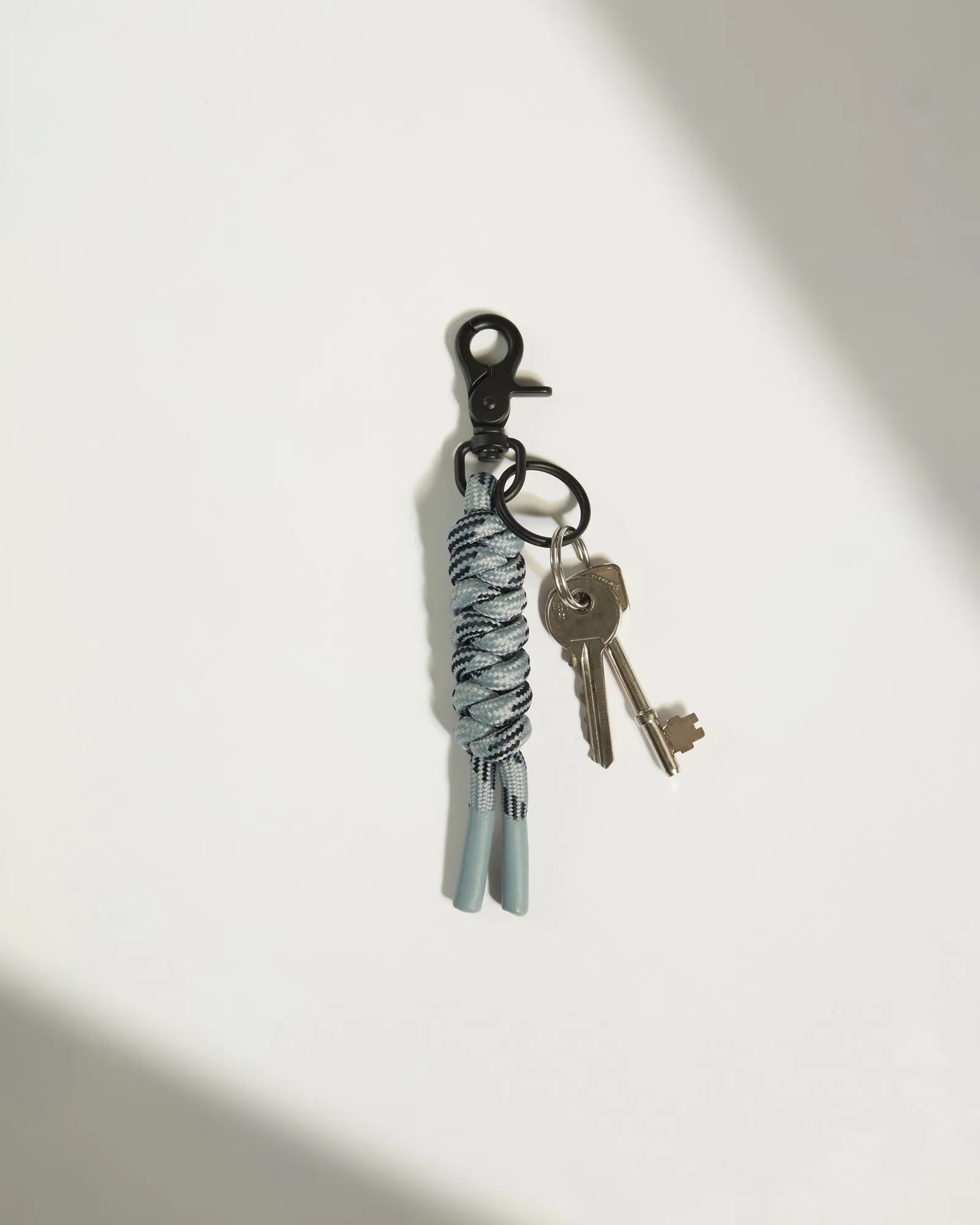
- Discovery Keyring in Mist Blue: Keeps keys and essentials secure and within reach, whether clipped to your bag, bottle holder, or belt loop. A small clip like this keeps a luggage strap or tag from dangling loose, which reduces snag risk on conveyor belts.
Which one should you buy?
Best for
- Travelers checking a light-colored or glossy hard-shell suitcase who want to protect the finish
- Anyone whose soft-sided or overpacked case needs extra closure security
- Frequent flyers who want a visible identifier on a black or navy bag
Not for
- Carry-on-only travelers who want to keep weight and bulk to a minimum
- Owners of front-access cases who need the front panel unobstructed
- Anyone expecting either accessory to prevent theft or replace a TSA lock
A luggage cover and luggage straps are not competing products so much as different tools. Match the accessory to the problem you actually have, and if you check bags often, using both is a reasonable and lightweight way to protect your suitcase and keep it closed.