Quick answer
Empty the suitcase completely, spot-clean the fabric with mild soap and a soft cloth, and let it air-dry fully before storing. Keep it in a cool, dry place with a little breathing room, not a sealed plastic bag. A quick wipe-down after every trip is the simplest suitcase maintenance habit you can build.
A suitcase that sits dirty and damp between trips comes back with smells, stiff zippers, and stains that set in. The fix is not complicated: a short cleaning routine after each trip, plus smarter storage. This luggage cleaning guide walks through the order that works, from emptying the bag to putting it away for the season.
The steps below apply to soft luggage and most travel bags. Fabric type and hardware vary by model, so when a material or finish is not specified, treat it gently and test any cleaner on a hidden spot first. If you are unsure about a specific bag, check the care label or the product page before scrubbing.
Start by emptying and inspecting the bag
Unzip every compartment, shake out crumbs and sand, and remove anything left from the last trip, including receipts, boarding passes, and loose coins. Check the pockets you forgot about, then look over the zippers, seams, wheels, and handles for damage while the bag is empty and easy to handle. This is also the moment to notice stains, because they are easier to treat before they dry deeper into the fabric.
A common mistake is cleaning around the contents instead of fully emptying the bag. Debris trapped in corners turns into grit that wears on the lining, and a damp snack or toiletry leak can sit unnoticed for months. Take five minutes now and the rest of the process gets easier.
- Turn the bag upside down over a bin to shake out loose grit.
- Check the laptop sleeve and front organizer pockets, which collect paper and small items.
Clean the fabric without soaking it
Mix a little mild soap with lukewarm water, dip a soft cloth, and wring it out until it is barely damp. Wipe the exterior in sections, working from the top down, and use a soft brush only on stubborn spots. For water-repellent fabrics, avoid scrubbing hard, because abrasion is what dulls the finish over time. Rinse the cloth often so you are lifting dirt rather than spreading it.
Do not machine-wash or submerge a structured suitcase, and never put it in a dryer. Heat can warp panels, soften coatings, and damage zipper tape. If a stain will not lift with gentle soap, stop rather than reaching for a strong solvent, and consider a professional cleaner for the bag.
- Test your soap solution on a hidden area first, especially on dark or coated fabrics.
- Use a cotton swab for crevices around zippers and handle mounts.
Handle wheels, handles, and zippers separately
Wheels pick up hair, grit, and pavement grime, so wipe them with a damp cloth and pick out wrapped fibers with a toothpick or tweezers. Spin them by hand to confirm they turn freely. Wipe the telescopic handle and carry handles with the same mild solution, then dry them immediately so no moisture sits in the joints. For zippers, brush out dust and run the slider along the track a few times; if it drags, a purpose-made zipper lubricant or a light touch of wax on the teeth helps.
The frequent mistake here is ignoring the hardware until it fails. A wheel packed with hair eventually stops rolling smoothly, and a gritty zipper is more likely to snag or split. Two minutes on the hardware protects the parts that are hardest to replace.
- Never lubricate zippers with cooking oil, which attracts dirt and can stain fabric.
- Check the integrated lock and any TSA mechanism for grit before storage.
Dry the suitcase completely before storing it
Leave the bag open in a shaded, ventilated spot until the lining and exterior are fully dry, which can take a day or more in humid conditions. Direct sun can fade colors and stress coatings, so keep it out of strong sunlight. If the interior smells musty, air it longer and place a small open container of baking soda inside for a day, then remove it before packing the bag away.
Storing a suitcase while it is still damp is the single most common cause of mildew and lingering odor. If you can feel any coolness or dampness on the lining, it is not dry yet. Patience here saves you from having to deep-clean the bag again later.
- Prop the bag open with a hanger or a rolled towel so air moves inside.
- Wipe down the exterior once more after drying to catch any water spots.
Store luggage so it keeps its shape
Keep bags in a cool, dry, dark place such as a closet shelf or under a bed, away from damp basements and hot attics. Soft luggage stores best when it is not crushed: lay it flat or stand it upright with a little room around it, and avoid stacking heavy items on top. If you nest smaller bags inside a larger one, keep the load light so zippers and panels are not under constant pressure.
Skip sealed plastic bags, which trap any remaining moisture and can cause odors. A breathable cotton pillowcase or a dedicated storage bag is a better cover against dust. For long-term storage, loosen the straps and leave zippers partly open so air can circulate, and check the bag once a season for dampness or pests.
- Add a moisture absorber nearby in humid climates, but do not let it touch the fabric.
- Store the bag clean, not dirty, so stains do not set over the off-season.
Your suitcase care routine, step by step
- Empty and inspect: Remove everything from every compartment, shake out debris, and check zippers, seams, wheels, and handles for damage. Checkpoint: if you find a broken zipper or cracked wheel, address it before cleaning so you do not make it worse.
- Spot-clean the fabric: Wipe with a barely damp cloth and mild soap, working top to bottom. Test on a hidden area first and avoid soaking the bag. Mistake to avoid: machine washing or submerging a structured suitcase, which can warp panels and damage coatings.
- Clean wheels and hardware: Remove hair and grit from wheels, wipe handles, and clear dust from zipper teeth. Spin the wheels to confirm they move freely. Checkpoint: if a wheel still drags after cleaning, have it serviced rather than forcing it.
- Air-dry fully: Leave the bag open in a shaded, ventilated spot until the lining and exterior are completely dry, inside and out. Mistake to avoid: storing a damp bag, which leads to mildew and odor.
- Store with breathing room: Keep the bag in a cool, dry, dark place, loosely covered with a breathable material, and avoid stacking heavy items on it. Next step: check stored bags once a season for dampness and re-air them if needed.
Features that make cleaning and storage easier
- TRANSIT'R 4 L + BLACK: Water repellant fabric with protective skids and aluminum tubes. A water-repellent finish makes spills easier to wipe off, and protective skids keep the base off dirty floors so there is less grit to clean after a trip.
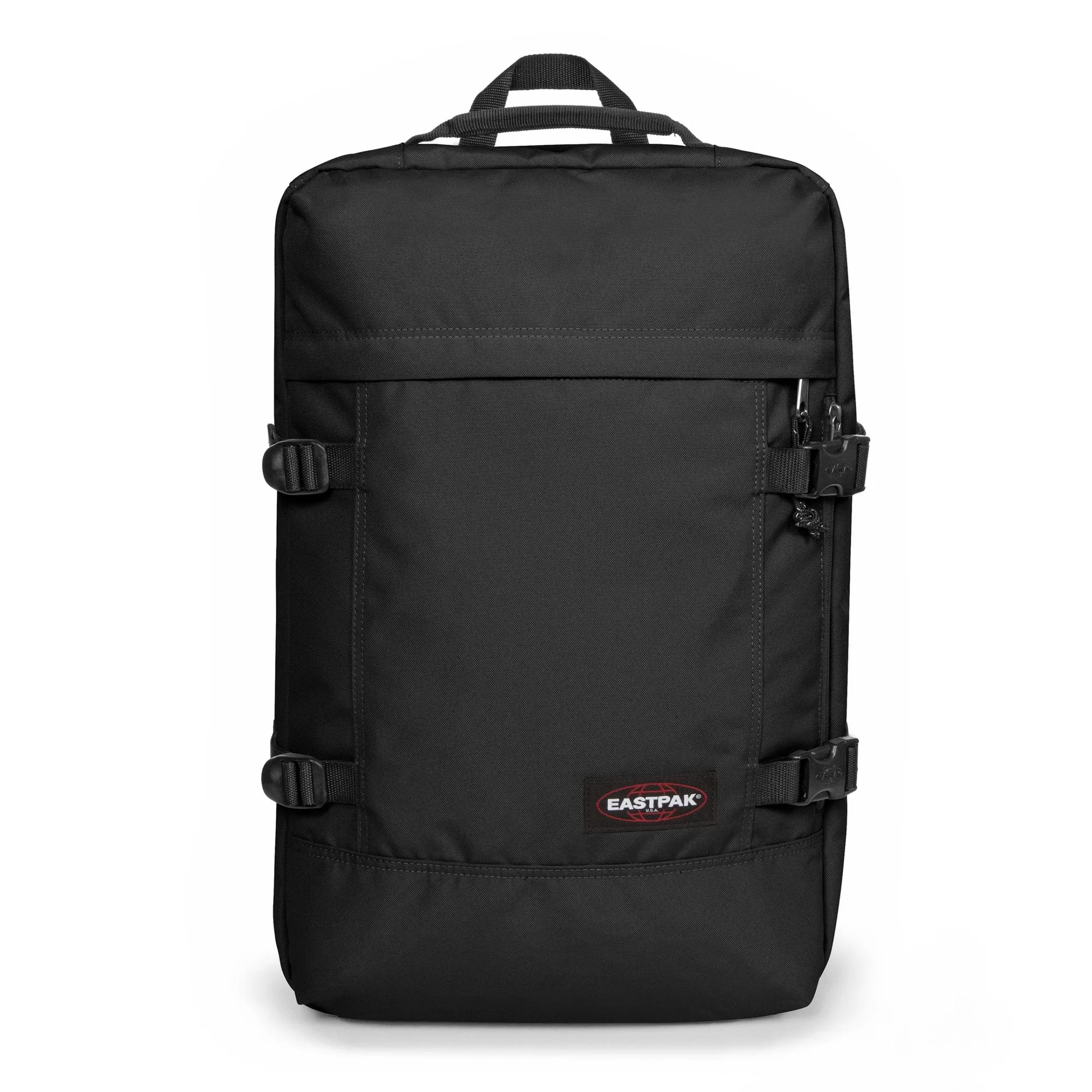
- TRAVELPACK BLACK: Carry handles and adjustable padded shoulder straps, plus a 17" laptop sleeve and bottle holder. Multiple carry options and compartments mean more surfaces to check when you empty and clean the bag, but also more places where crumbs and leaks can hide if you skip the routine.
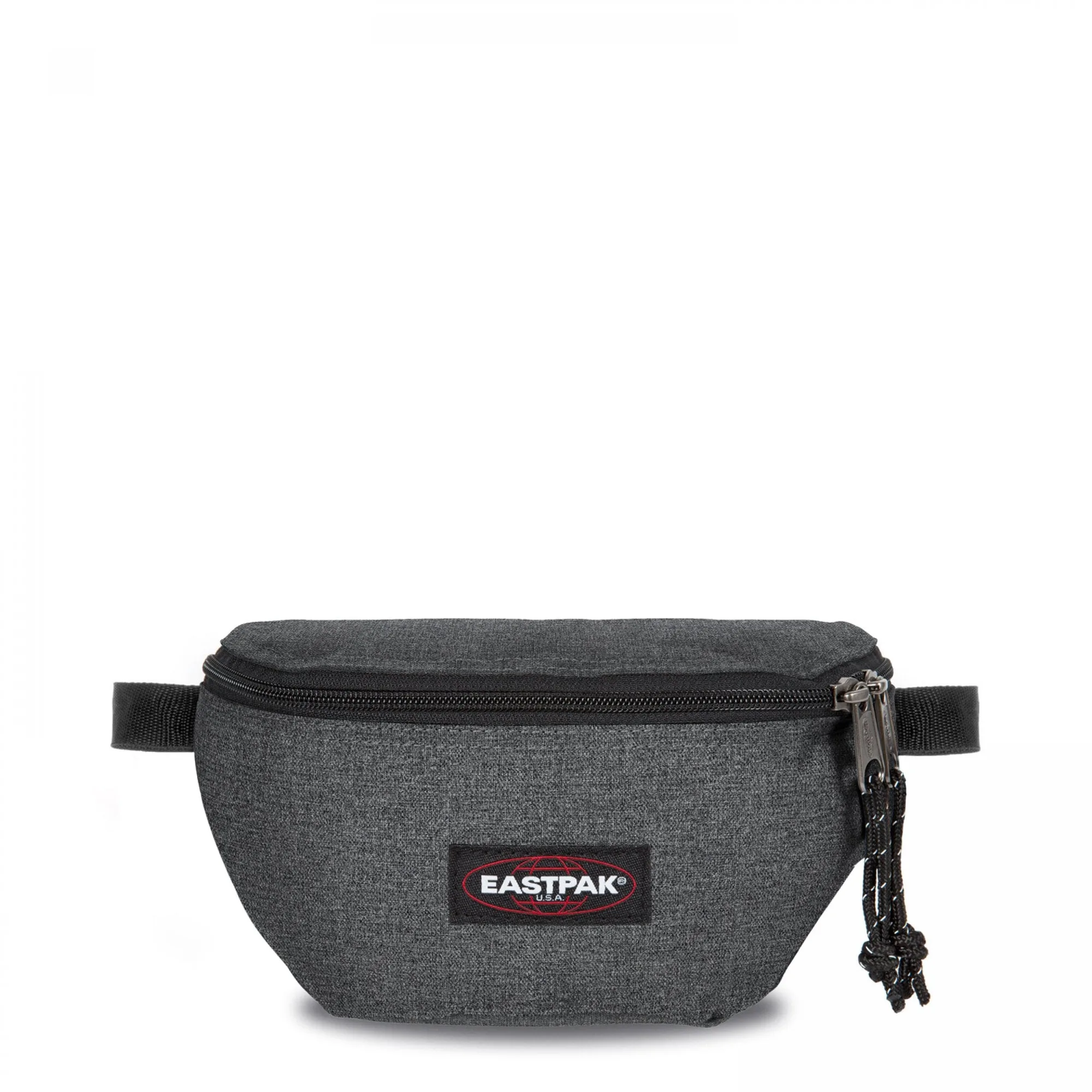
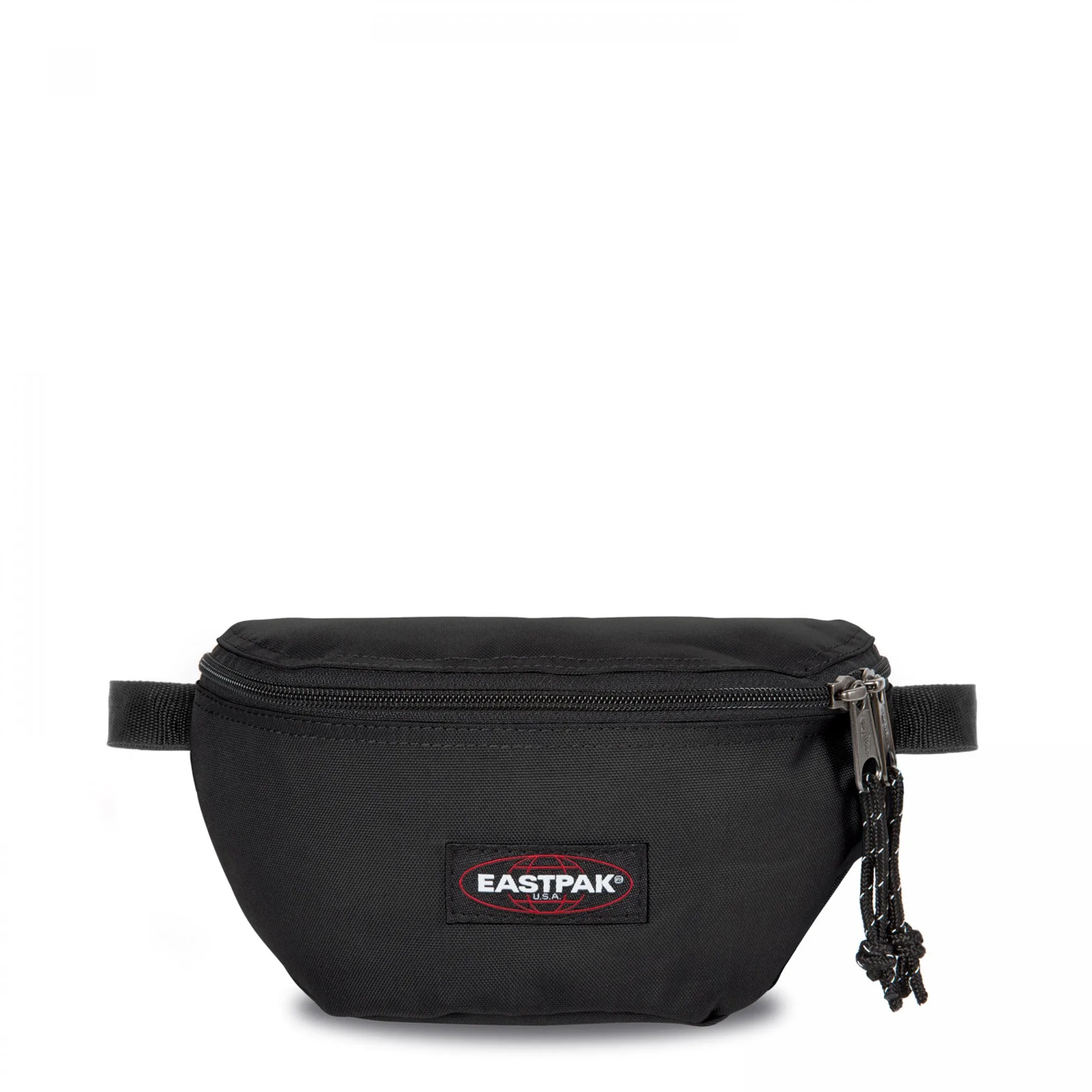
- https://eastpakex.com/products/springer-black-denim-6afea4b296dec2ad6439bc7a-1384170SPRINGER BLACK DENIM: Water repellent material with a zippered main compartment and drawcord pullers. The water-repellent finish and simple compartment layout make this waistpack quick to wipe down and easy to store flat inside a larger bag.
Cleaning and storing your suitcase takes less time than repairing or replacing it. Build the habit after every trip, and your bag will be ready to pack the next time you are.