Quick answer
Most wheel and handle failures fall into three buckets: debris or a loose screw, a worn-out replaceable part, or structural damage to the bag itself. Start with the simplest fix—clean the wheel housing and tighten any accessible screws. If the part is visibly cracked or the handle won't lock, order a replacement kit and install it at home. If the frame is bent or the shell is cracked, stop and contact the manufacturer or a repair shop.
A wheel that suddenly stops rolling or a handle that won't extend can derail a trip. The good news: many failures are predictable, and some are fixable in under 20 minutes with basic tools.
This guide walks through the most common luggage breakdowns, what causes them, and how to decide whether to repair, replace parts, or retire the bag. We'll also cover which spare parts are worth keeping on hand.
Wheel problems: symptom, cause, and fix
If a wheel drags, squeaks, or refuses to spin, first check for hair, carpet fibers, or gravel wrapped around the axle. That debris is the most common cause of a suddenly stiff wheel. Remove the wheel if your model allows it, clear the obstruction, and test the spin. If the wheel still wobbles, the bearing or the wheel itself may be worn. Replacement wheel kits typically include new wheels, screws, and an Allen wrench for at-home installation.
A cracked wheel housing or a wheel that has completely separated from the bag usually means the plastic has fatigued. In that case, a replacement kit is the right move—provided the mounting point on the suitcase is intact. If the housing is torn or the frame is bent, a new wheel won't seat properly, and you should stop before wasting money on parts.
- Clean the wheel housing with a damp cloth and remove visible debris before assuming the worst.
- Check that the wheel spins freely when the bag is empty—if it catches, the bearing may be failing.
- Order a replacement kit only if the mounting area is undamaged and the screws can be fully tightened.
Handle issues: when to tighten and when to replace
A telescoping handle that sticks or won't lock often has a simple cause: a bent tube, a loose screw inside the housing, or debris in the track. Extend the handle fully and inspect the tubes for dents. If you see a slight bend, you may be able to straighten it gently by hand—but stop if you feel resistance, as forcing it can crack the plastic. Loose screws at the base of the handle can be tightened with a screwdriver; if the screws spin freely, the threads are stripped and the handle assembly likely needs replacement.
If the handle releases on its own or collapses under weight, the locking mechanism is worn. That's a sign the internal spring or catch has failed, and it's not a DIY fix on most bags. Contact the manufacturer for a repair or replacement handle. For softside bags, a local luggage repair shop can sometimes swap the entire handle assembly for less than the cost of a new bag.
- Never force a stuck handle—apply gentle pressure and check for obstructions first.
- If the handle wobbles but still locks, tighten the external screws before assuming it's broken.
- A handle that won't stay up is a safety issue; stop using it and seek a professional repair.
Zipper troubles: temporary fixes and permanent solutions
A zipper that splits behind the slider or skips teeth can sometimes be fixed by running the slider back and forth with gentle pressure. If the slider feels loose, use pliers to squeeze it slightly—but be careful, as over-tightening will crack the metal. For a zipper that won't close at all, the slider may be worn; replacement sliders are available, but installing one requires sewing skills or a trip to a repair shop. If the zipper tape is torn or teeth are missing, the zipper needs full replacement, which is a job for a professional.
Lubricating a sticky zipper with a wax candle or silicone spray can extend its life. Avoid oil-based lubricants, which attract dirt. If the zipper pull breaks off but the slider is intact, you can attach a small key ring or cord as a temporary pull. That's a stopgap, not a fix—order a replacement pull or slider if the bag is otherwise in good shape.
- Test the zipper with the bag empty to isolate whether the issue is the slider or the teeth.
- A zipper that splits behind the slider often means the slider is worn and needs replacement.
- Torn zipper tape or missing teeth require professional replacement—don't attempt a DIY fix.
Spare parts worth keeping (and when to skip them)
Not every part is worth replacing. Wheels, handles, and zipper pulls are common failure points and often available as spare parts. If your bag is under warranty, check with the manufacturer first—many brands offer free or low-cost replacements. For older bags, compare the cost of parts and your time against the price of a new bag. A $30 wheel kit makes sense on a $300 suitcase; it rarely makes sense on a $60 bag with a cracked frame.
When you do buy parts, match the model and size exactly. Wheel kits are often model-specific, and a handle from a different size won't fit. Keep the screws and small hardware in a labeled bag so you don't lose them. If you're unsure which part you need, take a photo of the damaged area and contact customer support before ordering.
- Check your warranty before buying parts—many cover wheels and handles for a set period.
- Buy only from the original manufacturer or a trusted repair shop to ensure compatibility.
- If the frame or shell is cracked, replacement parts won't solve the underlying structural failure.
Diagnosis: symptom, cause, action, and stop point
- Wheel drags or won't spin: Likely cause: debris wrapped around the axle or a worn bearing. Action: remove debris and test spin; if still stiff, replace the wheel with a kit like the https://awaytravelenm.com/products/custom-checked-wheel-set-coast-blue-13e8cfd261b44b942764a712-1800675Custom Checked Wheel Set in. Stop if the wheel housing is cracked or the frame is bent—replacement wheels won't seat properly.
- Handle won't extend or lock: Likely cause: bent tube, loose screws, or a worn locking mechanism. Action: tighten accessible screws and check for obstructions; if the handle still won't lock, seek a professional repair or replacement handle. Stop if the handle collapses under weight—it's a safety risk and not a DIY fix on most bags.
- Zipper splits or won't close: Likely cause: worn slider or damaged teeth. Action: try squeezing the slider gently or replace the slider if the teeth are intact; lubricate with wax. Stop if the zipper tape is torn or teeth are missing—full replacement requires a professional.
Parts and accessories that make repairs easier
- Custom Checked Wheel Set in: The Custom Wheel Kit keeps you rolling towards what's next. This kit lets you switch things up with a new set of smooth 360 wheels. Each kit includes replacement wheels, matching screws, and an Allen wrench for at-home installation. If your checked bag's wheels are worn or damaged, this kit provides everything you need to replace them yourself, saving a trip to a repair shop.
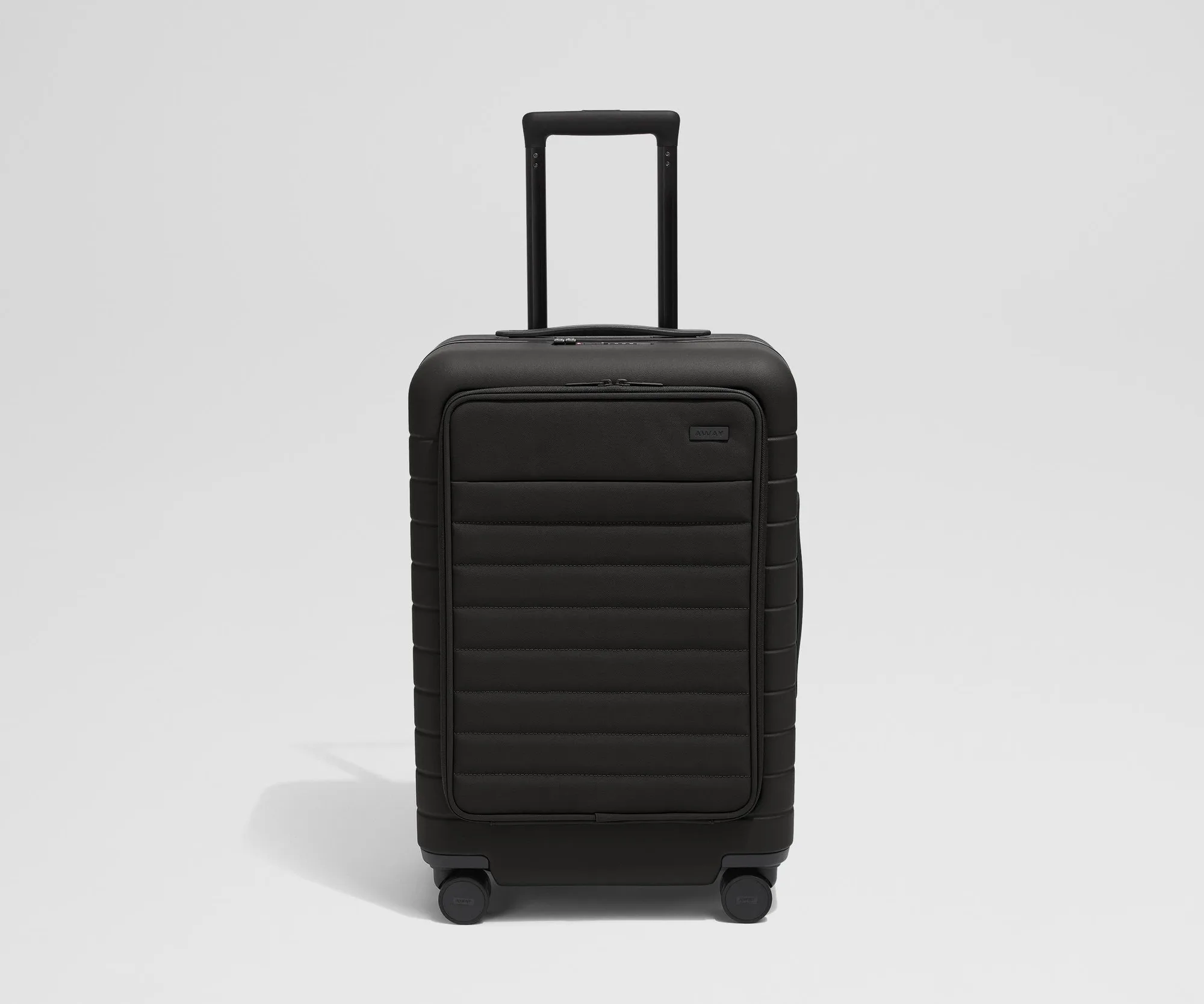
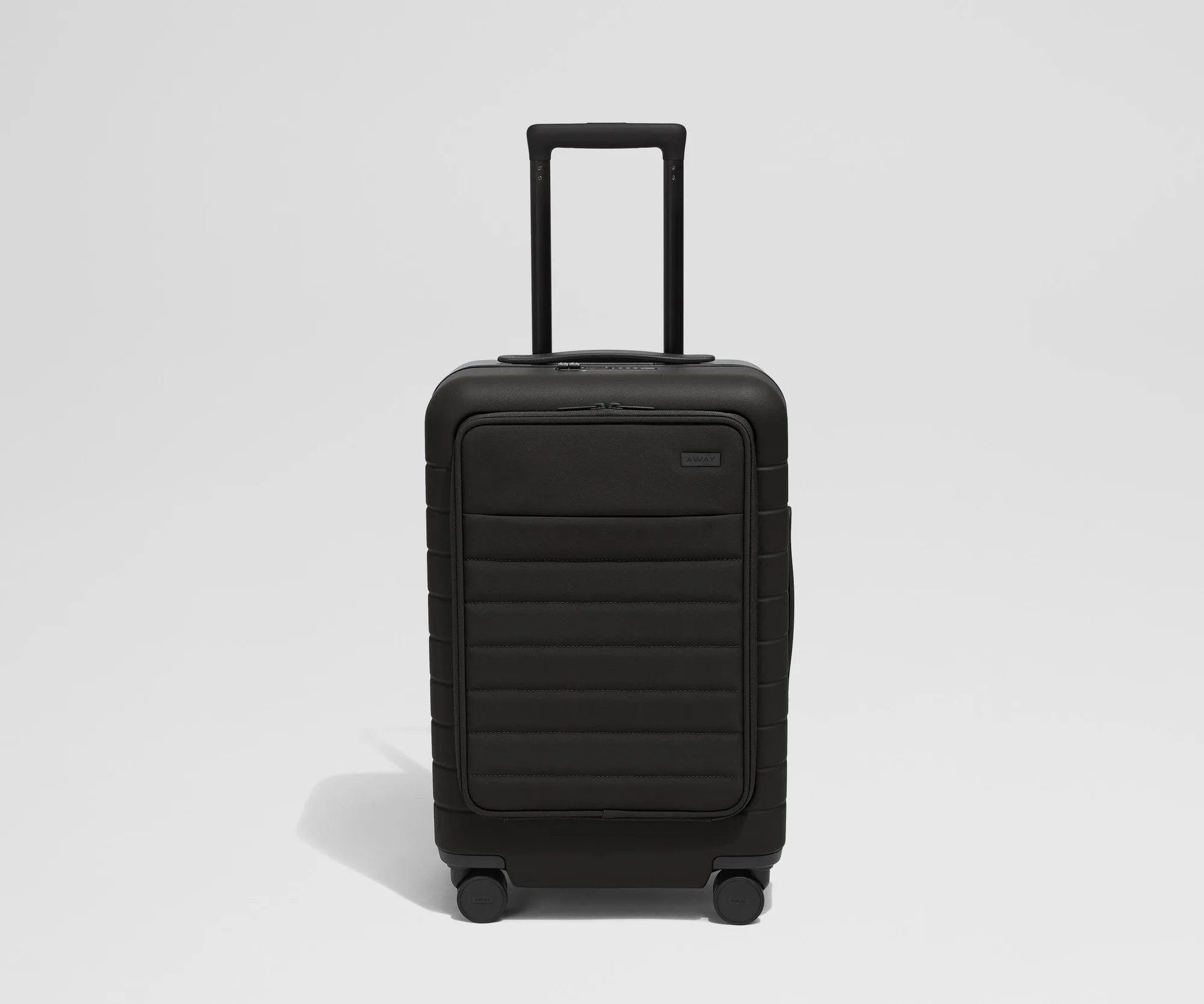
- The Executive Bigger Carry-On: The Executive Carry-On is perfect for business trips and daily commutes, seamlessly blending sleek design with on-the-go functionality. Offering the best of both worlds, this carry-on allows easy access to your tech and essentials with a spacious front pocket, featuring dedicated sleeves for a 14" laptop, phone, passport, and more. If your current carry-on's handle or wheels are beyond repair, this model offers a durable alternative with quick-access features for frequent flyers.
Most luggage breakdowns are manageable if you diagnose the symptom before buying parts. Clean and tighten first, replace only the failed component, and know when structural damage means it's time for a new bag. With the right spare parts and a little patience, you can keep your luggage rolling for years.