Quick answer
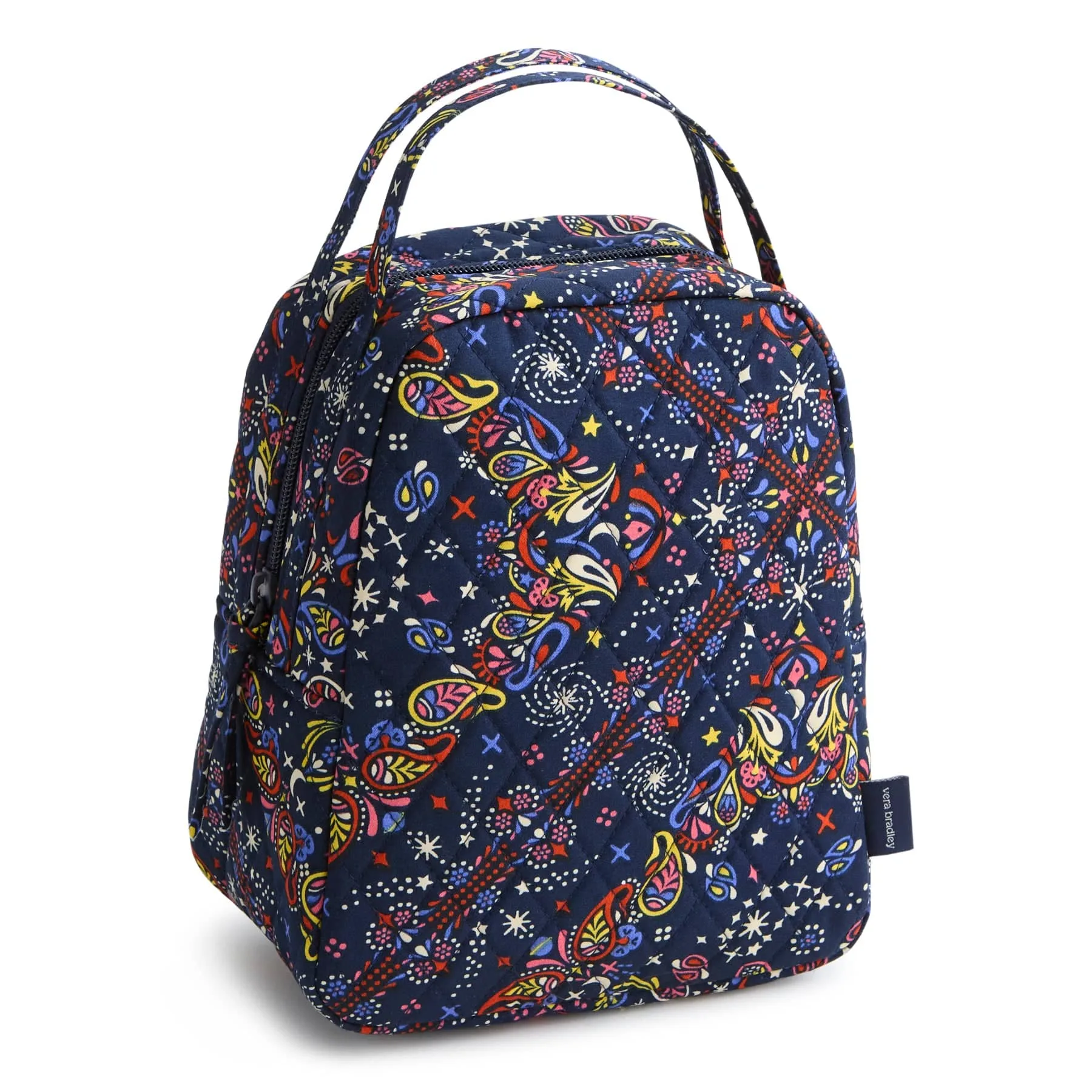
Empty and wipe your insulated https://verabradleyoutletex.com/products/lunch-bag-5093320180-277638cd24703936f12afd1d-1640954https://verabradleyoutletex.com/products/lunch-bag-5050822510-e66e74017774437a5c30a21b-1640955https://verabradleyoutletex.com/products/lunch-bag-5050922962-33855960ece97c0b62949526-1641007https://verabradleyoutletex.com/products/lunch-bag-5093220082-f0e29fde208331604e5f4d87-1641014lunch bag every day, wash it by hand with mild soap and warm water once a week, and dry it completely with the lid open before storing. Skip the dishwasher and washing machine, because heat and agitation break down the lining and insulation that keep food cold. If you spot mildew or a lingering sour smell, treat it the same day rather than masking it with sprays.
Why the lining and insulation need different care
The inside lining of an insulated lunch bag is usually a wipeable, water-resistant material, while the insulation layer sits between that lining and the outer fabric. Soap and water are safe on the lining, but soaking the whole bag can push moisture into the insulation, where it dries slowly and becomes a mildew risk. That is why hand washing and thorough air drying matter more than scrubbing hard.
Heat is the other enemy. Hot water, a dishwasher cycle, or a hot car can warp the lining and flatten the insulation, and once insulation loses its loft it no longer holds cold air the way it did when new. Treat the bag like a cooler, not like a cotton tote.
Daily habits that prevent most odor problems
Most lunch bag odor removal starts before any smell appears. Crumbs, fruit juice, and condensation from a cold pack are what feed odor and mildew, so the goal is to get them out of the bag fast. A thirty-second routine after lunch prevents the deep clean you would otherwise need on the weekend.
Leave the bag open to air out at home or at your desk instead of zipping it closed with a used container inside. If you carry a reusable ice pack, dry it before it goes back in, since a wet pack keeps the interior humid all day.
- Remove all food containers and wrappers as soon as you get home.
- Wipe the lining with a damp cloth and mild soap if anything leaked.
- Dry the ice pack and the bag's interior before closing it.
- Store the bag unzipped or with the lid propped open overnight.
How to deep clean without ruining the insulation
Once a week, or immediately after a leak, wash the bag by hand. Use warm, not hot, water with a few drops of mild dish soap and a soft cloth or sponge. Pay attention to seams, corners, and the inside of the lid, because that is where spills pool and where mildew starts first.
Rinse by wiping with a clean damp cloth rather than running the bag under the tap. If the bag has a removable liner, check the care label before you take it out, and never put a bag with attached insulation in the washing machine. When in doubt about a specific material, test a small hidden area first.
Drying is the step most people rush
A damp lunch bag will smell within a day, no matter how well you cleaned it. After washing, open the bag fully and let it air dry in a spot with good airflow, ideally overnight. Do not dry it in direct sun or with a hair dryer, because heat can damage the lining and the insulation.
Turn the bag inside out only if the design allows it without stressing the zipper. If the interior still feels cool or clammy to the touch, it is not dry yet, even if the outside looks fine.
Fixing mildew and stubborn smells
For light mildew, wipe the affected area with a cloth dampened with equal parts white vinegar and water, then wipe again with plain water and dry completely. For a stubborn smell, sprinkle baking soda inside, leave it overnight, and vacuum or wipe it out the next morning. These are odor removal steps, not disinfecting steps, so if mildew has spread into seams or the insulation, replace the bag rather than keep using it near food.
Never store a lunch bag with a scented dryer sheet or perfume inside. The smell transfers to food, and the residue can trap moisture against the lining.
Keeping food cold on the go
To keep lunch bag cold, start with a cold bag. Chill the bag itself in the refrigerator for an hour before packing, or at least pack it with a frozen ice pack rather than a refrigerated one. Fill empty space with a second small ice pack, because air pockets warm up faster than packed food.
Pack cold items first and keep the bag closed until lunch. If you commute in a hot car, a bag with a compact, well-insulated shape holds temperature better than a large floppy one, and a bag that is too big for your food simply wastes cold air.
Weekly lunch bag care steps
- Empty and shake out the bag: Remove every container, wrapper, and crumb, then turn the bag upside down over a bin. Common mistake: leaving a used napkin or apple core in a pocket, which starts odor overnight. Checkpoint: nothing rattles or shifts when you shake it.
- Wipe the lining with mild soap: Mix a few drops of mild dish soap with warm water, wipe the lining, seams, and lid with a soft cloth, then wipe again with a clean damp cloth. Common mistake: soaking the whole bag, which pushes water into the insulation. Checkpoint: the cloth comes away clean, not sticky.
- Air dry completely with the bag open: Open the bag fully and leave it in a spot with good airflow, ideally overnight. Common mistake: zipping it closed while still damp, which traps moisture and causes mildew. Checkpoint: the interior feels dry and room temperature, not cool or clammy.
- Treat odors before storing: For a light smell, wipe with equal parts white vinegar and water, then dry. For a stronger smell, leave baking soda inside overnight and wipe it out. Common mistake: using scented sprays, which transfer to food. Next step: if mildew has reached the seams or insulation, replace the bag.
- Store it open and ready for the next day: Keep the bag unzipped or propped open in a dry cabinet, and add a frozen ice pack only when you pack. Common mistake: storing the bag with a damp ice pack inside. Result: a bag that stays odor-free and holds cold air longer.
Product facts that support better lunch bag care
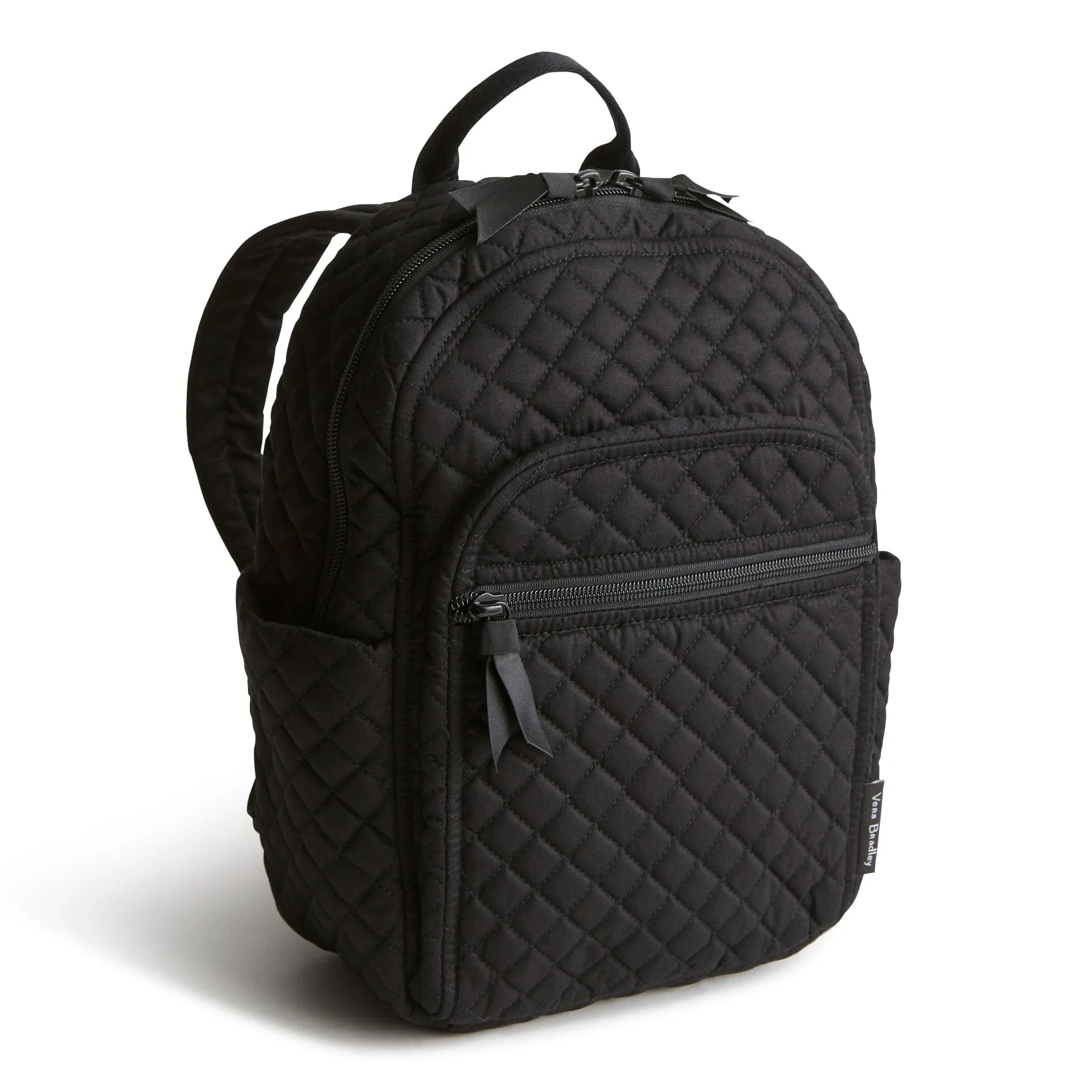
- Small Backpack: Small Backpack has a 9 L capacity, a front zip pocket with one slip and two pen pockets, three exterior slip pockets, and interior zip and slip pockets. Multiple compartments keep food containers separate from keys, pens, and electronics, which reduces leaks and cross-odors inside the bag.
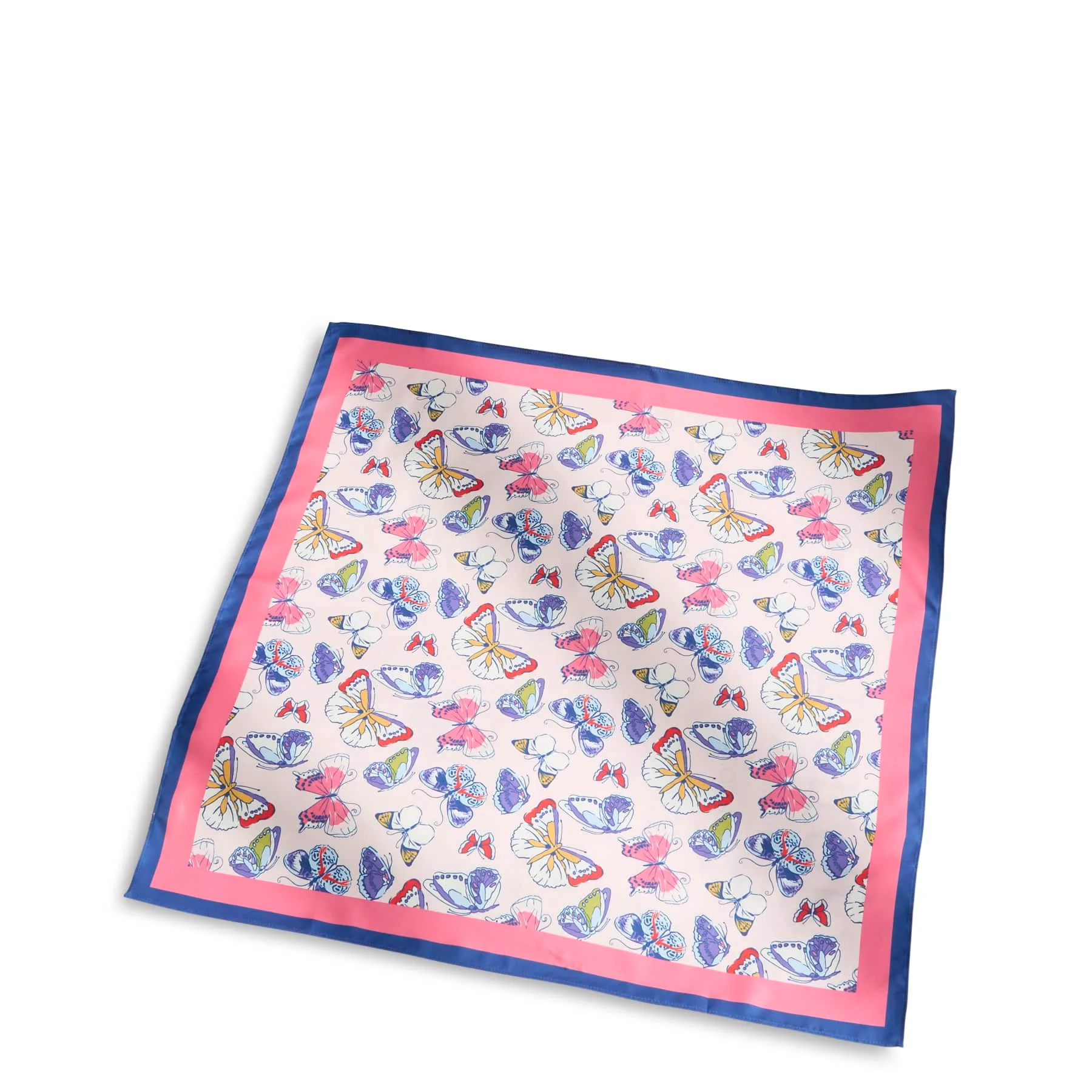
- Outlet Scarf: Outlet Scarf measures 26.0 in by 26.0 in and is made of 100% polyester. A polyester scarf is easy to hand wash and quick to air dry, so it can line a lunch bag or wrap a container without holding moisture the way cotton does.
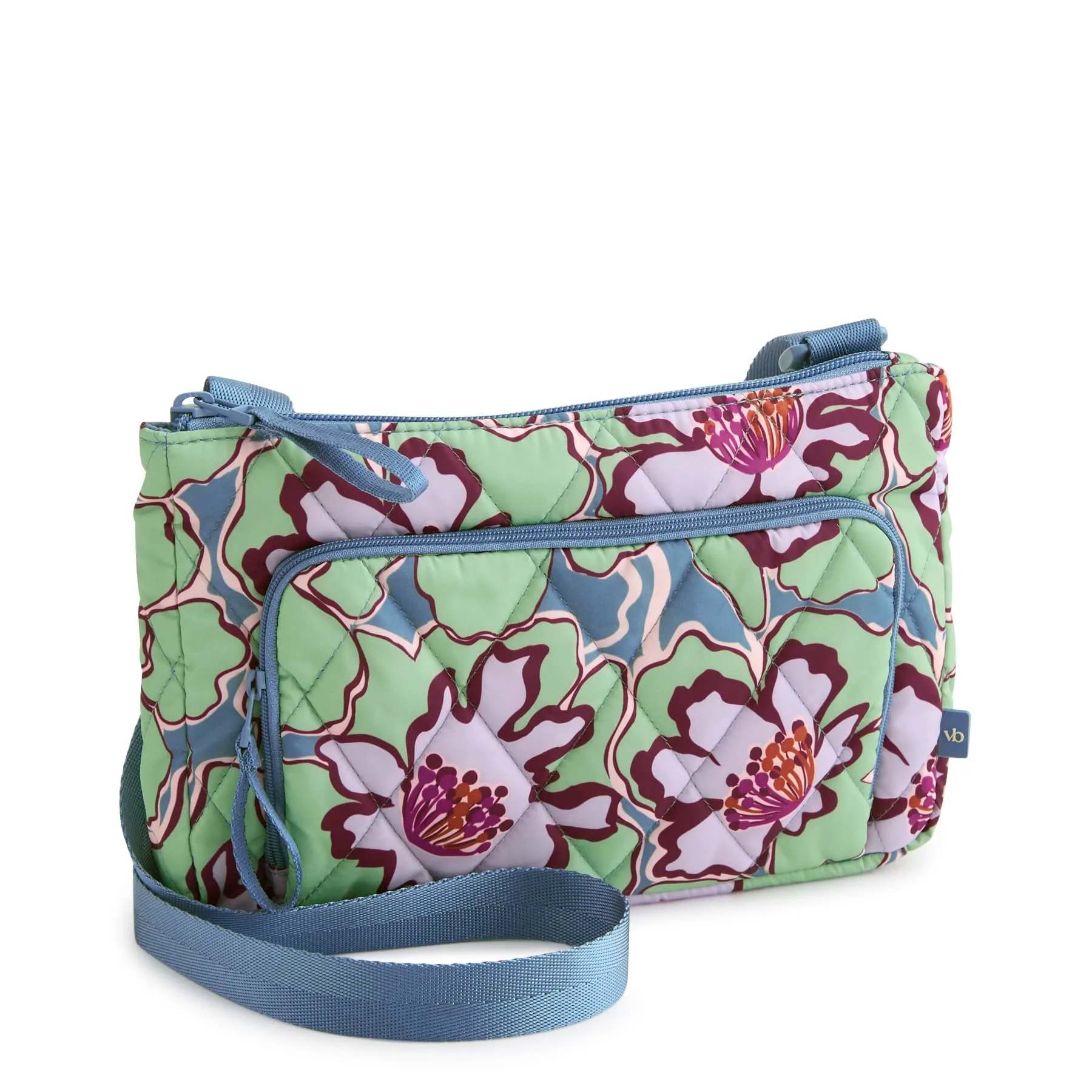
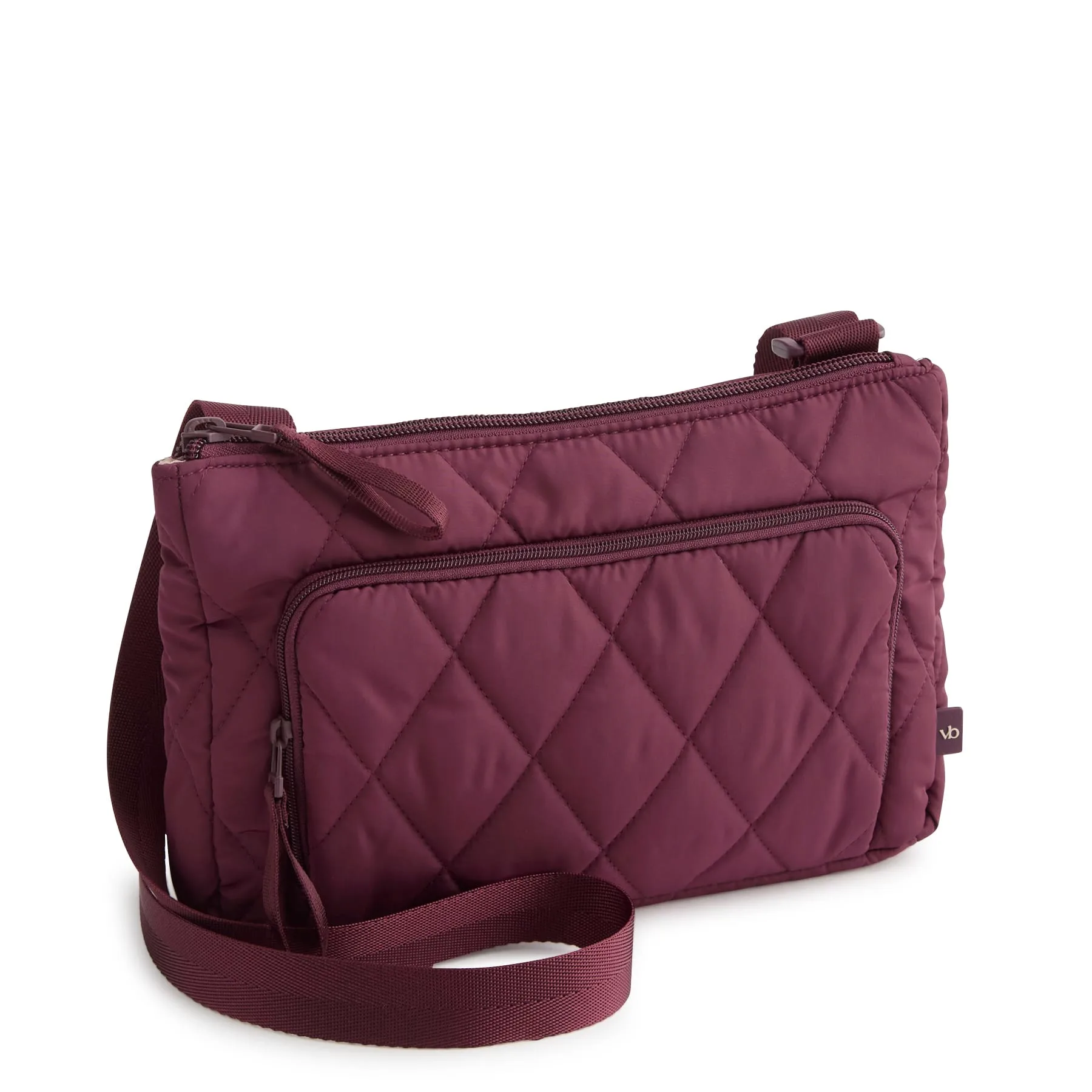
- Outlet Little Hipster: Outlet Little Hipster has a front zip compartment with a bill slip pocket and four card slip pockets, a back slip pocket, an interior zip pocket, and an adjustable strap with a 26.5 in longest drop. A compact crossbody with a zip closure keeps cards and small items away from food, so you can carry lunch and essentials without mixing them in one open compartment.